

Coffee, Cappuccino, decaffeinated
Common food
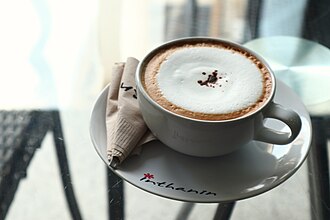
Photo: Wikipedia
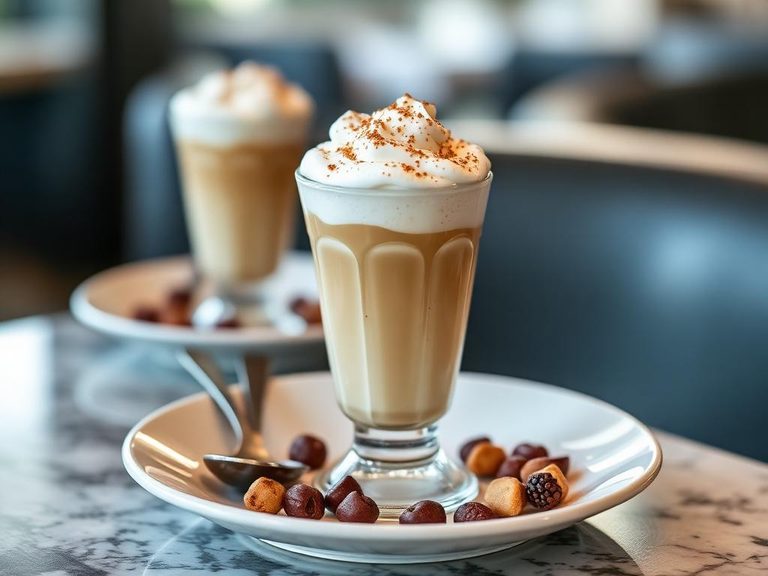
A decaffeinated cappuccino is a classic espresso-based drink made with steamed milk and a thick layer of foam, offering a rich, creamy texture with a mild coffee flavor. It provides a comforting, low-calorie beverage option, delivering a modest amount of protein and natural sugars from the milk without the caffeine kick.
Calorie split: 26% protein · 41% carbs · 33% fat
↓ Full nutrition💚 Why it's loved
People love decaf cappuccinos for their comforting, velvety foam and the ability to enjoy the ritual and flavor of a coffeehouse drink without the stimulant effects of caffeine. It's a versatile base that pairs well with sweet pastries or can be enjoyed solo as a warm, soothing treat.
⚠️ Watch-outs & how to enjoy it better
The natural lactose (milk sugar) can cause digestive discomfort for those with lactose intolerance or sensitive stomachs. To mitigate this, opt for lactose-free milk or a plant-based alternative like oat or almond milk. Those monitoring blood sugar should be aware of the 2.48g of sugar per 100g; pairing it with a high-fiber or protein-rich snack can help moderate the glycemic response.
Key benefits
- Low in calories (27 kcal per 100g)
- Provides a small protein boost from milk
- Contains natural milk sugars for quick energy
- Caffeine-free option for evening consumption
- Source of calcium from milk
🍽️ Popular dishes
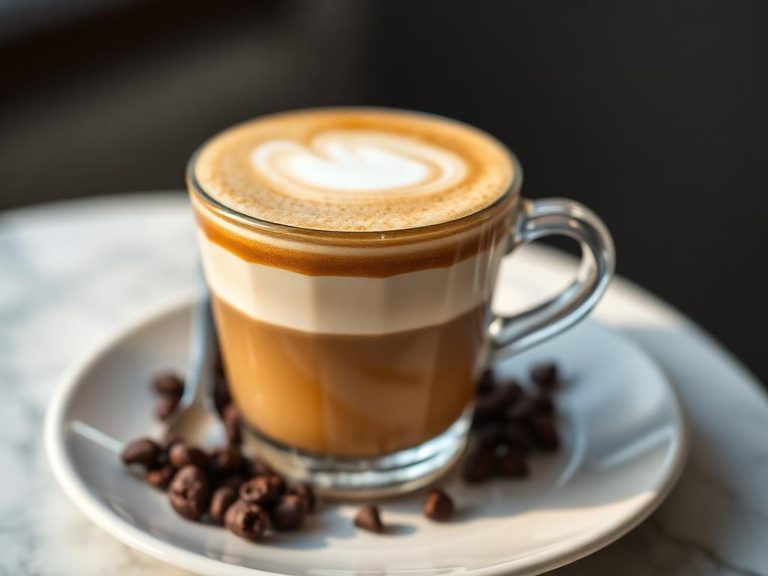

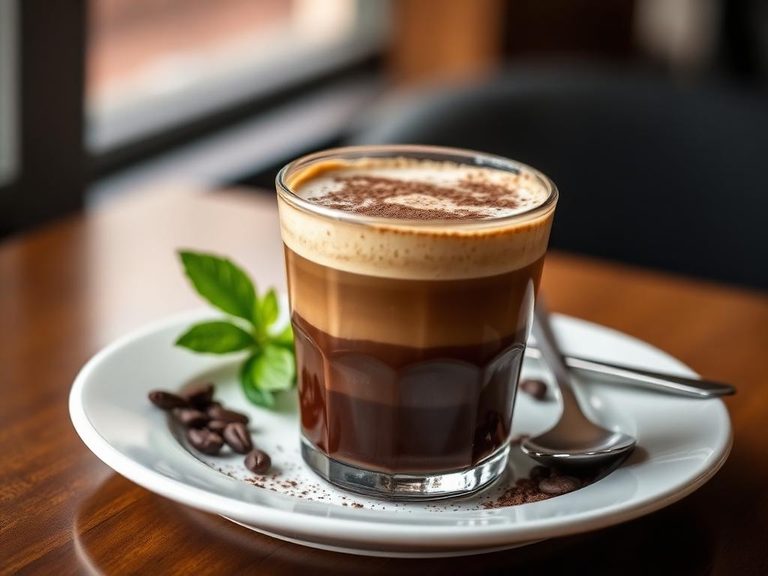
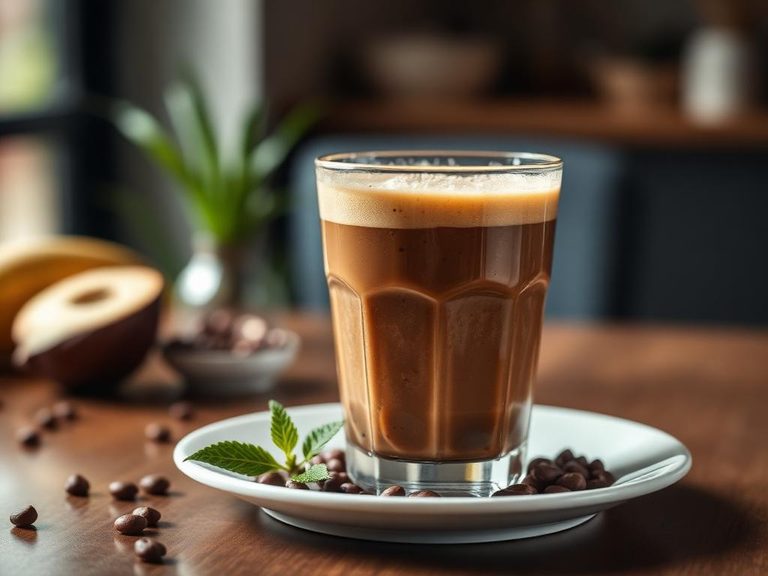
🌍 Where it's eaten
💡 Did you know?
The name 'cappuccino' is derived from the Capuchin friars, referencing the color of their robes, which is similar to the drink's hue when coffee mixes with milk.
Full nutrition (USDA data · scales with serving)
| Water | 94.1 g |
| Energy | 27.0 kcal |
| Protein | 1.7 g |
| Total lipid (fat) | 0.99 g |
| Carbohydrate, by difference | 2.8 g |
| Fiber, total dietary | 0.00 g |
| Total Sugars | 2.5 g |
| Calcium, Ca | 65.0 mg |
| Iron, Fe | 0.02 mg |
| Magnesium, Mg | 20.0 mg |
| Phosphorus, P | 53.0 mg |
| Potassium, K | 100 mg |
| Sodium, Na | 23.0 mg |
| Zinc, Zn | 0.23 mg |
| Copper, Cu | 0.01 mg |
| Selenium, Se | 0.90 ug |
| Vitamin C, total ascorbic acid | 0.10 mg |
| Thiamin | 0.03 mg |
| Riboflavin | 0.10 mg |
| Niacin | 0.92 mg |
| Vitamin B-6 | 0.03 mg |
| Folate, total | 1.0 ug |
| Folic acid | 0.00 ug |
| Folate, food | 1.0 ug |
| Folate, DFE | 1.0 ug |
| Choline, total | 8.5 mg |
| Vitamin B-12 | 0.22 ug |
| Vitamin B-12, added | 0.00 ug |
| Vitamin A, RAE | 42.0 ug |
| Retinol | 42.0 ug |
| Carotene, beta | 2.0 ug |
| Carotene, alpha | 0.00 ug |
| Cryptoxanthin, beta | 0.00 ug |
| Lycopene | 0.00 ug |
| Lutein + zeaxanthin | 0.00 ug |
| Vitamin E (alpha-tocopherol) | 0.02 mg |
| Vitamin E, added | 0.00 mg |
| Vitamin D (D2 + D3) | 0.60 ug |
| Vitamin K (phylloquinone) | 0.10 ug |
| Alcohol, ethyl | 0.00 g |
| Caffeine | 0.00 mg |
| Theobromine | 0.00 mg |
Fat & fatty acid profile (per 100g)
| Fatty acids, total saturated | 0.58 g |
| SFA 4:0 | 0.02 g |
| SFA 6:0 | 0.02 g |
| SFA 8:0 | 0.01 g |
| SFA 10:0 | 0.03 g |
| SFA 12:0 | 0.03 g |
| SFA 14:0 | 0.09 g |
| SFA 16:0 | 0.27 g |
| SFA 18:0 | 0.09 g |
| Fatty acids, total monounsaturated | 0.20 g |
| MUFA 16:1 | 0.01 g |
| MUFA 18:1 | 0.21 g |
| MUFA 20:1 | 0.00 g |
| MUFA 22:1 | 0.00 g |
| Fatty acids, total polyunsaturated | 0.04 g |
| PUFA 18:2 | 0.05 g |
| PUFA 18:3 | 0.00 g |
| PUFA 18:4 | 0.00 g |
| PUFA 20:4 | 0.00 g |
| PUFA 20:5 n-3 (EPA) | 0.00 g |
| PUFA 22:5 n-3 (DPA) | 0.00 g |
| PUFA 22:6 n-3 (DHA) | 0.00 g |
| Cholesterol | 4.0 mg |
Amino acid profile (per 100g)
Estimated from Cream, fluid, light (coffee cream or table cream) — USDA does not publish this profile for Coffee.
| Tryptophan | 0.07 g |
| Threonine | 0.13 g |
| Isoleucine | 0.15 g |
| Leucine | 0.24 g |
| Lysine | 0.13 g |
| Methionine | 0.07 g |
| Cystine | 0.01 g |
| Phenylalanine | 0.14 g |
| Tyrosine | 0.14 g |
| Valine | 0.18 g |
| Arginine | 0.07 g |
| Histidine | 0.07 g |
| Alanine | 0.09 g |
| Aspartic acid | 0.22 g |
| Glutamic acid | 0.59 g |
| Glycine | 0.07 g |
| Proline | 0.31 g |
| Serine | 0.10 g |
FAQ
How is decaffeination typically done for cappuccino beans?
Common methods include the Swiss Water Process, which uses water and osmosis, or solvent-based processes that use chemicals like ethyl acetate or methylene chloride to remove caffeine before roasting.
Does decaf cappuccino have any health benefits?
It provides calcium and protein from the milk, and antioxidants from the coffee beans, while being a lower-calorie, caffeine-free alternative that can be part of a balanced diet.
Can I make a good decaf cappuccino at home?
Yes, use freshly ground decaf espresso beans, a good espresso machine or moka pot, and properly steamed milk. The key is to create a fine microfoam for the classic layered texture.
Nutrient density (calculated · NRF9.3)
Nutrient Rich Foods index: beneficial nutrients (protein, fiber, vitamins, minerals) minus saturated fat, added sugar & sodium, per 100 kcal.
NRF9.3 index — Fulgoni, Keast & Drewnowski, 2009. Computed from USDA nutrients.
Weight-loss friendliness (composite index)
Energy density 0.27 kcal/g · 25% calories from protein · 0.0 g fiber · 2.5 g sugar per 100 g.
Composite of energy density (Rolls et al., 1999), protein & fiber satiety, minus sugar. A calculated heuristic — ranks satiety-per-calorie, not a clinical measure.
Dietary load (calculated from USDA values)
Potential renal acid load. Positive = acid-forming, negative = alkaline-forming.
Sodium-to-potassium ratio: 0.23 (lower is better — aim for ≤ 1)
Sodium:potassium per WHO potassium guidance. Computed from USDA nutrients.