

Chicken, NS as to part, baked, broiled, or roasted, skin not eaten
Common food
Photo: Wikipedia
This is lean, skinless chicken meat prepared by dry-heat methods like baking, broiling, or roasting, resulting in a clean, savory flavor and a firm yet tender texture. It's a powerhouse of high-quality protein with minimal fat and zero carbohydrates, making it a staple for health-conscious cooking. The absence of skin significantly reduces its fat content compared to other preparations.
Calorie split: 70% protein · 0% carbs · 30% fat
↓ Full nutrition💚 Why it's loved
People love it for its mild, adaptable flavor that serves as a perfect canvas for a wide array of herbs, spices, and marinades. Its lean, high-protein profile makes it a trusted, go-to choice for building satisfying, muscle-fueling meals without excess calories.
⚠️ Watch-outs & how to enjoy it better
Without skin or added fats, it can become dry and bland if overcooked. To counteract this, marinate before cooking to add moisture and flavor, use a meat thermometer to avoid overcooking, or pair it with a flavorful sauce or fresh salsa. Individuals with specific poultry allergies should avoid it.
Key benefits
- Excellent source of complete protein for muscle maintenance and repair.
- Very low in fat, especially saturated fat, supporting heart health.
- Zero carbohydrates, making it ideal for low-carb and ketogenic diets.
- Rich in essential nutrients like niacin (B3) and selenium.
- Highly versatile base for countless healthy recipes.
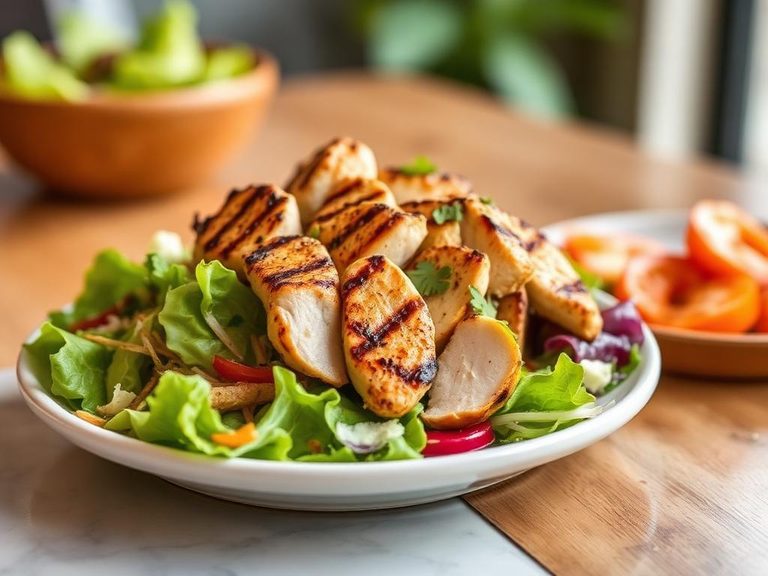
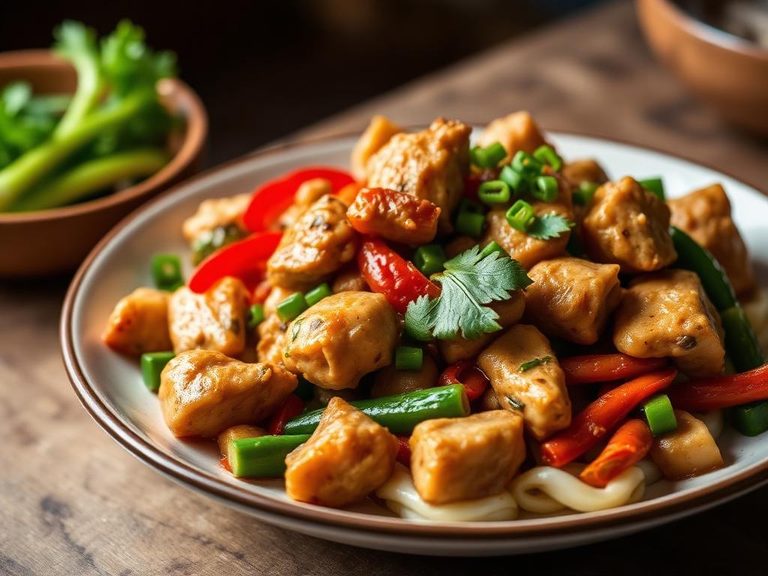
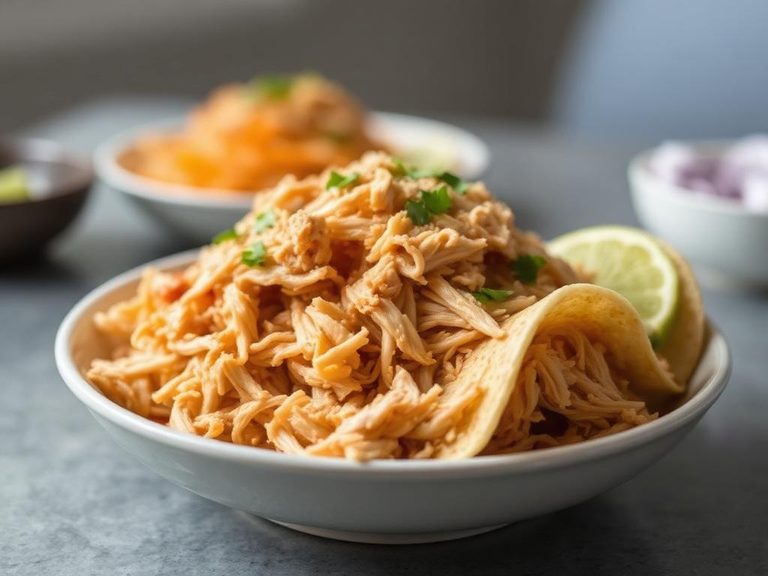
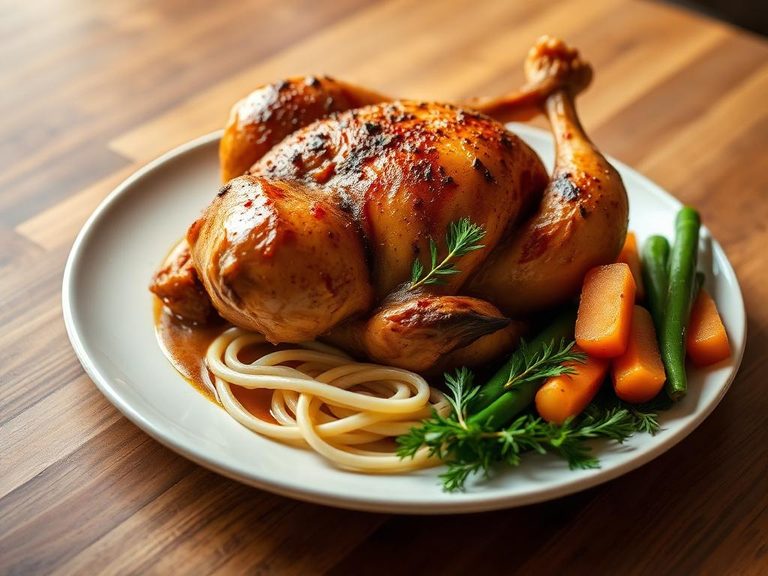
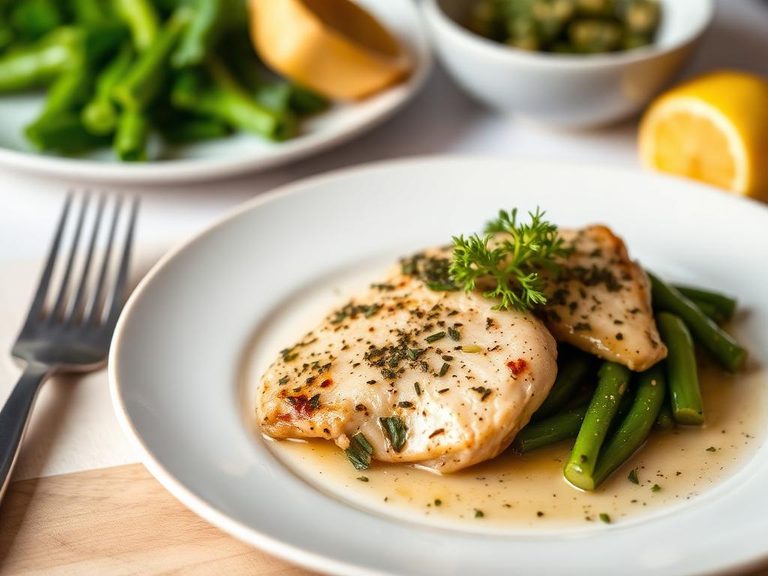
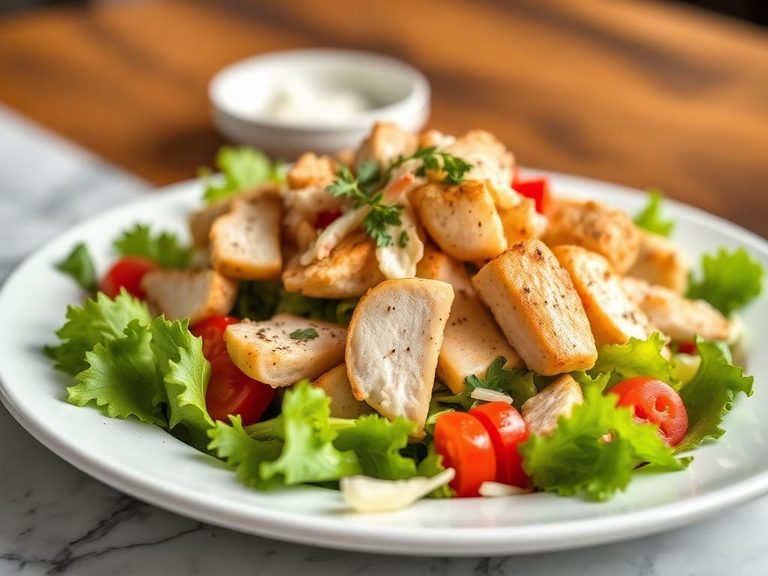
🍽️ Popular dishes
🌍 Where it's eaten
💡 Did you know?
Chicken breast is one of the most efficient sources of animal protein, with a biological value (a measure of how well the body can use the protein) that is often higher than that of beef or pork.
Full nutrition (USDA data · scales with serving)
| Water | 66.0 g |
| Energy | 165 kcal |
| Protein | 27.3 g |
| Total lipid (fat) | 5.3 g |
| Carbohydrate, by difference | 0.00 g |
| Fiber, total dietary | 0.00 g |
| Total Sugars | 0.00 g |
| Calcium, Ca | 8.0 mg |
| Iron, Fe | 0.79 mg |
| Magnesium, Mg | 26.0 mg |
| Phosphorus, P | 223 mg |
| Potassium, K | 311 mg |
| Sodium, Na | 353 mg |
| Zinc, Zn | 1.5 mg |
| Copper, Cu | 0.06 mg |
| Selenium, Se | 29.0 ug |
| Vitamin C, total ascorbic acid | 0.00 mg |
| Thiamin | 0.09 mg |
| Riboflavin | 0.22 mg |
| Niacin | 8.1 mg |
| Vitamin B-6 | 0.66 mg |
| Folate, total | 6.0 ug |
| Folic acid | 0.00 ug |
| Folate, food | 6.0 ug |
| Folate, DFE | 6.0 ug |
| Choline, total | 74.0 mg |
| Vitamin B-12 | 0.29 ug |
| Vitamin B-12, added | 0.00 ug |
| Vitamin A, RAE | 8.0 ug |
| Retinol | 8.0 ug |
| Carotene, beta | 0.00 ug |
| Carotene, alpha | 0.00 ug |
| Cryptoxanthin, beta | 0.00 ug |
| Lycopene | 0.00 ug |
| Lutein + zeaxanthin | 0.00 ug |
| Vitamin E (alpha-tocopherol) | 0.46 mg |
| Vitamin E, added | 0.00 mg |
| Vitamin D (D2 + D3) | 0.10 ug |
| Vitamin K (phylloquinone) | 1.9 ug |
| Alcohol, ethyl | 0.00 g |
| Caffeine | 0.00 mg |
| Theobromine | 0.00 mg |
Fat & fatty acid profile (per 100g)
| Fatty acids, total saturated | 1.4 g |
| SFA 4:0 | 0.00 g |
| SFA 6:0 | 0.00 g |
| SFA 8:0 | 0.00 g |
| SFA 10:0 | 0.01 g |
| SFA 12:0 | 0.01 g |
| SFA 14:0 | 0.03 g |
| SFA 16:0 | 1.0 g |
| SFA 18:0 | 0.29 g |
| Fatty acids, total monounsaturated | 1.9 g |
| MUFA 16:1 | 0.27 g |
| MUFA 18:1 | 1.6 g |
| MUFA 20:1 | 0.02 g |
| MUFA 22:1 | 0.00 g |
| Fatty acids, total polyunsaturated | 1.0 g |
| PUFA 18:2 | 0.84 g |
| PUFA 18:3 | 0.04 g |
| PUFA 18:4 | 0.00 g |
| PUFA 20:4 | 0.08 g |
| PUFA 20:5 n-3 (EPA) | 0.00 g |
| PUFA 22:5 n-3 (DPA) | 0.01 g |
| PUFA 22:6 n-3 (DHA) | 0.01 g |
| Cholesterol | 115 mg |
Amino acid profile (per 100g)
Estimated from Restaurant, Latino, chicken and rice, entree, prepared — USDA does not publish this profile for Chicken.
| Tryptophan | 0.16 g |
| Threonine | 0.50 g |
| Isoleucine | 0.55 g |
| Leucine | 0.93 g |
| Lysine | 0.93 g |
| Methionine | 0.31 g |
| Cystine | 0.15 g |
| Phenylalanine | 0.51 g |
| Tyrosine | 0.35 g |
| Valine | 0.62 g |
| Arginine | 0.80 g |
| Histidine | 0.40 g |
| Alanine | 0.68 g |
| Aspartic acid | 1.1 g |
| Glutamic acid | 1.9 g |
| Glycine | 0.58 g |
| Proline | 0.51 g |
| Serine | 0.47 g |
FAQ
How do I keep baked or roasted chicken breast from drying out?
Brining (soaking in salt water) or marinating beforehand helps. Cook to an internal temperature of 165°F (74°C) and let it rest for 5-10 minutes before slicing to allow juices to redistribute.
Is this the healthiest way to eat chicken?
It's among the healthiest, as it removes the skin (the primary source of fat) and uses a cooking method that doesn't require added fats. Steaming or poaching are also very lean methods.
What's the difference between 'baked' and 'broiled'?
Baking uses all-around, indirect heat in an oven, while broiling uses direct, high heat from above, which can create a quicker sear and is great for finishing or cooking thinner pieces.
Nutrient density (calculated · NRF9.3)
Nutrient Rich Foods index: beneficial nutrients (protein, fiber, vitamins, minerals) minus saturated fat, added sugar & sodium, per 100 kcal.
NRF9.3 index — Fulgoni, Keast & Drewnowski, 2009. Computed from USDA nutrients.
Weight-loss friendliness (composite index)
Energy density 1.65 kcal/g · 66% calories from protein · 0.0 g fiber · 0.0 g sugar per 100 g.
Composite of energy density (Rolls et al., 1999), protein & fiber satiety, minus sugar. A calculated heuristic — ranks satiety-per-calorie, not a clinical measure.
Dietary load (calculated from USDA values)
Potential renal acid load. Positive = acid-forming, negative = alkaline-forming.
Sodium-to-potassium ratio: 1.14 (lower is better — aim for ≤ 1)
Sodium:potassium per WHO potassium guidance. Computed from USDA nutrients.