

Chicken, capons, meat and skin, raw
Whole food · Poultry Products

Photo: Wikipedia
Raw capon is the rich, succulent meat of a castrated rooster, prized for its exceptionally tender texture and higher fat content compared to standard chicken. Its flavor is deep, savory, and almost buttery, with a silky mouthfeel that promises incredibly moist results when cooked. Nutritionally, it's a powerhouse of complete protein with a significant caloric boost from its generous fat marbling.
Calorie split: 33% protein · 0% carbs · 67% fat
↓ Full nutrition💚 Why it's loved
Capon is beloved for its unparalleled richness and tenderness, which elevates simple roasts to a luxurious meal. Its ability to stay juicy during cooking makes it a forgiving centerpiece for holiday feasts and special occasions.
⚠️ Watch-outs & how to enjoy it better
The high fat content, while flavorful, increases the calorie density, which requires mindful portion control for those monitoring energy intake. As a poultry product, it carries a risk of Salmonella contamination if not handled and cooked properly. To counteract, ensure it reaches an internal temperature of 165°F (74°C) and consider pairing it with high-fiber vegetables to balance the meal.
Key benefits
- Excellent source of complete, high-quality protein for muscle maintenance.
- Naturally carb-free, making it suitable for ketogenic and low-carb diets.
- Rich in B vitamins, particularly niacin and B6, essential for energy metabolism.
- Provides essential minerals like selenium and phosphorus.
- The higher fat content enhances satiety and flavor in dishes.
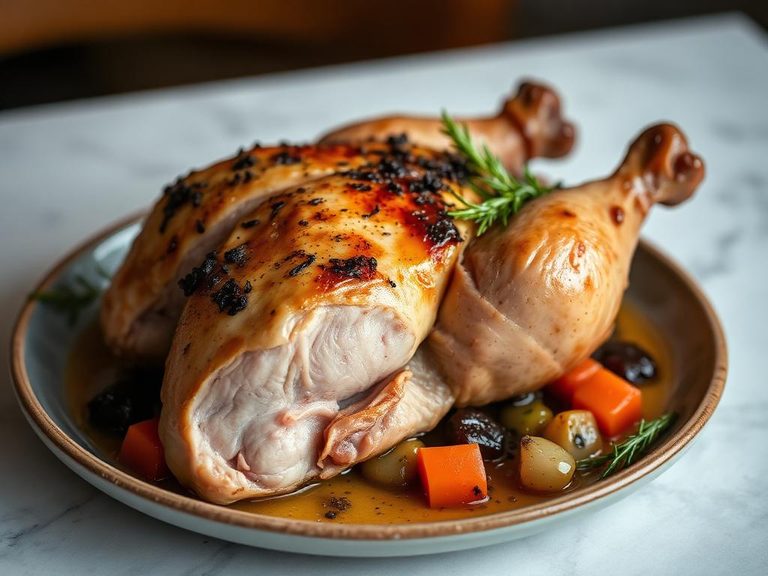
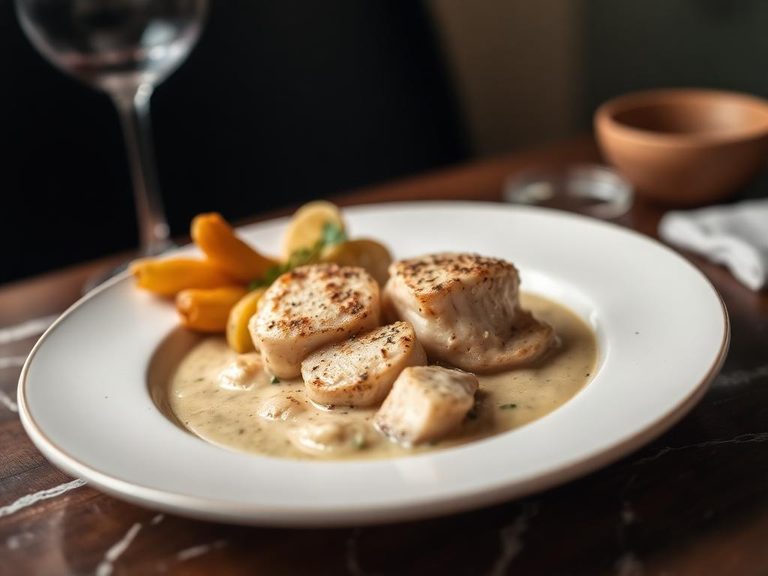
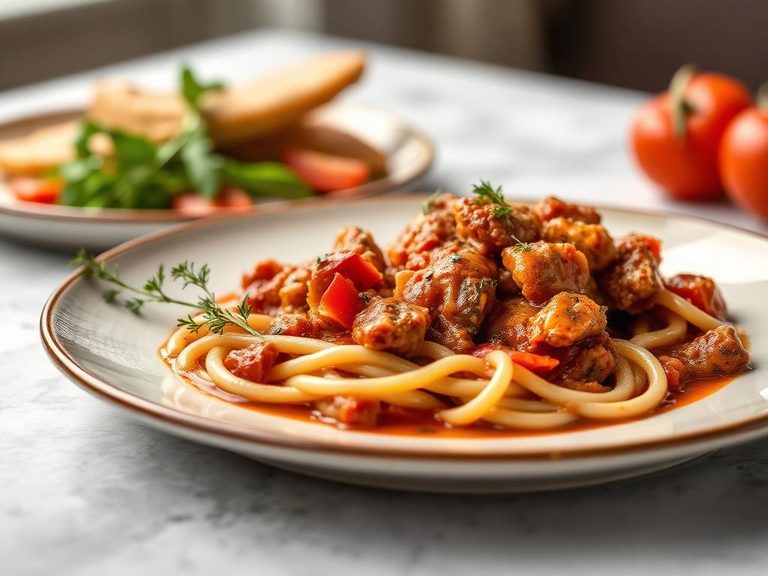
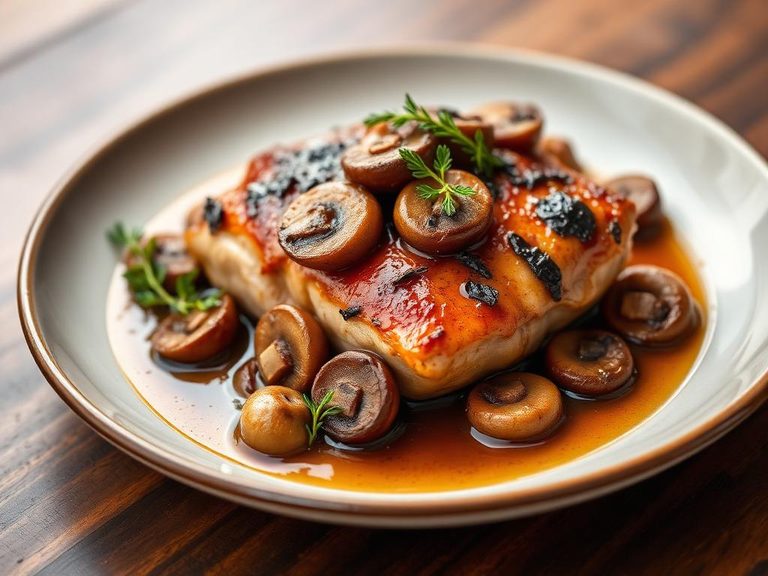
🍽️ Popular dishes
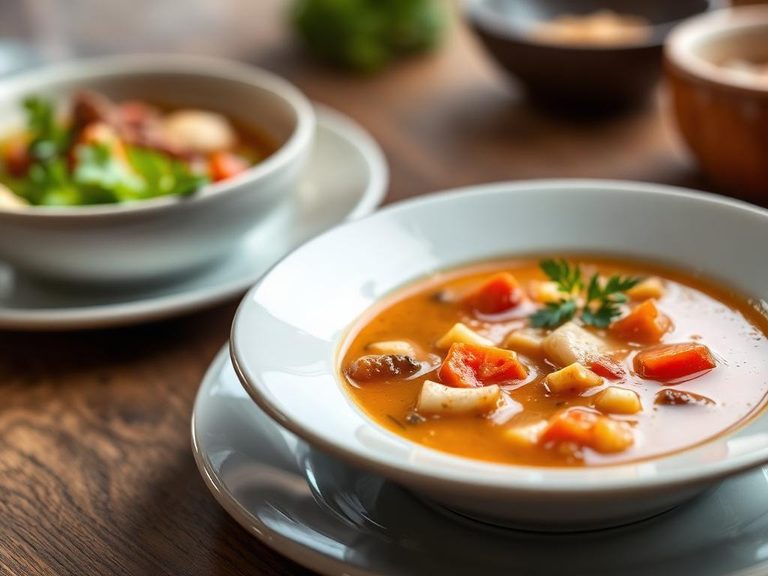
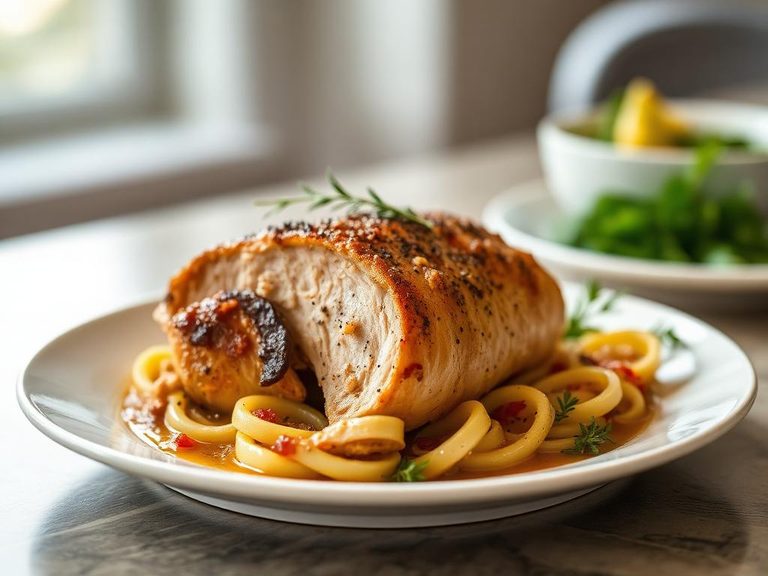
🌍 Where it's eaten
💡 Did you know?
The practice of caponization—castrating a young rooster to produce capon meat—dates back to ancient Rome and was believed to not only improve the meat's quality but also to make the bird so docile it could be kept in the kitchen without a cage.
Full nutrition (USDA data · scales with serving)
| Water | 63.2 g |
| Energy | 234 kcal |
| Energy | 979 kj |
| Protein | 18.8 g |
| Total lipid (fat) | 17.1 g |
| Ash | 0.96 g |
| Carbohydrate, by difference | 0.00 g |
| Fiber, total dietary | 0.00 g |
| Total Sugars | 0.00 g |
| Calcium, Ca | 11.0 mg |
| Iron, Fe | 1.1 mg |
| Magnesium, Mg | 21.0 mg |
| Phosphorus, P | 183 mg |
| Potassium, K | 217 mg |
| Sodium, Na | 45.0 mg |
| Zinc, Zn | 1.2 mg |
| Copper, Cu | 0.05 mg |
| Manganese, Mn | 0.02 mg |
| Selenium, Se | 14.6 ug |
| Vitamin C, total ascorbic acid | 1.7 mg |
| Thiamin | 0.06 mg |
| Riboflavin | 0.13 mg |
| Niacin | 7.3 mg |
| Pantothenic acid | 0.96 mg |
| Vitamin B-6 | 0.36 mg |
| Folate, total | 6.0 ug |
| Folic acid | 0.00 ug |
| Folate, food | 6.0 ug |
| Folate, DFE | 6.0 ug |
| Vitamin B-12 | 0.34 ug |
| Vitamin A, RAE | 37.0 ug |
| Retinol | 37.0 ug |
| Carotene, beta | 0.00 ug |
| Carotene, alpha | 0.00 ug |
| Cryptoxanthin, beta | 0.00 ug |
| Vitamin A, IU | 129 iu |
| Lycopene | 0.00 ug |
| Lutein + zeaxanthin | 0.00 ug |
| Vitamin E (alpha-tocopherol) | 0.32 mg |
| Vitamin K (phylloquinone) | 2.4 ug |
| Alcohol, ethyl | 0.00 g |
| Caffeine | 0.00 mg |
| Theobromine | 0.00 mg |
Fat & fatty acid profile (per 100g)
| Fatty acids, total saturated | 5.0 g |
| SFA 4:0 | 0.00 g |
| SFA 6:0 | 0.00 g |
| SFA 8:0 | 0.00 g |
| SFA 10:0 | 0.00 g |
| SFA 12:0 | 0.02 g |
| SFA 14:0 | 0.14 g |
| SFA 16:0 | 3.6 g |
| SFA 18:0 | 0.98 g |
| Fatty acids, total monounsaturated | 7.3 g |
| MUFA 16:1 | 0.97 g |
| MUFA 18:1 | 6.1 g |
| MUFA 20:1 | 0.18 g |
| MUFA 22:1 | 0.00 g |
| Fatty acids, total polyunsaturated | 3.6 g |
| PUFA 18:2 | 3.3 g |
| PUFA 18:3 | 0.16 g |
| PUFA 18:4 | 0.00 g |
| PUFA 20:4 | 0.06 g |
| PUFA 20:5 n-3 (EPA) | 0.01 g |
| PUFA 22:5 n-3 (DPA) | 0.01 g |
| PUFA 22:6 n-3 (DHA) | 0.02 g |
| Cholesterol | 75.0 mg |
Amino acid profile (per 100g)
| Tryptophan | 0.21 g |
| Threonine | 0.79 g |
| Isoleucine | 0.95 g |
| Leucine | 1.4 g |
| Lysine | 1.6 g |
| Methionine | 0.51 g |
| Cystine | 0.25 g |
| Phenylalanine | 0.74 g |
| Tyrosine | 0.61 g |
| Valine | 0.92 g |
| Arginine | 1.2 g |
| Histidine | 0.56 g |
| Alanine | 1.1 g |
| Aspartic acid | 1.7 g |
| Glutamic acid | 2.8 g |
| Glycine | 1.2 g |
| Proline | 0.90 g |
| Serine | 0.67 g |
FAQ
How is capon different from regular chicken?
A capon is a castrated rooster, resulting in meat that is more tender, has a higher fat content, and a richer, more developed flavor than standard chicken. It's also typically larger.
What's the best way to cook a capon?
Slow roasting is ideal to render the fat and keep the meat moist. Basting frequently and cooking at a moderate temperature (around 325°F/165°C) yields the best results.
Is capon meat healthier than chicken?
It's comparable in protein but higher in calories and fat due to its increased marbling. The choice depends on dietary goals; it's a more indulgent option.
Nutrient density (calculated · NRF9.3)
Nutrient Rich Foods index: beneficial nutrients (protein, fiber, vitamins, minerals) minus saturated fat, added sugar & sodium, per 100 kcal.
NRF9.3 index — Fulgoni, Keast & Drewnowski, 2009. Computed from USDA nutrients.
Weight-loss friendliness (composite index)
Energy density 2.34 kcal/g · 32% calories from protein · 0.0 g fiber · 0.0 g sugar per 100 g.
Composite of energy density (Rolls et al., 1999), protein & fiber satiety, minus sugar. A calculated heuristic — ranks satiety-per-calorie, not a clinical measure.
Dietary load (calculated from USDA values)
Potential renal acid load. Positive = acid-forming, negative = alkaline-forming.
Sodium-to-potassium ratio: 0.21 (lower is better — aim for ≤ 1)
Sodium:potassium per WHO potassium guidance. Computed from USDA nutrients.