

Chicken breast, baked, broiled, or roasted, skin not eaten, from raw
Common food
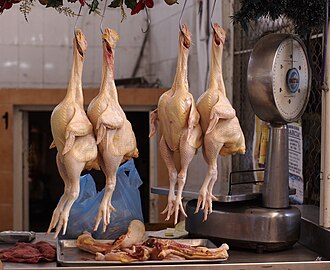
Photo: Wikipedia
Lean, white-meat chicken breast, cooked without its skin, offers a clean, mild flavor and a tender, dense texture that readily absorbs marinades and seasonings. It's a nutritional powerhouse, delivering a massive 30 grams of high-quality protein per 100 grams for just 161 calories, with virtually no carbohydrates or sugar.
Calorie split: 79% protein · 0% carbs · 21% fat
↓ Full nutrition💚 Why it's loved
People love it for its incredible versatility—it's a lean protein staple that can be grilled, baked, shredded, or diced into salads, stir-fries, and sandwiches, adapting to almost any cuisine. Its mild taste makes it a family-friendly ingredient and a reliable foundation for meal prep.
⚠️ Watch-outs & how to enjoy it better
It can become dry and bland if overcooked, a common pitfall that leads some to find it unexciting. To counteract this, brine it before cooking, use a meat thermometer to pull it at 165°F (74°C), and always let it rest before slicing to retain juices.
Key benefits
- Exceptionally high in complete protein for muscle repair and satiety.
- Very low in calories and fat, making it ideal for weight management.
- Naturally free of carbohydrates and sugar, suitable for low-carb diets.
- A versatile, blank canvas for countless global flavors and cooking techniques.
🍽️ Popular dishes

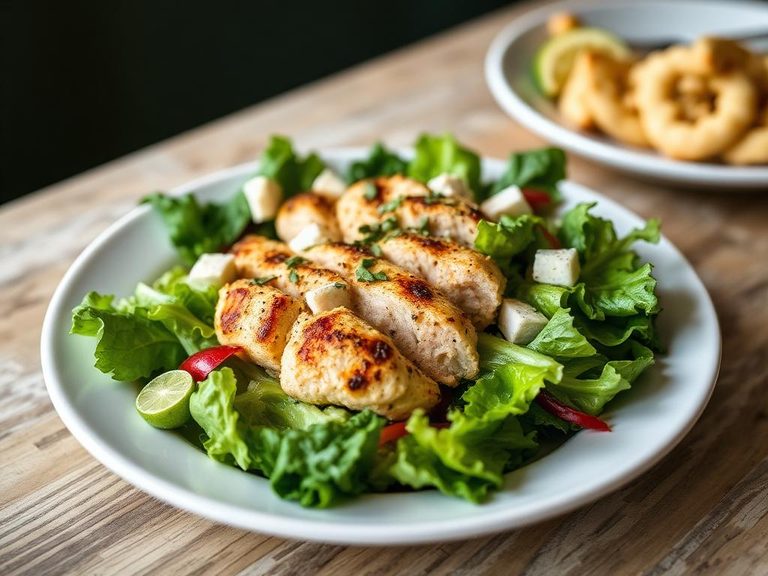
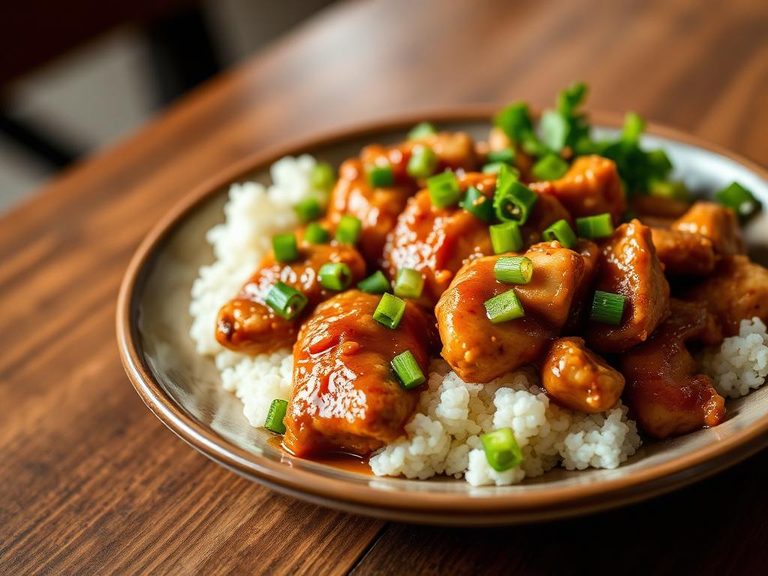
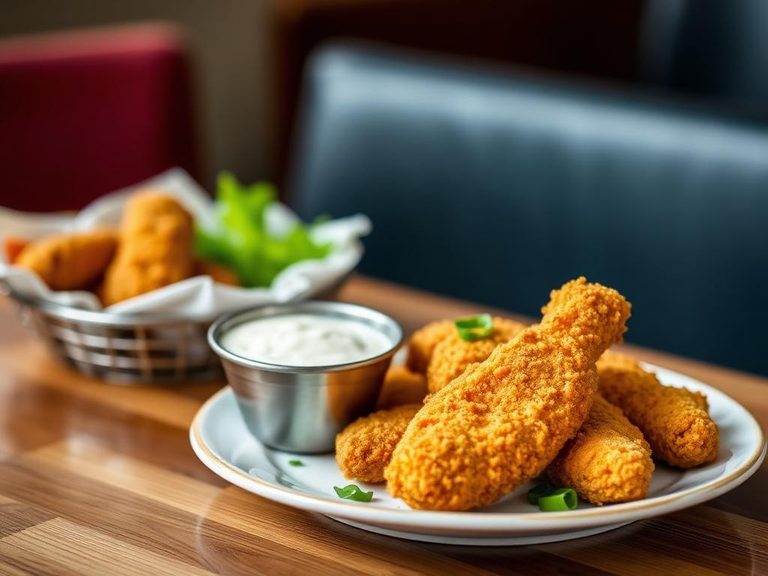
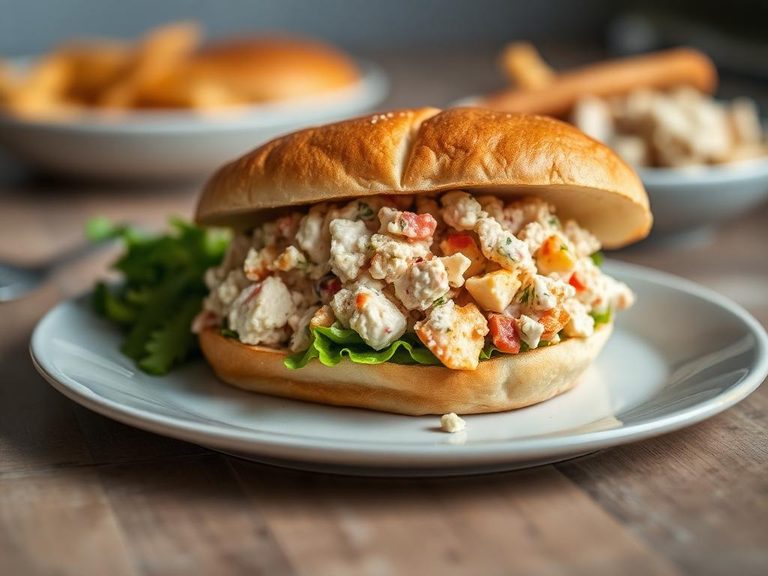
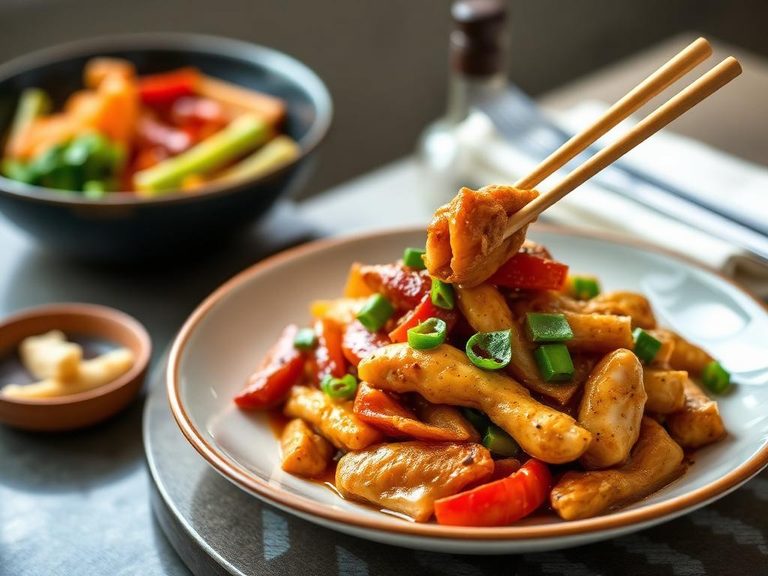
🌍 Where it's eaten
💡 Did you know?
The pectoral muscles that make up the breast are the most exercised part of the chicken, which is why they are so dense and lean compared to the thigh or leg.
Full nutrition (USDA data · scales with serving)
| Water | 64.1 g |
| Energy | 161 kcal |
| Protein | 30.2 g |
| Total lipid (fat) | 3.5 g |
| Carbohydrate, by difference | 0.00 g |
| Fiber, total dietary | 0.00 g |
| Total Sugars | 0.00 g |
| Calcium, Ca | 7.0 mg |
| Iron, Fe | 0.45 mg |
| Magnesium, Mg | 28.0 mg |
| Phosphorus, P | 229 mg |
| Potassium, K | 359 mg |
| Sodium, Na | 360 mg |
| Zinc, Zn | 0.91 mg |
| Copper, Cu | 0.05 mg |
| Selenium, Se | 30.6 ug |
| Vitamin C, total ascorbic acid | 0.00 mg |
| Thiamin | 0.09 mg |
| Riboflavin | 0.21 mg |
| Niacin | 10.3 mg |
| Vitamin B-6 | 0.87 mg |
| Folate, total | 7.0 ug |
| Folic acid | 0.00 ug |
| Folate, food | 7.0 ug |
| Folate, DFE | 7.0 ug |
| Choline, total | 77.2 mg |
| Vitamin B-12 | 0.18 ug |
| Vitamin B-12, added | 0.00 ug |
| Vitamin A, RAE | 9.0 ug |
| Retinol | 9.0 ug |
| Carotene, beta | 0.00 ug |
| Carotene, alpha | 0.00 ug |
| Cryptoxanthin, beta | 0.00 ug |
| Lycopene | 0.00 ug |
| Lutein + zeaxanthin | 0.00 ug |
| Vitamin E (alpha-tocopherol) | 0.75 mg |
| Vitamin E, added | 0.00 mg |
| Vitamin D (D2 + D3) | 0.00 ug |
| Vitamin K (phylloquinone) | 0.00 ug |
| Alcohol, ethyl | 0.00 g |
| Caffeine | 0.00 mg |
| Theobromine | 0.00 mg |
Fat & fatty acid profile (per 100g)
| Fatty acids, total saturated | 0.76 g |
| SFA 4:0 | 0.00 g |
| SFA 6:0 | 0.00 g |
| SFA 8:0 | 0.00 g |
| SFA 10:0 | 0.02 g |
| SFA 12:0 | 0.01 g |
| SFA 14:0 | 0.01 g |
| SFA 16:0 | 0.53 g |
| SFA 18:0 | 0.17 g |
| Fatty acids, total monounsaturated | 0.93 g |
| MUFA 16:1 | 0.11 g |
| MUFA 18:1 | 0.79 g |
| MUFA 20:1 | 0.01 g |
| MUFA 22:1 | 0.00 g |
| Fatty acids, total polyunsaturated | 0.57 g |
| PUFA 18:2 | 0.43 g |
| PUFA 18:3 | 0.02 g |
| PUFA 18:4 | 0.00 g |
| PUFA 20:4 | 0.06 g |
| PUFA 20:5 n-3 (EPA) | 0.00 g |
| PUFA 22:5 n-3 (DPA) | 0.01 g |
| PUFA 22:6 n-3 (DHA) | 0.01 g |
| Cholesterol | 98.0 mg |
Amino acid profile (per 100g)
Estimated from Chicken, broiler or fryers, breast, skinless, boneless, meat only, cooked, grilled — USDA does not publish this profile for Chicken breast.
| Tryptophan | 0.39 g |
| Threonine | 1.4 g |
| Isoleucine | 1.5 g |
| Leucine | 2.5 g |
| Lysine | 2.9 g |
| Methionine | 0.79 g |
| Cystine | 0.32 g |
| Phenylalanine | 1.2 g |
| Tyrosine | 1.1 g |
| Valine | 1.6 g |
| Arginine | 2.1 g |
| Histidine | 1.1 g |
| Alanine | 1.8 g |
| Aspartic acid | 2.9 g |
| Glutamic acid | 4.5 g |
| Glycine | 1.4 g |
| Proline | 0.97 g |
| Serine | 1.2 g |
FAQ
How do I prevent baked chicken breast from drying out?
Brine it in a saltwater solution for 30 minutes before cooking, or pound it to an even thickness. Cook to an internal temperature of 165°F (74°C) and let it rest for 5-10 minutes before slicing to allow juices to redistribute.
Is the nutritional value different if I eat the skin?
Yes, significantly. Eating the skin roughly doubles the fat and calorie content. The lean nutrition profile described here is specific to skinless breast.
What's the best way to add flavor without adding many calories?
Use dry spice rubs, fresh herbs, citrus zest, or low-sodium marinades (like yogurt, vinegar, or mustard-based). These add immense flavor without relying on sugary sauces or extra fats.
Nutrient density (calculated · NRF9.3)
Nutrient Rich Foods index: beneficial nutrients (protein, fiber, vitamins, minerals) minus saturated fat, added sugar & sodium, per 100 kcal.
NRF9.3 index — Fulgoni, Keast & Drewnowski, 2009. Computed from USDA nutrients.
Weight-loss friendliness (composite index)
Energy density 1.61 kcal/g · 75% calories from protein · 0.0 g fiber · 0.0 g sugar per 100 g.
Composite of energy density (Rolls et al., 1999), protein & fiber satiety, minus sugar. A calculated heuristic — ranks satiety-per-calorie, not a clinical measure.
Dietary load (calculated from USDA values)
Potential renal acid load. Positive = acid-forming, negative = alkaline-forming.
Sodium-to-potassium ratio: 1.00 (lower is better — aim for ≤ 1)
Sodium:potassium per WHO potassium guidance. Computed from USDA nutrients.