

Chicken breast, baked, broiled, or roasted with marinade, skin not eaten, from raw
Common food
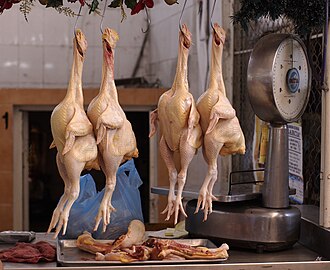
Photo: Wikipedia
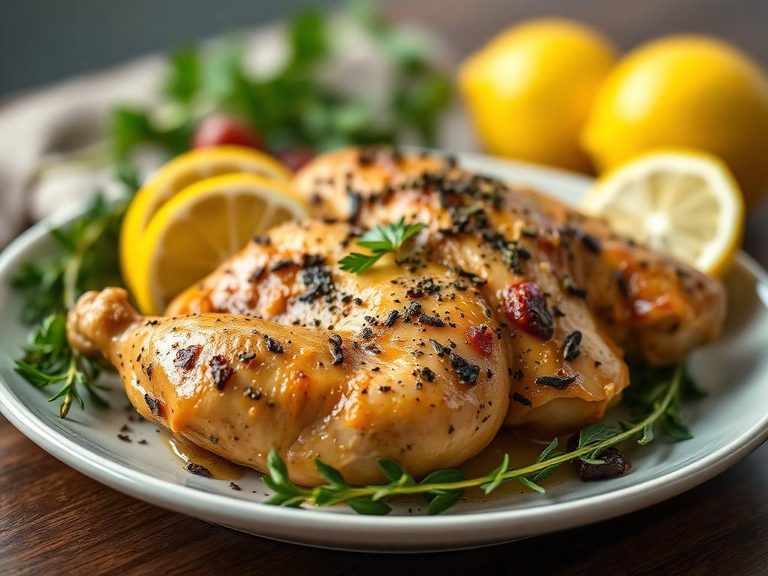
This is a lean, protein-packed staple prepared by dry-heat cooking methods like baking, broiling, or roasting, often with a flavorful marinade. The texture is firm yet tender, with a clean, savory taste that absorbs the flavors of its seasonings. With nearly 30 grams of protein and minimal fat per 100g, it's a powerhouse for muscle maintenance and satiety.
Calorie split: 70% protein · 1% carbs · 29% fat
↓ Full nutrition💚 Why it's loved
People love it for its incredible adaptability—it acts as a blank canvas for bold marinades and global spices, from zesty lemon-herb to smoky paprika. Its reliable, lean nutrition makes it a go-to for fitness enthusiasts and home cooks alike.
⚠️ Watch-outs & how to enjoy it better
The primary downside is its potential for dryness if overcooked, leading to a chalky texture. Those watching sodium intake should be mindful of salty marinades or seasoning blends. To counteract dryness, marinate for at least 30 minutes, use a meat thermometer to cook to 165°F (74°C), and let it rest before slicing. For sodium, opt for low-sodium broths or herbs and citrus for flavor.
Key benefits
- Excellent source of high-quality, complete protein
- Very low in carbohydrates and sugar
- Supports muscle growth and repair
- Low in calories, aiding weight management
- Versatile base for countless healthy recipes
🍽️ Popular dishes
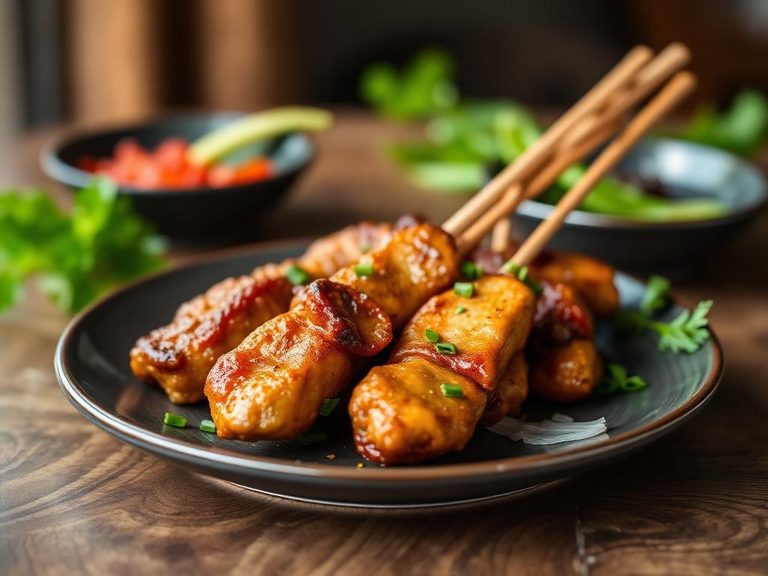
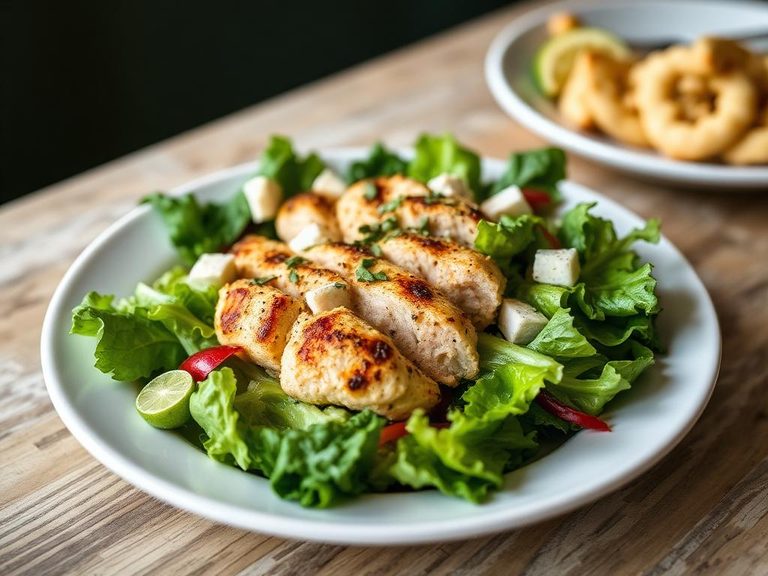
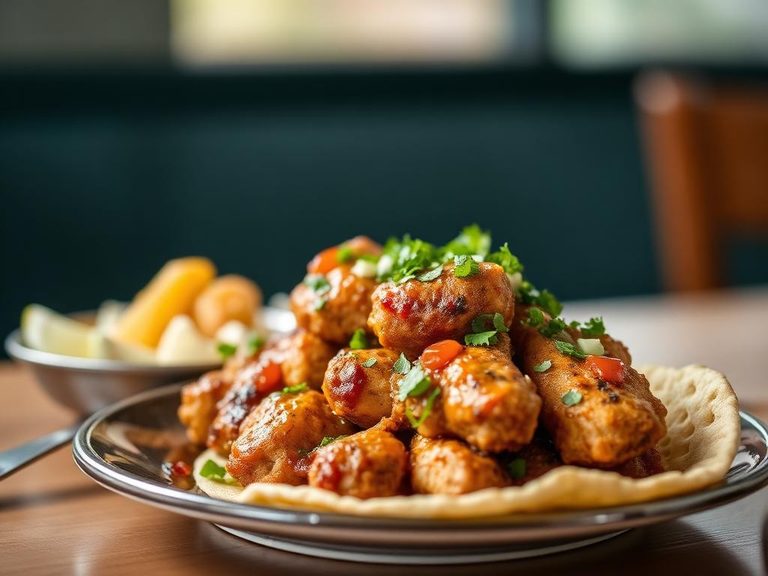
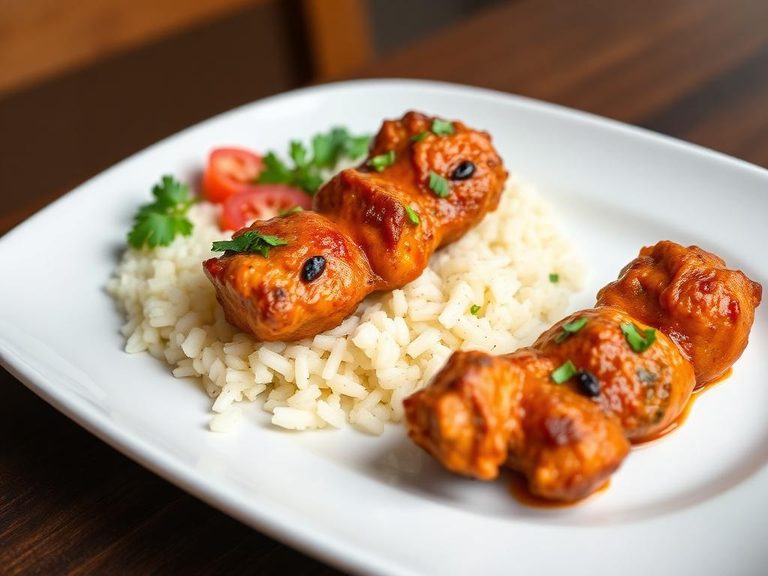
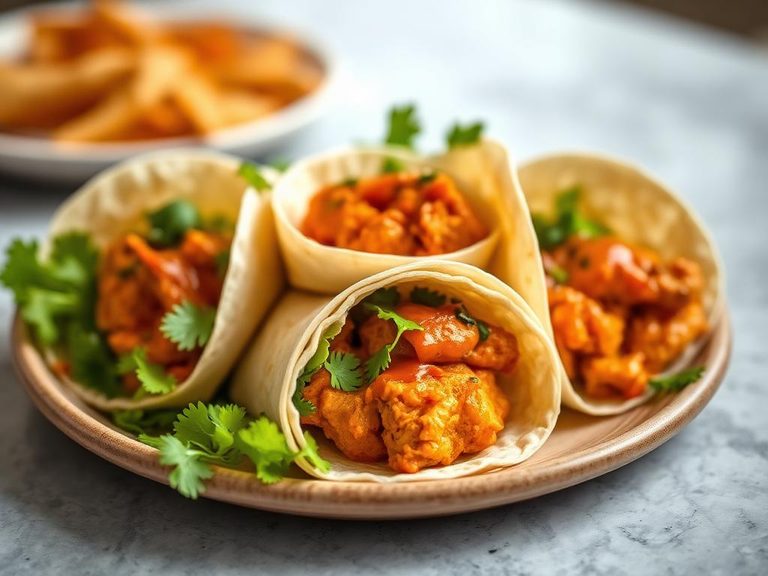
🌍 Where it's eaten
💡 Did you know?
Chicken breast is one of the most consumed animal proteins worldwide, and its popularity surged in the late 20th century as dietary guidelines shifted focus from red meat to leaner options.
Full nutrition (USDA data · scales with serving)
| Water | 62.9 g |
| Energy | 175 kcal |
| Protein | 29.1 g |
| Total lipid (fat) | 5.4 g |
| Carbohydrate, by difference | 0.31 g |
| Fiber, total dietary | 0.00 g |
| Total Sugars | 0.28 g |
| Calcium, Ca | 7.0 mg |
| Iron, Fe | 0.47 mg |
| Magnesium, Mg | 28.0 mg |
| Phosphorus, P | 223 mg |
| Potassium, K | 349 mg |
| Sodium, Na | 423 mg |
| Zinc, Zn | 0.88 mg |
| Copper, Cu | 0.05 mg |
| Selenium, Se | 29.4 ug |
| Vitamin C, total ascorbic acid | 0.00 mg |
| Thiamin | 0.09 mg |
| Riboflavin | 0.21 mg |
| Niacin | 9.9 mg |
| Vitamin B-6 | 0.84 mg |
| Folate, total | 7.0 ug |
| Folic acid | 0.00 ug |
| Folate, food | 7.0 ug |
| Folate, DFE | 7.0 ug |
| Choline, total | 74.5 mg |
| Vitamin B-12 | 0.18 ug |
| Vitamin B-12, added | 0.00 ug |
| Vitamin A, RAE | 9.0 ug |
| Retinol | 9.0 ug |
| Carotene, beta | 0.00 ug |
| Carotene, alpha | 0.00 ug |
| Cryptoxanthin, beta | 0.00 ug |
| Lycopene | 0.00 ug |
| Lutein + zeaxanthin | 0.00 ug |
| Vitamin E (alpha-tocopherol) | 1.1 mg |
| Vitamin E, added | 0.00 mg |
| Vitamin D (D2 + D3) | 0.00 ug |
| Vitamin K (phylloquinone) | 2.0 ug |
| Alcohol, ethyl | 0.00 g |
| Caffeine | 0.00 mg |
| Theobromine | 0.00 mg |
Fat & fatty acid profile (per 100g)
| Fatty acids, total saturated | 0.99 g |
| SFA 4:0 | 0.00 g |
| SFA 6:0 | 0.00 g |
| SFA 8:0 | 0.00 g |
| SFA 10:0 | 0.02 g |
| SFA 12:0 | 0.01 g |
| SFA 14:0 | 0.01 g |
| SFA 16:0 | 0.70 g |
| SFA 18:0 | 0.22 g |
| Fatty acids, total monounsaturated | 1.7 g |
| MUFA 16:1 | 0.11 g |
| MUFA 18:1 | 1.6 g |
| MUFA 20:1 | 0.03 g |
| MUFA 22:1 | 0.00 g |
| Fatty acids, total polyunsaturated | 1.3 g |
| PUFA 18:2 | 1.1 g |
| PUFA 18:3 | 0.10 g |
| PUFA 18:4 | 0.00 g |
| PUFA 20:4 | 0.06 g |
| PUFA 20:5 n-3 (EPA) | 0.00 g |
| PUFA 22:5 n-3 (DPA) | 0.01 g |
| PUFA 22:6 n-3 (DHA) | 0.01 g |
| Cholesterol | 94.0 mg |
Amino acid profile (per 100g)
Estimated from Chicken, broiler or fryers, breast, skinless, boneless, meat only, cooked, grilled — USDA does not publish this profile for Chicken breast.
| Tryptophan | 0.39 g |
| Threonine | 1.4 g |
| Isoleucine | 1.5 g |
| Leucine | 2.5 g |
| Lysine | 2.9 g |
| Methionine | 0.79 g |
| Cystine | 0.32 g |
| Phenylalanine | 1.2 g |
| Tyrosine | 1.1 g |
| Valine | 1.6 g |
| Arginine | 2.1 g |
| Histidine | 1.1 g |
| Alanine | 1.8 g |
| Aspartic acid | 2.9 g |
| Glutamic acid | 4.5 g |
| Glycine | 1.4 g |
| Proline | 0.97 g |
| Serine | 1.2 g |
FAQ
How do I keep baked chicken breast from getting dry?
Marinate it for moisture and flavor, avoid overcooking by using a meat thermometer (remove at 165°F/74°C), and let it rest for 5-10 minutes before cutting to allow juices to redistribute.
Is the nutritional info for raw or cooked chicken?
The data provided (175 kcal, 29.13g protein per 100g) is for the cooked product. Raw chicken breast has a higher water content, so its nutritional values per 100g are lower (about 120 kcal, 22g protein).
Can I eat the skin for more flavor?
While the skin adds flavor and crispiness, it significantly increases the fat and calorie content. The provided nutrition is for skinless chicken. If you eat the skin, account for the extra calories and fat.
Nutrient density (calculated · NRF9.3)
Nutrient Rich Foods index: beneficial nutrients (protein, fiber, vitamins, minerals) minus saturated fat, added sugar & sodium, per 100 kcal.
NRF9.3 index — Fulgoni, Keast & Drewnowski, 2009. Computed from USDA nutrients.
Weight-loss friendliness (composite index)
Energy density 1.75 kcal/g · 67% calories from protein · 0.0 g fiber · 0.3 g sugar per 100 g.
Composite of energy density (Rolls et al., 1999), protein & fiber satiety, minus sugar. A calculated heuristic — ranks satiety-per-calorie, not a clinical measure.
Dietary load (calculated from USDA values)
Potential renal acid load. Positive = acid-forming, negative = alkaline-forming.
Sodium-to-potassium ratio: 1.21 (lower is better — aim for ≤ 1)
Sodium:potassium per WHO potassium guidance. Computed from USDA nutrients.