

Cheese, Mozzarella, NFS
Common food
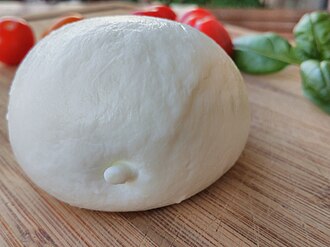
Photo: Wikipedia
Mozzarella is a semi-soft, stretched-curd cheese prized for its milky, delicate flavor and uniquely elastic, springy texture. When fresh, it's moist and tender; when low-moisture, it's firmer and ideal for melting. Nutritionally, it's a protein powerhouse with a high fat content, making it a satisfying, energy-dense food.
Calorie split: 32% protein · 6% carbs · 62% fat
↓ Full nutrition💚 Why it's loved
People adore mozzarella for its mild, milky taste and unparalleled meltability, which creates that iconic, satisfying cheese pull. Its versatility makes it a star in everything from simple Caprese salads to complex baked dishes, deeply embedded in Italian culinary tradition.
⚠️ Watch-outs & how to enjoy it better
The high saturated fat and calorie density can be a concern for those monitoring heart health or calorie intake. It's also a common dairy allergen and can be high in sodium. To mitigate, pair it with fiber-rich vegetables (like in a salad) or use it as a flavorful accent rather than the main component. Opting for part-skim varieties can reduce fat content.
Key benefits
- Excellent source of complete protein for muscle maintenance
- Rich in calcium for bone and dental health
- Provides conjugated linoleic acid (CLA), a beneficial fatty acid
- Contains phosphorus, essential for energy metabolism
- Low in carbohydrates, suitable for low-carb diets
🍽️ Popular dishes
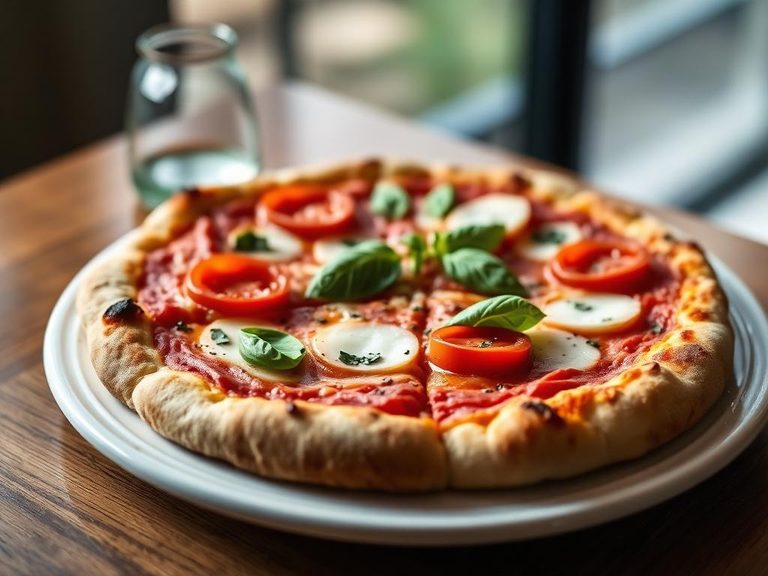
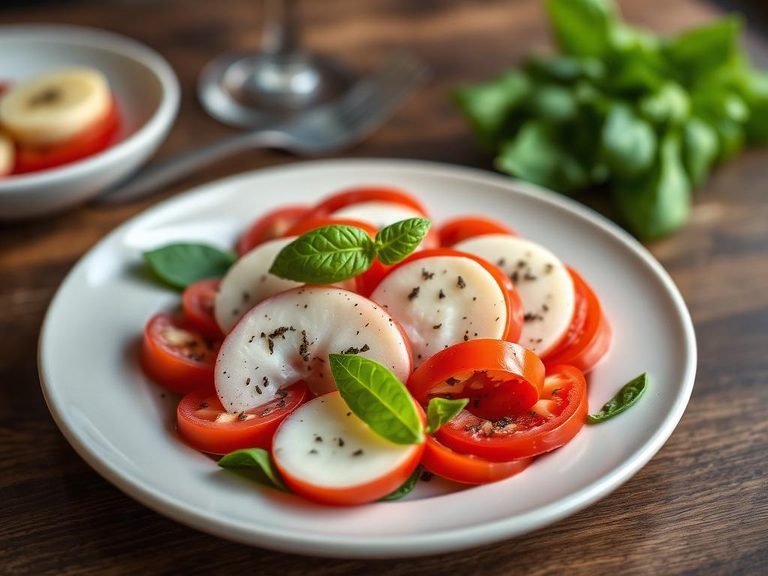
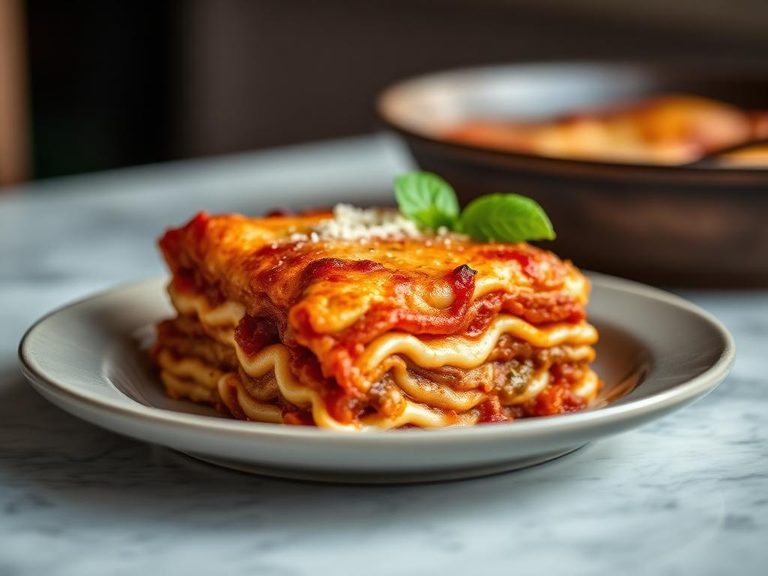
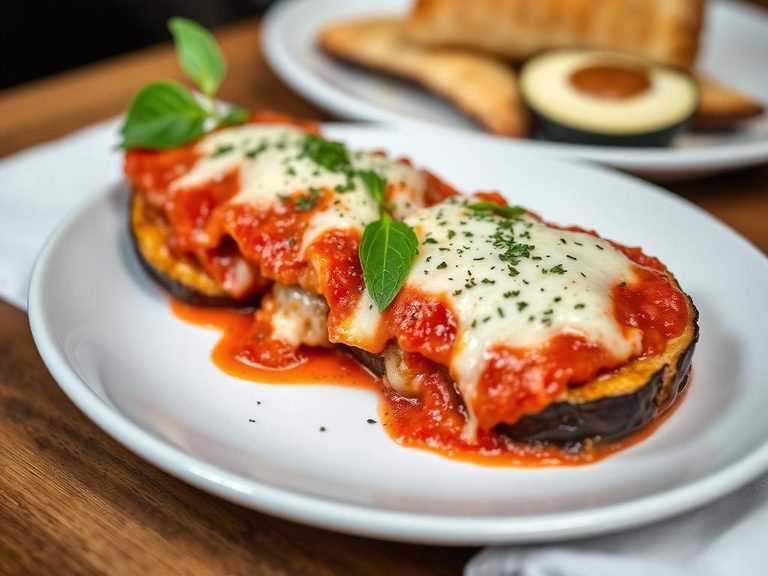
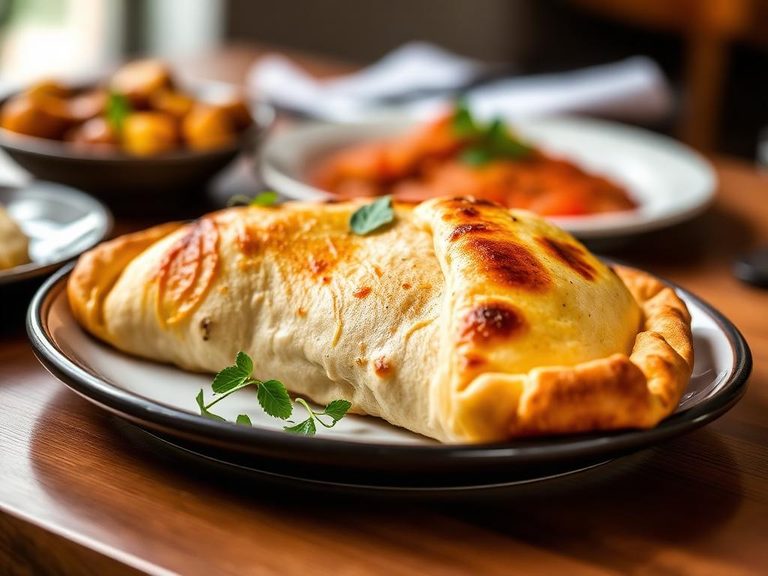
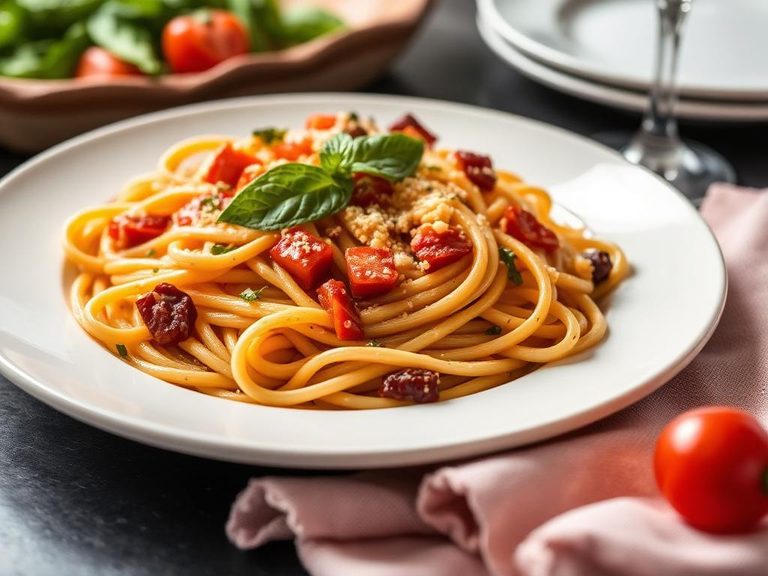
🌍 Where it's eaten
💡 Did you know?
True fresh mozzarella di bufala must be made from the milk of Italian water buffalo raised in specific regions, and its high-fat, high-protein milk is what gives it that exceptionally creamy texture.
Full nutrition (USDA data · scales with serving)
| Water | 47.7 g |
| Energy | 296 kcal |
| Protein | 23.7 g |
| Total lipid (fat) | 20.4 g |
| Carbohydrate, by difference | 4.4 g |
| Fiber, total dietary | 0.00 g |
| Total Sugars | 1.8 g |
| Calcium, Ca | 693 mg |
| Iron, Fe | 0.20 mg |
| Magnesium, Mg | 27.0 mg |
| Phosphorus, P | 533 mg |
| Potassium, K | 116 mg |
| Sodium, Na | 699 mg |
| Zinc, Zn | 3.6 mg |
| Copper, Cu | 0.04 mg |
| Selenium, Se | 26.7 ug |
| Vitamin C, total ascorbic acid | 0.00 mg |
| Thiamin | 0.02 mg |
| Riboflavin | 0.36 mg |
| Niacin | 0.10 mg |
| Vitamin B-6 | 0.09 mg |
| Folate, total | 26.0 ug |
| Folic acid | 0.00 ug |
| Folate, food | 26.0 ug |
| Folate, DFE | 26.0 ug |
| Choline, total | 13.5 mg |
| Vitamin B-12 | 1.6 ug |
| Vitamin B-12, added | 0.00 ug |
| Vitamin A, RAE | 203 ug |
| Retinol | 203 ug |
| Carotene, beta | 0.00 ug |
| Carotene, alpha | 0.00 ug |
| Cryptoxanthin, beta | 0.00 ug |
| Lycopene | 0.00 ug |
| Lutein + zeaxanthin | 0.00 ug |
| Vitamin E (alpha-tocopherol) | 0.51 mg |
| Vitamin E, added | 0.00 mg |
| Vitamin D (D2 + D3) | 0.40 ug |
| Vitamin K (phylloquinone) | 1.3 ug |
| Alcohol, ethyl | 0.00 g |
| Caffeine | 0.00 mg |
| Theobromine | 0.00 mg |
Fat & fatty acid profile (per 100g)
| Fatty acids, total saturated | 11.7 g |
| SFA 4:0 | 0.40 g |
| SFA 6:0 | 0.33 g |
| SFA 8:0 | 0.21 g |
| SFA 10:0 | 0.51 g |
| SFA 12:0 | 0.58 g |
| SFA 14:0 | 1.9 g |
| SFA 16:0 | 5.4 g |
| SFA 18:0 | 2.0 g |
| Fatty acids, total monounsaturated | 4.7 g |
| MUFA 16:1 | 0.33 g |
| MUFA 18:1 | 4.6 g |
| MUFA 20:1 | 0.04 g |
| MUFA 22:1 | 0.00 g |
| Fatty acids, total polyunsaturated | 0.74 g |
| PUFA 18:2 | 0.73 g |
| PUFA 18:3 | 0.08 g |
| PUFA 18:4 | 0.00 g |
| PUFA 20:4 | 0.03 g |
| PUFA 20:5 n-3 (EPA) | 0.01 g |
| PUFA 22:5 n-3 (DPA) | 0.01 g |
| PUFA 22:6 n-3 (DHA) | 0.00 g |
| Cholesterol | 65.0 mg |
Amino acid profile (per 100g)
Estimated from Crackers, cheese, sandwich-type with cheese filling — USDA does not publish this profile for Cheese.
| Tryptophan | 0.11 g |
| Threonine | 0.33 g |
| Isoleucine | 0.36 g |
| Leucine | 0.64 g |
| Lysine | 0.39 g |
| Methionine | 0.15 g |
| Cystine | 0.15 g |
| Phenylalanine | 0.35 g |
| Tyrosine | 0.25 g |
| Valine | 0.38 g |
| Arginine | 0.29 g |
| Histidine | 0.17 g |
| Alanine | 0.30 g |
| Aspartic acid | 0.52 g |
| Glutamic acid | 2.2 g |
| Glycine | 0.24 g |
| Proline | 0.77 g |
| Serine | 0.40 g |
FAQ
What's the difference between fresh and low-moisture mozzarella?
Fresh mozzarella is soft, moist, and sold in liquid; it's best eaten soon and has a delicate flavor. Low-moisture mozzarella is firmer, saltier, and has better melting and browning properties, making it the standard for pizza.
Why does my mozzarella release so much water when cooked?
This is especially common with fresh mozzarella due to its high moisture content. To prevent a soggy pizza or dish, slice it and let it drain on paper towels for 15-30 minutes before using, or opt for low-moisture varieties.
Is mozzarella a good source of probiotics?
Some traditionally made, raw-milk mozzarellas can contain live, active cultures from the fermentation process, which may offer probiotic benefits. However, most commercial, pasteurized versions do not.
Nutrient density (calculated · NRF9.3)
Nutrient Rich Foods index: beneficial nutrients (protein, fiber, vitamins, minerals) minus saturated fat, added sugar & sodium, per 100 kcal.
NRF9.3 index — Fulgoni, Keast & Drewnowski, 2009. Computed from USDA nutrients.
Weight-loss friendliness (composite index)
Energy density 2.96 kcal/g · 32% calories from protein · 0.0 g fiber · 1.8 g sugar per 100 g.
Composite of energy density (Rolls et al., 1999), protein & fiber satiety, minus sugar. A calculated heuristic — ranks satiety-per-calorie, not a clinical measure.
Dietary load (calculated from USDA values)
Potential renal acid load. Positive = acid-forming, negative = alkaline-forming.
Sodium-to-potassium ratio: 6.03 (lower is better — aim for ≤ 1)
Sodium:potassium per WHO potassium guidance. Computed from USDA nutrients.