

Cheese, Monterey, reduced fat
Common food

Photo: Wikipedia
Reduced-fat Monterey Jack is a semi-soft, mild, and creamy cheese with a buttery flavor and a smooth, supple texture that melts beautifully. It's a smart, protein-packed choice, delivering over 28 grams of protein per 100 grams with significantly less fat than its full-fat counterpart. The cheese has a pale, ivory color and a clean, milky taste that becomes richer when heated.
Calorie split: 36% protein · 1% carbs · 63% fat
↓ Full nutrition💚 Why it's loved
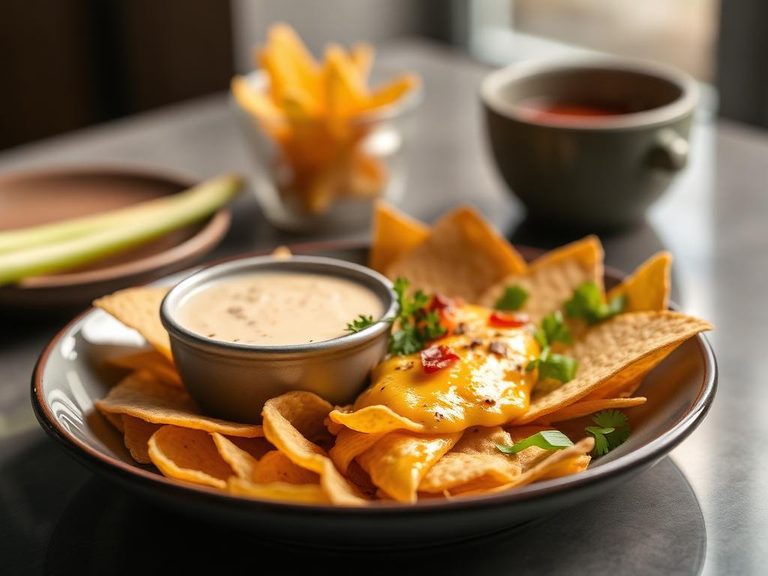
People love it for its incredibly versatile, mild flavor that complements rather than dominates other ingredients, making it a perfect melting cheese for everything from nachos to omelets. Its smooth, non-greasy melt and creamy texture are prized in both American and Mexican-inspired cooking.
⚠️ Watch-outs & how to enjoy it better
The primary caution is its sodium content, which is typical for cheese; those monitoring salt intake should use portion control. As a dairy product, it contains lactose and milk proteins, which are common allergens. To mitigate sodium, pair it with potassium-rich foods like fresh tomatoes or avocados, and use it as a flavorful accent rather than the main component of a dish.
Key benefits
- Excellent source of high-quality protein (28.2g per 100g)
- Very low in carbohydrates and sugars, making it keto-friendly
- Good source of calcium for bone health
- Lower in fat and calories than traditional Monterey Jack
- Melts smoothly without excessive oil release
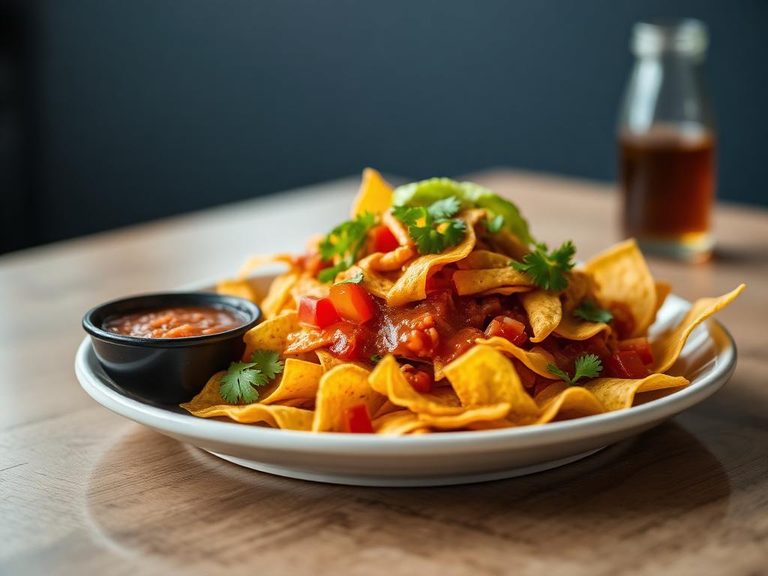
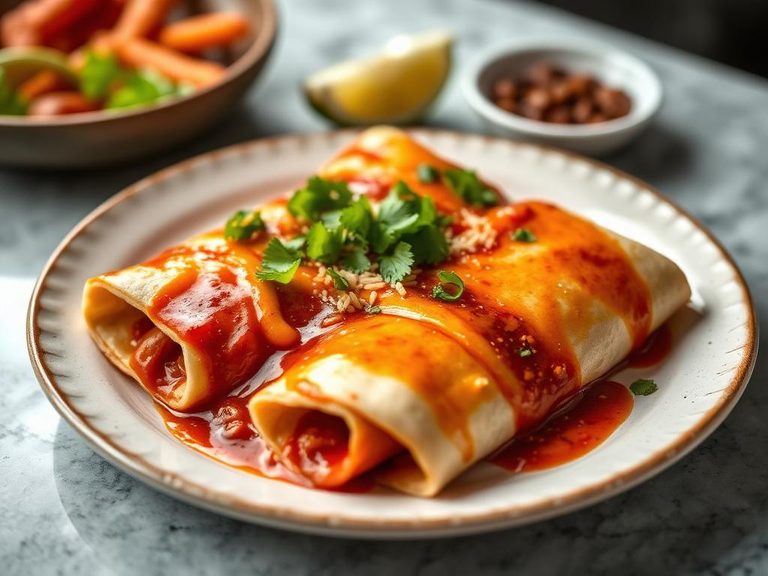
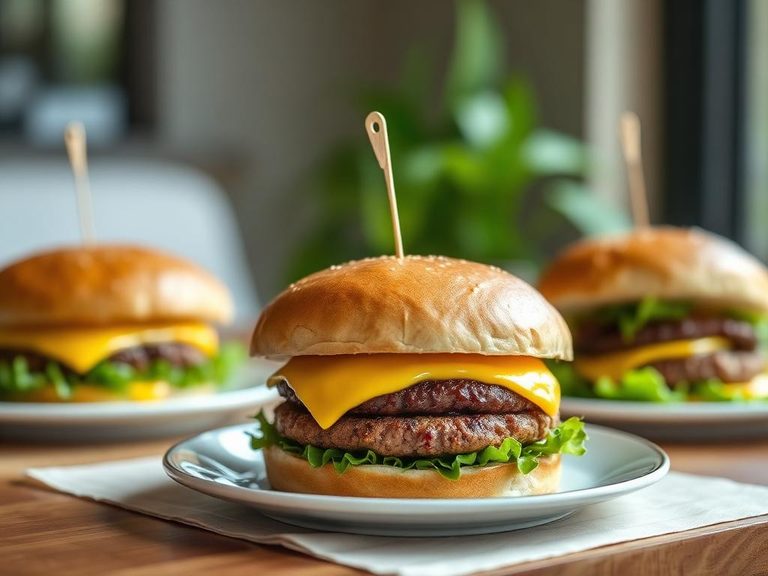
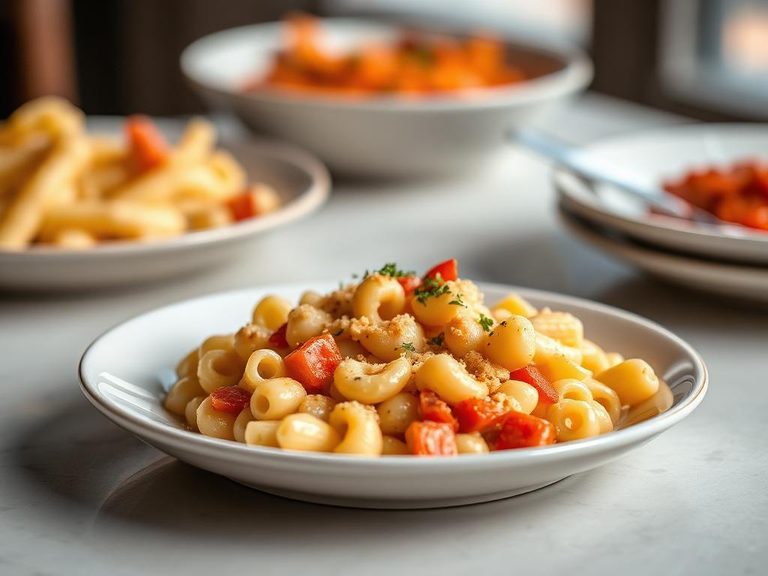
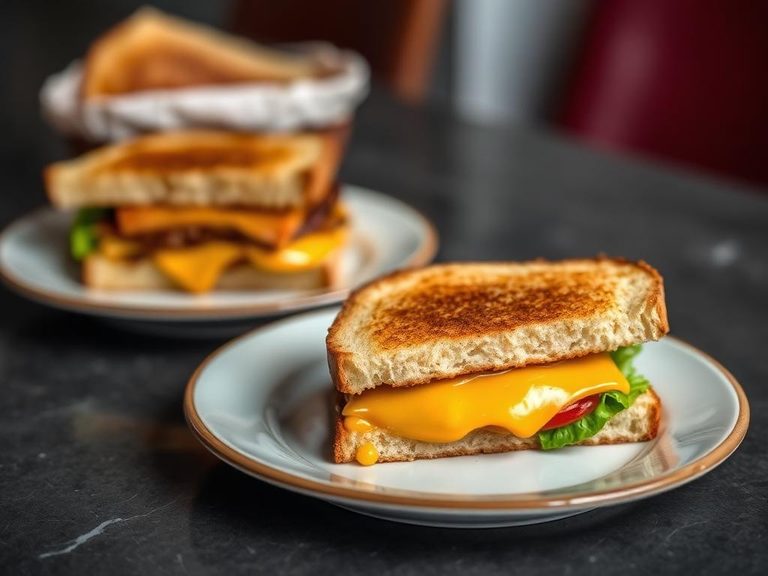
🍽️ Popular dishes
🌍 Where it's eaten
💡 Did you know?
Monterey Jack cheese originates from the Franciscan friars of Monterey, California, and was later popularized by a Scottish-American businessman named David Jack, who began mass-producing and marketing it simply as 'Jack's Cheese.'
Full nutrition (USDA data · scales with serving)
| Water | 46.0 g |
| Energy | 313 kcal |
| Protein | 28.2 g |
| Total lipid (fat) | 21.6 g |
| Carbohydrate, by difference | 0.70 g |
| Fiber, total dietary | 0.00 g |
| Total Sugars | 0.56 g |
| Calcium, Ca | 705 mg |
| Iron, Fe | 0.72 mg |
| Magnesium, Mg | 27.0 mg |
| Phosphorus, P | 444 mg |
| Potassium, K | 81.0 mg |
| Sodium, Na | 781 mg |
| Zinc, Zn | 3.0 mg |
| Copper, Cu | 0.03 mg |
| Selenium, Se | 14.5 ug |
| Vitamin C, total ascorbic acid | 0.00 mg |
| Thiamin | 0.02 mg |
| Riboflavin | 0.36 mg |
| Niacin | 0.09 mg |
| Vitamin B-6 | 0.08 mg |
| Folate, total | 18.0 ug |
| Folic acid | 0.00 ug |
| Folate, food | 18.0 ug |
| Folate, DFE | 18.0 ug |
| Choline, total | 15.4 mg |
| Vitamin B-12 | 0.83 ug |
| Vitamin B-12, added | 0.00 ug |
| Vitamin A, RAE | 142 ug |
| Retinol | 137 ug |
| Carotene, beta | 55.0 ug |
| Carotene, alpha | 0.00 ug |
| Cryptoxanthin, beta | 0.00 ug |
| Lycopene | 0.00 ug |
| Lutein + zeaxanthin | 0.00 ug |
| Vitamin E (alpha-tocopherol) | 0.19 mg |
| Vitamin E, added | 0.00 mg |
| Vitamin D (D2 + D3) | 0.40 ug |
| Vitamin K (phylloquinone) | 1.8 ug |
| Alcohol, ethyl | 0.00 g |
| Caffeine | 0.00 mg |
| Theobromine | 0.00 mg |
Fat & fatty acid profile (per 100g)
| Fatty acids, total saturated | 14.0 g |
| SFA 4:0 | 1.1 g |
| SFA 6:0 | 0.12 g |
| SFA 8:0 | 0.24 g |
| SFA 10:0 | 0.48 g |
| SFA 12:0 | 0.36 g |
| SFA 14:0 | 2.0 g |
| SFA 16:0 | 6.4 g |
| SFA 18:0 | 2.3 g |
| Fatty acids, total monounsaturated | 5.6 g |
| MUFA 16:1 | 0.84 g |
| MUFA 18:1 | 4.6 g |
| MUFA 20:1 | 0.00 g |
| MUFA 22:1 | 0.00 g |
| Fatty acids, total polyunsaturated | 0.84 g |
| PUFA 18:2 | 0.60 g |
| PUFA 18:3 | 0.24 g |
| PUFA 18:4 | 0.00 g |
| PUFA 20:4 | 0.00 g |
| PUFA 20:5 n-3 (EPA) | 0.00 g |
| PUFA 22:5 n-3 (DPA) | 0.00 g |
| PUFA 22:6 n-3 (DHA) | 0.00 g |
| Cholesterol | 65.0 mg |
Amino acid profile (per 100g)
Estimated from Crackers, cheese, sandwich-type with cheese filling — USDA does not publish this profile for Cheese.
| Tryptophan | 0.11 g |
| Threonine | 0.33 g |
| Isoleucine | 0.36 g |
| Leucine | 0.64 g |
| Lysine | 0.39 g |
| Methionine | 0.15 g |
| Cystine | 0.15 g |
| Phenylalanine | 0.35 g |
| Tyrosine | 0.25 g |
| Valine | 0.38 g |
| Arginine | 0.29 g |
| Histidine | 0.17 g |
| Alanine | 0.30 g |
| Aspartic acid | 0.52 g |
| Glutamic acid | 2.2 g |
| Glycine | 0.24 g |
| Proline | 0.77 g |
| Serine | 0.40 g |
FAQ
How does reduced-fat Monterey Jack differ from regular Monterey Jack?
Reduced-fat versions have about 30-50% less fat and fewer calories, but they maintain a similar mild flavor and good melting properties, though the texture may be slightly less creamy and rich.
Is it a good cheese for melting?
Yes, it's one of the best melting cheeses. Its high moisture content and smooth texture allow it to melt evenly and become gooey without becoming oily or rubbery.
What can I substitute it with in recipes?
For a similar mild, melty profile, you can use low-moisture part-skim mozzarella, mild cheddar, or a blend of the two. For a closer match, look for other reduced-fat semi-soft cheeses like Havarti.
Nutrient density (calculated · NRF9.3)
Nutrient Rich Foods index: beneficial nutrients (protein, fiber, vitamins, minerals) minus saturated fat, added sugar & sodium, per 100 kcal.
NRF9.3 index — Fulgoni, Keast & Drewnowski, 2009. Computed from USDA nutrients.
Weight-loss friendliness (composite index)
Energy density 3.13 kcal/g · 36% calories from protein · 0.0 g fiber · 0.6 g sugar per 100 g.
Composite of energy density (Rolls et al., 1999), protein & fiber satiety, minus sugar. A calculated heuristic — ranks satiety-per-calorie, not a clinical measure.
Dietary load (calculated from USDA values)
Potential renal acid load. Positive = acid-forming, negative = alkaline-forming.
Sodium-to-potassium ratio: 9.64 (lower is better — aim for ≤ 1)
Sodium:potassium per WHO potassium guidance. Computed from USDA nutrients.