

Cheese, American and Swiss blends
Common food

Photo: Wikipedia
This is a pre-shredded or sliced blend of mild, creamy American cheese and nutty, firm Swiss cheese, creating a marbled mix of orange and pale yellow. The texture is semi-soft and melts into a smooth, gooey consistency with a balanced, savory flavor that's less sharp than pure Swiss and more complex than plain American. It's a calorie-dense, high-fat and high-protein option, delivering over 27 grams of fat per 100 grams.
Calorie split: 20% protein · 8% carbs · 72% fat
↓ Full nutrition💚 Why it's loved
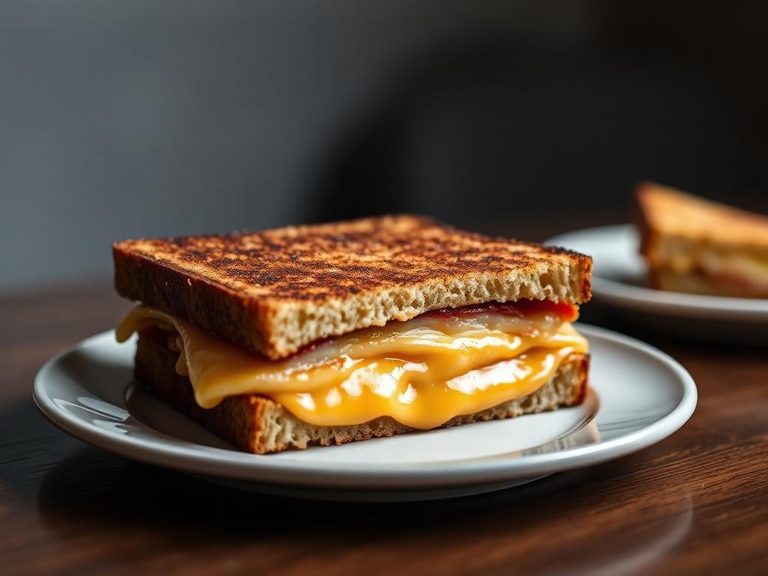
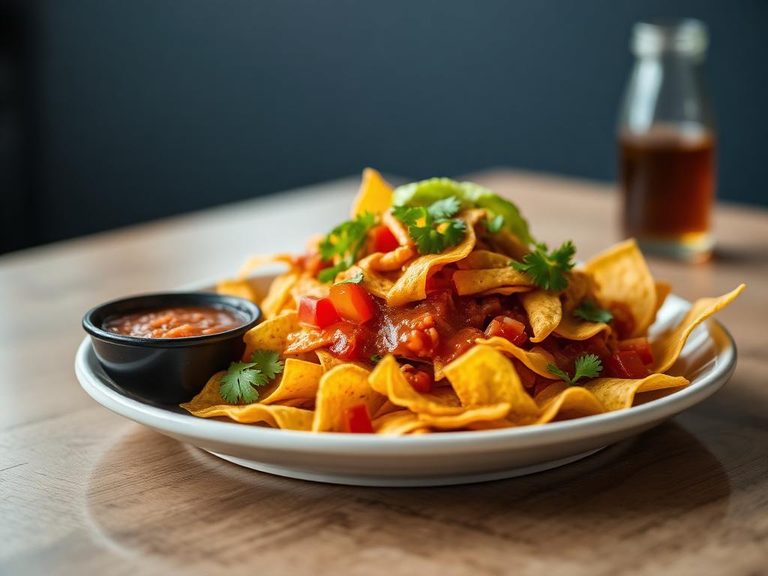
People love it for its foolproof melting quality and crowd-pleasing taste, making it a staple for quick grilled cheese sandwiches, nachos, and casseroles. Its cultural familiarity and convenience make it a go-to for family meals and comfort food.
⚠️ Watch-outs & how to enjoy it better
The blend is high in saturated fat and sodium, which can be a concern for heart health and blood pressure management. It's also a common dairy allergen. To counteract, use strict portion control (stick to a 1-ounce serving) and pair it with fiber-rich foods like whole-grain bread or a side salad to help manage the overall glycemic impact and add nutrients.
Key benefits
- Excellent source of complete protein for muscle maintenance.
- Provides calcium and phosphorus for bone health.
- Convenient pre-blended format for quick cooking and melting.
- Offers a balanced, approachable flavor profile for various palates.
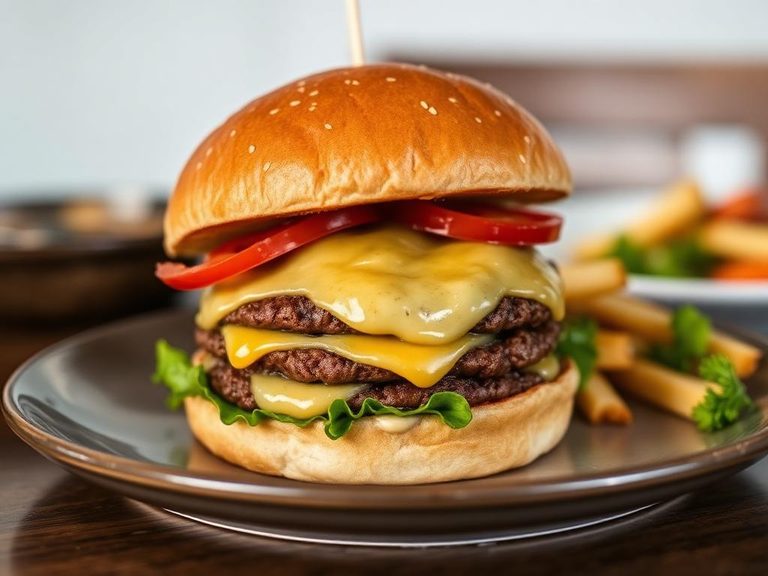
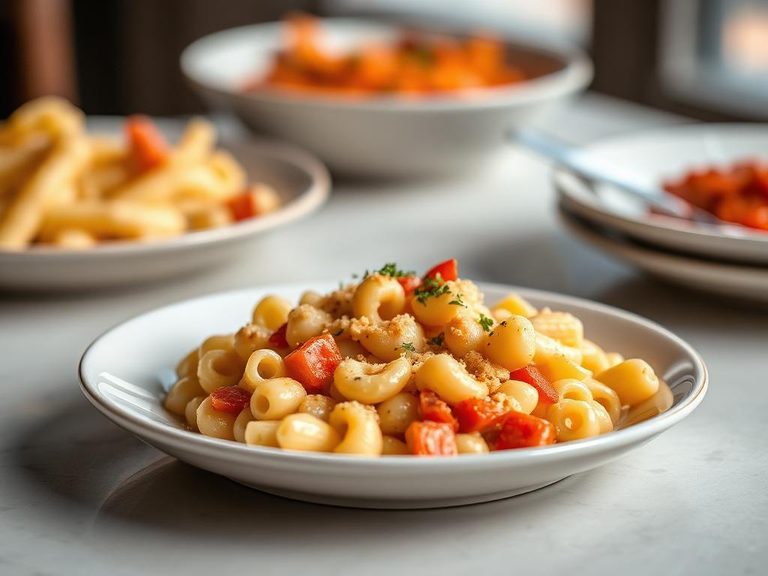
🍽️ Popular dishes
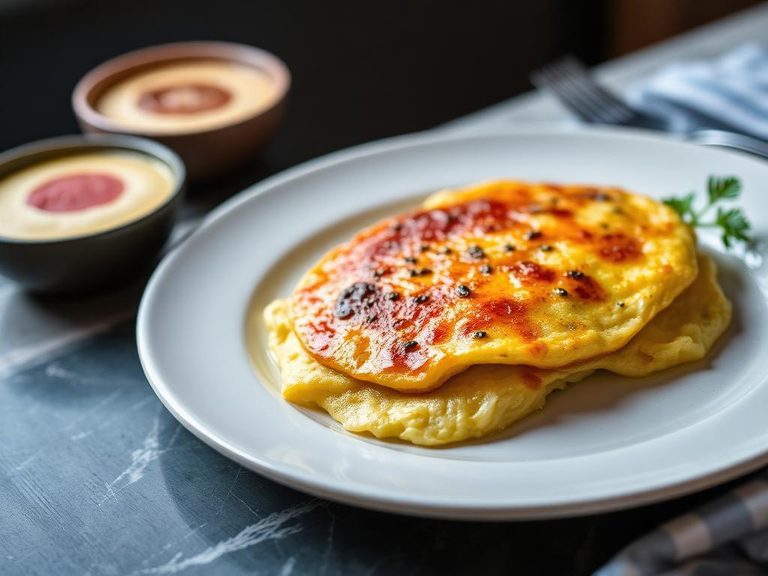
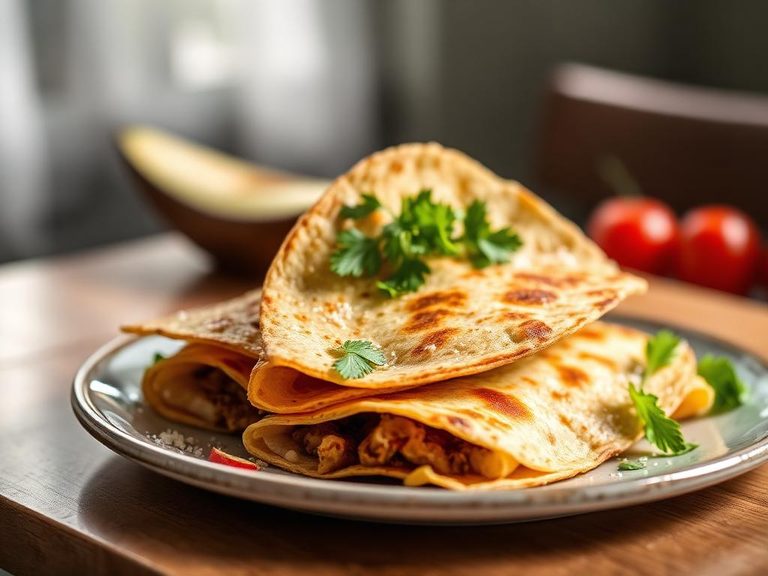
🌍 Where it's eaten
💡 Did you know?
The 'American' cheese in the blend is technically a 'pasteurized process cheese food,' a designation that requires it to contain at least 2% whey and allows for emulsifying salts to prevent separation when melted, which is why it melts so smoothly compared to natural cheeses.
Full nutrition (USDA data · scales with serving)
| Water | 42.2 g |
| Energy | 340 kcal |
| Protein | 16.8 g |
| Total lipid (fat) | 27.2 g |
| Carbohydrate, by difference | 7.2 g |
| Fiber, total dietary | 0.00 g |
| Total Sugars | 4.7 g |
| Calcium, Ca | 1062 mg |
| Iron, Fe | 0.74 mg |
| Magnesium, Mg | 30.0 mg |
| Phosphorus, P | 642 mg |
| Potassium, K | 207 mg |
| Sodium, Na | 1430 mg |
| Zinc, Zn | 2.4 mg |
| Copper, Cu | 0.03 mg |
| Selenium, Se | 18.3 ug |
| Vitamin C, total ascorbic acid | 0.00 mg |
| Thiamin | 0.03 mg |
| Riboflavin | 0.34 mg |
| Niacin | 0.13 mg |
| Vitamin B-6 | 0.09 mg |
| Folate, total | 13.0 ug |
| Folic acid | 0.00 ug |
| Folate, food | 13.0 ug |
| Folate, DFE | 13.0 ug |
| Choline, total | 27.5 mg |
| Vitamin B-12 | 1.5 ug |
| Vitamin B-12, added | 0.00 ug |
| Vitamin A, RAE | 262 ug |
| Retinol | 250 ug |
| Carotene, beta | 137 ug |
| Carotene, alpha | 0.00 ug |
| Cryptoxanthin, beta | 14.0 ug |
| Lycopene | 0.00 ug |
| Lutein + zeaxanthin | 38.0 ug |
| Vitamin E (alpha-tocopherol) | 0.82 mg |
| Vitamin E, added | 0.00 mg |
| Vitamin D (D2 + D3) | 6.5 ug |
| Vitamin K (phylloquinone) | 3.2 ug |
| Alcohol, ethyl | 0.00 g |
| Caffeine | 0.00 mg |
| Theobromine | 0.00 mg |
Fat & fatty acid profile (per 100g)
| Fatty acids, total saturated | 15.6 g |
| SFA 4:0 | 0.54 g |
| SFA 6:0 | 0.44 g |
| SFA 8:0 | 0.29 g |
| SFA 10:0 | 0.68 g |
| SFA 12:0 | 0.79 g |
| SFA 14:0 | 2.5 g |
| SFA 16:0 | 7.2 g |
| SFA 18:0 | 2.7 g |
| Fatty acids, total monounsaturated | 6.1 g |
| MUFA 16:1 | 0.43 g |
| MUFA 18:1 | 6.0 g |
| MUFA 20:1 | 0.09 g |
| MUFA 22:1 | 0.00 g |
| Fatty acids, total polyunsaturated | 1.1 g |
| PUFA 18:2 | 0.91 g |
| PUFA 18:3 | 0.12 g |
| PUFA 18:4 | 0.01 g |
| PUFA 20:4 | 0.04 g |
| PUFA 20:5 n-3 (EPA) | 0.01 g |
| PUFA 22:5 n-3 (DPA) | 0.02 g |
| PUFA 22:6 n-3 (DHA) | 0.00 g |
| Cholesterol | 87.0 mg |
Amino acid profile (per 100g)
Estimated from Crackers, cheese, sandwich-type with cheese filling — USDA does not publish this profile for Cheese.
| Tryptophan | 0.11 g |
| Threonine | 0.33 g |
| Isoleucine | 0.36 g |
| Leucine | 0.64 g |
| Lysine | 0.39 g |
| Methionine | 0.15 g |
| Cystine | 0.15 g |
| Phenylalanine | 0.35 g |
| Tyrosine | 0.25 g |
| Valine | 0.38 g |
| Arginine | 0.29 g |
| Histidine | 0.17 g |
| Alanine | 0.30 g |
| Aspartic acid | 0.52 g |
| Glutamic acid | 2.2 g |
| Glycine | 0.24 g |
| Proline | 0.77 g |
| Serine | 0.40 g |
FAQ
Is this blend the same as 'American cheese'?
No, it's a specific mix. 'American cheese' is a single, uniform processed cheese. This blend contains both American and Swiss cheeses, giving it a more varied flavor and appearance with visible shreds or marbling.
Why does it melt so well for things like grilled cheese?
The American cheese component contains emulsifying salts (like sodium citrate) that stabilize the proteins and fats, preventing the cheese from becoming oily or grainy when heated. The Swiss cheese adds flavor while the American ensures a perfect melt.
Can I use this in a charcuterie board?
While possible, it's not ideal. This blend is designed for cooking and melting. For a charcuterie board, you'd typically choose whole slices or blocks of distinct cheeses (like a separate block of Swiss and a slice of sharp cheddar) for better texture and presentation.
Nutrient density (calculated · NRF9.3)
Nutrient Rich Foods index: beneficial nutrients (protein, fiber, vitamins, minerals) minus saturated fat, added sugar & sodium, per 100 kcal.
NRF9.3 index — Fulgoni, Keast & Drewnowski, 2009. Computed from USDA nutrients.
Weight-loss friendliness (composite index)
Energy density 3.40 kcal/g · 20% calories from protein · 0.0 g fiber · 4.7 g sugar per 100 g.
Composite of energy density (Rolls et al., 1999), protein & fiber satiety, minus sugar. A calculated heuristic — ranks satiety-per-calorie, not a clinical measure.
Dietary load (calculated from USDA values)
Potential renal acid load. Positive = acid-forming, negative = alkaline-forming.
Sodium-to-potassium ratio: 6.91 (lower is better — aim for ≤ 1)
Sodium:potassium per WHO potassium guidance. Computed from USDA nutrients.