

Carrots, frozen, cooked, no added fat
Common food

Photo: Wikipedia
Frozen carrots, cooked without added fat, are a convenient and nutrient-dense staple. They offer a tender, slightly sweet flavor and a soft, uniform texture that holds up well in a variety of dishes. With only 39 calories per 100g, they are an excellent source of fiber and a standout for their natural beta-carotene content.
Calorie split: 8% protein · 81% carbs · 11% fat
↓ Full nutrition💚 Why it's loved
People love frozen cooked carrots for their unmatched convenience and consistent, sweet flavor. They are a versatile, time-saving ingredient that can be instantly added to soups, stews, casseroles, or served as a simple side dish.
⚠️ Watch-outs & how to enjoy it better
The soft, uniform texture from freezing and cooking can be less appealing to those who prefer a crisp, fresh bite. For individuals monitoring blood sugar, the natural sugars (4.19g per 100g) can contribute to spikes if consumed in large portions alone. To counteract this, pair them with a source of protein (like chicken or beans) or healthy fat (like a drizzle of olive oil) to slow sugar absorption and enhance satiety.
Key benefits
- Excellent source of beta-carotene, a precursor to vitamin A.
- High in dietary fiber, supporting digestive health.
- Very low in calories and naturally fat-free.
- Convenient and reduces food waste with a long shelf life.
- Retains most nutrients from fresh carrots due to flash-freezing.
🍽️ Popular dishes

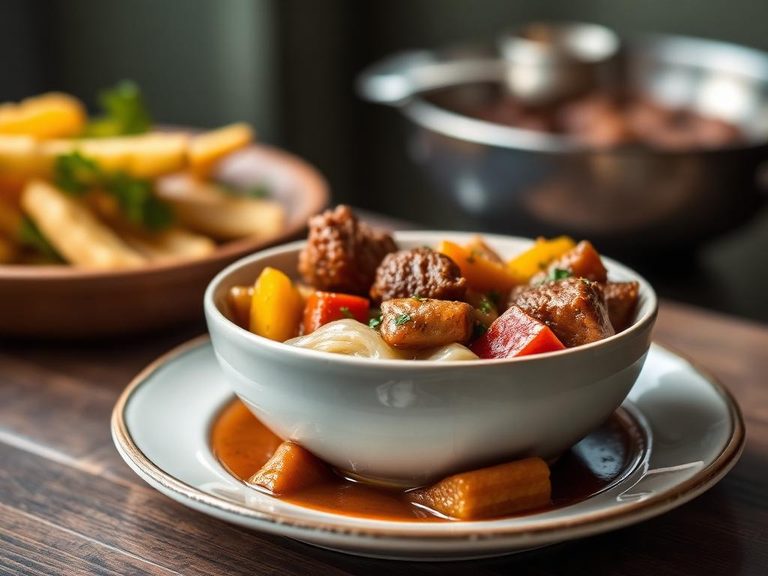
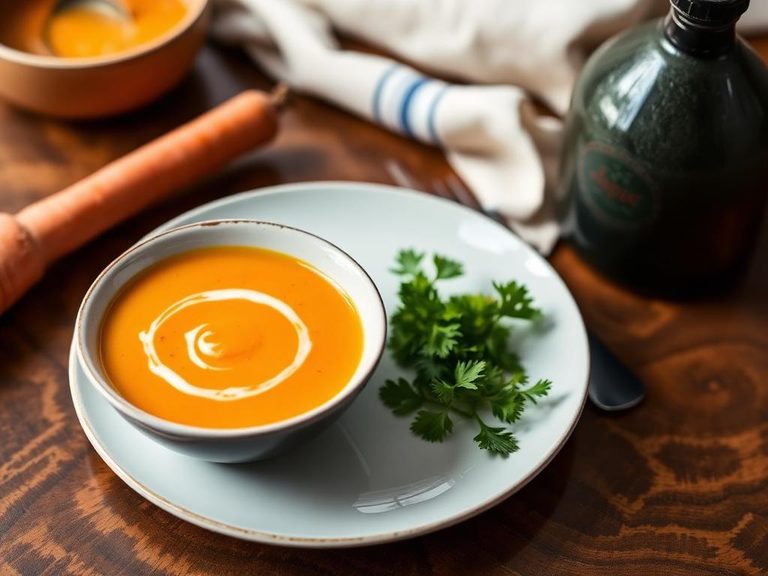
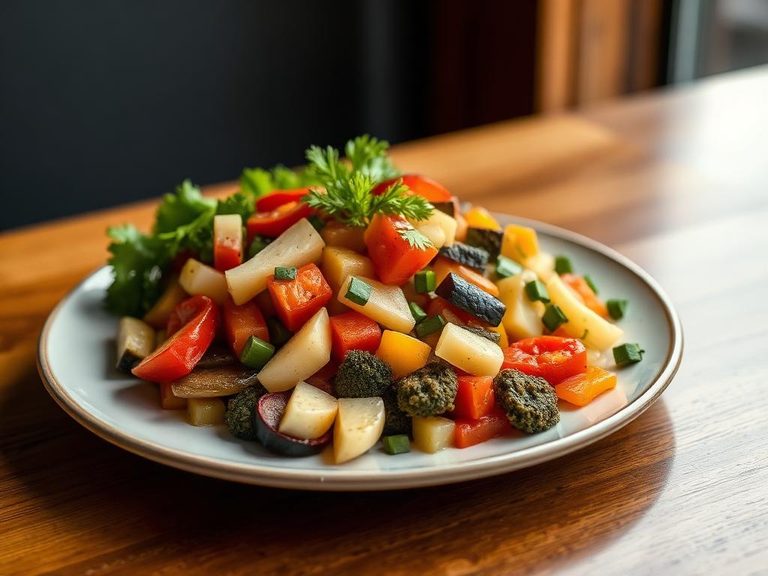
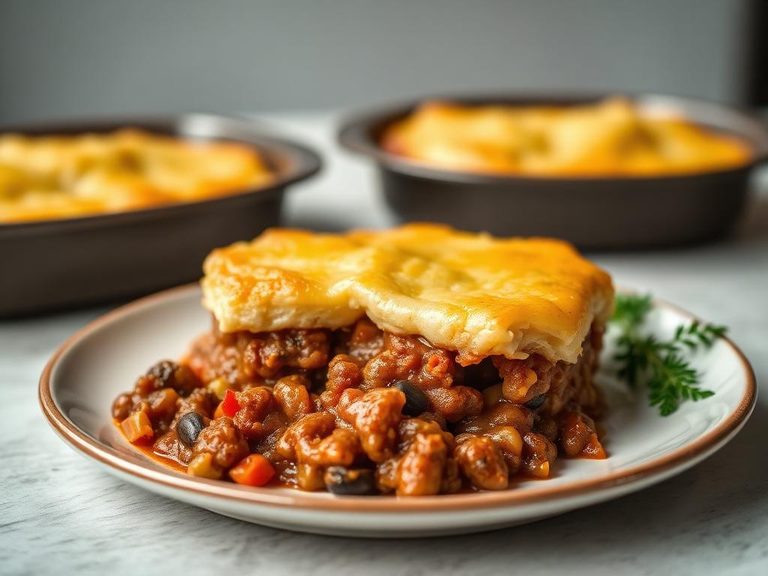
🌍 Where it's eaten
💡 Did you know?
The beta-carotene in carrots is more bioavailable (easier for your body to absorb) when they are cooked, especially with a small amount of fat.
Full nutrition (USDA data · scales with serving)
| Water | 89.8 g |
| Energy | 39.0 kcal |
| Protein | 0.81 g |
| Total lipid (fat) | 0.47 g |
| Carbohydrate, by difference | 7.9 g |
| Fiber, total dietary | 3.2 g |
| Total Sugars | 4.2 g |
| Calcium, Ca | 33.0 mg |
| Iron, Fe | 0.43 mg |
| Magnesium, Mg | 11.0 mg |
| Phosphorus, P | 31.0 mg |
| Potassium, K | 209 mg |
| Sodium, Na | 182 mg |
| Zinc, Zn | 0.28 mg |
| Copper, Cu | 0.08 mg |
| Selenium, Se | 0.60 ug |
| Vitamin C, total ascorbic acid | 2.2 mg |
| Thiamin | 0.04 mg |
| Riboflavin | 0.05 mg |
| Niacin | 0.46 mg |
| Vitamin B-6 | 0.09 mg |
| Folate, total | 7.0 ug |
| Folic acid | 0.00 ug |
| Folate, food | 7.0 ug |
| Folate, DFE | 7.0 ug |
| Choline, total | 8.6 mg |
| Vitamin B-12 | 0.00 ug |
| Vitamin B-12, added | 0.00 ug |
| Vitamin A, RAE | 843 ug |
| Retinol | 0.00 ug |
| Carotene, beta | 8174 ug |
| Carotene, alpha | 3705 ug |
| Cryptoxanthin, beta | 0.00 ug |
| Lycopene | 0.00 ug |
| Lutein + zeaxanthin | 674 ug |
| Vitamin E (alpha-tocopherol) | 0.69 mg |
| Vitamin E, added | 0.00 mg |
| Vitamin D (D2 + D3) | 0.00 ug |
| Vitamin K (phylloquinone) | 15.0 ug |
| Alcohol, ethyl | 0.00 g |
| Caffeine | 0.00 mg |
| Theobromine | 0.00 mg |
Fat & fatty acid profile (per 100g)
| Fatty acids, total saturated | 0.00 g |
| SFA 4:0 | 0.00 g |
| SFA 6:0 | 0.00 g |
| SFA 8:0 | 0.00 g |
| SFA 10:0 | 0.00 g |
| SFA 12:0 | 0.00 g |
| SFA 14:0 | 0.00 g |
| SFA 16:0 | 0.00 g |
| SFA 18:0 | 0.00 g |
| Fatty acids, total monounsaturated | 0.00 g |
| MUFA 16:1 | 0.00 g |
| MUFA 18:1 | 0.00 g |
| MUFA 20:1 | 0.00 g |
| MUFA 22:1 | 0.00 g |
| Fatty acids, total polyunsaturated | 0.16 g |
| PUFA 18:2 | 0.16 g |
| PUFA 18:3 | 0.00 g |
| PUFA 18:4 | 0.00 g |
| PUFA 20:4 | 0.00 g |
| PUFA 20:5 n-3 (EPA) | 0.00 g |
| PUFA 22:5 n-3 (DPA) | 0.00 g |
| PUFA 22:6 n-3 (DHA) | 0.00 g |
| Cholesterol | 0.00 mg |
Amino acid profile (per 100g)
Estimated from Carrots, canned, no salt added, drained solids — USDA does not publish this profile for Carrots.
| Tryptophan | 0.01 g |
| Threonine | 0.02 g |
| Isoleucine | 0.03 g |
| Leucine | 0.03 g |
| Lysine | 0.03 g |
| Methionine | 0.00 g |
| Cystine | 0.01 g |
| Phenylalanine | 0.02 g |
| Tyrosine | 0.01 g |
| Valine | 0.03 g |
| Arginine | 0.03 g |
| Histidine | 0.01 g |
| Alanine | 0.04 g |
| Aspartic acid | 0.08 g |
| Glutamic acid | 0.12 g |
| Glycine | 0.02 g |
| Proline | 0.02 g |
| Serine | 0.02 g |
FAQ
Are frozen cooked carrots as nutritious as fresh?
Yes, often more so. Carrots are typically flash-frozen at peak ripeness, which locks in nutrients like beta-carotene. Cooking can further increase the bioavailability of this nutrient.
Do I need to thaw frozen cooked carrots before using them?
Not necessarily. They can be added directly to soups, stews, or sauces from frozen. For side dishes, you can reheat them in a microwave, steamer, or skillet with a splash of water.
Why are my frozen cooked carrots sometimes mushy?
This can happen if they are overcooked during reheating or if they have undergone temperature fluctuations during storage (thawing and refreezing). To prevent this, heat them just until warmed through.
Nutrient density (calculated · NRF9.3)
Nutrient Rich Foods index: beneficial nutrients (protein, fiber, vitamins, minerals) minus saturated fat, added sugar & sodium, per 100 kcal.
NRF9.3 index — Fulgoni, Keast & Drewnowski, 2009. Computed from USDA nutrients.
Weight-loss friendliness (composite index)
Energy density 0.39 kcal/g · 8% calories from protein · 3.2 g fiber · 4.2 g sugar per 100 g.
Composite of energy density (Rolls et al., 1999), protein & fiber satiety, minus sugar. A calculated heuristic — ranks satiety-per-calorie, not a clinical measure.
Dietary load (calculated from USDA values)
Potential renal acid load. Positive = acid-forming, negative = alkaline-forming.
Sodium-to-potassium ratio: 0.87 (lower is better — aim for ≤ 1)
Sodium:potassium per WHO potassium guidance. Computed from USDA nutrients.