

Cabbage, cooked, as ingredient
Common food
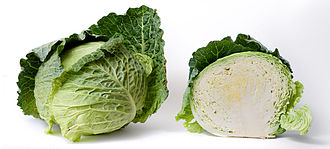
Photo: Wikipedia
Cooked cabbage transforms from a firm, peppery leaf into a tender, subtly sweet, and savory ingredient that absorbs surrounding flavors like a sponge. At just 32 kcal per 100g, it is a low-calorie, high-fiber powerhouse that provides a satisfying bulk to dishes without significant caloric load. Its mild, earthy profile makes it a foundational component in stews, stir-fries, and braises, offering a soft yet slightly crunchy texture.
Calorie split: 12% protein · 81% carbs · 7% fat
↓ Full nutrition💚 Why it's loved
People love cooked cabbage for its incredible versatility and ability to act as a flavor sponge, soaking up broths, spices, and fats to create deep, comforting dishes. It is a beloved staple in many cultures, offering a satisfying, hearty texture that feels indulgent while remaining remarkably light and nutritious.
⚠️ Watch-outs & how to enjoy it better
Some find cooked cabbage unappealing due to its sulfurous odor and potentially mushy texture if overcooked, which can be off-putting. To counteract this, avoid over-boiling; instead, steam, sauté, or roast it to maintain a pleasant bite, and pair it with acidic ingredients like vinegar or lemon to brighten the flavor and reduce the heavy, cabbagey smell.
Key benefits
- Extremely low calorie density (32 kcal/100g) aids weight management
- Rich in dietary fiber (2.6g/100g) supporting digestive health
- Provides Vitamin K and Vitamin C essential for immune function
- High water content promotes satiety and hydration
- Versatile base ingredient that absorbs savory flavors
🍽️ Popular dishes
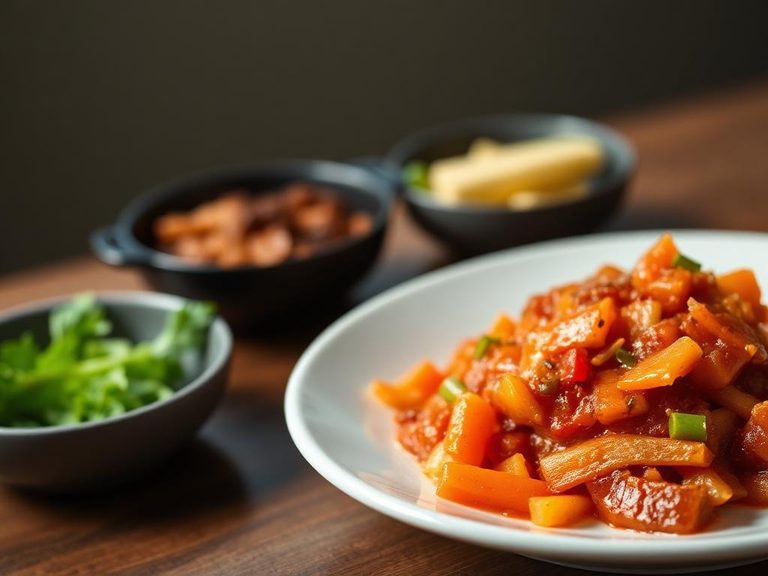
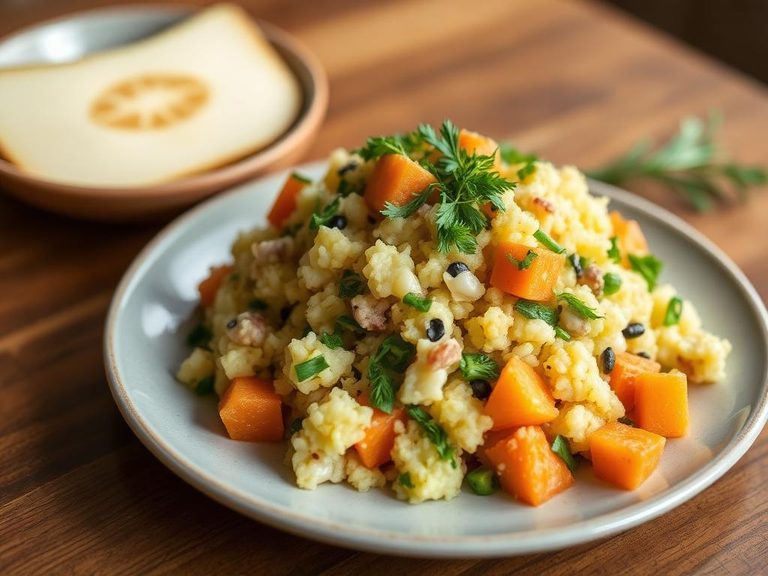
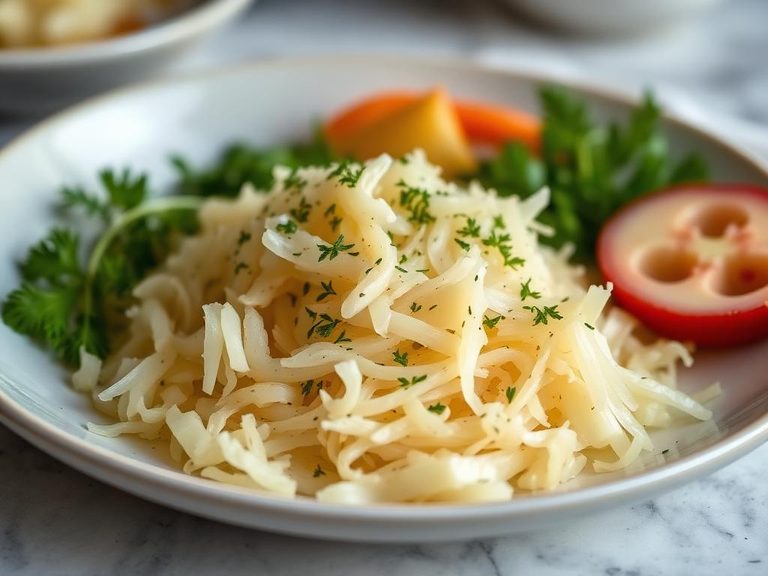
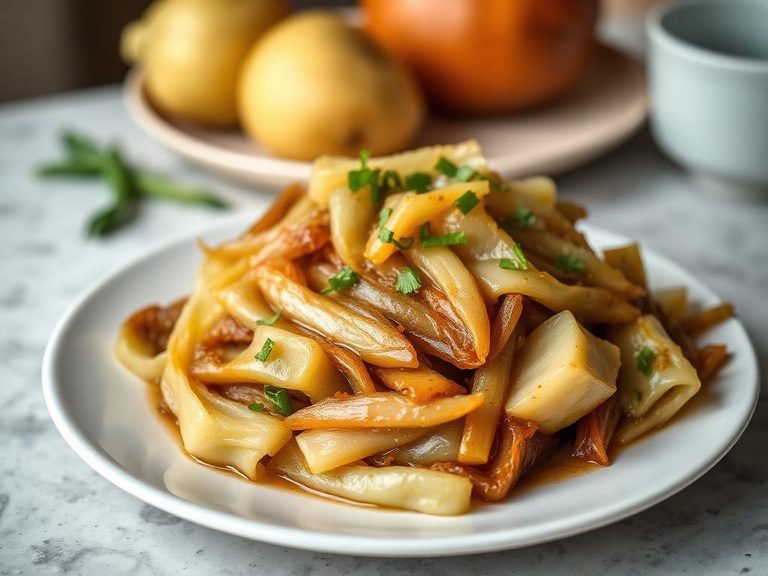
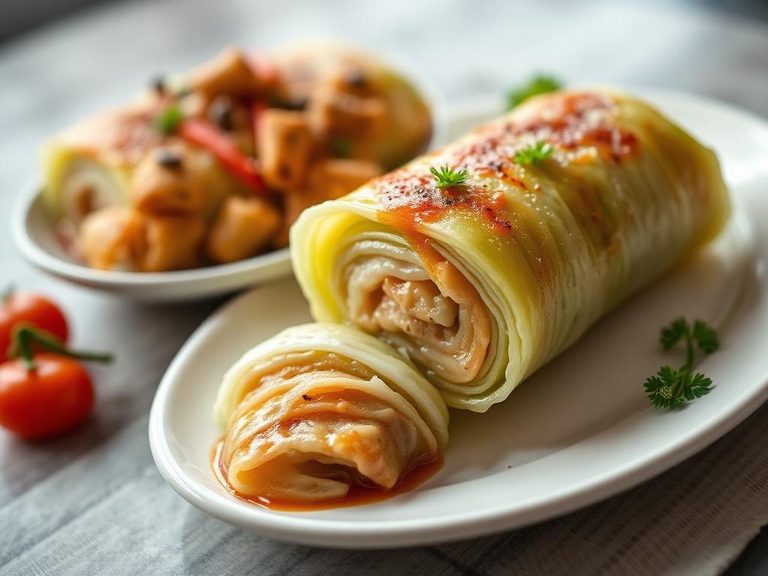
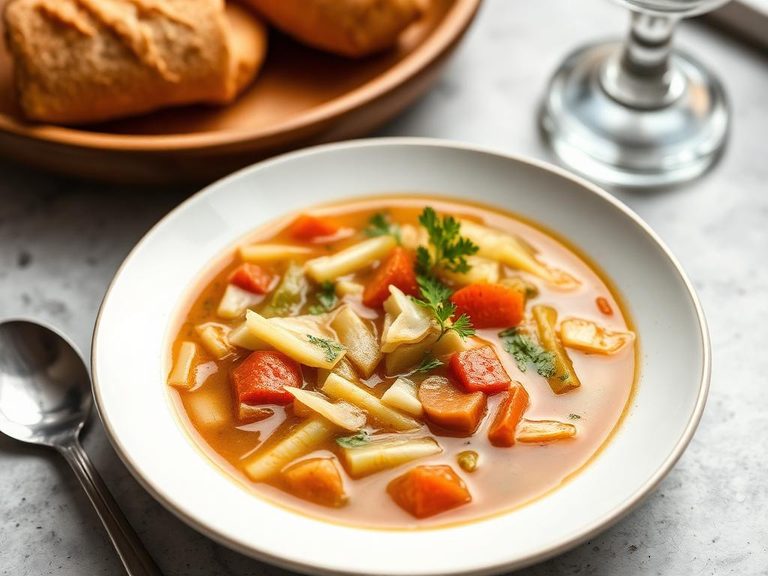
🌍 Where it's eaten
💡 Did you know?
Cabbage is a member of the Brassica family, which also includes broccoli, cauliflower, and kale, and it has been cultivated for over 4,000 years, making it one of the oldest known vegetables in human history.
Full nutrition (USDA data · scales with serving)
| Water | 91.5 g |
| Energy | 32.0 kcal |
| Protein | 1.0 g |
| Total lipid (fat) | 0.24 g |
| Carbohydrate, by difference | 6.7 g |
| Fiber, total dietary | 2.6 g |
| Total Sugars | 3.3 g |
| Calcium, Ca | 44.0 mg |
| Iron, Fe | 0.07 mg |
| Magnesium, Mg | 15.0 mg |
| Phosphorus, P | 28.0 mg |
| Potassium, K | 216 mg |
| Sodium, Na | 17.0 mg |
| Zinc, Zn | 0.22 mg |
| Copper, Cu | 0.00 mg |
| Selenium, Se | 0.30 ug |
| Vitamin C, total ascorbic acid | 35.7 mg |
| Thiamin | 0.06 mg |
| Riboflavin | 0.04 mg |
| Niacin | 0.23 mg |
| Vitamin B-6 | 0.13 mg |
| Folate, total | 38.0 ug |
| Folic acid | 0.00 ug |
| Folate, food | 38.0 ug |
| Folate, DFE | 38.0 ug |
| Choline, total | 11.1 mg |
| Vitamin B-12 | 0.00 ug |
| Vitamin B-12, added | 0.00 ug |
| Vitamin A, RAE | 5.0 ug |
| Retinol | 0.00 ug |
| Carotene, beta | 42.0 ug |
| Carotene, alpha | 33.0 ug |
| Cryptoxanthin, beta | 0.00 ug |
| Lycopene | 0.00 ug |
| Lutein + zeaxanthin | 30.0 ug |
| Vitamin E (alpha-tocopherol) | 0.16 mg |
| Vitamin E, added | 0.00 mg |
| Vitamin D (D2 + D3) | 0.00 ug |
| Vitamin K (phylloquinone) | 61.9 ug |
| Alcohol, ethyl | 0.00 g |
| Caffeine | 0.00 mg |
| Theobromine | 0.00 mg |
Fat & fatty acid profile (per 100g)
| Fatty acids, total saturated | 0.04 g |
| SFA 4:0 | 0.00 g |
| SFA 6:0 | 0.00 g |
| SFA 8:0 | 0.00 g |
| SFA 10:0 | 0.00 g |
| SFA 12:0 | 0.00 g |
| SFA 14:0 | 0.00 g |
| SFA 16:0 | 0.04 g |
| SFA 18:0 | 0.00 g |
| Fatty acids, total monounsaturated | 0.02 g |
| MUFA 16:1 | 0.00 g |
| MUFA 18:1 | 0.02 g |
| MUFA 20:1 | 0.00 g |
| MUFA 22:1 | 0.00 g |
| Fatty acids, total polyunsaturated | 0.02 g |
| PUFA 18:2 | 0.02 g |
| PUFA 18:3 | 0.00 g |
| PUFA 18:4 | 0.00 g |
| PUFA 20:4 | 0.00 g |
| PUFA 20:5 n-3 (EPA) | 0.00 g |
| PUFA 22:5 n-3 (DPA) | 0.00 g |
| PUFA 22:6 n-3 (DHA) | 0.00 g |
| Cholesterol | 0.00 mg |
Amino acid profile (per 100g)
Estimated from Cabbage, red, cooked, boiled, drained, with salt — USDA does not publish this profile for Cabbage.
| Tryptophan | 0.01 g |
| Threonine | 0.04 g |
| Isoleucine | 0.04 g |
| Leucine | 0.05 g |
| Lysine | 0.05 g |
| Methionine | 0.01 g |
| Cystine | 0.01 g |
| Phenylalanine | 0.04 g |
| Tyrosine | 0.02 g |
| Valine | 0.05 g |
| Arginine | 0.09 g |
| Histidine | 0.03 g |
| Alanine | 0.05 g |
| Aspartic acid | 0.14 g |
| Glutamic acid | 0.35 g |
| Glycine | 0.04 g |
| Proline | 0.06 g |
| Serine | 0.06 g |
FAQ
How does cooking affect the nutritional value of cabbage?
Cooking cabbage can reduce some heat-sensitive vitamins like Vitamin C, but it also makes certain nutrients more bioavailable and increases fiber's effectiveness. Steaming or stir-frying is better than boiling to preserve nutrients.
Is cooked cabbage good for digestion?
Yes, cooked cabbage is high in fiber (2.6g per 100g) which supports gut health, but it can cause gas or bloating in some people due to its raffinose content. Gradually increasing intake and cooking it thoroughly can help minimize digestive discomfort.
Can cooked cabbage be part of a low-carb diet?
Absolutely, with only 6.65g of carbs per 100g (and 2.6g fiber), cooked cabbage is very low in net carbs (about 4g net carbs per 100g), making it an excellent choice for low-carb and ketogenic diets.
Nutrient density (calculated · NRF9.3)
Nutrient Rich Foods index: beneficial nutrients (protein, fiber, vitamins, minerals) minus saturated fat, added sugar & sodium, per 100 kcal.
NRF9.3 index — Fulgoni, Keast & Drewnowski, 2009. Computed from USDA nutrients.
Weight-loss friendliness (composite index)
Energy density 0.32 kcal/g · 13% calories from protein · 2.6 g fiber · 3.3 g sugar per 100 g.
Composite of energy density (Rolls et al., 1999), protein & fiber satiety, minus sugar. A calculated heuristic — ranks satiety-per-calorie, not a clinical measure.
Dietary load (calculated from USDA values)
Potential renal acid load. Positive = acid-forming, negative = alkaline-forming.
Sodium-to-potassium ratio: 0.08 (lower is better — aim for ≤ 1)
Sodium:potassium per WHO potassium guidance. Computed from USDA nutrients.