

Broccoli, frozen, cooked with oil
Common food

Photo: Wikipedia
Frozen broccoli, once cooked with a touch of oil, transforms from a frosty block into tender, vibrant green florets with a satisfying, slightly crisp bite. The oil adds a subtle richness and helps the vegetable's natural, earthy-sweet flavor shine. This simple preparation unlocks a convenient and nutritious side, offering a good source of fiber and vitamins with minimal calories.
Calorie split: 20% protein · 35% carbs · 45% fat
↓ Full nutrition💚 Why it's loved
People love it for its remarkable convenience and consistent quality; it's a reliable, nutritious staple ready in minutes. The flash-freezing process locks in a fresh-picked taste and texture that many find superior to out-of-season fresh broccoli.
⚠️ Watch-outs & how to enjoy it better
Some find the texture can become slightly mushy if overcooked, and the flavor less complex than fresh. Those monitoring sodium intake should check labels, as some frozen varieties are lightly salted. To counteract any sogginess, cook just until tender-crisp and consider a quick sauté in a hot pan after boiling or steaming to add texture.
Key benefits
- Excellent source of vitamin C and vitamin K
- Provides dietary fiber for digestive health
- Contains antioxidants like sulforaphane
- Low in calories, supporting weight management
- Quick and convenient year-round vegetable option
🍽️ Popular dishes
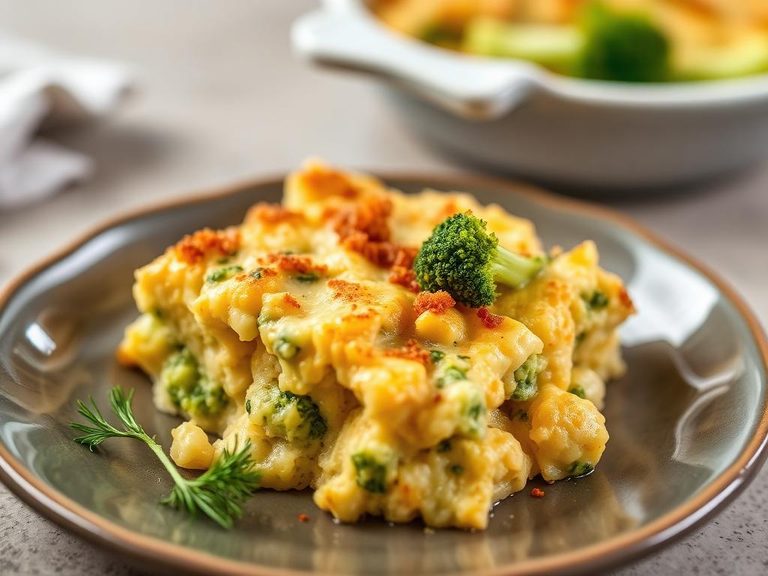
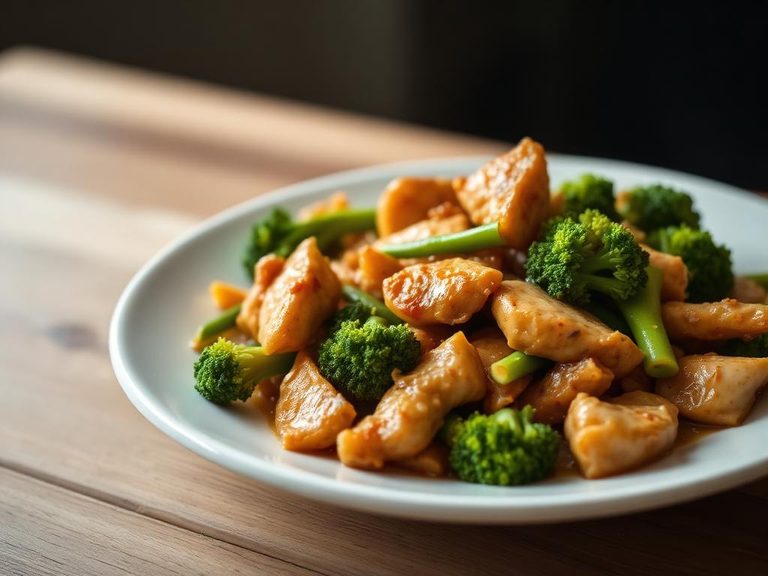
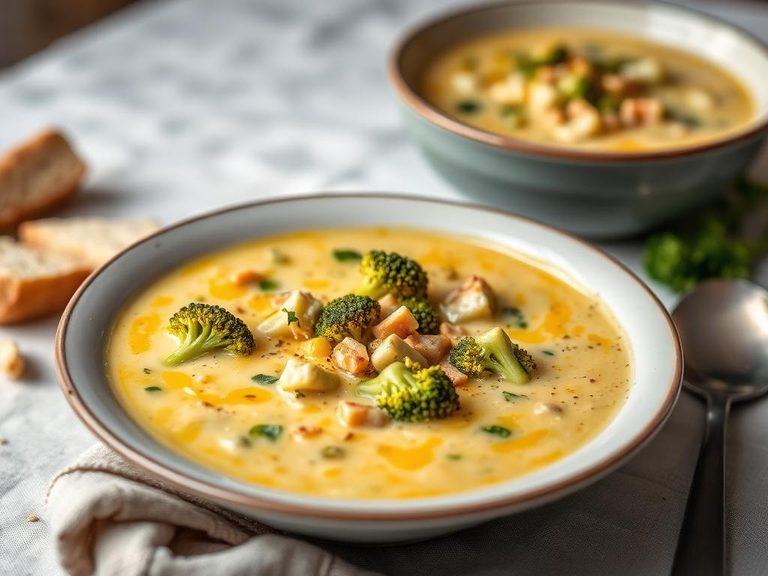
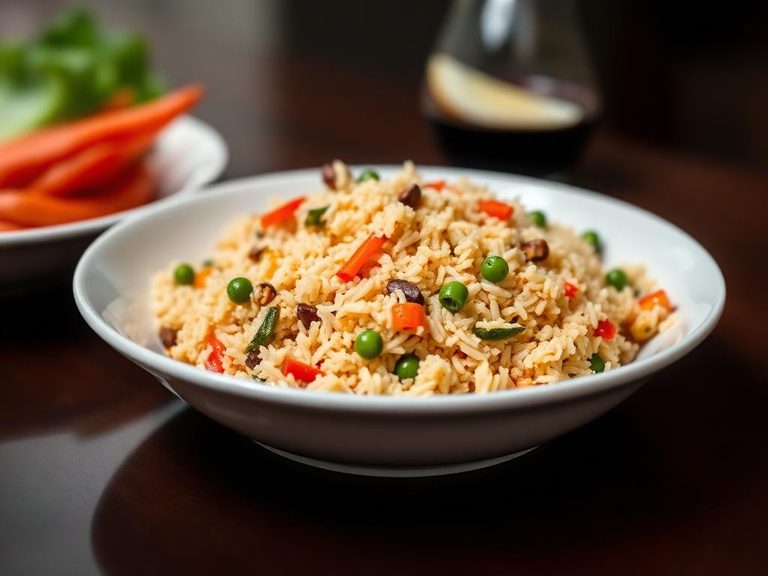
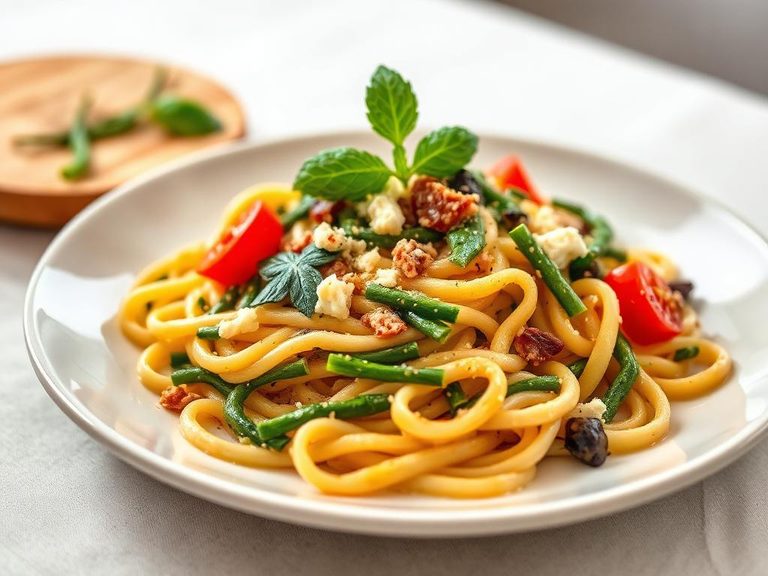
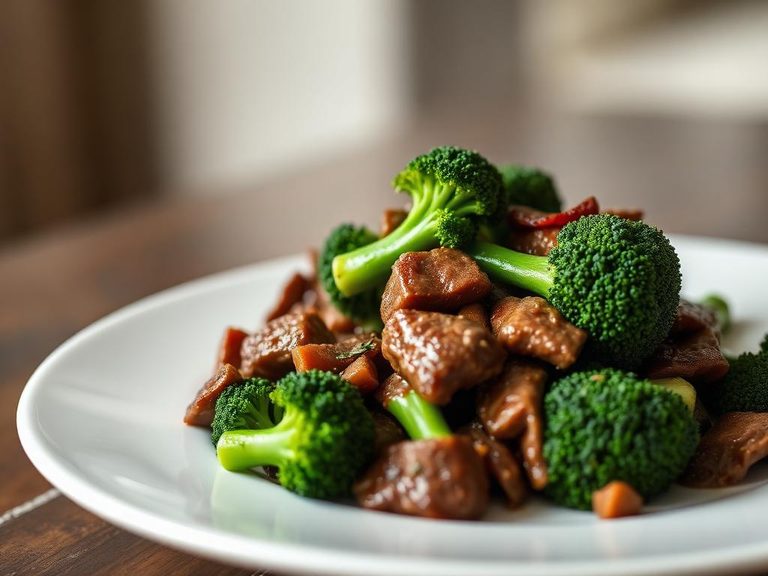
🌍 Where it's eaten
💡 Did you know?
The process of flash-freezing vegetables was pioneered in the 1920s by Clarence Birdseye, who observed that fish frozen quickly at very low temperatures preserved its texture and taste far better than slowly frozen fish.
Full nutrition (USDA data · scales with serving)
| Water | 87.8 g |
| Energy | 53.0 kcal |
| Protein | 3.0 g |
| Total lipid (fat) | 3.0 g |
| Carbohydrate, by difference | 5.2 g |
| Fiber, total dietary | 2.9 g |
| Total Sugars | 1.4 g |
| Calcium, Ca | 32.0 mg |
| Iron, Fe | 0.60 mg |
| Magnesium, Mg | 13.0 mg |
| Phosphorus, P | 47.0 mg |
| Potassium, K | 137 mg |
| Sodium, Na | 123 mg |
| Zinc, Zn | 0.27 mg |
| Copper, Cu | 0.03 mg |
| Selenium, Se | 0.70 ug |
| Vitamin C, total ascorbic acid | 38.8 mg |
| Thiamin | 0.05 mg |
| Riboflavin | 0.08 mg |
| Niacin | 0.44 mg |
| Vitamin B-6 | 0.13 mg |
| Folate, total | 54.0 ug |
| Folic acid | 0.00 ug |
| Folate, food | 54.0 ug |
| Folate, DFE | 54.0 ug |
| Choline, total | 15.7 mg |
| Vitamin B-12 | 0.00 ug |
| Vitamin B-12, added | 0.00 ug |
| Vitamin A, RAE | 49.0 ug |
| Retinol | 0.00 ug |
| Carotene, beta | 578 ug |
| Carotene, alpha | 18.0 ug |
| Cryptoxanthin, beta | 1.0 ug |
| Lycopene | 0.00 ug |
| Lutein + zeaxanthin | 1060 ug |
| Vitamin E (alpha-tocopherol) | 1.8 mg |
| Vitamin E, added | 0.00 mg |
| Vitamin D (D2 + D3) | 0.00 ug |
| Vitamin K (phylloquinone) | 88.2 ug |
| Alcohol, ethyl | 0.00 g |
| Caffeine | 0.00 mg |
| Theobromine | 0.00 mg |
Fat & fatty acid profile (per 100g)
| Fatty acids, total saturated | 0.41 g |
| SFA 4:0 | 0.00 g |
| SFA 6:0 | 0.00 g |
| SFA 8:0 | 0.00 g |
| SFA 10:0 | 0.00 g |
| SFA 12:0 | 0.00 g |
| SFA 14:0 | 0.00 g |
| SFA 16:0 | 0.29 g |
| SFA 18:0 | 0.09 g |
| Fatty acids, total monounsaturated | 1.2 g |
| MUFA 16:1 | 0.01 g |
| MUFA 18:1 | 1.2 g |
| MUFA 20:1 | 0.02 g |
| MUFA 22:1 | 0.00 g |
| Fatty acids, total polyunsaturated | 1.2 g |
| PUFA 18:2 | 1.0 g |
| PUFA 18:3 | 0.17 g |
| PUFA 18:4 | 0.00 g |
| PUFA 20:4 | 0.00 g |
| PUFA 20:5 n-3 (EPA) | 0.00 g |
| PUFA 22:5 n-3 (DPA) | 0.00 g |
| PUFA 22:6 n-3 (DHA) | 0.00 g |
| Cholesterol | 0.00 mg |
Amino acid profile (per 100g)
Estimated from Broccoli, cooked, boiled, drained, with salt — USDA does not publish this profile for Broccoli.
| Tryptophan | 0.03 g |
| Threonine | 0.10 g |
| Isoleucine | 0.09 g |
| Leucine | 0.15 g |
| Lysine | 0.15 g |
| Methionine | 0.04 g |
| Cystine | 0.03 g |
| Phenylalanine | 0.12 g |
| Tyrosine | 0.06 g |
| Valine | 0.14 g |
| Arginine | 0.20 g |
| Histidine | 0.06 g |
| Alanine | 0.11 g |
| Aspartic acid | 0.33 g |
| Glutamic acid | 0.55 g |
| Glycine | 0.10 g |
| Proline | 0.11 g |
| Serine | 0.13 g |
FAQ
Is frozen broccoli as nutritious as fresh?
Yes, often more so. Frozen broccoli is typically blanched and frozen at peak ripeness, which locks in nutrients. Fresh broccoli can lose vitamins during transport and storage.
How should I cook it to avoid it getting mushy?
Steam or microwave it with a small amount of water just until tender-crisp, usually 3-5 minutes. For better texture, pat it dry and give it a quick sear in a hot pan with oil after cooking.
Can I use it directly from frozen in recipes?
Absolutely. It's perfect for stir-fries, soups, casseroles, and pasta sauces. Add it frozen to the pot or pan; it will release water as it cooks, so adjust your recipe's liquid accordingly.
Nutrient density (calculated · NRF9.3)
Nutrient Rich Foods index: beneficial nutrients (protein, fiber, vitamins, minerals) minus saturated fat, added sugar & sodium, per 100 kcal.
NRF9.3 index — Fulgoni, Keast & Drewnowski, 2009. Computed from USDA nutrients.
Weight-loss friendliness (composite index)
Energy density 0.53 kcal/g · 23% calories from protein · 2.9 g fiber · 1.4 g sugar per 100 g.
Composite of energy density (Rolls et al., 1999), protein & fiber satiety, minus sugar. A calculated heuristic — ranks satiety-per-calorie, not a clinical measure.
Dietary load (calculated from USDA values)
Potential renal acid load. Positive = acid-forming, negative = alkaline-forming.
Sodium-to-potassium ratio: 0.90 (lower is better — aim for ≤ 1)
Sodium:potassium per WHO potassium guidance. Computed from USDA nutrients.