

Bread, whole wheat, made from home recipe or purchased at bakery
Common food

Photo: Wikipedia
Whole wheat bread is a hearty, rustic loaf made from flour that includes the entire wheat kernel, giving it a dense, chewy texture and a deep, nutty, slightly sweet flavor. Nutritionally, it's a standout for its high fiber content, which supports digestion and helps you feel full longer. It's a foundational staple that bridges simple sustenance with wholesome nutrition.
Calorie split: 16% protein · 70% carbs · 14% fat
↓ Full nutrition💚 Why it's loved
People love it for its robust, earthy flavor and satisfying, chewy texture that adds substance to any meal. Its versatility makes it the perfect canvas for everything from a simple smear of butter to a loaded sandwich, deeply embedded in daily breakfast and lunch routines worldwide.
⚠️ Watch-outs & how to enjoy it better
Its dense texture and higher fiber can be heavy for some, potentially causing digestive discomfort if introduced too quickly. For those monitoring blood sugar, the carbohydrates can cause a spike if eaten alone in large portions. To counteract this, always pair it with protein (like eggs or nut butter) or healthy fats (like avocado or cheese) to slow digestion and stabilize blood sugar response.
Key benefits
- Excellent source of dietary fiber (6.8g per 100g)
- Provides sustained energy from complex carbohydrates
- Good plant-based protein source (10.38g per 100g)
- Contains more micronutrients than refined white bread
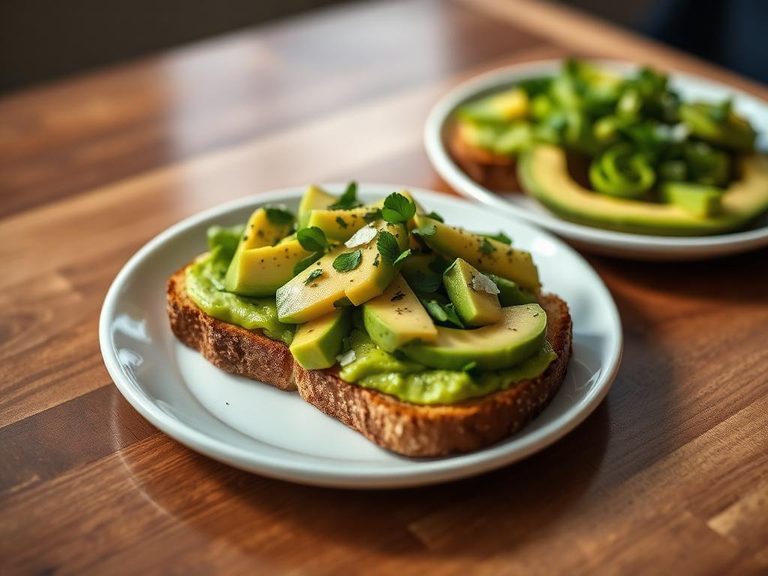
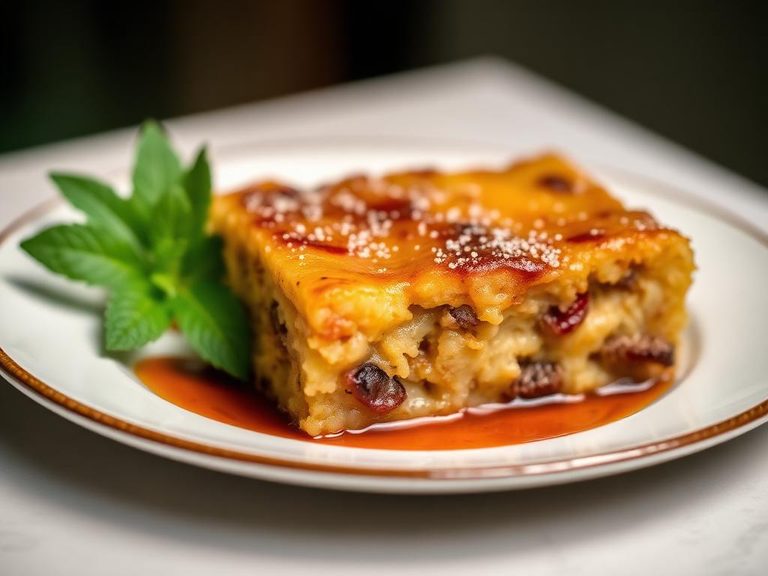
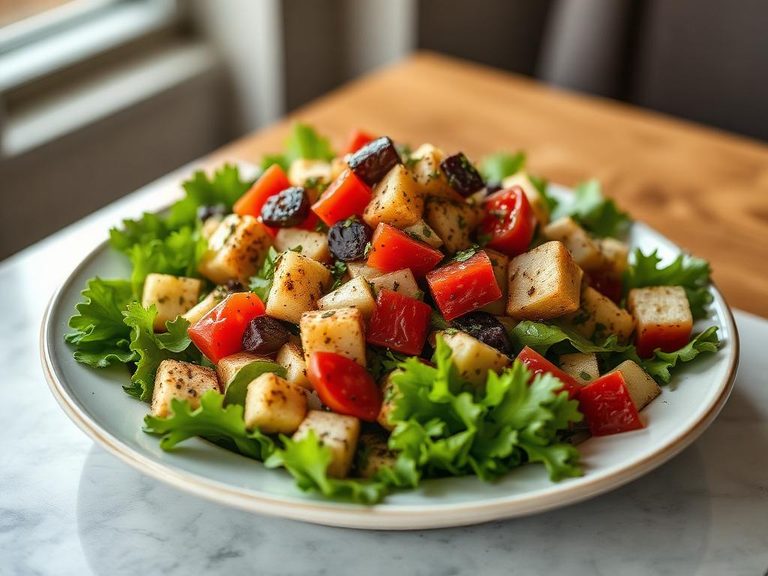
🍽️ Popular dishes



🌍 Where it's eaten
💡 Did you know?
The oldest known evidence of bread-making comes from a 14,000-year-old Natufian site in present-day Jordan, where archaeologists found stone mortars for grinding wheat and barley.
Full nutrition (USDA data · scales with serving)
| Water | 35.7 g |
| Energy | 267 kcal |
| Protein | 10.4 g |
| Total lipid (fat) | 4.3 g |
| Carbohydrate, by difference | 47.0 g |
| Fiber, total dietary | 6.8 g |
| Total Sugars | 3.4 g |
| Calcium, Ca | 51.0 mg |
| Iron, Fe | 2.4 mg |
| Magnesium, Mg | 86.0 mg |
| Phosphorus, P | 243 mg |
| Potassium, K | 273 mg |
| Sodium, Na | 607 mg |
| Zinc, Zn | 2.2 mg |
| Copper, Cu | 0.28 mg |
| Selenium, Se | 14.9 ug |
| Vitamin C, total ascorbic acid | 0.00 mg |
| Thiamin | 0.39 mg |
| Riboflavin | 0.15 mg |
| Niacin | 3.5 mg |
| Vitamin B-6 | 0.17 mg |
| Folate, total | 45.0 ug |
| Folic acid | 0.00 ug |
| Folate, food | 45.0 ug |
| Folate, DFE | 45.0 ug |
| Choline, total | 21.4 mg |
| Vitamin B-12 | 0.06 ug |
| Vitamin B-12, added | 0.00 ug |
| Vitamin A, RAE | 21.0 ug |
| Retinol | 21.0 ug |
| Carotene, beta | 6.0 ug |
| Carotene, alpha | 0.00 ug |
| Cryptoxanthin, beta | 0.00 ug |
| Lycopene | 0.00 ug |
| Lutein + zeaxanthin | 121 ug |
| Vitamin E (alpha-tocopherol) | 0.51 mg |
| Vitamin E, added | 0.00 mg |
| Vitamin D (D2 + D3) | 0.20 ug |
| Vitamin K (phylloquinone) | 1.9 ug |
| Alcohol, ethyl | 0.00 g |
| Caffeine | 0.00 mg |
| Theobromine | 0.00 mg |
Fat & fatty acid profile (per 100g)
| Fatty acids, total saturated | 1.3 g |
| SFA 4:0 | 0.03 g |
| SFA 6:0 | 0.02 g |
| SFA 8:0 | 0.01 g |
| SFA 10:0 | 0.03 g |
| SFA 12:0 | 0.04 g |
| SFA 14:0 | 0.13 g |
| SFA 16:0 | 0.76 g |
| SFA 18:0 | 0.27 g |
| Fatty acids, total monounsaturated | 0.96 g |
| MUFA 16:1 | 0.05 g |
| MUFA 18:1 | 0.91 g |
| MUFA 20:1 | 0.01 g |
| MUFA 22:1 | 0.00 g |
| Fatty acids, total polyunsaturated | 1.1 g |
| PUFA 18:2 | 0.99 g |
| PUFA 18:3 | 0.07 g |
| PUFA 18:4 | 0.00 g |
| PUFA 20:4 | 0.00 g |
| PUFA 20:5 n-3 (EPA) | 0.00 g |
| PUFA 22:5 n-3 (DPA) | 0.00 g |
| PUFA 22:6 n-3 (DHA) | 0.00 g |
| Cholesterol | 5.0 mg |
Amino acid profile (per 100g)
Estimated from Bread, salvadoran sweet cheese (quesadilla salvadorena) — USDA does not publish this profile for Bread.
| Tryptophan | 0.07 g |
| Threonine | 0.21 g |
| Isoleucine | 0.30 g |
| Leucine | 0.65 g |
| Lysine | 0.50 g |
| Methionine | 0.28 g |
| Cystine | 0.06 g |
| Phenylalanine | 0.37 g |
| Tyrosine | 0.23 g |
| Valine | 0.43 g |
| Arginine | 0.25 g |
| Histidine | 0.15 g |
| Alanine | 0.36 g |
| Aspartic acid | 0.59 g |
| Glutamic acid | 1.3 g |
| Glycine | 0.20 g |
| Proline | 0.83 g |
| Serine | 0.45 g |
| Hydroxyproline | 0.00 g |
FAQ
Is whole wheat bread the same as multigrain bread?
Not necessarily. Whole wheat bread must be made from 100% whole wheat flour. Multigrain bread contains multiple types of grains (like oats, barley, or rye), which may or may not be whole, and might include refined flours.
Why does whole wheat bread spoil faster than white bread?
The natural oils present in the wheat germ (which is retained in whole wheat flour) can go rancid over time, giving it a shorter shelf life. Storing it in a cool, dry place or freezing slices can help extend freshness.
Can I use whole wheat bread for making croutons or breadcrumbs?
Absolutely. Its sturdy texture makes it ideal for croutons that hold up in salads and soups. For breadcrumbs, it creates a coarser, more flavorful coating than white bread, perfect for breading proteins or topping casseroles.
Nutrient density (calculated · NRF9.3)
Nutrient Rich Foods index: beneficial nutrients (protein, fiber, vitamins, minerals) minus saturated fat, added sugar & sodium, per 100 kcal.
NRF9.3 index — Fulgoni, Keast & Drewnowski, 2009. Computed from USDA nutrients.
Weight-loss friendliness (composite index)
Energy density 2.67 kcal/g · 16% calories from protein · 6.8 g fiber · 3.4 g sugar per 100 g.
Composite of energy density (Rolls et al., 1999), protein & fiber satiety, minus sugar. A calculated heuristic — ranks satiety-per-calorie, not a clinical measure.
Dietary load (calculated from USDA values)
Potential renal acid load. Positive = acid-forming, negative = alkaline-forming.
Sodium-to-potassium ratio: 2.22 (lower is better — aim for ≤ 1)
Sodium:potassium per WHO potassium guidance. Computed from USDA nutrients.