

Bread, wheat or cracked wheat, made from home recipe or purchased at bakery
Common food

Photo: Wikipedia
This is a hearty, rustic bread, often with a chewy crust and a tender, airy crumb, made from whole or cracked wheat kernels. Its flavor is nutty and slightly sweet, with a satisfying, substantial texture. Nutritionally, it's a solid source of plant-based protein and complex carbohydrates for sustained energy.
Calorie split: 15% protein · 72% carbs · 12% fat
↓ Full nutrition💚 Why it's loved
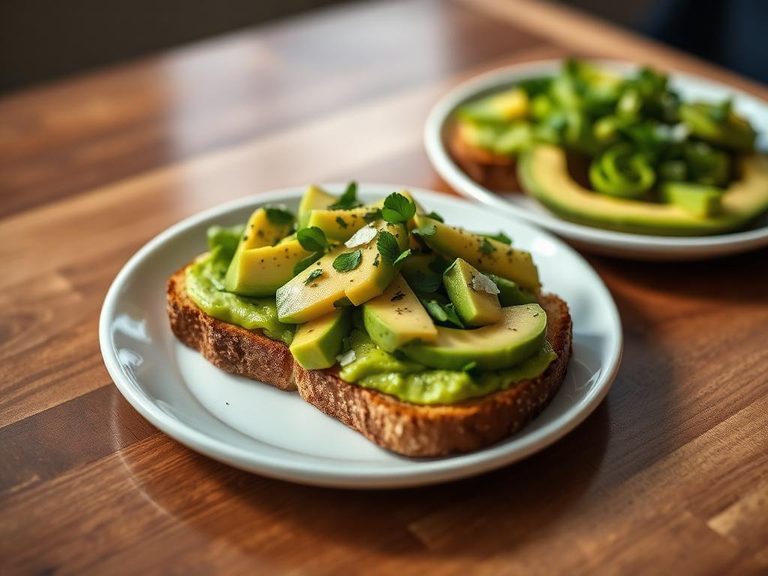
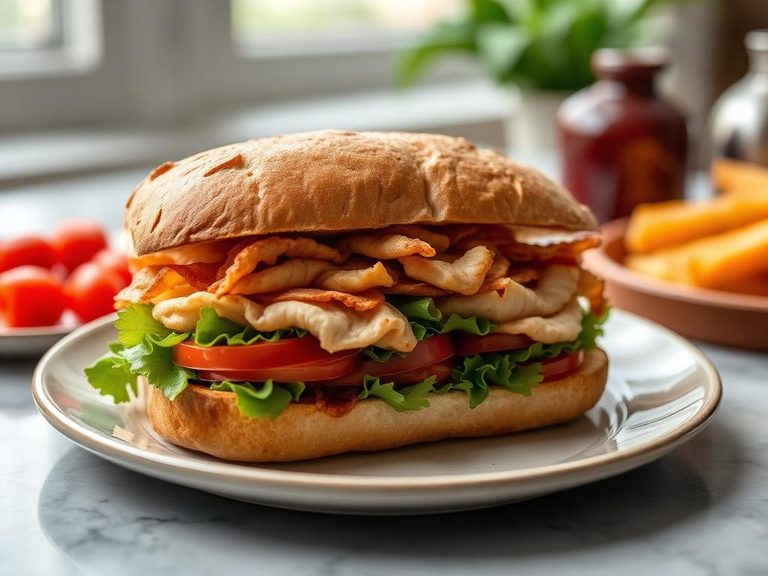
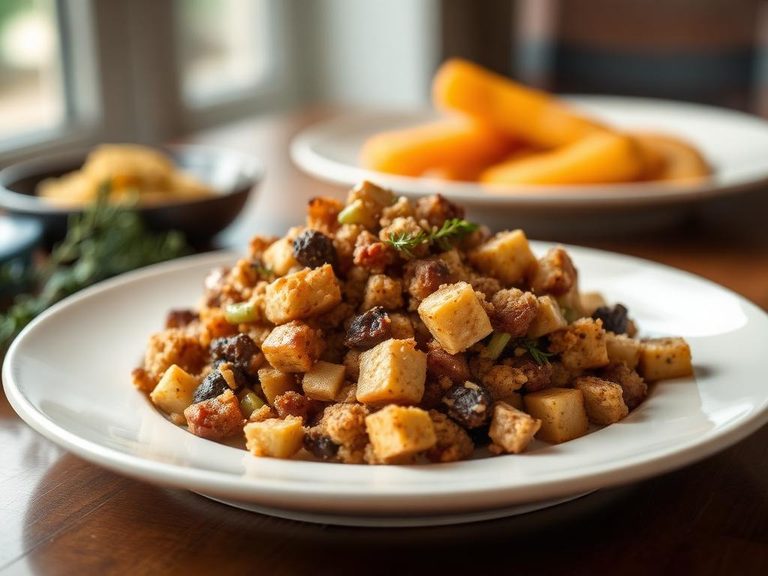
People love it for its comforting, wholesome flavor and the satisfying chew that comes from whole grains. Its versatility makes it a staple for everything from simple buttered toast to elaborate sandwiches and stuffing.
⚠️ Watch-outs & how to enjoy it better
As a wheat-based product, it contains gluten, making it unsuitable for those with celiac disease or gluten sensitivity. Its carbohydrate content can cause blood sugar spikes if eaten alone in large portions. To counteract this, pair a slice with protein (like eggs or cheese) and healthy fats (like avocado or nut butter) to slow digestion and stabilize blood sugar.
Key benefits
- Good source of plant-based protein for muscle maintenance
- Provides complex carbohydrates for steady energy release
- Contains dietary fiber to support digestive health
- Rich in B vitamins for metabolism
- Offers essential minerals like iron and magnesium
🍽️ Popular dishes


🌍 Where it's eaten
💡 Did you know?
The practice of leavening bread with yeast is believed to have been discovered accidentally by ancient Egyptians around 3000 BCE, possibly from dough left out that was colonized by wild yeast.
Full nutrition (USDA data · scales with serving)
| Water | 34.5 g |
| Energy | 271 kcal |
| Protein | 10.3 g |
| Total lipid (fat) | 3.7 g |
| Carbohydrate, by difference | 49.2 g |
| Fiber, total dietary | 3.4 g |
| Total Sugars | 3.2 g |
| Calcium, Ca | 42.0 mg |
| Iron, Fe | 3.2 mg |
| Magnesium, Mg | 45.0 mg |
| Phosphorus, P | 150 mg |
| Potassium, K | 170 mg |
| Sodium, Na | 576 mg |
| Zinc, Zn | 1.3 mg |
| Copper, Cu | 0.18 mg |
| Selenium, Se | 19.7 ug |
| Vitamin C, total ascorbic acid | 0.00 mg |
| Thiamin | 0.55 mg |
| Riboflavin | 0.27 mg |
| Niacin | 4.0 mg |
| Vitamin B-6 | 0.10 mg |
| Folate, total | 77.0 ug |
| Folic acid | 35.0 ug |
| Folate, food | 42.0 ug |
| Folate, DFE | 101 ug |
| Choline, total | 13.3 mg |
| Vitamin B-12 | 0.06 ug |
| Vitamin B-12, added | 0.00 ug |
| Vitamin A, RAE | 20.0 ug |
| Retinol | 20.0 ug |
| Carotene, beta | 4.0 ug |
| Carotene, alpha | 0.00 ug |
| Cryptoxanthin, beta | 0.00 ug |
| Lycopene | 0.00 ug |
| Lutein + zeaxanthin | 69.0 ug |
| Vitamin E (alpha-tocopherol) | 0.38 mg |
| Vitamin E, added | 0.00 mg |
| Vitamin D (D2 + D3) | 0.20 ug |
| Vitamin K (phylloquinone) | 1.2 ug |
| Alcohol, ethyl | 0.00 g |
| Caffeine | 0.00 mg |
| Theobromine | 0.00 mg |
Fat & fatty acid profile (per 100g)
| Fatty acids, total saturated | 1.2 g |
| SFA 4:0 | 0.03 g |
| SFA 6:0 | 0.02 g |
| SFA 8:0 | 0.01 g |
| SFA 10:0 | 0.03 g |
| SFA 12:0 | 0.04 g |
| SFA 14:0 | 0.12 g |
| SFA 16:0 | 0.66 g |
| SFA 18:0 | 0.25 g |
| Fatty acids, total monounsaturated | 0.87 g |
| MUFA 16:1 | 0.05 g |
| MUFA 18:1 | 0.82 g |
| MUFA 20:1 | 0.01 g |
| MUFA 22:1 | 0.00 g |
| Fatty acids, total polyunsaturated | 0.88 g |
| PUFA 18:2 | 0.82 g |
| PUFA 18:3 | 0.06 g |
| PUFA 18:4 | 0.00 g |
| PUFA 20:4 | 0.00 g |
| PUFA 20:5 n-3 (EPA) | 0.00 g |
| PUFA 22:5 n-3 (DPA) | 0.00 g |
| PUFA 22:6 n-3 (DHA) | 0.00 g |
| Cholesterol | 4.0 mg |
Amino acid profile (per 100g)
Estimated from Bread, salvadoran sweet cheese (quesadilla salvadorena) — USDA does not publish this profile for Bread.
| Tryptophan | 0.07 g |
| Threonine | 0.21 g |
| Isoleucine | 0.30 g |
| Leucine | 0.65 g |
| Lysine | 0.50 g |
| Methionine | 0.28 g |
| Cystine | 0.06 g |
| Phenylalanine | 0.37 g |
| Tyrosine | 0.23 g |
| Valine | 0.43 g |
| Arginine | 0.25 g |
| Histidine | 0.15 g |
| Alanine | 0.36 g |
| Aspartic acid | 0.59 g |
| Glutamic acid | 1.3 g |
| Glycine | 0.20 g |
| Proline | 0.83 g |
| Serine | 0.45 g |
| Hydroxyproline | 0.00 g |
FAQ
What's the difference between wheat bread and cracked wheat bread?
Cracked wheat bread contains visible pieces of whole wheat kernels that have been cracked, giving it a chewier texture and nuttier flavor compared to standard whole wheat bread where the grain is more finely ground.
Is this bread good for weight management?
Its fiber and protein content can promote fullness, which may help with portion control. However, it is calorie-dense, so mindful serving sizes are key.
How should I store it to keep it fresh?
Store at room temperature in a bread box or paper bag for 2-3 days. For longer storage, slice and freeze in an airtight bag for up to 3 months.
Nutrient density (calculated · NRF9.3)
Nutrient Rich Foods index: beneficial nutrients (protein, fiber, vitamins, minerals) minus saturated fat, added sugar & sodium, per 100 kcal.
NRF9.3 index — Fulgoni, Keast & Drewnowski, 2009. Computed from USDA nutrients.
Weight-loss friendliness (composite index)
Energy density 2.71 kcal/g · 15% calories from protein · 3.4 g fiber · 3.2 g sugar per 100 g.
Composite of energy density (Rolls et al., 1999), protein & fiber satiety, minus sugar. A calculated heuristic — ranks satiety-per-calorie, not a clinical measure.
Dietary load (calculated from USDA values)
Potential renal acid load. Positive = acid-forming, negative = alkaline-forming.
Sodium-to-potassium ratio: 3.39 (lower is better — aim for ≤ 1)
Sodium:potassium per WHO potassium guidance. Computed from USDA nutrients.