

Bread, white with whole wheat swirl
Common food

Photo: Wikipedia
This is a soft, enriched white bread with a distinctive, earthy-brown whole wheat swirl running through its crumb. It offers the mild, slightly sweet taste and tender chew of white bread, punctuated by the nuttier, more robust flavor of the whole wheat stripe. Nutritionally, it provides a moderate protein boost and more fiber than standard white bread, though it remains a refined-grain product.
Calorie split: 17% protein · 71% carbs · 12% fat
↓ Full nutrition💚 Why it's loved
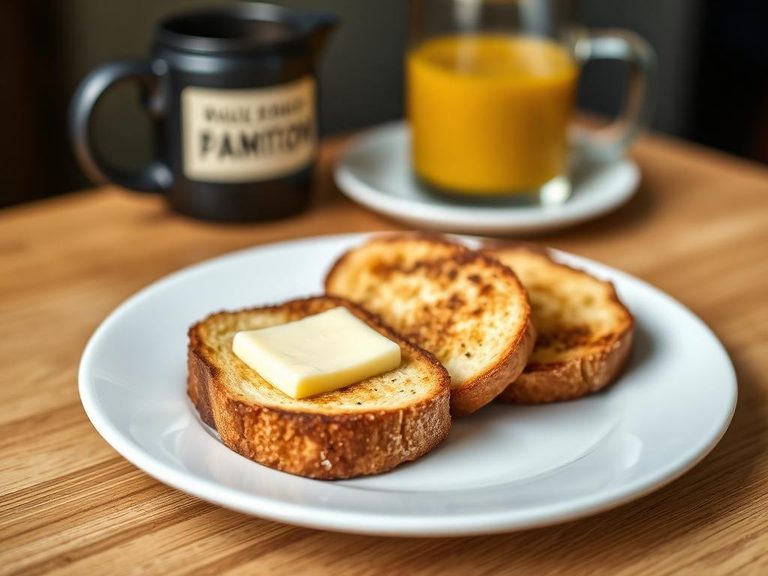
People appreciate it for offering a compromise: the familiar, soft texture of white bread with the visual appeal and subtle, nutty flavor of a whole wheat accent. It's a versatile staple, perfect for everything from a classic PB&J to a simple buttered slice, bridging the gap between pure white and 100% whole wheat loaves.
⚠️ Watch-outs & how to enjoy it better
As a product made primarily from refined flour, it can cause quicker blood sugar spikes compared to 100% whole grain breads. Those monitoring blood glucose or seeking maximum fiber should be cautious. To mitigate, always pair it with a source of protein (like eggs or nut butter) or healthy fat (like avocado or cheese) to slow digestion, and practice portion control by limiting yourself to one slice.
Key benefits
- Provides more dietary fiber than plain white bread
- Offers a moderate source of plant-based protein
- Contains less fat than many enriched breads
- Can be a more palatable way to introduce whole grains
- Versatile for both sweet and savory applications
🍽️ Popular dishes
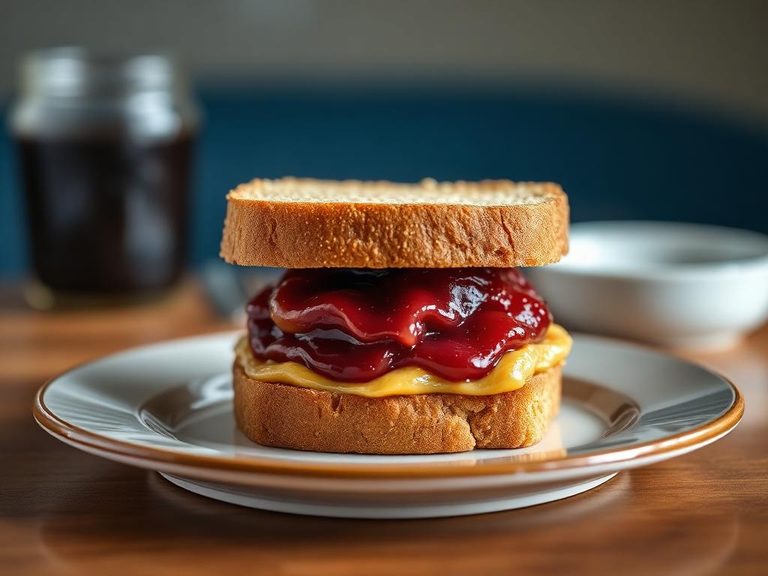
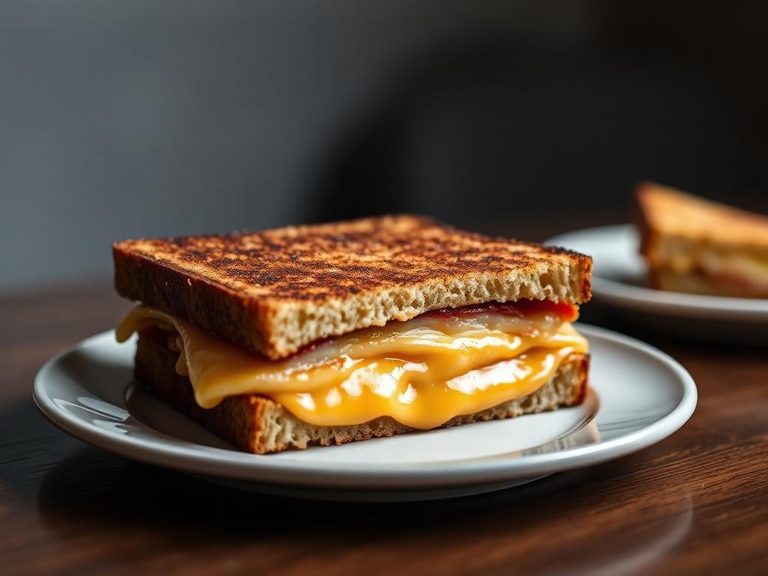
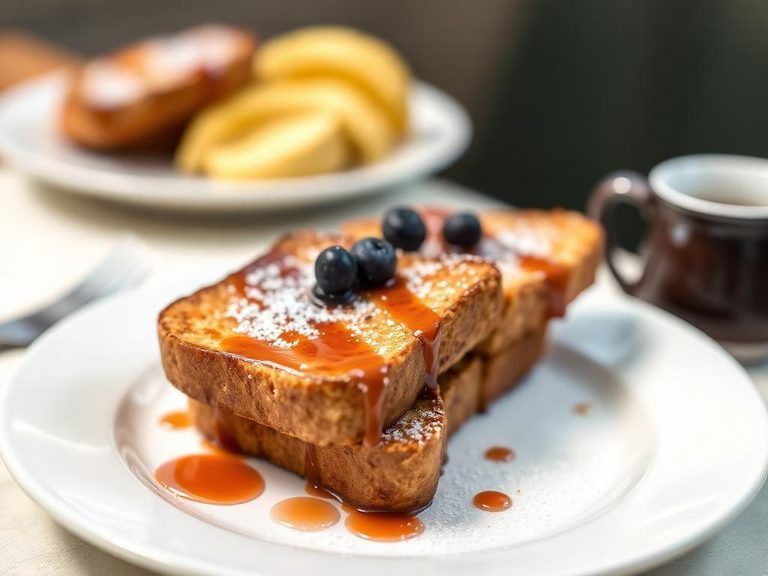
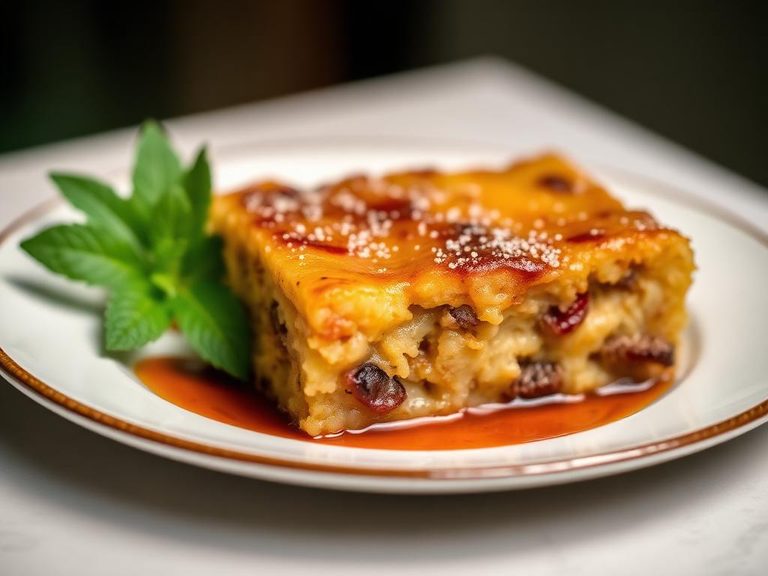
🌍 Where it's eaten
💡 Did you know?
The 'swirl' is often created by rolling a sheet of whole wheat dough into a sheet of white dough before the final proof and bake, a technique that requires precise dough hydration to prevent the layers from separating.
Full nutrition (USDA data · scales with serving)
| Water | 37.2 g |
| Energy | 260 kcal |
| Protein | 10.9 g |
| Total lipid (fat) | 3.6 g |
| Carbohydrate, by difference | 46.1 g |
| Fiber, total dietary | 4.2 g |
| Total Sugars | 4.9 g |
| Calcium, Ca | 187 mg |
| Iron, Fe | 3.0 mg |
| Magnesium, Mg | 52.0 mg |
| Phosphorus, P | 162 mg |
| Potassium, K | 184 mg |
| Sodium, Na | 440 mg |
| Zinc, Zn | 1.3 mg |
| Copper, Cu | 0.17 mg |
| Selenium, Se | 24.5 ug |
| Vitamin C, total ascorbic acid | 0.00 mg |
| Thiamin | 0.45 mg |
| Riboflavin | 0.20 mg |
| Niacin | 4.6 mg |
| Vitamin B-6 | 0.15 mg |
| Folate, total | 76.0 ug |
| Folic acid | 43.0 ug |
| Folate, food | 34.0 ug |
| Folate, DFE | 106 ug |
| Choline, total | 20.9 mg |
| Vitamin B-12 | 0.00 ug |
| Vitamin B-12, added | 0.00 ug |
| Vitamin A, RAE | 0.00 ug |
| Retinol | 0.00 ug |
| Carotene, beta | 1.0 ug |
| Carotene, alpha | 0.00 ug |
| Cryptoxanthin, beta | 0.00 ug |
| Lycopene | 0.00 ug |
| Lutein + zeaxanthin | 66.0 ug |
| Vitamin E (alpha-tocopherol) | 0.38 mg |
| Vitamin E, added | 0.00 mg |
| Vitamin D (D2 + D3) | 0.00 ug |
| Vitamin K (phylloquinone) | 4.0 ug |
| Alcohol, ethyl | 0.00 g |
| Caffeine | 0.00 mg |
| Theobromine | 0.00 mg |
Fat & fatty acid profile (per 100g)
| Fatty acids, total saturated | 0.78 g |
| SFA 4:0 | 0.00 g |
| SFA 6:0 | 0.00 g |
| SFA 8:0 | 0.00 g |
| SFA 10:0 | 0.01 g |
| SFA 12:0 | 0.01 g |
| SFA 14:0 | 0.01 g |
| SFA 16:0 | 0.47 g |
| SFA 18:0 | 0.24 g |
| Fatty acids, total monounsaturated | 0.67 g |
| MUFA 16:1 | 0.02 g |
| MUFA 18:1 | 0.65 g |
| MUFA 20:1 | 0.01 g |
| MUFA 22:1 | 0.00 g |
| Fatty acids, total polyunsaturated | 1.7 g |
| PUFA 18:2 | 1.6 g |
| PUFA 18:3 | 0.17 g |
| PUFA 18:4 | 0.00 g |
| PUFA 20:4 | 0.00 g |
| PUFA 20:5 n-3 (EPA) | 0.00 g |
| PUFA 22:5 n-3 (DPA) | 0.00 g |
| PUFA 22:6 n-3 (DHA) | 0.00 g |
| Cholesterol | 0.00 mg |
Amino acid profile (per 100g)
Estimated from Bread, salvadoran sweet cheese (quesadilla salvadorena) — USDA does not publish this profile for Bread.
| Tryptophan | 0.07 g |
| Threonine | 0.21 g |
| Isoleucine | 0.30 g |
| Leucine | 0.65 g |
| Lysine | 0.50 g |
| Methionine | 0.28 g |
| Cystine | 0.06 g |
| Phenylalanine | 0.37 g |
| Tyrosine | 0.23 g |
| Valine | 0.43 g |
| Arginine | 0.25 g |
| Histidine | 0.15 g |
| Alanine | 0.36 g |
| Aspartic acid | 0.59 g |
| Glutamic acid | 1.3 g |
| Glycine | 0.20 g |
| Proline | 0.83 g |
| Serine | 0.45 g |
| Hydroxyproline | 0.00 g |
FAQ
How is the swirl created?
The swirl is typically made by laminating or rolling together two different doughs—one made with white flour and one with whole wheat flour—before the final shaping and baking.
Is it healthier than regular white bread?
It is generally a modest improvement, offering slightly more fiber and nutrients from the whole wheat component, but it is still predominantly made from refined flour.
Does the swirl affect the bread's texture?
Yes, the whole wheat swirl can be slightly denser and chewier than the surrounding white bread, creating a pleasant textural contrast in each slice.
Nutrient density (calculated · NRF9.3)
Nutrient Rich Foods index: beneficial nutrients (protein, fiber, vitamins, minerals) minus saturated fat, added sugar & sodium, per 100 kcal.
NRF9.3 index — Fulgoni, Keast & Drewnowski, 2009. Computed from USDA nutrients.
Weight-loss friendliness (composite index)
Energy density 2.60 kcal/g · 17% calories from protein · 4.2 g fiber · 4.9 g sugar per 100 g.
Composite of energy density (Rolls et al., 1999), protein & fiber satiety, minus sugar. A calculated heuristic — ranks satiety-per-calorie, not a clinical measure.
Dietary load (calculated from USDA values)
Potential renal acid load. Positive = acid-forming, negative = alkaline-forming.
Sodium-to-potassium ratio: 2.39 (lower is better — aim for ≤ 1)
Sodium:potassium per WHO potassium guidance. Computed from USDA nutrients.