

Bread, white with whole wheat swirl, toasted
Common food
This is a slice of white bread with a visible, tender swirl of whole wheat dough running through it, offering a mild, slightly sweet flavor and a soft, pillowy texture when toasted. Nutritionally, it provides a moderate calorie source with a decent protein content for bread and a good amount of carbohydrates for energy.
Calorie split: 17% protein · 71% carbs · 12% fat
↓ Full nutrition💚 Why it's loved
People love it for its comforting, familiar taste and the appealing visual of the wheat swirl, which adds a touch of rustic character. It's a beloved, versatile staple that transforms beautifully when toasted, becoming the perfect canvas for everything from avocado to jam.
⚠️ Watch-outs & how to enjoy it better
Its refined white flour base can lead to quicker blood sugar spikes compared to 100% whole grain breads. To counteract this, pair it with protein (like eggs or nut butter) or healthy fats (like avocado or cheese) to slow digestion and increase satiety.
Key benefits
- Good source of plant-based protein for a bread
- Provides dietary fiber from the whole wheat component
- Offers a quick energy boost from its carbohydrate content
- Versatile base for both sweet and savory toppings
🍽️ Popular dishes
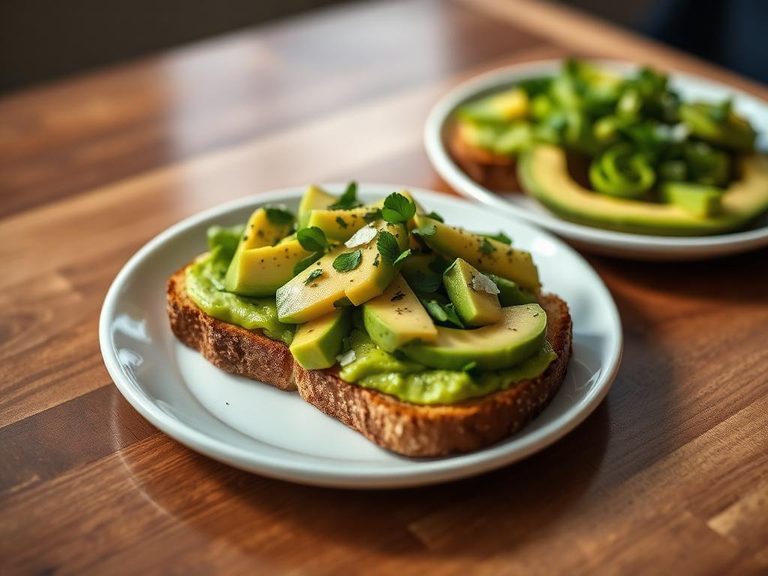
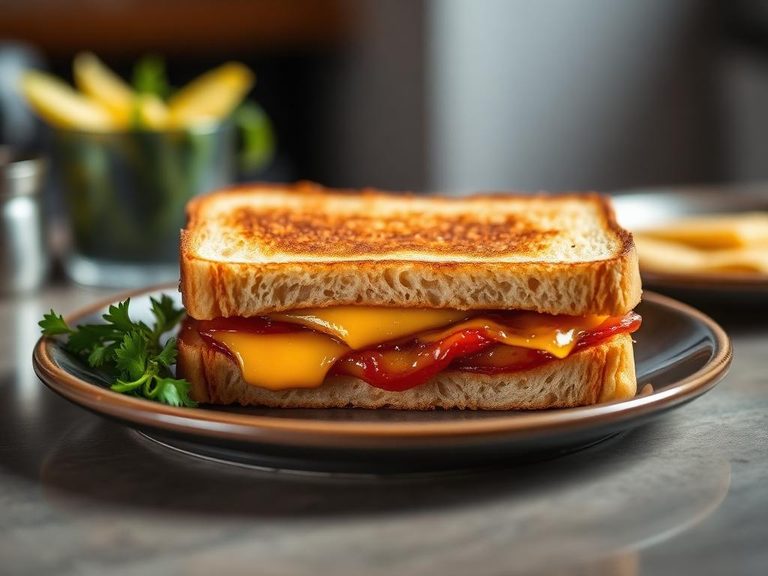
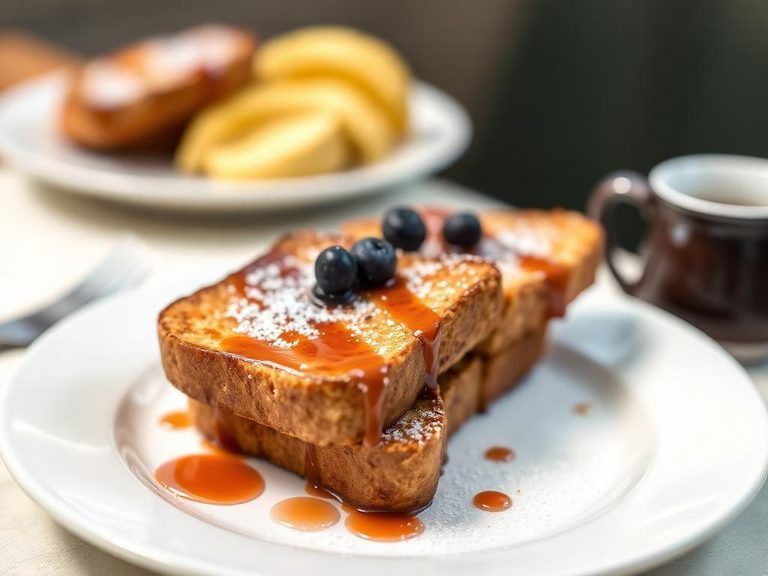
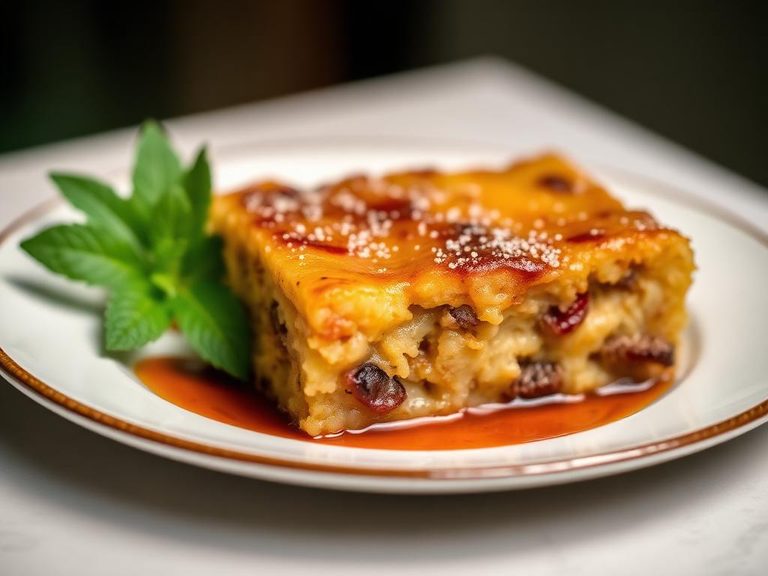
🌍 Where it's eaten
💡 Did you know?
The swirl is created by rolling the white and whole wheat doughs together before the final proof, a technique that requires careful handling to maintain distinct layers during baking.
Full nutrition (USDA data · scales with serving)
| Water | 27.5 g |
| Energy | 301 kcal |
| Protein | 12.4 g |
| Total lipid (fat) | 4.1 g |
| Carbohydrate, by difference | 53.4 g |
| Fiber, total dietary | 4.7 g |
| Total Sugars | 5.7 g |
| Calcium, Ca | 217 mg |
| Iron, Fe | 3.4 mg |
| Magnesium, Mg | 59.0 mg |
| Phosphorus, P | 185 mg |
| Potassium, K | 208 mg |
| Sodium, Na | 508 mg |
| Zinc, Zn | 1.5 mg |
| Copper, Cu | 0.20 mg |
| Selenium, Se | 28.2 ug |
| Vitamin C, total ascorbic acid | 0.00 mg |
| Thiamin | 0.37 mg |
| Riboflavin | 0.24 mg |
| Niacin | 5.3 mg |
| Vitamin B-6 | 0.17 mg |
| Folate, total | 68.0 ug |
| Folic acid | 38.0 ug |
| Folate, food | 31.0 ug |
| Folate, DFE | 94.0 ug |
| Choline, total | 23.8 mg |
| Vitamin B-12 | 0.00 ug |
| Vitamin B-12, added | 0.00 ug |
| Vitamin A, RAE | 0.00 ug |
| Retinol | 0.00 ug |
| Carotene, beta | 1.0 ug |
| Carotene, alpha | 0.00 ug |
| Cryptoxanthin, beta | 0.00 ug |
| Lycopene | 0.00 ug |
| Lutein + zeaxanthin | 69.0 ug |
| Vitamin E (alpha-tocopherol) | 0.43 mg |
| Vitamin E, added | 0.00 mg |
| Vitamin D (D2 + D3) | 0.00 ug |
| Vitamin K (phylloquinone) | 4.4 ug |
| Alcohol, ethyl | 0.00 g |
| Caffeine | 0.00 mg |
| Theobromine | 0.00 mg |
Fat & fatty acid profile (per 100g)
| Fatty acids, total saturated | 0.90 g |
| SFA 4:0 | 0.00 g |
| SFA 6:0 | 0.00 g |
| SFA 8:0 | 0.01 g |
| SFA 10:0 | 0.01 g |
| SFA 12:0 | 0.01 g |
| SFA 14:0 | 0.01 g |
| SFA 16:0 | 0.54 g |
| SFA 18:0 | 0.28 g |
| Fatty acids, total monounsaturated | 0.77 g |
| MUFA 16:1 | 0.02 g |
| MUFA 18:1 | 0.76 g |
| MUFA 20:1 | 0.02 g |
| MUFA 22:1 | 0.00 g |
| Fatty acids, total polyunsaturated | 2.0 g |
| PUFA 18:2 | 1.8 g |
| PUFA 18:3 | 0.20 g |
| PUFA 18:4 | 0.00 g |
| PUFA 20:4 | 0.00 g |
| PUFA 20:5 n-3 (EPA) | 0.00 g |
| PUFA 22:5 n-3 (DPA) | 0.00 g |
| PUFA 22:6 n-3 (DHA) | 0.00 g |
| Cholesterol | 0.00 mg |
Amino acid profile (per 100g)
Estimated from Bread, salvadoran sweet cheese (quesadilla salvadorena) — USDA does not publish this profile for Bread.
| Tryptophan | 0.07 g |
| Threonine | 0.21 g |
| Isoleucine | 0.30 g |
| Leucine | 0.65 g |
| Lysine | 0.50 g |
| Methionine | 0.28 g |
| Cystine | 0.06 g |
| Phenylalanine | 0.37 g |
| Tyrosine | 0.23 g |
| Valine | 0.43 g |
| Arginine | 0.25 g |
| Histidine | 0.15 g |
| Alanine | 0.36 g |
| Aspartic acid | 0.59 g |
| Glutamic acid | 1.3 g |
| Glycine | 0.20 g |
| Proline | 0.83 g |
| Serine | 0.45 g |
| Hydroxyproline | 0.00 g |
FAQ
How does the nutrition differ from plain white bread?
The whole wheat swirl adds a small but meaningful amount of fiber and slightly more protein compared to a slice of 100% white bread, making it a marginally more nutritious choice.
Is this bread good for making sandwiches?
Yes, its soft texture and mild flavor make it excellent for sandwiches. Toasting it first adds structural integrity, preventing sogginess from moist fillings.
Why is it called 'white with whole wheat swirl' and not just 'wheat bread'?
The name specifies that the primary dough is white (refined) flour, with a smaller portion of whole wheat dough swirled in for flavor, texture, and visual appeal, rather than being made entirely from whole wheat flour.
Nutrient density (calculated · NRF9.3)
Nutrient Rich Foods index: beneficial nutrients (protein, fiber, vitamins, minerals) minus saturated fat, added sugar & sodium, per 100 kcal.
NRF9.3 index — Fulgoni, Keast & Drewnowski, 2009. Computed from USDA nutrients.
Weight-loss friendliness (composite index)
Energy density 3.01 kcal/g · 17% calories from protein · 4.7 g fiber · 5.7 g sugar per 100 g.
Composite of energy density (Rolls et al., 1999), protein & fiber satiety, minus sugar. A calculated heuristic — ranks satiety-per-calorie, not a clinical measure.
Dietary load (calculated from USDA values)
Potential renal acid load. Positive = acid-forming, negative = alkaline-forming.
Sodium-to-potassium ratio: 2.44 (lower is better — aim for ≤ 1)
Sodium:potassium per WHO potassium guidance. Computed from USDA nutrients.