

Bread, marble rye and pumpernickel
Common food
Marble rye and pumpernickel is a striking, dual-toned loaf that swirls the deep, malty tang of rye with the earthy, slightly sweet notes of pumpernickel. Its dense, moist crumb offers a satisfying chew, while the crust provides a robust, slightly bitter counterpoint. Nutritionally, it's a standout for its high fiber content, which supports digestive health and promotes a feeling of fullness.
Calorie split: 13% protein · 75% carbs · 12% fat
↓ Full nutrition💚 Why it's loved
People cherish it for its complex, layered flavor profile—a harmonious blend of sour, sweet, and earthy tones—and its iconic, visually appealing swirl. It's a cultural staple in delis and a versatile base for everything from classic Reubens to elegant open-faced sandwiches.
⚠️ Watch-outs & how to enjoy it better
Its density and high fiber content can be heavy for some, potentially causing digestive discomfort if eaten in large amounts. The rye content contains gluten, making it unsuitable for those with celiac disease or gluten sensitivity. To mitigate heaviness, pair thin slices with lean protein like turkey or fish, and ensure adequate water intake.
Key benefits
- High in dietary fiber (5.8g per 100g)
- Good source of plant-based protein (8.5g per 100g)
- Low in fat (3.3g per 100g)
- Complex carbohydrates for sustained energy
🍽️ Popular dishes
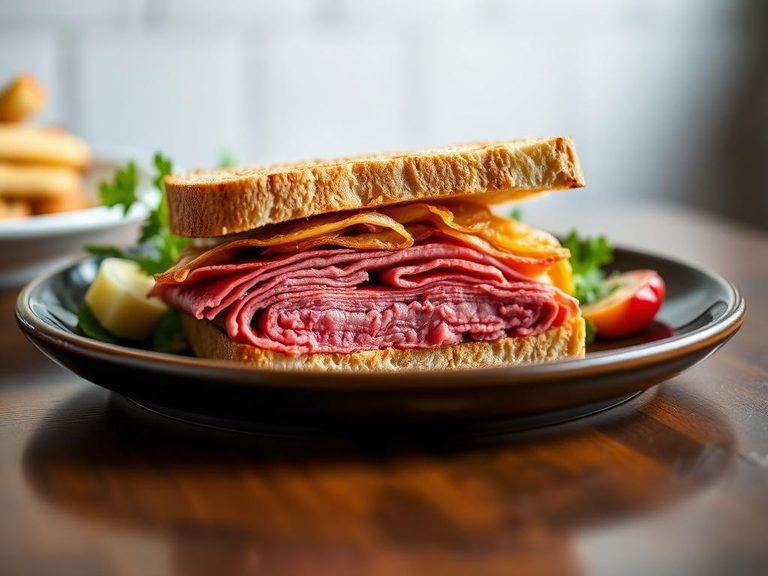
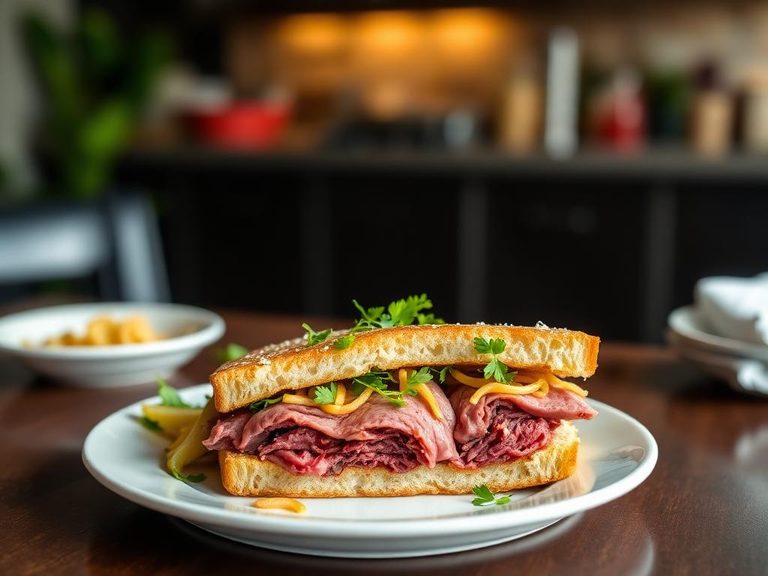
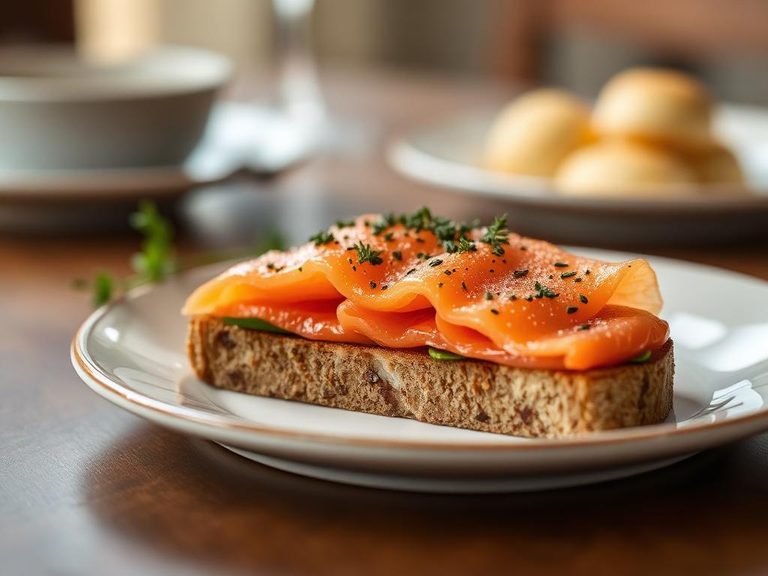
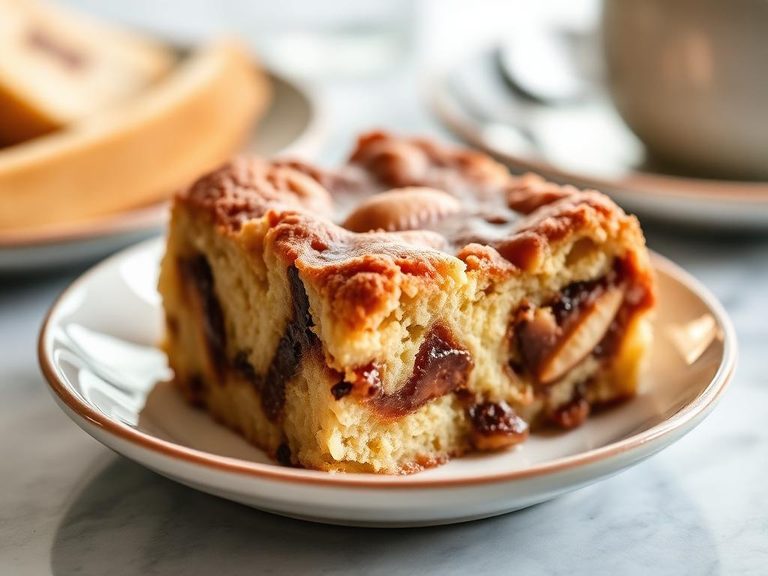
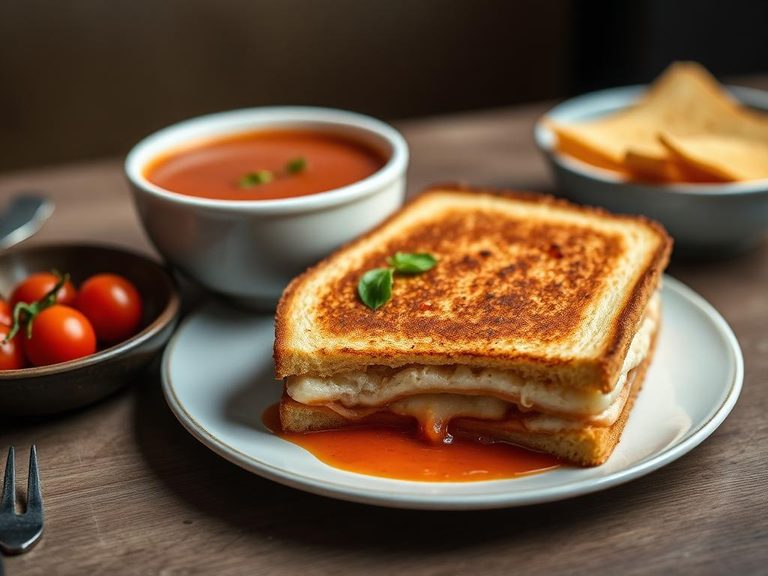
🌍 Where it's eaten
💡 Did you know?
The 'marble' effect is achieved by gently twisting together two separate doughs—one light rye and one dark pumpernickel—before the final proof and bake, creating a unique pattern in every loaf.
Full nutrition (USDA data · scales with serving)
| Water | 37.3 g |
| Energy | 259 kcal |
| Protein | 8.5 g |
| Total lipid (fat) | 3.3 g |
| Carbohydrate, by difference | 48.3 g |
| Fiber, total dietary | 5.8 g |
| Total Sugars | 3.9 g |
| Calcium, Ca | 73.0 mg |
| Iron, Fe | 2.8 mg |
| Magnesium, Mg | 40.0 mg |
| Phosphorus, P | 125 mg |
| Potassium, K | 166 mg |
| Sodium, Na | 570 mg |
| Zinc, Zn | 1.1 mg |
| Copper, Cu | 0.19 mg |
| Selenium, Se | 30.9 ug |
| Vitamin C, total ascorbic acid | 0.40 mg |
| Thiamin | 0.43 mg |
| Riboflavin | 0.34 mg |
| Niacin | 3.8 mg |
| Vitamin B-6 | 0.07 mg |
| Folate, total | 110 ug |
| Folic acid | 59.0 ug |
| Folate, food | 51.0 ug |
| Folate, DFE | 151 ug |
| Choline, total | 14.6 mg |
| Vitamin B-12 | 0.00 ug |
| Vitamin B-12, added | 0.00 ug |
| Vitamin A, RAE | 0.00 ug |
| Retinol | 0.00 ug |
| Carotene, beta | 4.0 ug |
| Carotene, alpha | 0.00 ug |
| Cryptoxanthin, beta | 1.0 ug |
| Lycopene | 0.00 ug |
| Lutein + zeaxanthin | 54.0 ug |
| Vitamin E (alpha-tocopherol) | 0.33 mg |
| Vitamin E, added | 0.00 mg |
| Vitamin D (D2 + D3) | 0.00 ug |
| Vitamin K (phylloquinone) | 1.2 ug |
| Alcohol, ethyl | 0.00 g |
| Caffeine | 0.00 mg |
| Theobromine | 0.00 mg |
Fat & fatty acid profile (per 100g)
| Fatty acids, total saturated | 0.63 g |
| SFA 4:0 | 0.00 g |
| SFA 6:0 | 0.00 g |
| SFA 8:0 | 0.00 g |
| SFA 10:0 | 0.00 g |
| SFA 12:0 | 0.00 g |
| SFA 14:0 | 0.01 g |
| SFA 16:0 | 0.39 g |
| SFA 18:0 | 0.23 g |
| Fatty acids, total monounsaturated | 1.3 g |
| MUFA 16:1 | 0.01 g |
| MUFA 18:1 | 1.3 g |
| MUFA 20:1 | 0.00 g |
| MUFA 22:1 | 0.00 g |
| Fatty acids, total polyunsaturated | 0.80 g |
| PUFA 18:2 | 0.74 g |
| PUFA 18:3 | 0.06 g |
| PUFA 18:4 | 0.00 g |
| PUFA 20:4 | 0.00 g |
| PUFA 20:5 n-3 (EPA) | 0.00 g |
| PUFA 22:5 n-3 (DPA) | 0.00 g |
| PUFA 22:6 n-3 (DHA) | 0.00 g |
| Cholesterol | 0.00 mg |
Amino acid profile (per 100g)
Estimated from Bread, salvadoran sweet cheese (quesadilla salvadorena) — USDA does not publish this profile for Bread.
| Tryptophan | 0.07 g |
| Threonine | 0.21 g |
| Isoleucine | 0.30 g |
| Leucine | 0.65 g |
| Lysine | 0.50 g |
| Methionine | 0.28 g |
| Cystine | 0.06 g |
| Phenylalanine | 0.37 g |
| Tyrosine | 0.23 g |
| Valine | 0.43 g |
| Arginine | 0.25 g |
| Histidine | 0.15 g |
| Alanine | 0.36 g |
| Aspartic acid | 0.59 g |
| Glutamic acid | 1.3 g |
| Glycine | 0.20 g |
| Proline | 0.83 g |
| Serine | 0.45 g |
| Hydroxyproline | 0.00 g |
FAQ
What's the difference between marble rye and regular rye bread?
Marble rye is a combination of two doughs (light rye and dark pumpernickel) twisted together, creating a marbled appearance and a more complex flavor. Regular rye is typically made from a single dough.
Is marble rye bread healthy?
It can be a nutritious choice, offering high fiber and protein while being low in fat. However, it's calorie-dense and contains gluten, so portion control is key, and it's not suitable for gluten-free diets.
How should I store marble rye bread?
For short-term use (2-3 days), store at room temperature in a paper bag. For longer storage, slice it, wrap tightly in plastic, and freeze for up to 3 months. Thaw slices as needed.
Nutrient density (calculated · NRF9.3)
Nutrient Rich Foods index: beneficial nutrients (protein, fiber, vitamins, minerals) minus saturated fat, added sugar & sodium, per 100 kcal.
NRF9.3 index — Fulgoni, Keast & Drewnowski, 2009. Computed from USDA nutrients.
Weight-loss friendliness (composite index)
Energy density 2.59 kcal/g · 13% calories from protein · 5.8 g fiber · 3.9 g sugar per 100 g.
Composite of energy density (Rolls et al., 1999), protein & fiber satiety, minus sugar. A calculated heuristic — ranks satiety-per-calorie, not a clinical measure.
Dietary load (calculated from USDA values)
Potential renal acid load. Positive = acid-forming, negative = alkaline-forming.
Sodium-to-potassium ratio: 3.43 (lower is better — aim for ≤ 1)
Sodium:potassium per WHO potassium guidance. Computed from USDA nutrients.