

Crackers, melba toast, rye (includes pumpernickel)
Whole food · Baked Products

Photo: Wikipedia
Melba toast, specifically the rye or pumpernickel variety, is a paper-thin, intensely crisp biscuit that shatters with a satisfying snap. Its flavor is deeply nutty and slightly earthy, with the rye or pumpernickel offering a complex, malty undertone that stands apart from standard white flour crackers. Nutritionally, it is a remarkably dense, low-fat carbohydrate source, providing significant fiber and protein for its weight.
Calorie split: 12% protein · 80% carbs · 8% fat
↓ Full nutrition💚 Why it's loved
People love it for its unmatched, satisfying crunch and its ability to serve as a neutral yet flavorful vehicle for toppings, from creamy cheese to smoked salmon. Its cultural association with elegant appetizers and its role as a classic accompaniment to soups and salads make it a timeless pantry staple.
⚠️ Watch-outs & how to enjoy it better
Its very dry, dense texture can be challenging for those with sensitive teeth or dry mouth, and its high carbohydrate content (77.3g per 100g) can contribute to blood-sugar spikes if eaten alone in large quantities. To counteract this, pair it with protein-rich foods like hummus or cheese, or healthy fats like avocado, to slow digestion and create a more balanced snack.
Key benefits
- Very low in fat (3.4g per 100g)
- Good source of dietary fiber (8g per 100g)
- Provides a substantial amount of protein (11.6g per 100g)
- Low in sugar (0g per 100g)
- Long shelf life due to its dry, baked nature
🍽️ Popular dishes
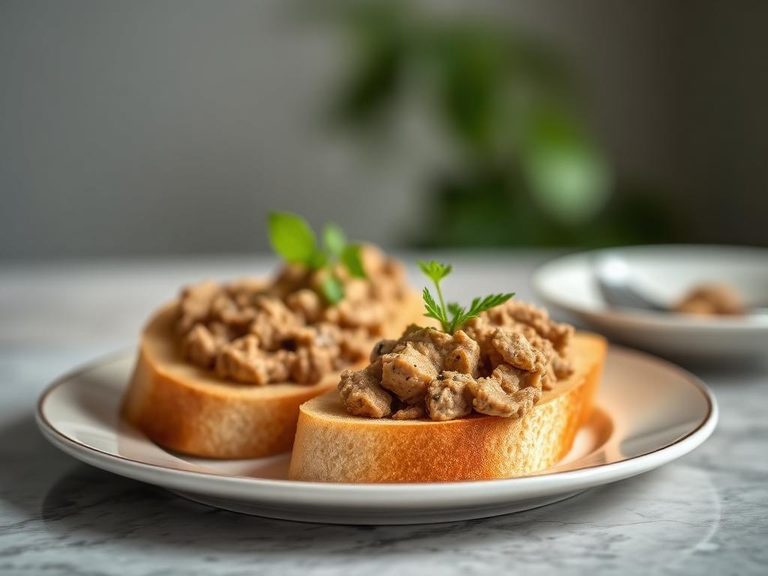
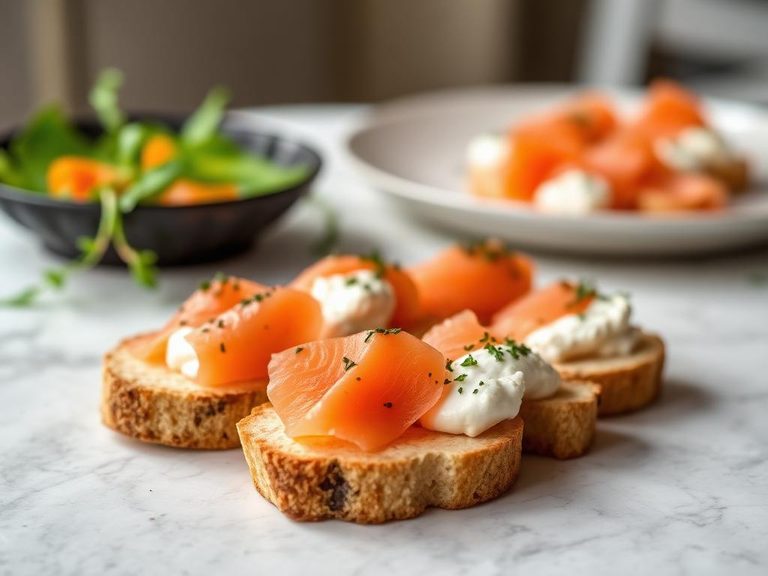
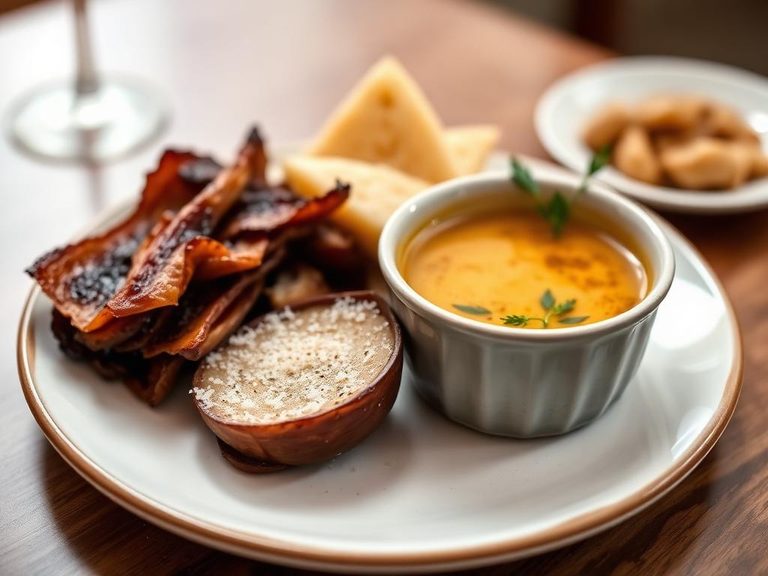
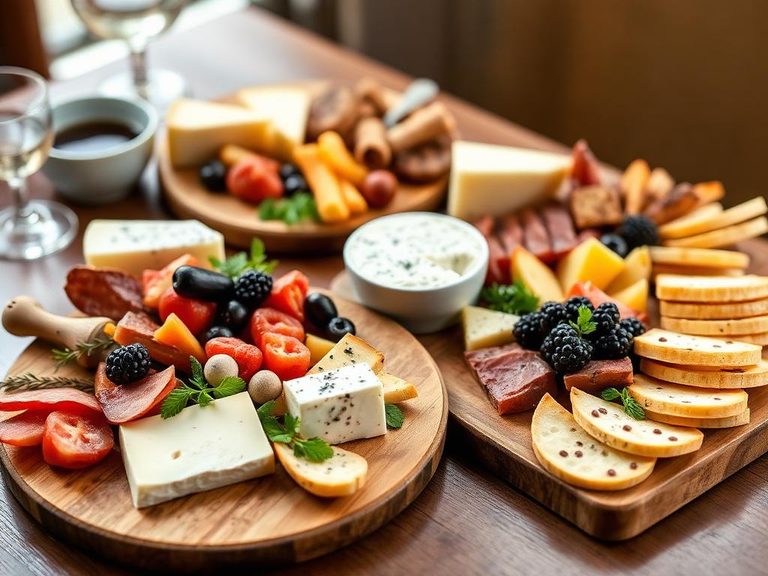
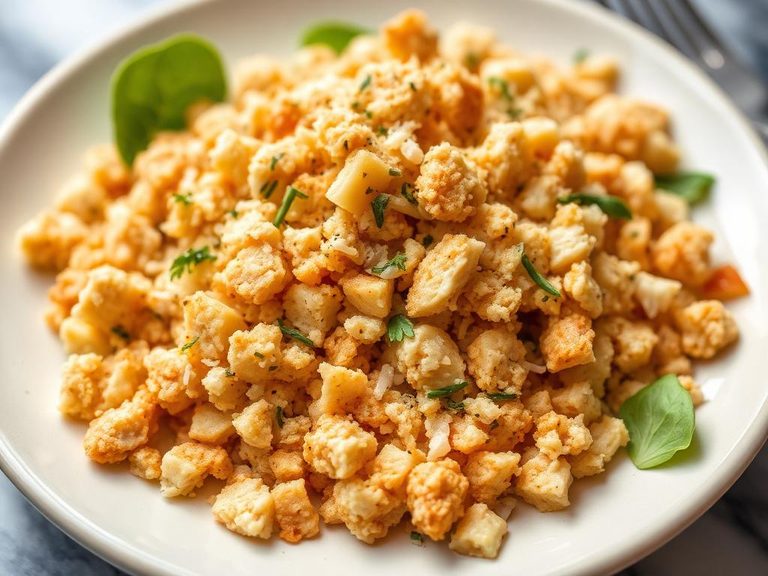
🌍 Where it's eaten
💡 Did you know?
Melba toast was named after the Australian opera singer Dame Nellie Melba, who was on a strict diet in the 1890s, and the toast was created by chef Auguste Escoffier to be light and easy to digest.
Full nutrition (USDA data · scales with serving)
| Water | 4.9 g |
| Energy | 389 kcal |
| Energy | 1628 kj |
| Protein | 11.6 g |
| Total lipid (fat) | 3.4 g |
| Ash | 2.9 g |
| Carbohydrate, by difference | 77.3 g |
| Fiber, total dietary | 8.0 g |
| Calcium, Ca | 78.0 mg |
| Iron, Fe | 3.7 mg |
| Magnesium, Mg | 39.0 mg |
| Phosphorus, P | 183 mg |
| Potassium, K | 193 mg |
| Sodium, Na | 899 mg |
| Zinc, Zn | 1.4 mg |
| Copper, Cu | 0.40 mg |
| Manganese, Mn | 0.74 mg |
| Selenium, Se | 38.7 ug |
| Vitamin C, total ascorbic acid | 0.00 mg |
| Thiamin | 0.47 mg |
| Riboflavin | 0.28 mg |
| Niacin | 4.7 mg |
| Pantothenic acid | 0.48 mg |
| Vitamin B-6 | 0.09 mg |
| Folate, total | 85.0 ug |
| Folic acid | 63.0 ug |
| Folate, food | 22.0 ug |
| Folate, DFE | 129 ug |
| Vitamin B-12 | 0.00 ug |
| Vitamin A, RAE | 0.00 ug |
| Retinol | 0.00 ug |
| Vitamin A, IU | 0.00 iu |
| Alcohol, ethyl | 0.00 g |
Fat & fatty acid profile (per 100g)
| Fatty acids, total saturated | 0.45 g |
| SFA 4:0 | 0.00 g |
| SFA 6:0 | 0.00 g |
| SFA 8:0 | 0.00 g |
| SFA 10:0 | 0.00 g |
| SFA 12:0 | 0.00 g |
| SFA 14:0 | 0.00 g |
| SFA 16:0 | 0.36 g |
| SFA 18:0 | 0.09 g |
| Fatty acids, total monounsaturated | 0.91 g |
| MUFA 16:1 | 0.03 g |
| MUFA 18:1 | 0.88 g |
| MUFA 20:1 | 0.00 g |
| MUFA 22:1 | 0.00 g |
| Fatty acids, total polyunsaturated | 1.3 g |
| PUFA 18:2 | 1.2 g |
| PUFA 18:3 | 0.11 g |
| PUFA 18:4 | 0.00 g |
| PUFA 20:4 | 0.00 g |
| PUFA 20:5 n-3 (EPA) | 0.00 g |
| PUFA 22:5 n-3 (DPA) | 0.00 g |
| PUFA 22:6 n-3 (DHA) | 0.00 g |
| Cholesterol | 0.00 mg |
Amino acid profile (per 100g)
| Tryptophan | 0.13 g |
| Threonine | 0.36 g |
| Isoleucine | 0.45 g |
| Leucine | 0.80 g |
| Lysine | 0.34 g |
| Methionine | 0.19 g |
| Cystine | 0.24 g |
| Phenylalanine | 0.57 g |
| Tyrosine | 0.29 g |
| Valine | 0.53 g |
| Arginine | 0.46 g |
| Histidine | 0.25 g |
| Alanine | 0.42 g |
| Aspartic acid | 0.63 g |
| Glutamic acid | 3.5 g |
| Glycine | 0.42 g |
| Proline | 1.2 g |
| Serine | 0.58 g |
FAQ
Is rye melba toast gluten-free?
No, rye melba toast contains gluten from rye flour. Individuals with celiac disease or gluten sensitivity should avoid it.
How does rye melba toast differ from regular melba toast?
Rye melba toast is made with rye flour (sometimes pumpernickel), giving it a darker color, a more robust, earthy flavor, and a slightly denser texture compared to the lighter, milder white-flour version.
Can I eat melba toast on a low-carb diet?
Melba toast is very high in carbohydrates (77.3g per 100g) and is not suitable for strict low-carb or ketogenic diets. It is best enjoyed in moderation as part of a balanced diet.
Nutrient density (calculated · NRF9.3)
Nutrient Rich Foods index: beneficial nutrients (protein, fiber, vitamins, minerals) minus saturated fat, added sugar & sodium, per 100 kcal.
NRF9.3 index — Fulgoni, Keast & Drewnowski, 2009. Computed from USDA nutrients.
Weight-loss friendliness (composite index)
Energy density 3.89 kcal/g · 12% calories from protein · 8.0 g fiber · 0.0 g sugar per 100 g.
Composite of energy density (Rolls et al., 1999), protein & fiber satiety, minus sugar. A calculated heuristic — ranks satiety-per-calorie, not a clinical measure.
Dietary load (calculated from USDA values)
Potential renal acid load. Positive = acid-forming, negative = alkaline-forming.
Sodium-to-potassium ratio: 4.66 (lower is better — aim for ≤ 1)
Sodium:potassium per WHO potassium guidance. Computed from USDA nutrients.