

Bread, Italian, Grecian, Armenian
Common food

Photo: Wikipedia
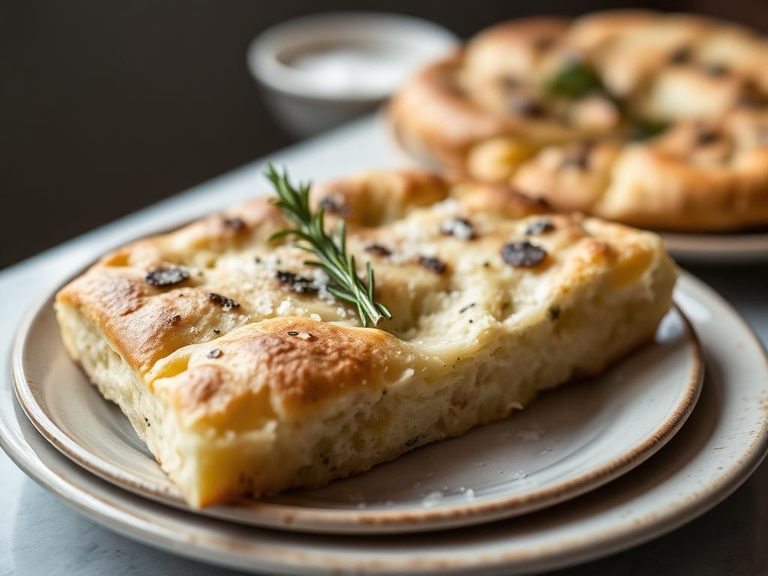
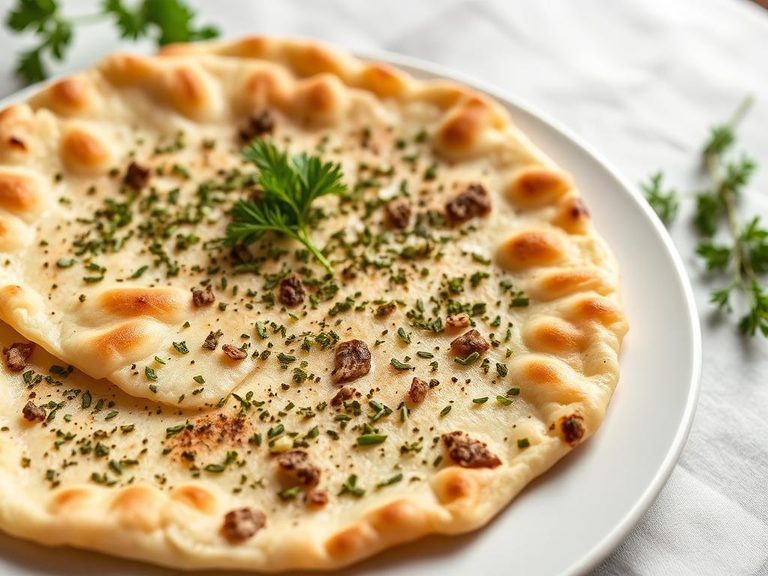
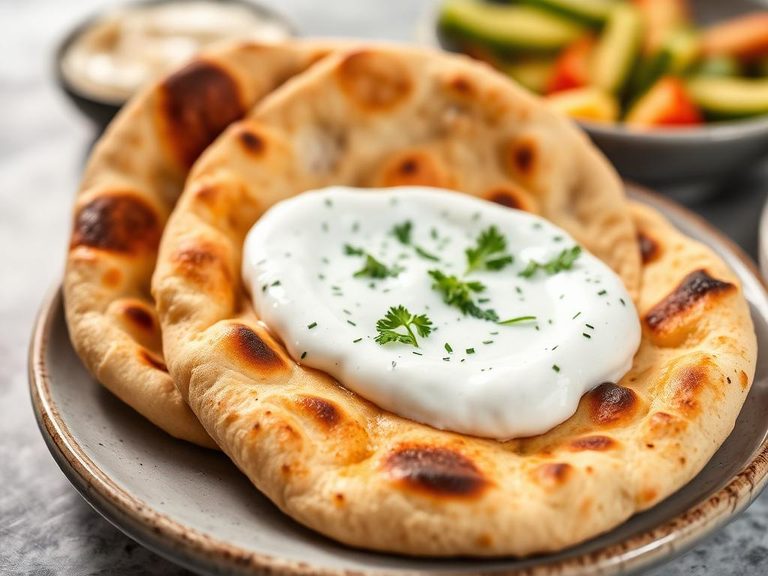
A hearty, rustic flatbread with a crisp, golden crust and a soft, chewy interior, often featuring a subtle tang from long fermentation. This family of breads—spanning Italian focaccia, Greek pita, and Armenian lavash—is nutritionally notable for its high carbohydrate content and relatively low fat, making it a potent energy source.
Calorie split: 15% protein · 75% carbs · 10% fat
↓ Full nutrition💚 Why it's loved
People cherish this bread for its comforting, yeasty aroma and satisfying texture that perfectly soaks up sauces, olive oil, and dips. Its deep cultural roots make it a staple of communal meals, from Italian antipasto platters to Greek mezze and Armenian family gatherings.
⚠️ Watch-outs & how to enjoy it better
Its high glycemic load can cause rapid blood-sugar spikes, particularly for those with insulin resistance or diabetes. To mitigate this, always pair it with protein (like hummus, cheese, or grilled meat) and healthy fats (like olive oil) to slow digestion, and be mindful of portion sizes.
Key benefits
- Excellent source of quick energy from complex carbohydrates
- Low in fat, supporting a heart-healthy diet
- Provides some dietary fiber for digestive health
- Contains plant-based protein for muscle maintenance
- Versatile base for nutrient-dense meals
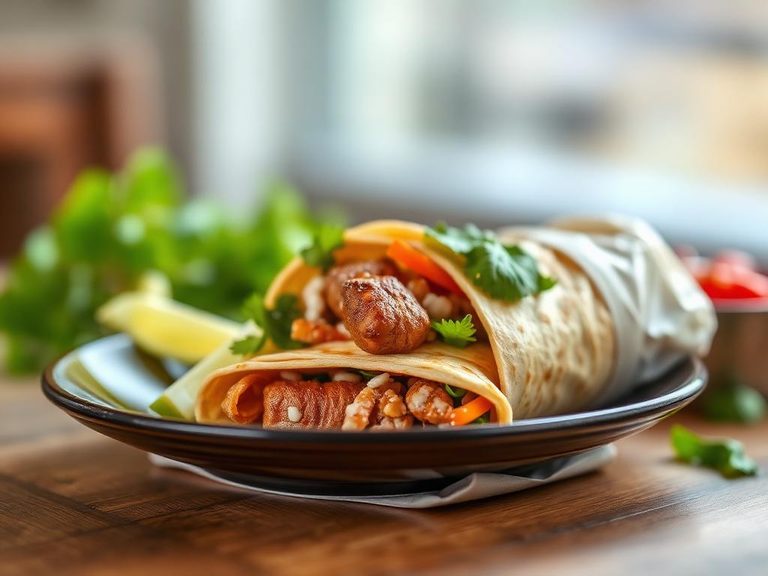
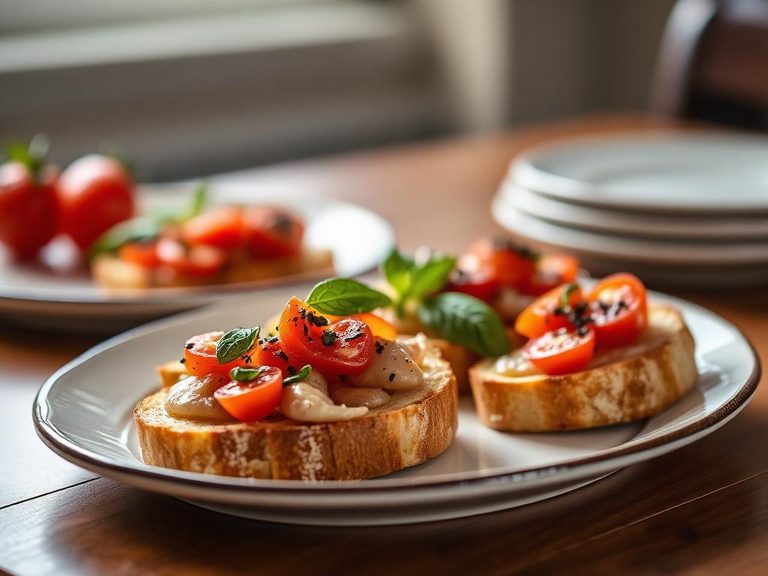
🍽️ Popular dishes
🌍 Where it's eaten
💡 Did you know?
Traditional Armenian lavash is so thin it can be stored dried for months, then rehydrated by sprinkling with water before serving.
Full nutrition (USDA data · scales with serving)
| Water | 37.5 g |
| Energy | 259 kcal |
| Protein | 9.5 g |
| Total lipid (fat) | 2.7 g |
| Carbohydrate, by difference | 48.1 g |
| Fiber, total dietary | 2.1 g |
| Total Sugars | 4.7 g |
| Calcium, Ca | 105 mg |
| Iron, Fe | 3.5 mg |
| Magnesium, Mg | 26.0 mg |
| Phosphorus, P | 95.0 mg |
| Potassium, K | 124 mg |
| Sodium, Na | 618 mg |
| Zinc, Zn | 0.79 mg |
| Copper, Cu | 0.12 mg |
| Selenium, Se | 17.2 ug |
| Vitamin C, total ascorbic acid | 0.00 mg |
| Thiamin | 0.58 mg |
| Riboflavin | 0.32 mg |
| Niacin | 4.5 mg |
| Vitamin B-6 | 0.10 mg |
| Folate, total | 107 ug |
| Folic acid | 77.0 ug |
| Folate, food | 102 ug |
| Folate, DFE | 161 ug |
| Choline, total | 14.6 mg |
| Vitamin B-12 | 0.00 ug |
| Vitamin B-12, added | 0.00 ug |
| Vitamin A, RAE | 0.00 ug |
| Retinol | 0.00 ug |
| Carotene, beta | 0.00 ug |
| Carotene, alpha | 0.00 ug |
| Cryptoxanthin, beta | 0.00 ug |
| Lycopene | 0.00 ug |
| Lutein + zeaxanthin | 48.0 ug |
| Vitamin E (alpha-tocopherol) | 0.29 mg |
| Vitamin E, added | 0.00 mg |
| Vitamin D (D2 + D3) | 0.00 ug |
| Vitamin K (phylloquinone) | 3.0 ug |
| Alcohol, ethyl | 0.00 g |
| Caffeine | 0.00 mg |
| Theobromine | 0.00 mg |
Fat & fatty acid profile (per 100g)
| Fatty acids, total saturated | 0.54 g |
| SFA 4:0 | 0.01 g |
| SFA 6:0 | 0.00 g |
| SFA 8:0 | 0.00 g |
| SFA 10:0 | 0.00 g |
| SFA 12:0 | 0.00 g |
| SFA 14:0 | 0.00 g |
| SFA 16:0 | 0.33 g |
| SFA 18:0 | 0.18 g |
| Fatty acids, total monounsaturated | 0.49 g |
| MUFA 16:1 | 0.01 g |
| MUFA 18:1 | 0.47 g |
| MUFA 20:1 | 0.01 g |
| MUFA 22:1 | 0.00 g |
| Fatty acids, total polyunsaturated | 1.3 g |
| PUFA 18:2 | 1.2 g |
| PUFA 18:3 | 0.14 g |
| PUFA 18:4 | 0.00 g |
| PUFA 20:4 | 0.00 g |
| PUFA 20:5 n-3 (EPA) | 0.00 g |
| PUFA 22:5 n-3 (DPA) | 0.00 g |
| PUFA 22:6 n-3 (DHA) | 0.00 g |
| Cholesterol | 0.00 mg |
Amino acid profile (per 100g)
Estimated from Bread, salvadoran sweet cheese (quesadilla salvadorena) — USDA does not publish this profile for Bread.
| Tryptophan | 0.07 g |
| Threonine | 0.21 g |
| Isoleucine | 0.30 g |
| Leucine | 0.65 g |
| Lysine | 0.50 g |
| Methionine | 0.28 g |
| Cystine | 0.06 g |
| Phenylalanine | 0.37 g |
| Tyrosine | 0.23 g |
| Valine | 0.43 g |
| Arginine | 0.25 g |
| Histidine | 0.15 g |
| Alanine | 0.36 g |
| Aspartic acid | 0.59 g |
| Glutamic acid | 1.3 g |
| Glycine | 0.20 g |
| Proline | 0.83 g |
| Serine | 0.45 g |
| Hydroxyproline | 0.00 g |
FAQ
How does the nutrition differ between a thick focaccia and a thin pita?
Thicker breads like focaccia often contain more olive oil, increasing the fat and calorie content. Thinner styles like pita or lavash are typically lower in fat and calories per gram.
Is this type of bread suitable for a gluten-free diet?
No, traditional Italian, Greek, and Armenian flatbreads are made from wheat flour and contain gluten, making them unsuitable for individuals with celiac disease or gluten sensitivity.
Can I freeze this bread to keep it fresh?
Yes, most of these breads freeze very well. Slice them first, then store in an airtight bag. They can be toasted directly from frozen or thawed at room temperature.
Nutrient density (calculated · NRF9.3)
Nutrient Rich Foods index: beneficial nutrients (protein, fiber, vitamins, minerals) minus saturated fat, added sugar & sodium, per 100 kcal.
NRF9.3 index — Fulgoni, Keast & Drewnowski, 2009. Computed from USDA nutrients.
Weight-loss friendliness (composite index)
Energy density 2.59 kcal/g · 15% calories from protein · 2.1 g fiber · 4.7 g sugar per 100 g.
Composite of energy density (Rolls et al., 1999), protein & fiber satiety, minus sugar. A calculated heuristic — ranks satiety-per-calorie, not a clinical measure.
Dietary load (calculated from USDA values)
Potential renal acid load. Positive = acid-forming, negative = alkaline-forming.
Sodium-to-potassium ratio: 4.98 (lower is better — aim for ≤ 1)
Sodium:potassium per WHO potassium guidance. Computed from USDA nutrients.