

Bread, Italian, Grecian, Armenian, toasted
Common food

Photo: Wikipedia
This is a hearty, rustic flatbread from the Eastern Mediterranean, characterized by its crisp, toasted exterior and a chewy, airy crumb. It's a staple for scooping dips and absorbing sauces, offering a satisfying, toasty flavor with a notably high protein content for a bread. Nutritionally, it's a significant source of complex carbohydrates for energy, with a modest amount of fiber.
Calorie split: 15% protein · 75% carbs · 10% fat
↓ Full nutrition💚 Why it's loved
People love its robust, chewy texture that holds up perfectly for dipping and its satisfying, toasty flavor that complements a wide range of savory dishes. It's a cultural staple that brings a sense of tradition and heartiness to any meal.
⚠️ Watch-outs & how to enjoy it better
As a refined carbohydrate, it can cause rapid blood-sugar spikes if eaten alone, which is a consideration for diabetics. To mitigate this, pair it with protein-rich foods like hummus, labneh, or grilled meats, or fiber-rich vegetables. Its dry, toasted nature can also be challenging for those with dental issues.
Key benefits
- High in plant-based protein for muscle maintenance.
- Excellent source of complex carbohydrates for sustained energy.
- Low in fat, making it a lean carbohydrate choice.
- Contains dietary fiber to support digestive health.
- Provides a quick, energy-dense fuel source when toasted.
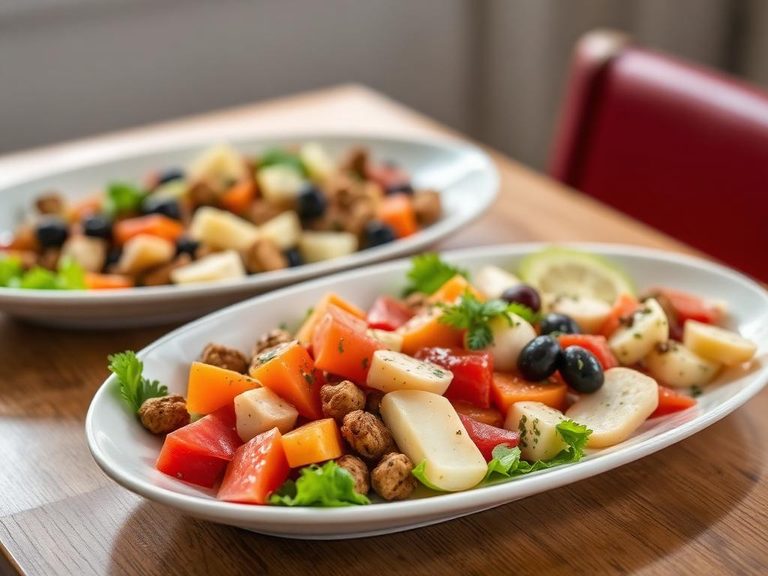
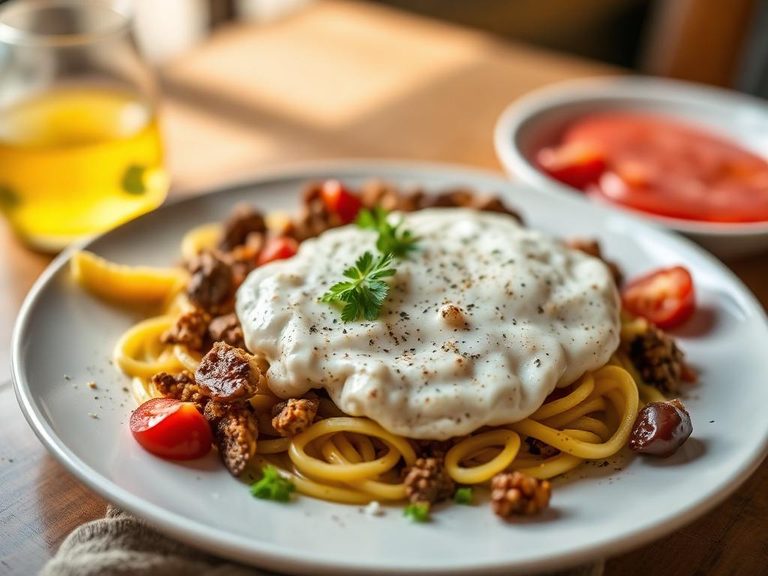
🍽️ Popular dishes
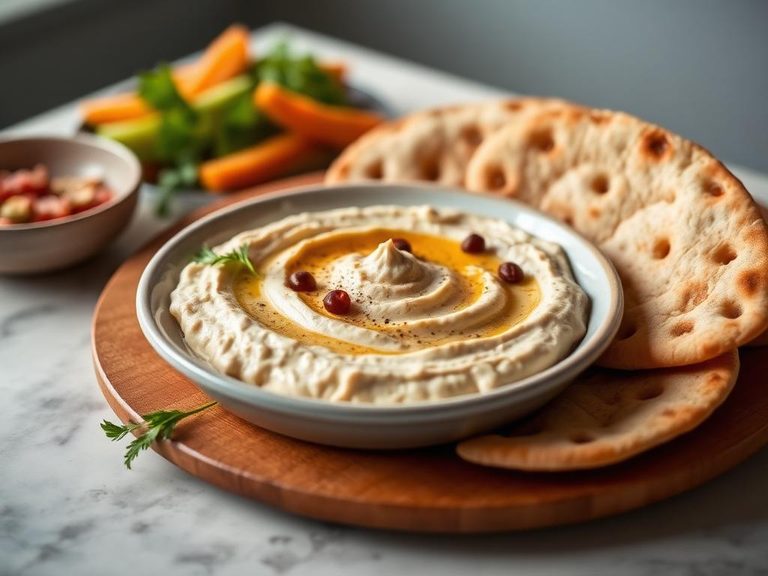
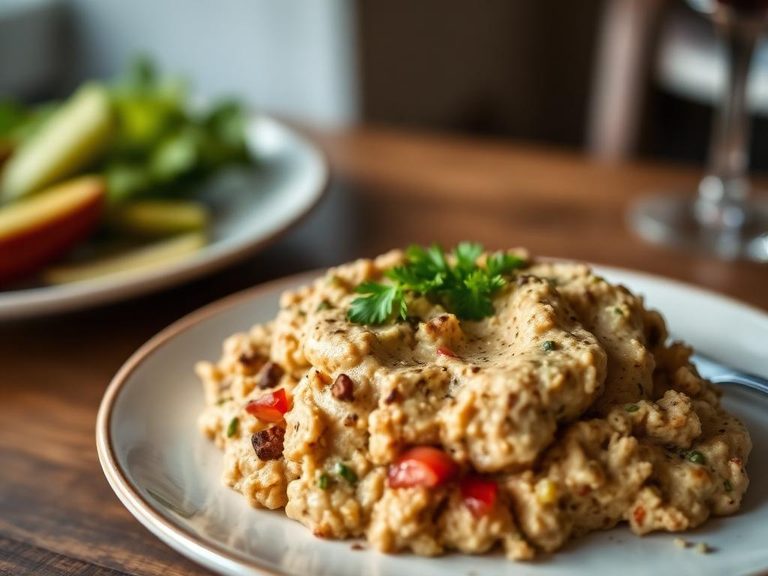
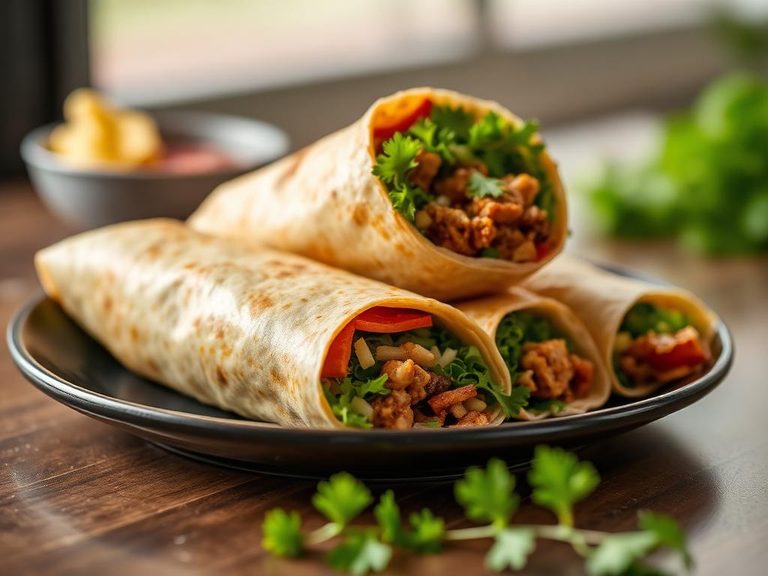
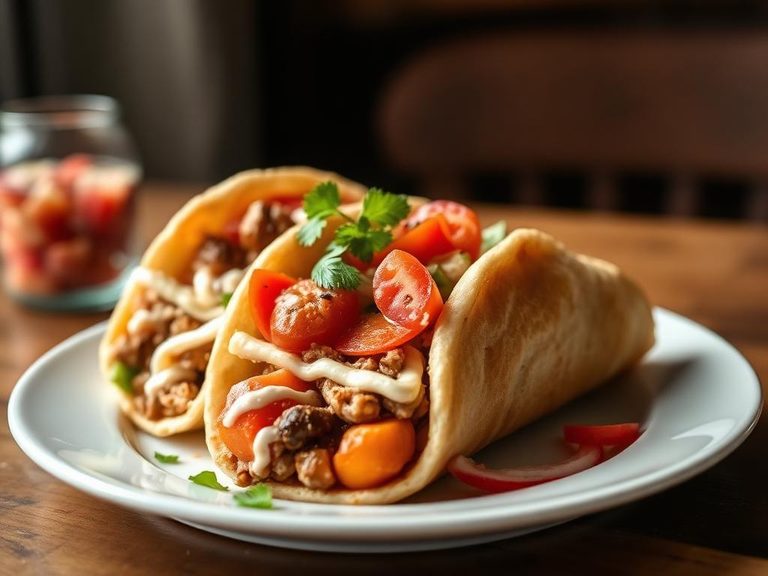
🌍 Where it's eaten
💡 Did you know?
The word 'pita' comes from Greek, meaning 'pie' or 'cake,' and its pocket is formed by steam during baking, creating a natural pocket perfect for stuffing.
Full nutrition (USDA data · scales with serving)
| Water | 31.4 g |
| Energy | 285 kcal |
| Protein | 10.4 g |
| Total lipid (fat) | 3.0 g |
| Carbohydrate, by difference | 52.9 g |
| Fiber, total dietary | 2.3 g |
| Total Sugars | 5.2 g |
| Calcium, Ca | 115 mg |
| Iron, Fe | 3.8 mg |
| Magnesium, Mg | 29.0 mg |
| Phosphorus, P | 104 mg |
| Potassium, K | 136 mg |
| Sodium, Na | 679 mg |
| Zinc, Zn | 0.87 mg |
| Copper, Cu | 0.13 mg |
| Selenium, Se | 18.9 ug |
| Vitamin C, total ascorbic acid | 0.00 mg |
| Thiamin | 0.51 mg |
| Riboflavin | 0.35 mg |
| Niacin | 5.0 mg |
| Vitamin B-6 | 0.11 mg |
| Folate, total | 100 ug |
| Folic acid | 72.0 ug |
| Folate, food | 95.0 ug |
| Folate, DFE | 150 ug |
| Choline, total | 16.0 mg |
| Vitamin B-12 | 0.00 ug |
| Vitamin B-12, added | 0.00 ug |
| Vitamin A, RAE | 0.00 ug |
| Retinol | 0.00 ug |
| Carotene, beta | 0.00 ug |
| Carotene, alpha | 0.00 ug |
| Cryptoxanthin, beta | 0.00 ug |
| Lycopene | 0.00 ug |
| Lutein + zeaxanthin | 50.0 ug |
| Vitamin E (alpha-tocopherol) | 0.32 mg |
| Vitamin E, added | 0.00 mg |
| Vitamin D (D2 + D3) | 0.00 ug |
| Vitamin K (phylloquinone) | 3.3 ug |
| Alcohol, ethyl | 0.00 g |
| Caffeine | 0.00 mg |
| Theobromine | 0.00 mg |
Fat & fatty acid profile (per 100g)
| Fatty acids, total saturated | 0.60 g |
| SFA 4:0 | 0.01 g |
| SFA 6:0 | 0.00 g |
| SFA 8:0 | 0.00 g |
| SFA 10:0 | 0.00 g |
| SFA 12:0 | 0.00 g |
| SFA 14:0 | 0.00 g |
| SFA 16:0 | 0.36 g |
| SFA 18:0 | 0.20 g |
| Fatty acids, total monounsaturated | 0.54 g |
| MUFA 16:1 | 0.01 g |
| MUFA 18:1 | 0.52 g |
| MUFA 20:1 | 0.01 g |
| MUFA 22:1 | 0.00 g |
| Fatty acids, total polyunsaturated | 1.4 g |
| PUFA 18:2 | 1.3 g |
| PUFA 18:3 | 0.15 g |
| PUFA 18:4 | 0.00 g |
| PUFA 20:4 | 0.00 g |
| PUFA 20:5 n-3 (EPA) | 0.00 g |
| PUFA 22:5 n-3 (DPA) | 0.00 g |
| PUFA 22:6 n-3 (DHA) | 0.00 g |
| Cholesterol | 0.00 mg |
Amino acid profile (per 100g)
Estimated from Bread, salvadoran sweet cheese (quesadilla salvadorena) — USDA does not publish this profile for Bread.
| Tryptophan | 0.07 g |
| Threonine | 0.21 g |
| Isoleucine | 0.30 g |
| Leucine | 0.65 g |
| Lysine | 0.50 g |
| Methionine | 0.28 g |
| Cystine | 0.06 g |
| Phenylalanine | 0.37 g |
| Tyrosine | 0.23 g |
| Valine | 0.43 g |
| Arginine | 0.25 g |
| Histidine | 0.15 g |
| Alanine | 0.36 g |
| Aspartic acid | 0.59 g |
| Glutamic acid | 1.3 g |
| Glycine | 0.20 g |
| Proline | 0.83 g |
| Serine | 0.45 g |
| Hydroxyproline | 0.00 g |
FAQ
What is the difference between pita and naan?
Pita is typically a leaner, pocketless or pocketed flatbread from the Eastern Mediterranean, while naan is an Indian leavened bread enriched with yogurt and/or milk, often cooked in a tandoor and brushed with butter or ghee.
Is toasted pita healthier than plain?
Toasting doesn't significantly change the macronutrient profile but can make it easier to digest for some and provides a different texture. The key health impact comes from what you pair it with.
Can I make this bread gluten-free?
Traditional pita is made from wheat flour and contains gluten. Gluten-free versions can be made using alternative flours like chickpea or rice flour, but they will have a different texture and nutritional profile.
Nutrient density (calculated · NRF9.3)
Nutrient Rich Foods index: beneficial nutrients (protein, fiber, vitamins, minerals) minus saturated fat, added sugar & sodium, per 100 kcal.
NRF9.3 index — Fulgoni, Keast & Drewnowski, 2009. Computed from USDA nutrients.
Weight-loss friendliness (composite index)
Energy density 2.85 kcal/g · 15% calories from protein · 2.3 g fiber · 5.2 g sugar per 100 g.
Composite of energy density (Rolls et al., 1999), protein & fiber satiety, minus sugar. A calculated heuristic — ranks satiety-per-calorie, not a clinical measure.
Dietary load (calculated from USDA values)
Potential renal acid load. Positive = acid-forming, negative = alkaline-forming.
Sodium-to-potassium ratio: 4.99 (lower is better — aim for ≤ 1)
Sodium:potassium per WHO potassium guidance. Computed from USDA nutrients.