

Beverages, Protein powder whey based
Whole food · Beverages

Photo: Wikipedia
A fine, dry powder derived from whey, the liquid byproduct of cheese production. It has a mild, slightly milky or sweet taste and a smooth, dissolvable texture when mixed. Nutritionally, it is an exceptionally dense source of protein, providing over 78g per 100g with minimal fat and carbohydrates.
Calorie split: 89% protein · 7% carbs · 4% fat
↓ Full nutrition💚 Why it's loved
It's beloved for its incredible convenience and versatility, allowing a significant protein boost to be mixed into shakes, oatmeal, or baked goods in seconds. The wide array of available flavors, from classic chocolate to exotic fruit, makes it an enjoyable staple for fitness enthusiasts and busy individuals alike.
⚠️ Watch-outs & how to enjoy it better
Some may experience digestive discomfort like bloating or gas, especially if lactose intolerant, as whey is a dairy derivative. To mitigate this, start with a smaller portion, choose a whey isolate (which has less lactose), or pair it with a digestive enzyme. Additionally, flavored powders can contain added sugars or artificial sweeteners; opting for unflavored versions and adding your own fruit or spices gives you control.
Key benefits
- Supports muscle repair and growth after exercise.
- High in leucine, a key amino acid for triggering muscle protein synthesis.
- Convenient, portable source of complete protein.
- Can help increase satiety and support weight management goals.
- Rapidly absorbed by the body.
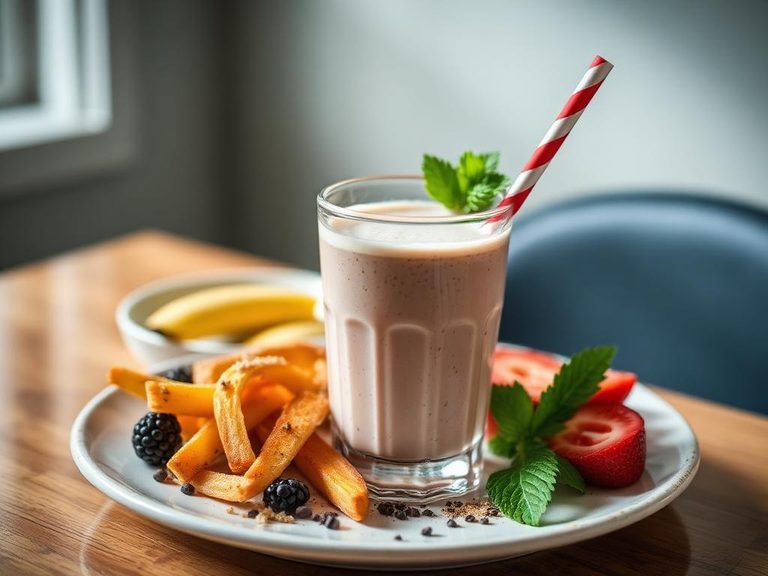
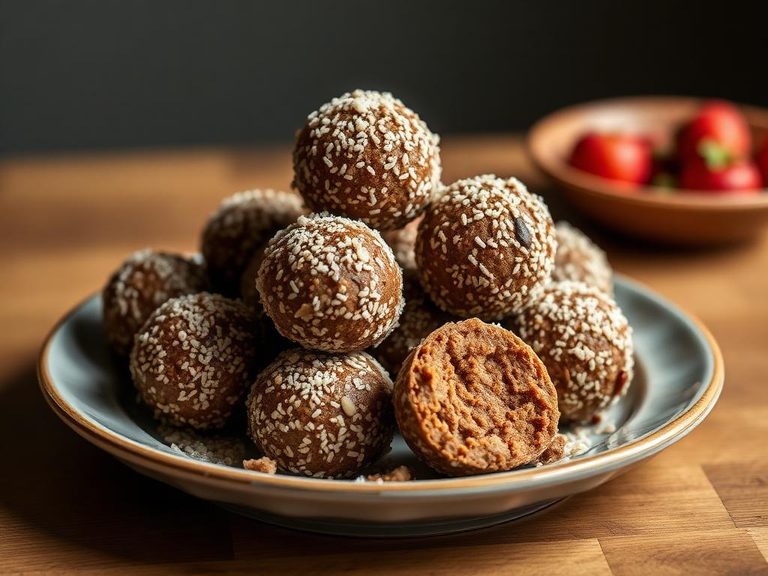
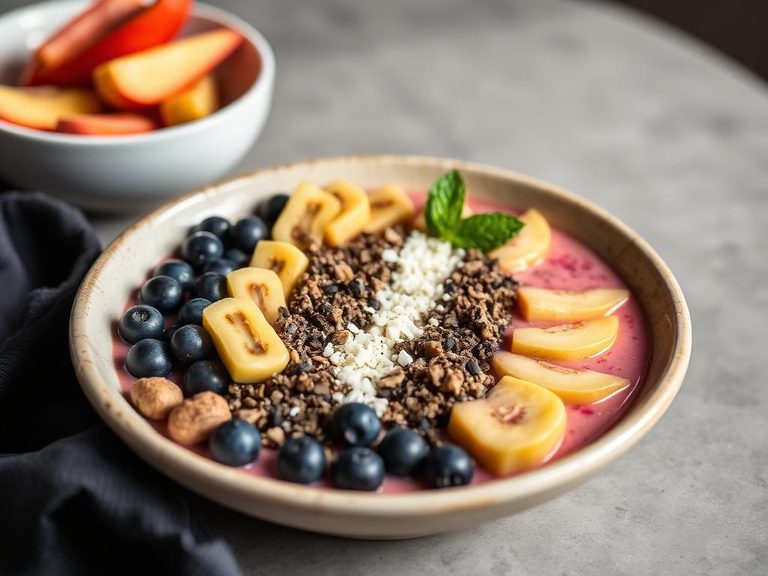
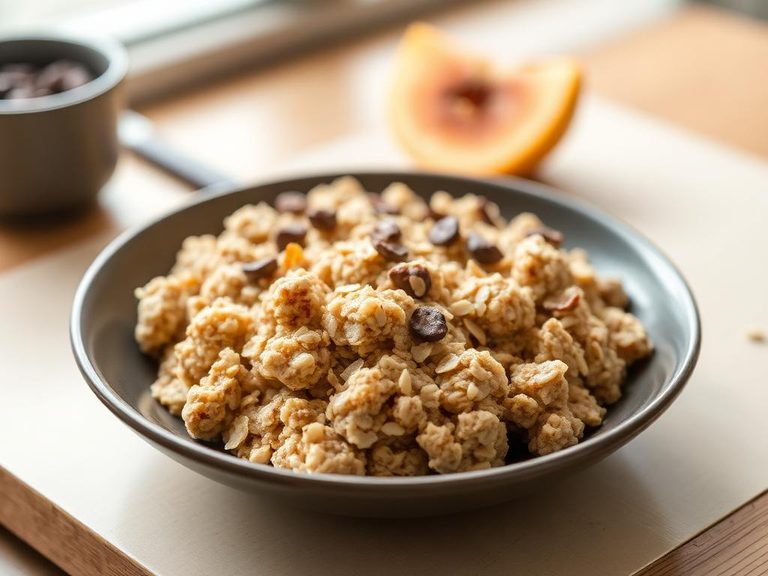
🍽️ Popular dishes

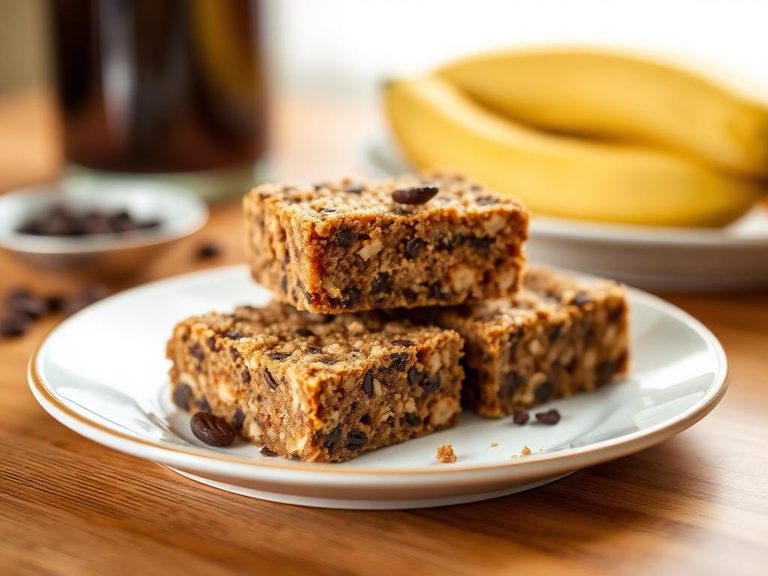
🌍 Where it's eaten
💡 Did you know?
The primary source of whey protein is actually a byproduct of cheese making; for every kilogram of cheese produced, 9 kilograms of liquid whey are generated, which was once largely discarded.
Full nutrition (USDA data · scales with serving)
| Water | 3.4 g |
| Energy | 352 kcal |
| Energy | 1472 kj |
| Protein | 78.1 g |
| Total lipid (fat) | 1.6 g |
| Ash | 10.6 g |
| Carbohydrate, by difference | 6.3 g |
| Fiber, total dietary | 3.1 g |
| Total Sugars | 0.00 g |
| Calcium, Ca | 469 mg |
| Iron, Fe | 1.1 mg |
| Magnesium, Mg | 195 mg |
| Phosphorus, P | 1321 mg |
| Potassium, K | 500 mg |
| Sodium, Na | 156 mg |
| Zinc, Zn | 6.2 mg |
| Copper, Cu | 0.05 mg |
| Selenium, Se | 26.7 ug |
| Vitamin C, total ascorbic acid | 0.00 mg |
| Thiamin | 0.61 mg |
| Riboflavin | 2.0 mg |
| Niacin | 1.1 mg |
| Pantothenic acid | 5.5 mg |
| Vitamin B-6 | 0.61 mg |
| Folate, total | 33.0 ug |
| Folic acid | 0.00 ug |
| Folate, food | 33.0 ug |
| Folate, DFE | 33.0 ug |
| Choline, total | 224 mg |
| Vitamin B-12 | 2.5 ug |
| Vitamin B-12, added | 0.00 ug |
| Vitamin A, RAE | 0.00 ug |
| Retinol | 0.00 ug |
| Carotene, beta | 0.00 ug |
| Carotene, alpha | 0.00 ug |
| Cryptoxanthin, beta | 0.00 ug |
| Vitamin A, IU | 0.00 iu |
| Lycopene | 0.00 ug |
| Lutein + zeaxanthin | 0.00 ug |
| Vitamin E (alpha-tocopherol) | 0.00 mg |
| Vitamin E, added | 0.00 mg |
| Vitamin D (D2 + D3), International Units | 0.00 iu |
| Vitamin D (D2 + D3) | 0.00 ug |
| Vitamin K (phylloquinone) | 0.00 ug |
| Alcohol, ethyl | 0.00 g |
| Caffeine | 0.00 mg |
| Theobromine | 0.00 mg |
Fat & fatty acid profile (per 100g)
| Fatty acids, total saturated | 0.78 g |
| SFA 4:0 | 0.04 g |
| SFA 6:0 | 0.01 g |
| SFA 8:0 | 0.01 g |
| SFA 10:0 | 0.02 g |
| SFA 12:0 | 0.01 g |
| SFA 14:0 | 0.07 g |
| SFA 16:0 | 0.43 g |
| SFA 18:0 | 0.14 g |
| Fatty acids, total monounsaturated | 0.16 g |
| MUFA 16:1 | 0.02 g |
| MUFA 18:1 | 0.14 g |
| MUFA 20:1 | 0.00 g |
| MUFA 22:1 | 0.00 g |
| Fatty acids, total polyunsaturated | 0.30 g |
| PUFA 18:2 | 0.26 g |
| PUFA 18:3 | 0.03 g |
| PUFA 18:4 | 0.00 g |
| PUFA 20:4 | 0.00 g |
| PUFA 20:5 n-3 (EPA) | 0.00 g |
| PUFA 22:5 n-3 (DPA) | 0.00 g |
| PUFA 22:6 n-3 (DHA) | 0.00 g |
| Fatty acids, total trans | 0.00 g |
| Cholesterol | 16.0 mg |
Amino acid profile (per 100g)
Estimated from Beverages, carbonated, tonic water — USDA does not publish this profile for Beverages.
| Tryptophan | 0.00 g |
| Threonine | 0.00 g |
| Isoleucine | 0.00 g |
| Leucine | 0.00 g |
| Lysine | 0.00 g |
| Methionine | 0.00 g |
| Cystine | 0.00 g |
| Phenylalanine | 0.00 g |
| Tyrosine | 0.00 g |
| Valine | 0.00 g |
| Arginine | 0.00 g |
| Histidine | 0.00 g |
| Alanine | 0.00 g |
| Aspartic acid | 0.00 g |
| Glutamic acid | 0.00 g |
| Glycine | 0.00 g |
| Proline | 0.00 g |
| Serine | 0.00 g |
FAQ
Is whey protein only for bodybuilders?
No. While popular in bodybuilding, it's used by anyone needing a convenient protein source, including athletes, older adults to maintain muscle mass, and people with busy lifestyles or dietary restrictions.
What's the difference between whey concentrate and isolate?
Whey concentrate retains some lactose and fat, offering a more complete nutrient profile. Whey isolate undergoes further processing to remove most lactose and fat, resulting in a higher protein percentage by weight, often preferred by those with lactose sensitivity.
Can I cook with whey protein powder?
Yes, but use low-heat methods like baking or making no-cook items. High heat can denature the protein, potentially affecting its texture and nutritional quality. It's excellent in pancakes, muffins, and energy bites.
Nutrient density (calculated · NRF9.3)
Nutrient Rich Foods index: beneficial nutrients (protein, fiber, vitamins, minerals) minus saturated fat, added sugar & sodium, per 100 kcal.
NRF9.3 index — Fulgoni, Keast & Drewnowski, 2009. Computed from USDA nutrients.
Weight-loss friendliness (composite index)
Energy density 3.52 kcal/g · 89% calories from protein · 3.1 g fiber · 0.0 g sugar per 100 g.
Composite of energy density (Rolls et al., 1999), protein & fiber satiety, minus sugar. A calculated heuristic — ranks satiety-per-calorie, not a clinical measure.
Dietary load (calculated from USDA values)
Potential renal acid load. Positive = acid-forming, negative = alkaline-forming.
Sodium-to-potassium ratio: 0.31 (lower is better — aim for ≤ 1)
Sodium:potassium per WHO potassium guidance. Computed from USDA nutrients.