

Beverages, milk beverage, reduced fat, flavored and sweetened, Ready-to-drink, added calcium, vitamin A and vitamin D
Whole food · Beverages
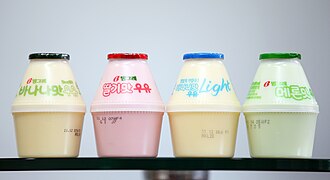
Photo: Wikipedia
This is a smooth, creamy, ready-to-drink milk beverage, typically flavored with vanilla, chocolate, or strawberry and lightly sweetened. Its texture is thinner than yogurt but richer than plain milk, offering a mildly sweet, comforting taste. Nutritionally, it's a fortified source of calcium, vitamin A, and vitamin D, providing about 77 calories and 3g of protein per 100g.
Calorie split: 16% protein · 63% carbs · 21% fat
↓ Full nutrition💚 Why it's loved
People love it for its familiar, nostalgic sweetness and the ease of grabbing a nutritionally boosted drink on the go. It's a versatile staple that works as a quick breakfast, a post-workout refuel, or a comforting treat.
⚠️ Watch-outs & how to enjoy it better
The added sugars (about 11.4g per 100g) can contribute to blood sugar spikes, making it less ideal for those monitoring glucose levels. To counteract this, pair it with a source of fiber or protein (like a handful of nuts or whole-grain crackers) to slow sugar absorption, and be mindful of portion size.
Key benefits
- Fortified with calcium for bone health
- Provides vitamins A and D for immune support
- Convenient source of protein and hydration
- Reduced-fat formula lowers saturated fat intake
🍽️ Popular dishes
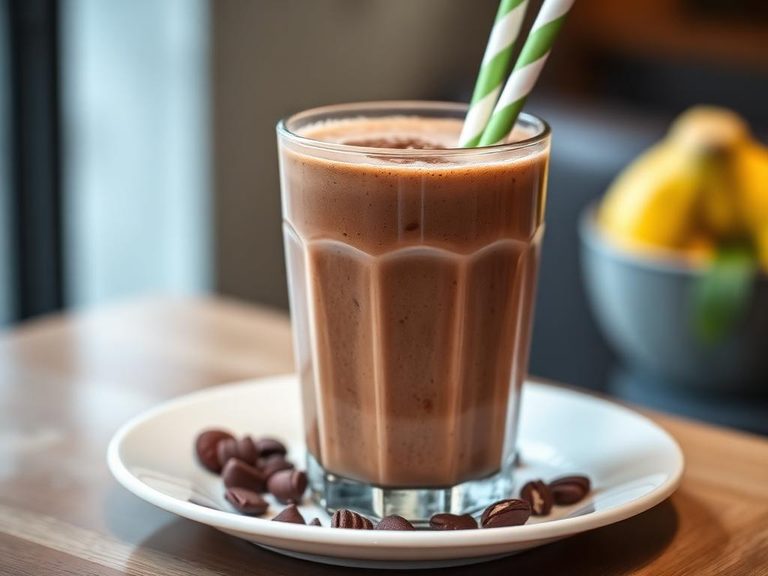
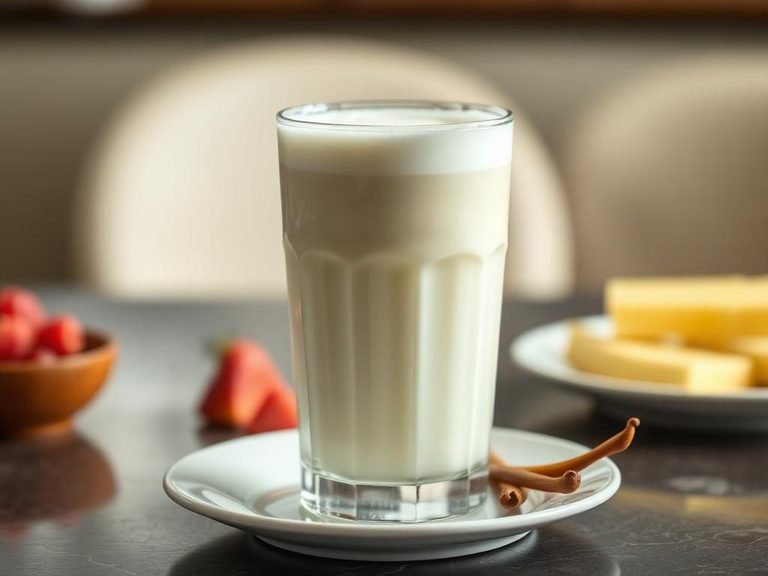
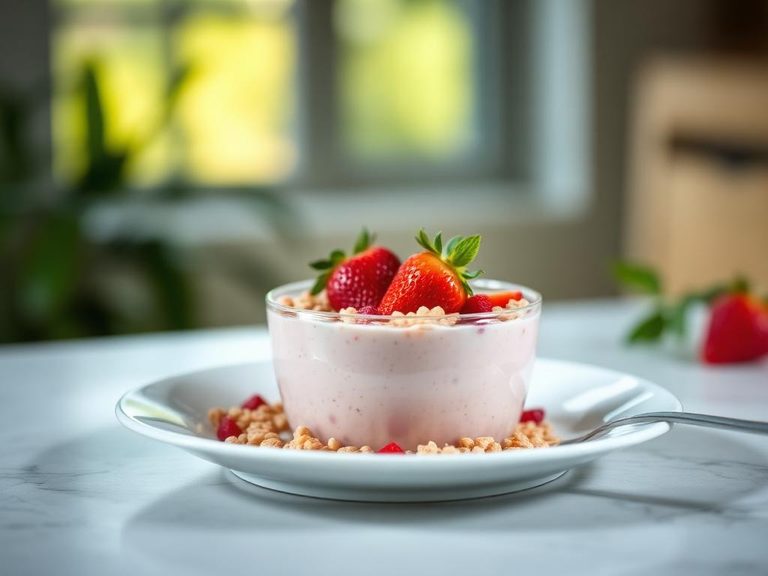

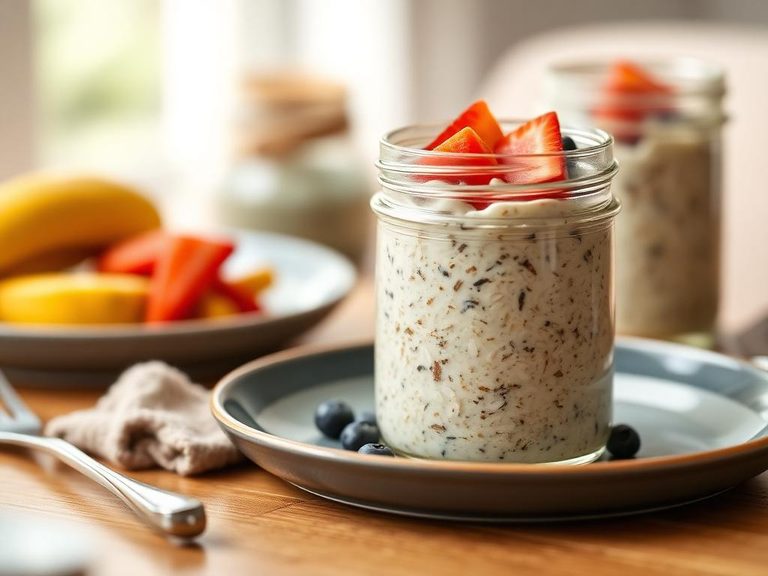
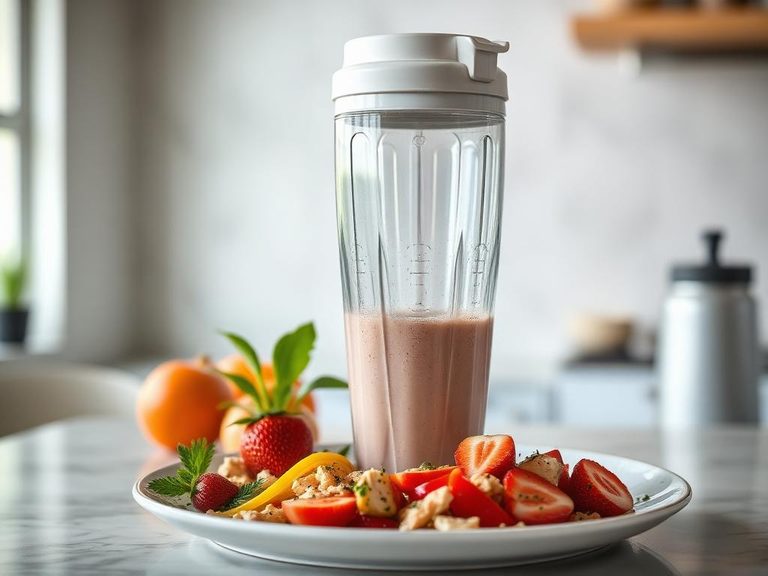
🌍 Where it's eaten
💡 Did you know?
The process of fortifying milk with vitamins A and D became widespread in the United States in the 1930s as a public health measure to combat rickets and vitamin A deficiency.
Full nutrition (USDA data · scales with serving)
| Water | 82.3 g |
| Energy | 77.0 kcal |
| Energy | 322 kj |
| Protein | 3.0 g |
| Total lipid (fat) | 1.8 g |
| Ash | 0.73 g |
| Carbohydrate, by difference | 12.1 g |
| Fiber, total dietary | 0.40 g |
| Total Sugars | 11.4 g |
| Calcium, Ca | 164 mg |
| Iron, Fe | 0.03 mg |
| Magnesium, Mg | 10.0 mg |
| Phosphorus, P | 85.0 mg |
| Potassium, K | 130 mg |
| Sodium, Na | 49.0 mg |
| Zinc, Zn | 0.45 mg |
| Copper, Cu | 0.01 mg |
| Manganese, Mn | 0.01 mg |
| Selenium, Se | 2.3 ug |
| Vitamin C, total ascorbic acid | 0.20 mg |
| Thiamin | 0.04 mg |
| Riboflavin | 0.17 mg |
| Niacin | 0.09 mg |
| Pantothenic acid | 0.33 mg |
| Vitamin B-6 | 0.04 mg |
| Folate, total | 4.0 ug |
| Folic acid | 0.00 ug |
| Folate, food | 4.0 ug |
| Folate, DFE | 4.0 ug |
| Choline, total | 15.1 mg |
| Vitamin B-12 | 0.49 ug |
| Vitamin B-12, added | 0.00 ug |
| Vitamin A, RAE | 51.0 ug |
| Retinol | 51.0 ug |
| Carotene, beta | 4.0 ug |
| Carotene, alpha | 0.00 ug |
| Cryptoxanthin, beta | 0.00 ug |
| Vitamin A, IU | 175 iu |
| Lycopene | 0.00 ug |
| Lutein + zeaxanthin | 0.00 ug |
| Vitamin E (alpha-tocopherol) | 0.03 mg |
| Vitamin E, added | 0.00 mg |
| Vitamin D (D2 + D3), International Units | 45.0 iu |
| Vitamin D (D2 + D3) | 1.1 ug |
| Vitamin K (phylloquinone) | 0.20 ug |
| Alcohol, ethyl | 0.00 g |
| Caffeine | 0.00 mg |
| Theobromine | 0.00 mg |
Fat & fatty acid profile (per 100g)
| Fatty acids, total saturated | 1.1 g |
| SFA 4:0 | 0.07 g |
| SFA 6:0 | 0.04 g |
| SFA 8:0 | 0.02 g |
| SFA 10:0 | 0.04 g |
| SFA 12:0 | 0.05 g |
| SFA 14:0 | 0.16 g |
| SFA 16:0 | 0.52 g |
| SFA 18:0 | 0.22 g |
| Fatty acids, total monounsaturated | 0.47 g |
| MUFA 16:1 | 0.03 g |
| MUFA 18:1 | 0.44 g |
| MUFA 20:1 | 0.00 g |
| MUFA 22:1 | 0.00 g |
| Fatty acids, total polyunsaturated | 0.07 g |
| PUFA 18:2 | 0.06 g |
| PUFA 18:3 | 0.01 g |
| PUFA 18:4 | 0.00 g |
| PUFA 20:4 | 0.00 g |
| PUFA 20:5 n-3 (EPA) | 0.00 g |
| PUFA 22:5 n-3 (DPA) | 0.00 g |
| PUFA 22:6 n-3 (DHA) | 0.00 g |
| Cholesterol | 8.0 mg |
Amino acid profile (per 100g)
Estimated from Beverages, carbonated, tonic water — USDA does not publish this profile for Beverages.
| Tryptophan | 0.00 g |
| Threonine | 0.00 g |
| Isoleucine | 0.00 g |
| Leucine | 0.00 g |
| Lysine | 0.00 g |
| Methionine | 0.00 g |
| Cystine | 0.00 g |
| Phenylalanine | 0.00 g |
| Tyrosine | 0.00 g |
| Valine | 0.00 g |
| Arginine | 0.00 g |
| Histidine | 0.00 g |
| Alanine | 0.00 g |
| Aspartic acid | 0.00 g |
| Glutamic acid | 0.00 g |
| Glycine | 0.00 g |
| Proline | 0.00 g |
| Serine | 0.00 g |
FAQ
How is this different from regular flavored milk?
The key difference is that this product is specifically 'reduced fat' and fortified with additional calcium and vitamins A and D, making its nutritional profile more targeted than standard flavored milk.
Is it suitable for lactose intolerant individuals?
Generally, no, as it is a milk-based beverage. However, some brands offer lactose-free versions; you must check the label for 'lactose-free' certification.
Can I use this in baking or cooking?
Yes, it can substitute for regular milk in recipes like pancakes, muffins, or creamy sauces, though it will add a slight sweetness and flavor depending on the variety used.
Nutrient density (calculated · NRF9.3)
Nutrient Rich Foods index: beneficial nutrients (protein, fiber, vitamins, minerals) minus saturated fat, added sugar & sodium, per 100 kcal.
NRF9.3 index — Fulgoni, Keast & Drewnowski, 2009. Computed from USDA nutrients.
Weight-loss friendliness (composite index)
Energy density 0.77 kcal/g · 16% calories from protein · 0.4 g fiber · 11.4 g sugar per 100 g.
Composite of energy density (Rolls et al., 1999), protein & fiber satiety, minus sugar. A calculated heuristic — ranks satiety-per-calorie, not a clinical measure.
Dietary load (calculated from USDA values)
Potential renal acid load. Positive = acid-forming, negative = alkaline-forming.
Sodium-to-potassium ratio: 0.38 (lower is better — aim for ≤ 1)
Sodium:potassium per WHO potassium guidance. Computed from USDA nutrients.