

Beverages, Malted drink mix, natural, powder, prepared with whole milk
Whole food · Beverages

Photo: Wikipedia
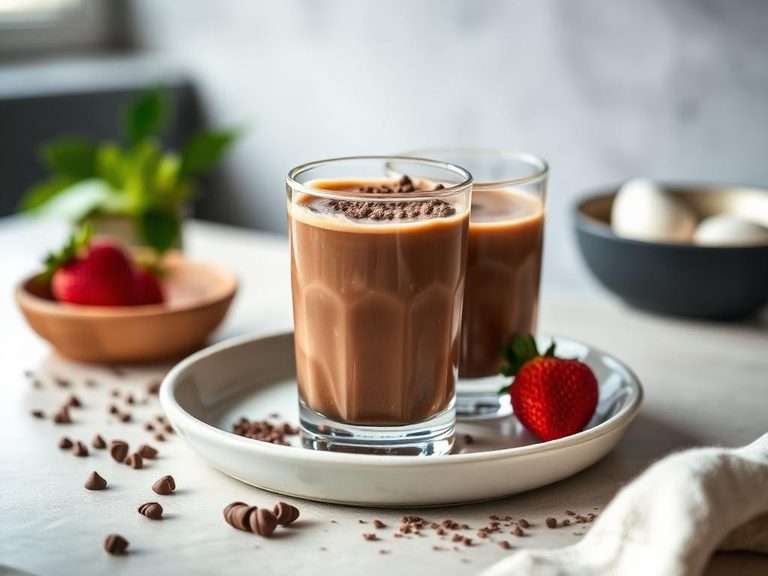
A nostalgic, creamy malted milk beverage made by blending a natural powder mix with whole milk. It offers a sweet, toasty, and distinctly malty flavor with a smooth, comforting texture. Nutritionally, it provides a quick energy boost from its carbohydrate and sugar content, alongside a modest amount of protein and fat from the whole milk base.
Calorie split: 17% protein · 46% carbs · 37% fat
↓ Full nutrition💚 Why it's loved
People love it for its uniquely comforting, sweet, and toasty malt flavor that evokes childhood nostalgia. It's cherished as a simple, warming treat that's easy to prepare and feels like a hug in a mug.
⚠️ Watch-outs & how to enjoy it better
The high sugar content can lead to rapid blood-sugar spikes, making it less suitable for those managing diabetes or seeking low-sugar options. The powdered mix often contains common allergens like wheat (malt) and milk. To counteract sugar spikes, enjoy a small portion alongside a source of protein or healthy fat (like nuts) to slow absorption, and always check labels for allergens.
Key benefits
- Provides quick energy from carbohydrates and natural sugars.
- Offers a source of protein and calcium from the whole milk base.
- A comforting, warm beverage often associated with relaxation.
- Can be a palatable way to increase calorie and nutrient intake for some.
- A versatile base for both hot and cold drinks.
🍽️ Popular dishes
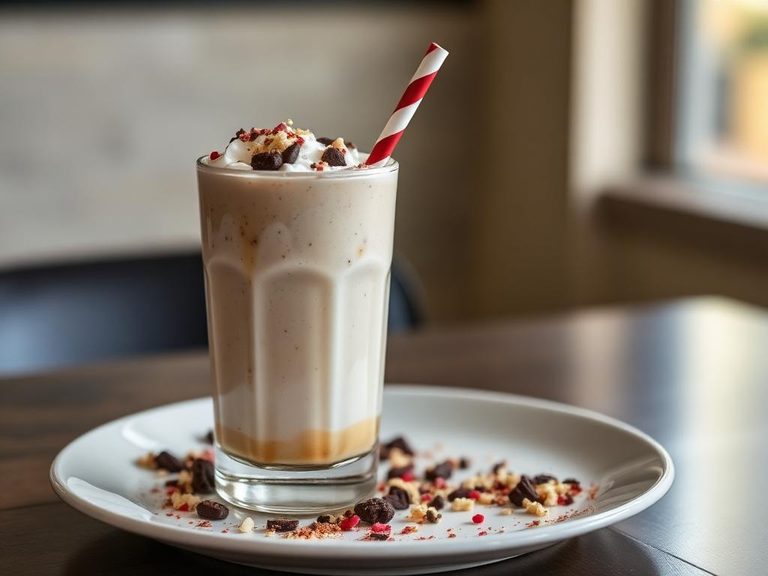
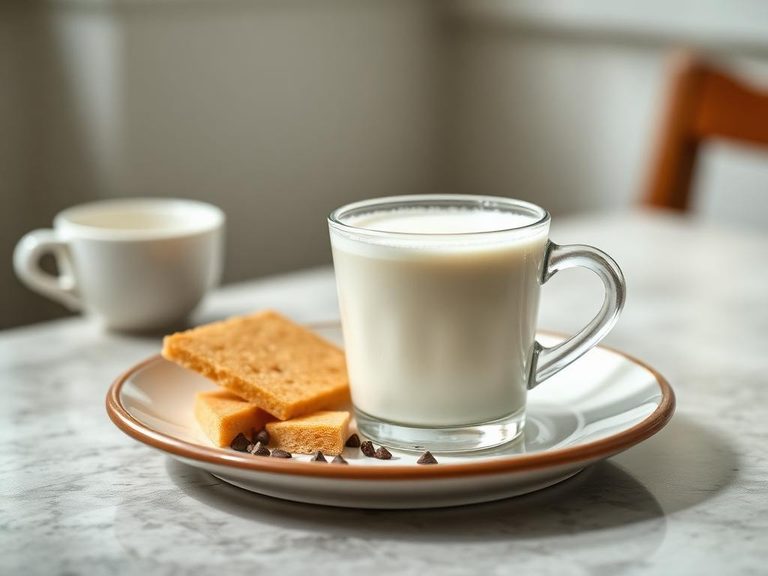
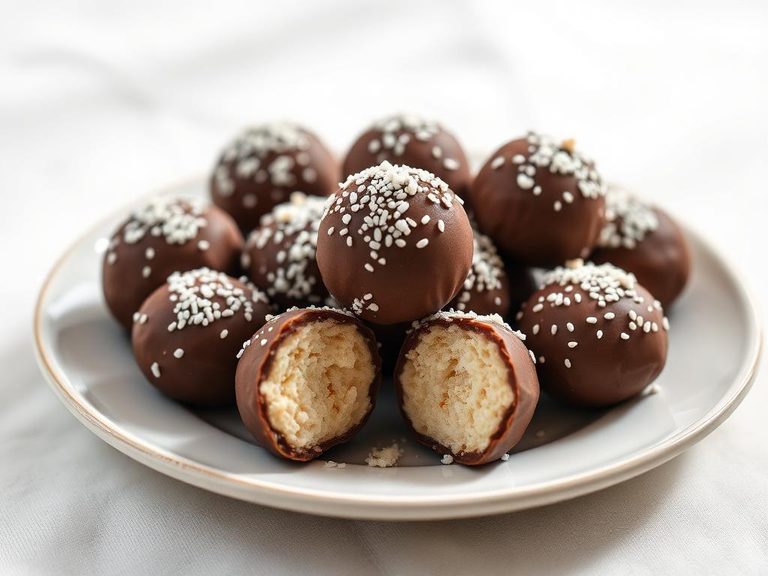
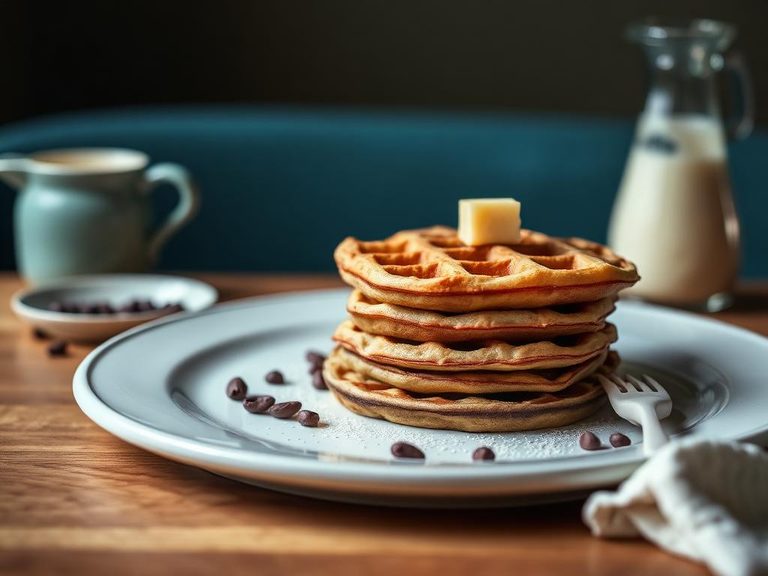
🌍 Where it's eaten
💡 Did you know?
The original 'malted milk' powder was invented in the late 19th century not as a beverage, but as a nutritional supplement for infants and invalids.
Full nutrition (USDA data · scales with serving)
| Water | 81.4 g |
| Energy | 88.0 kcal |
| Energy | 369 kj |
| Protein | 3.9 g |
| Total lipid (fat) | 3.6 g |
| Ash | 0.89 g |
| Carbohydrate, by difference | 10.2 g |
| Fiber, total dietary | 0.10 g |
| Total Sugars | 9.6 g |
| Calcium, Ca | 117 mg |
| Iron, Fe | 0.09 mg |
| Magnesium, Mg | 17.0 mg |
| Phosphorus, P | 106 mg |
| Potassium, K | 183 mg |
| Sodium, Na | 79.0 mg |
| Zinc, Zn | 0.43 mg |
| Copper, Cu | 0.04 mg |
| Manganese, Mn | 0.02 mg |
| Selenium, Se | 5.2 ug |
| Vitamin C, total ascorbic acid | 0.20 mg |
| Thiamin | 0.08 mg |
| Riboflavin | 0.24 mg |
| Niacin | 0.52 mg |
| Pantothenic acid | 0.40 mg |
| Vitamin B-6 | 0.07 mg |
| Folate, total | 8.0 ug |
| Folic acid | 0.00 ug |
| Folate, food | 8.0 ug |
| Folate, DFE | 8.0 ug |
| Vitamin B-12 | 0.46 ug |
| Vitamin A, RAE | 33.0 ug |
| Retinol | 32.0 ug |
| Carotene, beta | 6.0 ug |
| Carotene, alpha | 0.00 ug |
| Cryptoxanthin, beta | 0.00 ug |
| Vitamin A, IU | 117 iu |
| Lycopene | 0.00 ug |
| Lutein + zeaxanthin | 0.00 ug |
| Vitamin K (phylloquinone) | 0.50 ug |
| Alcohol, ethyl | 0.00 g |
| Caffeine | 0.00 mg |
| Theobromine | 0.00 mg |
Fat & fatty acid profile (per 100g)
| Fatty acids, total saturated | 2.0 g |
| SFA 4:0 | 0.09 g |
| SFA 6:0 | 0.08 g |
| SFA 8:0 | 0.07 g |
| SFA 10:0 | 0.08 g |
| SFA 12:0 | 0.09 g |
| SFA 13:0 | 0.00 g |
| SFA 14:0 | 0.32 g |
| SFA 15:0 | 0.00 g |
| SFA 16:0 | 0.92 g |
| SFA 17:0 | 0.00 g |
| SFA 18:0 | 0.40 g |
| SFA 20:0 | 0.00 g |
| SFA 22:0 | 0.00 g |
| SFA 24:0 | 0.00 g |
| Fatty acids, total monounsaturated | 0.90 g |
| MUFA 14:1 | 0.00 g |
| MUFA 16:1 | 0.01 g |
| MUFA 18:1 | 0.89 g |
| MUFA 20:1 | 0.00 g |
| MUFA 22:1 | 0.00 g |
| Fatty acids, total polyunsaturated | 0.28 g |
| PUFA 18:2 | 0.19 g |
| PUFA 18:3 | 0.09 g |
| PUFA 18:4 | 0.00 g |
| PUFA 20:4 | 0.00 g |
| PUFA 20:5 n-3 (EPA) | 0.00 g |
| PUFA 22:5 n-3 (DPA) | 0.00 g |
| PUFA 22:6 n-3 (DHA) | 0.00 g |
| Cholesterol | 12.0 mg |
Amino acid profile (per 100g)
| Tryptophan | 0.08 g |
| Threonine | 0.15 g |
| Isoleucine | 0.18 g |
| Leucine | 0.30 g |
| Lysine | 0.15 g |
| Methionine | 0.08 g |
| Cystine | 0.03 g |
| Phenylalanine | 0.17 g |
| Tyrosine | 0.17 g |
| Valine | 0.21 g |
| Arginine | 0.10 g |
| Histidine | 0.09 g |
| Alanine | 0.13 g |
| Aspartic acid | 0.29 g |
| Glutamic acid | 0.80 g |
| Glycine | 0.09 g |
| Proline | 0.41 g |
| Serine | 0.15 g |
FAQ
Is this the same as a protein shake?
No. While it contains protein from the milk, its primary ingredients are malted grain powder and sugar, making it more of a carbohydrate-rich energy or comfort drink than a high-protein supplement.
Can I make it with plant-based milk?
Yes, you can prepare the powder with soy, oat, or almond milk. The nutrition will change, typically reducing protein and fat while altering the flavor and texture.
Why is it called 'malted'?
It contains malted barley, a grain that has been sprouted, dried, and ground. This process develops the characteristic sweet, nutty, and toasty flavor.
Nutrient density (calculated · NRF9.3)
Nutrient Rich Foods index: beneficial nutrients (protein, fiber, vitamins, minerals) minus saturated fat, added sugar & sodium, per 100 kcal.
NRF9.3 index — Fulgoni, Keast & Drewnowski, 2009. Computed from USDA nutrients.
Weight-loss friendliness (composite index)
Energy density 0.88 kcal/g · 18% calories from protein · 0.1 g fiber · 9.6 g sugar per 100 g.
Composite of energy density (Rolls et al., 1999), protein & fiber satiety, minus sugar. A calculated heuristic — ranks satiety-per-calorie, not a clinical measure.
Dietary load (calculated from USDA values)
Potential renal acid load. Positive = acid-forming, negative = alkaline-forming.
Sodium-to-potassium ratio: 0.43 (lower is better — aim for ≤ 1)
Sodium:potassium per WHO potassium guidance. Computed from USDA nutrients.