

Beverages, coffee, instant, regular, half the caffeine
Whole food · Beverages

Photo: Wikipedia
This is a finely ground, soluble coffee powder designed for a quick brew with a milder kick. It dissolves instantly in hot water, yielding a smooth, light-bodied cup with a classic roasted aroma and a noticeably gentler caffeine lift. Nutritionally, it's primarily a source of quick energy from carbohydrates, with a modest protein content for a beverage.
Calorie split: 16% protein · 82% carbs · 1% fat
↓ Full nutrition💚 Why it's loved
People love it for its unmatched convenience and consistent, mild flavor that serves as a comforting daily ritual. Its lower caffeine content makes it a popular choice for those who enjoy coffee's taste throughout the day without overstimulation.
⚠️ Watch-outs & how to enjoy it better
The high carbohydrate content relative to other coffees can contribute to blood-sugar spikes if consumed without food. To counteract this, pair your cup with a source of protein or healthy fat (like nuts or yogurt) to slow glucose absorption. The brewing process can also produce compounds that may affect sensitive individuals; drinking it with food can help mitigate this.
Key benefits
- Provides a quick, convenient source of energy from carbohydrates.
- Contains less caffeine than regular instant coffee, suitable for afternoon consumption.
- Offers a modest protein contribution for a beverage.
- Extremely low in fat and contains no sugar or fiber.
🍽️ Popular dishes
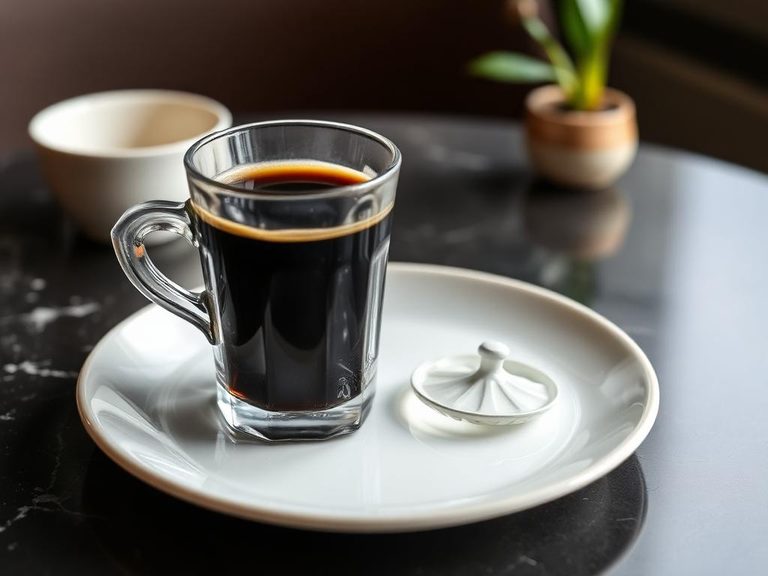

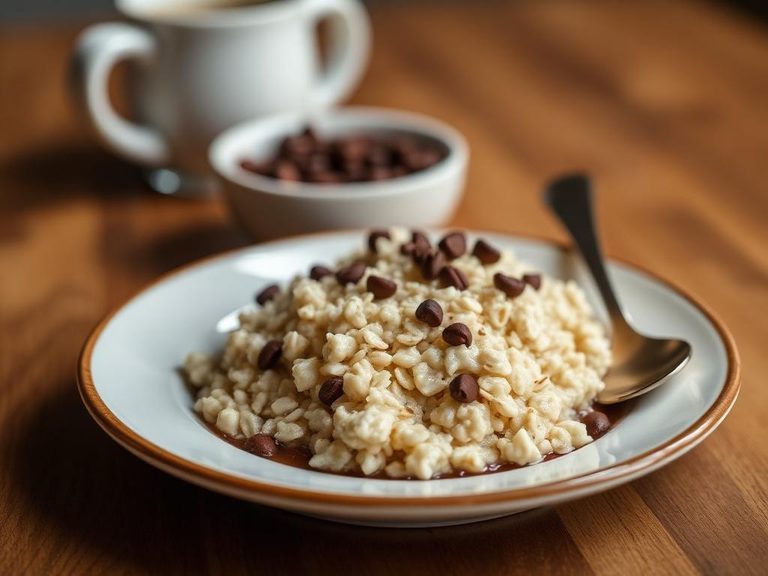
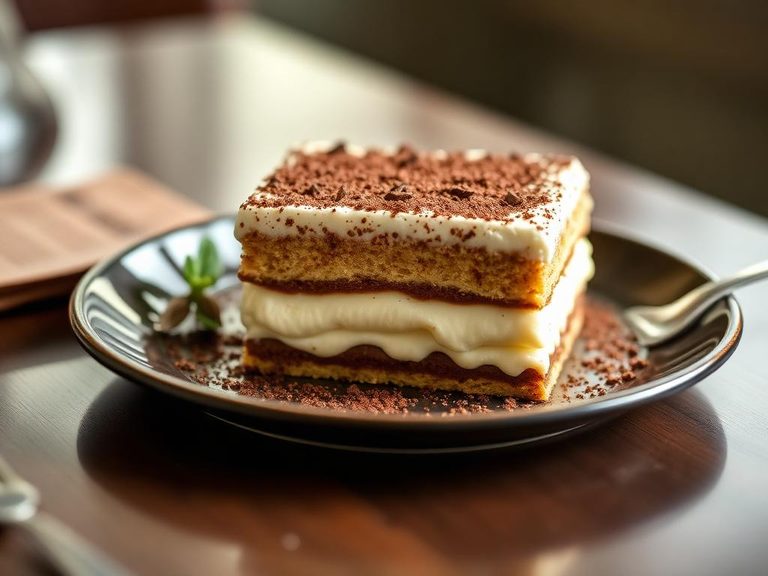
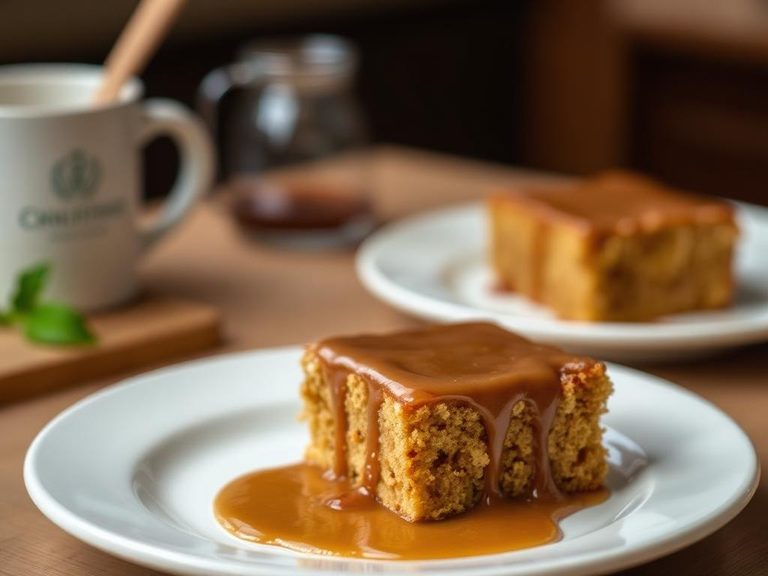
🌍 Where it's eaten
💡 Did you know?
The 'half-caffeine' process typically involves blending regular coffee beans with decaffeinated beans before brewing, rather than removing caffeine from a finished brew.
Full nutrition (USDA data · scales with serving)
| Water | 3.1 g |
| Energy | 352 kcal |
| Energy | 1473 kj |
| Protein | 14.4 g |
| Total lipid (fat) | 0.50 g |
| Ash | 8.8 g |
| Carbohydrate, by difference | 73.2 g |
| Fiber, total dietary | 0.00 g |
| Total Sugars | 0.00 g |
| Calcium, Ca | 141 mg |
| Iron, Fe | 4.4 mg |
| Magnesium, Mg | 327 mg |
| Phosphorus, P | 303 mg |
| Potassium, K | 3535 mg |
| Sodium, Na | 37.0 mg |
| Zinc, Zn | 0.35 mg |
| Copper, Cu | 0.14 mg |
| Manganese, Mn | 1.7 mg |
| Selenium, Se | 12.6 ug |
| Vitamin C, total ascorbic acid | 0.00 mg |
| Thiamin | 0.01 mg |
| Riboflavin | 0.07 mg |
| Niacin | 28.2 mg |
| Pantothenic acid | 0.10 mg |
| Vitamin B-6 | 0.03 mg |
| Folate, total | 0.00 ug |
| Folic acid | 0.00 ug |
| Folate, food | 0.00 ug |
| Folate, DFE | 0.00 ug |
| Choline, total | 102 mg |
| Vitamin B-12 | 0.00 ug |
| Vitamin B-12, added | 0.00 ug |
| Vitamin A, RAE | 0.00 ug |
| Retinol | 0.00 ug |
| Carotene, beta | 0.00 ug |
| Carotene, alpha | 0.00 ug |
| Cryptoxanthin, beta | 0.00 ug |
| Vitamin A, IU | 0.00 iu |
| Lycopene | 0.00 ug |
| Lutein + zeaxanthin | 0.00 ug |
| Vitamin E (alpha-tocopherol) | 0.00 mg |
| Vitamin E, added | 0.00 mg |
| Vitamin D (D2 + D3), International Units | 0.00 iu |
| Vitamin D (D2 + D3) | 0.00 ug |
| Vitamin K (phylloquinone) | 1.9 ug |
| Alcohol, ethyl | 0.00 g |
| Caffeine | 1571 mg |
| Theobromine | 0.00 mg |
Fat & fatty acid profile (per 100g)
| Fatty acids, total saturated | 0.20 g |
| SFA 4:0 | 0.00 g |
| SFA 6:0 | 0.00 g |
| SFA 8:0 | 0.00 g |
| SFA 10:0 | 0.00 g |
| SFA 12:0 | 0.00 g |
| SFA 14:0 | 0.00 g |
| SFA 16:0 | 0.15 g |
| SFA 18:0 | 0.04 g |
| Fatty acids, total monounsaturated | 0.04 g |
| MUFA 16:1 | 0.00 g |
| MUFA 18:1 | 0.04 g |
| MUFA 20:1 | 0.00 g |
| MUFA 22:1 | 0.00 g |
| Fatty acids, total polyunsaturated | 0.20 g |
| PUFA 18:2 | 0.18 g |
| PUFA 18:3 | 0.01 g |
| PUFA 18:4 | 0.00 g |
| PUFA 20:4 | 0.00 g |
| PUFA 20:5 n-3 (EPA) | 0.00 g |
| PUFA 22:5 n-3 (DPA) | 0.00 g |
| PUFA 22:6 n-3 (DHA) | 0.00 g |
| Fatty acids, total trans | 0.00 g |
| Cholesterol | 0.00 mg |
Amino acid profile (per 100g)
Estimated from Beverages, carbonated, tonic water — USDA does not publish this profile for Beverages.
| Tryptophan | 0.00 g |
| Threonine | 0.00 g |
| Isoleucine | 0.00 g |
| Leucine | 0.00 g |
| Lysine | 0.00 g |
| Methionine | 0.00 g |
| Cystine | 0.00 g |
| Phenylalanine | 0.00 g |
| Tyrosine | 0.00 g |
| Valine | 0.00 g |
| Arginine | 0.00 g |
| Histidine | 0.00 g |
| Alanine | 0.00 g |
| Aspartic acid | 0.00 g |
| Glutamic acid | 0.00 g |
| Glycine | 0.00 g |
| Proline | 0.00 g |
| Serine | 0.00 g |
FAQ
How does the protein content compare to brewed coffee?
Instant coffee powder has a significantly higher protein content per gram than liquid brewed coffee, as the water-soluble proteins are concentrated in the powder.
Why is there no sugar listed if it tastes slightly sweet?
The perceived sweetness can come from the roasting process creating natural flavor compounds, not from added sugars. Always check the ingredient list for additives.
Is this suitable for a low-carb diet?
At 73g of carbs per 100g of powder, it is very carb-dense. However, a typical serving uses only 3-10g of powder, contributing a minimal 2-7g of carbs to your drink.
Nutrient density (calculated · NRF9.3)
Nutrient Rich Foods index: beneficial nutrients (protein, fiber, vitamins, minerals) minus saturated fat, added sugar & sodium, per 100 kcal.
NRF9.3 index — Fulgoni, Keast & Drewnowski, 2009. Computed from USDA nutrients.
Weight-loss friendliness (composite index)
Energy density 3.52 kcal/g · 16% calories from protein · 0.0 g fiber · 0.0 g sugar per 100 g.
Composite of energy density (Rolls et al., 1999), protein & fiber satiety, minus sugar. A calculated heuristic — ranks satiety-per-calorie, not a clinical measure.
Dietary load (calculated from USDA values)
Potential renal acid load. Positive = acid-forming, negative = alkaline-forming.
Sodium-to-potassium ratio: 0.01 (lower is better — aim for ≤ 1)
Sodium:potassium per WHO potassium guidance. Computed from USDA nutrients.