

Beets, canned, reduced sodium, cooked
Common food

Photo: Wikipedia
This is a convenient, shelf-stable version of cooked beetroot, offering the same deep ruby color and earthy-sweet flavor with a tender, slightly firm texture. Nutritionally, it's a low-calorie, low-fat source of carbohydrates, with a notable amount of natural sugar and a small fiber boost. The reduced sodium content makes it a healthier pantry staple compared to standard canned beets.
Calorie split: 6% protein · 49% carbs · 45% fat
↓ Full nutrition💚 Why it's loved
People love canned beets for their incredible convenience and consistent, sweet earthy flavor that requires zero prep. They are a versatile ingredient, instantly adding vibrant color and a touch of sweetness to salads, sides, and even smoothies.
⚠️ Watch-outs & how to enjoy it better
The primary downside is the natural sugar content (5.56g per 100g), which can contribute to blood sugar spikes if eaten in large quantities alone. To counteract this, pair beets with a source of protein (like goat cheese or hard-boiled eggs) or healthy fat (like walnuts or olive oil) to slow sugar absorption. Also, always check the label for sodium, even in 'reduced sodium' versions, and rinse the slices if concerned.
Key benefits
- Low in calories and fat
- Good source of natural carbohydrates for energy
- Contains dietary fiber
- Reduced sodium option supports heart health
- Provides antioxidants like betalains
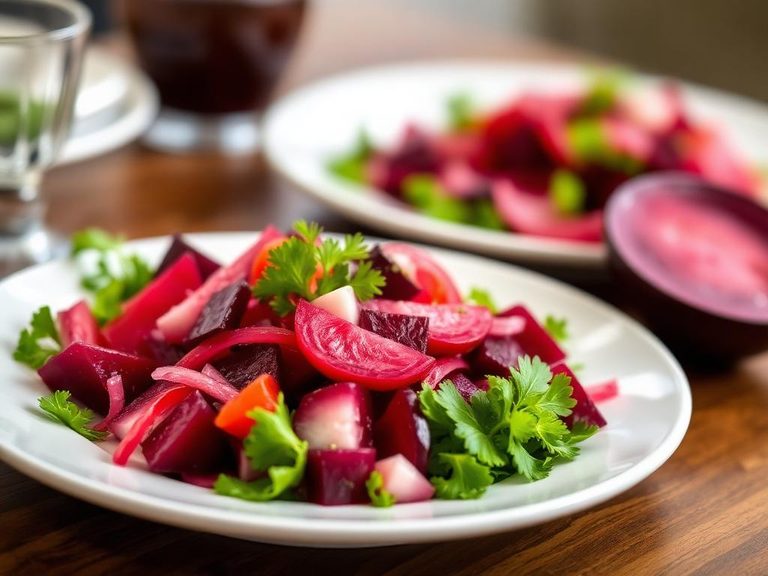
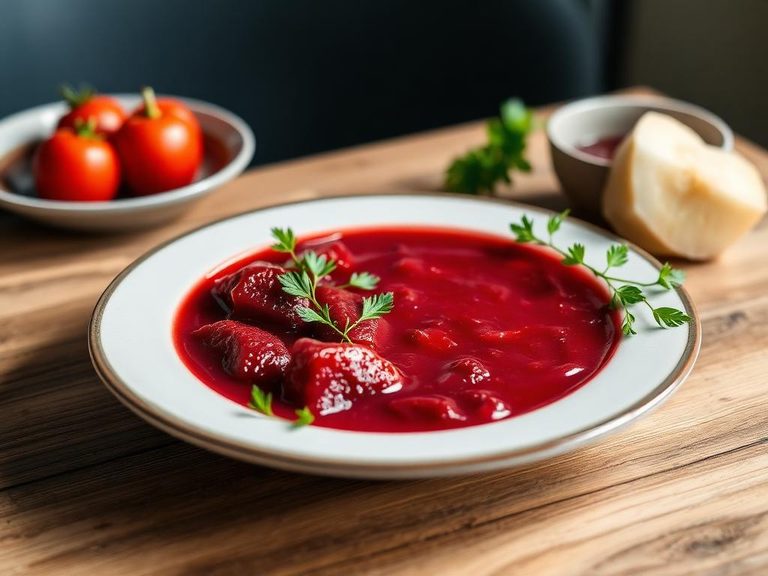
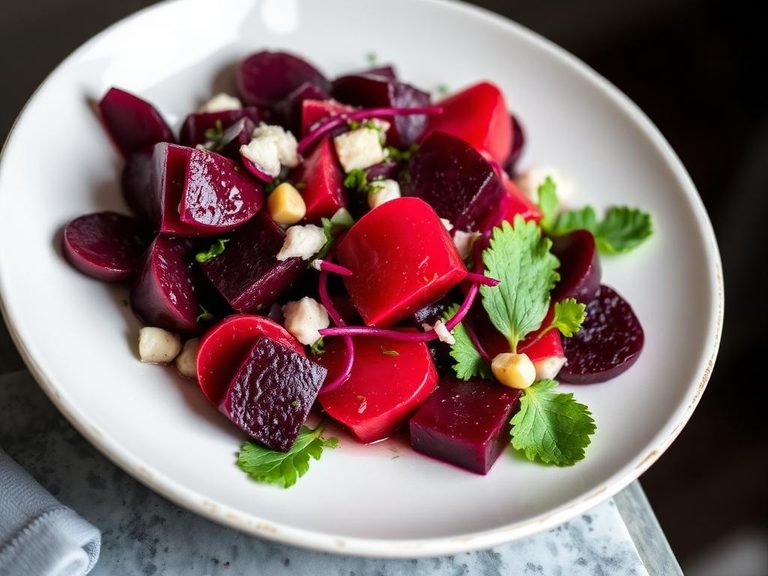
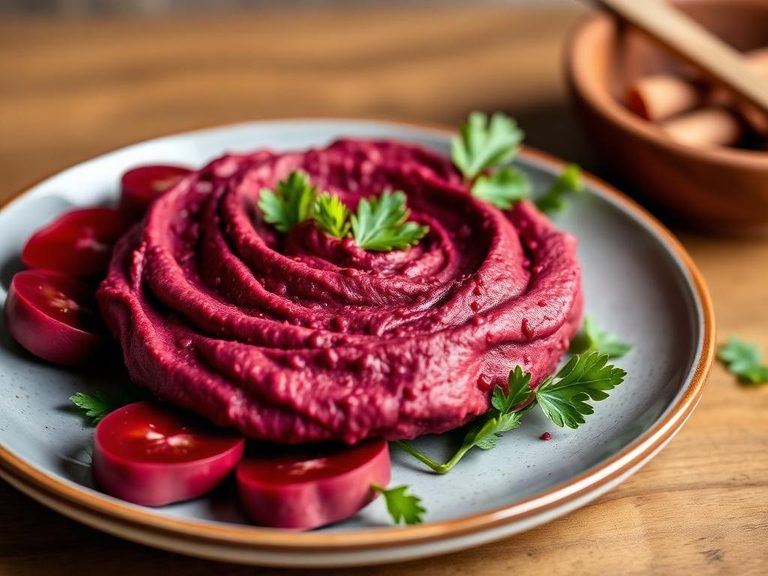
🍽️ Popular dishes

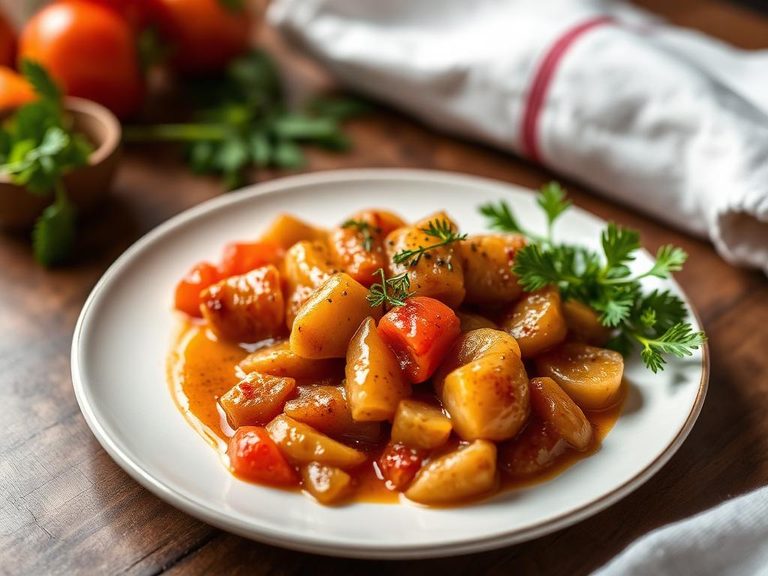
🌍 Where it's eaten
💡 Did you know?
The vibrant red pigment in beets, betalain, is so potent it was historically used as a natural dye for hair and even to stain marble.
Full nutrition (USDA data · scales with serving)
| Water | 88.6 g |
| Energy | 53.0 kcal |
| Protein | 0.84 g |
| Total lipid (fat) | 2.8 g |
| Carbohydrate, by difference | 6.8 g |
| Fiber, total dietary | 1.2 g |
| Total Sugars | 5.6 g |
| Calcium, Ca | 14.0 mg |
| Iron, Fe | 0.65 mg |
| Magnesium, Mg | 17.0 mg |
| Phosphorus, P | 17.0 mg |
| Potassium, K | 147 mg |
| Sodium, Na | 31.0 mg |
| Zinc, Zn | 0.24 mg |
| Copper, Cu | 0.10 mg |
| Selenium, Se | 0.50 ug |
| Vitamin C, total ascorbic acid | 2.6 mg |
| Thiamin | 0.01 mg |
| Riboflavin | 0.04 mg |
| Niacin | 0.16 mg |
| Vitamin B-6 | 0.07 mg |
| Folate, total | 29.0 ug |
| Folic acid | 0.00 ug |
| Folate, food | 29.0 ug |
| Folate, DFE | 29.0 ug |
| Choline, total | 7.4 mg |
| Vitamin B-12 | 0.00 ug |
| Vitamin B-12, added | 0.00 ug |
| Vitamin A, RAE | 13.0 ug |
| Retinol | 12.0 ug |
| Carotene, beta | 19.0 ug |
| Carotene, alpha | 0.00 ug |
| Cryptoxanthin, beta | 0.00 ug |
| Lycopene | 0.00 ug |
| Lutein + zeaxanthin | 0.00 ug |
| Vitamin E (alpha-tocopherol) | 0.44 mg |
| Vitamin E, added | 0.00 mg |
| Vitamin D (D2 + D3) | 0.00 ug |
| Vitamin K (phylloquinone) | 2.3 ug |
| Alcohol, ethyl | 0.00 g |
| Caffeine | 0.00 mg |
| Theobromine | 0.00 mg |
Fat & fatty acid profile (per 100g)
| Fatty acids, total saturated | 0.72 g |
| SFA 4:0 | 0.02 g |
| SFA 6:0 | 0.01 g |
| SFA 8:0 | 0.01 g |
| SFA 10:0 | 0.02 g |
| SFA 12:0 | 0.02 g |
| SFA 14:0 | 0.07 g |
| SFA 16:0 | 0.40 g |
| SFA 18:0 | 0.14 g |
| Fatty acids, total monounsaturated | 0.98 g |
| MUFA 16:1 | 0.01 g |
| MUFA 18:1 | 0.94 g |
| MUFA 20:1 | 0.01 g |
| MUFA 22:1 | 0.00 g |
| Fatty acids, total polyunsaturated | 0.81 g |
| PUFA 18:2 | 0.72 g |
| PUFA 18:3 | 0.09 g |
| PUFA 18:4 | 0.00 g |
| PUFA 20:4 | 0.00 g |
| PUFA 20:5 n-3 (EPA) | 0.00 g |
| PUFA 22:5 n-3 (DPA) | 0.00 g |
| PUFA 22:6 n-3 (DHA) | 0.00 g |
| Cholesterol | 2.0 mg |
Amino acid profile (per 100g)
Estimated from Beets, cooked, boiled. drained, with salt — USDA does not publish this profile for Beets.
| Tryptophan | 0.02 g |
| Threonine | 0.05 g |
| Isoleucine | 0.05 g |
| Leucine | 0.07 g |
| Lysine | 0.06 g |
| Methionine | 0.02 g |
| Cystine | 0.02 g |
| Phenylalanine | 0.05 g |
| Tyrosine | 0.04 g |
| Valine | 0.06 g |
| Arginine | 0.04 g |
| Histidine | 0.02 g |
| Alanine | 0.06 g |
| Aspartic acid | 0.12 g |
| Glutamic acid | 0.45 g |
| Glycine | 0.03 g |
| Proline | 0.04 g |
| Serine | 0.06 g |
FAQ
Are canned beets as nutritious as fresh?
Yes, canned beets retain most of their nutrients, including fiber, folate, and antioxidants. The canning process can even make some nutrients more bioavailable. The main difference is often a slightly softer texture and the presence of added sodium or sugar in the liquid.
How can I reduce the 'canned' taste?
Simply drain and rinse the beets under cold water. For a flavor boost, toss them with a splash of vinegar (like balsamic or apple cider), a pinch of salt, or fresh herbs like dill or parsley.
What is the best way to store leftover canned beets?
Transfer any unused beets and their liquid to an airtight container in the refrigerator. They will keep well for 3-4 days. Do not store them in the original can.
Nutrient density (calculated · NRF9.3)
Nutrient Rich Foods index: beneficial nutrients (protein, fiber, vitamins, minerals) minus saturated fat, added sugar & sodium, per 100 kcal.
NRF9.3 index — Fulgoni, Keast & Drewnowski, 2009. Computed from USDA nutrients.
Weight-loss friendliness (composite index)
Energy density 0.53 kcal/g · 6% calories from protein · 1.2 g fiber · 5.6 g sugar per 100 g.
Composite of energy density (Rolls et al., 1999), protein & fiber satiety, minus sugar. A calculated heuristic — ranks satiety-per-calorie, not a clinical measure.
Dietary load (calculated from USDA values)
Potential renal acid load. Positive = acid-forming, negative = alkaline-forming.
Sodium-to-potassium ratio: 0.21 (lower is better — aim for ≤ 1)
Sodium:potassium per WHO potassium guidance. Computed from USDA nutrients.