

Barley malt flour
Whole food · Cereal Grains and Pasta
Barley malt flour is a finely milled, whole-grain flour made from sprouted and dried barley kernels. It has a distinctively sweet, nutty, and malty flavor with a warm, golden-brown color, and its texture is slightly coarser than standard wheat flour. Nutritionally, it's a standout for its high fiber content and provides a solid boost of plant-based protein.
Calorie split: 11% protein · 84% carbs · 4% fat
↓ Full nutrition💚 Why it's loved
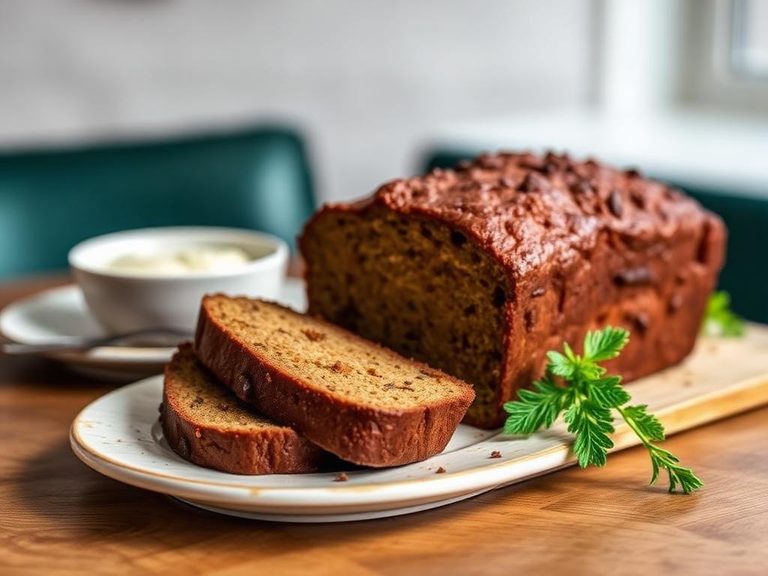
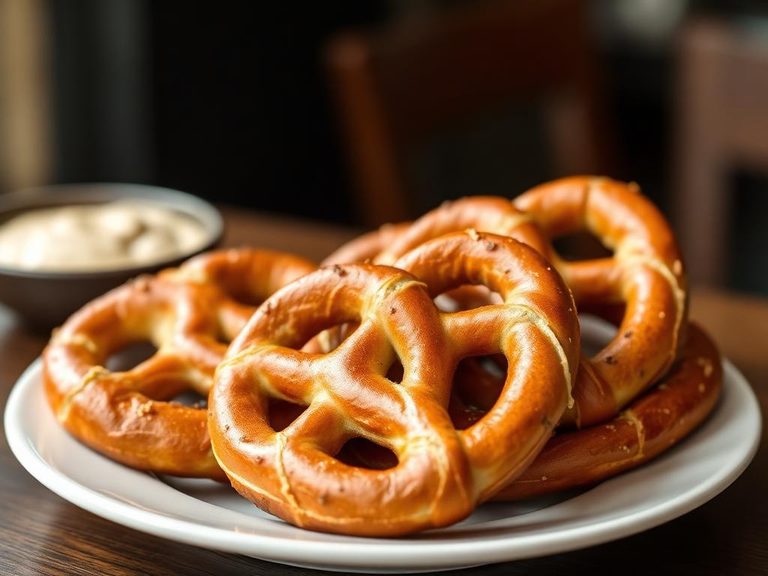
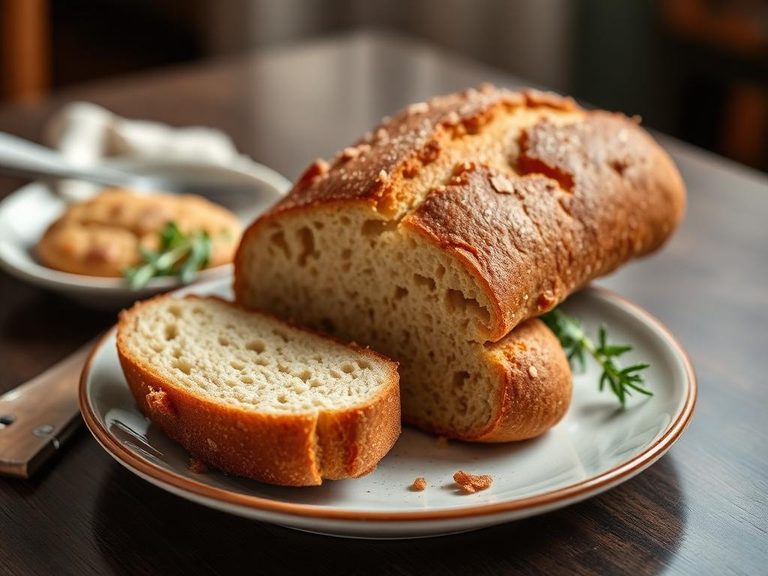
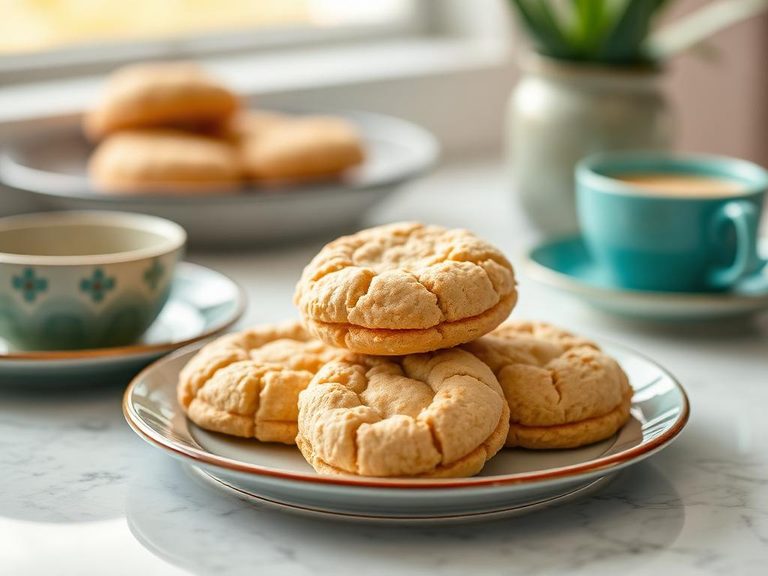
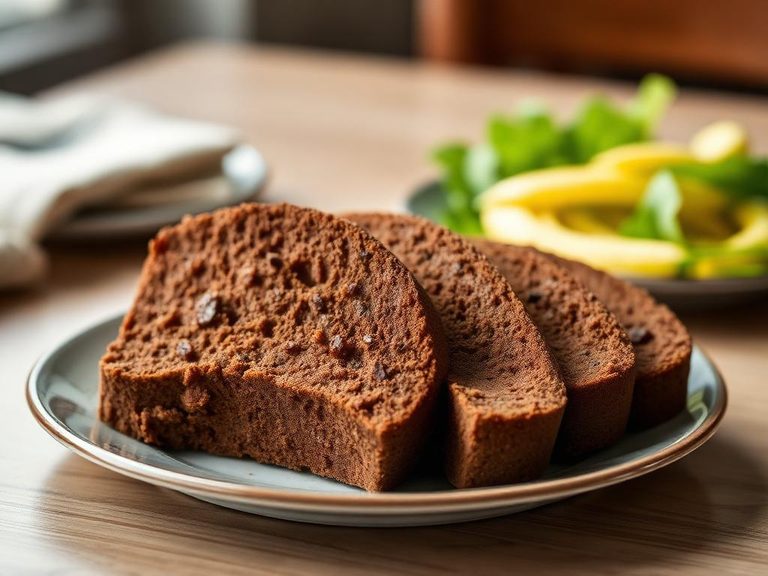
People love barley malt flour for its rich, complex, and naturally sweet malty flavor that adds a deep, artisanal quality to breads, pretzels, and cookies. It's cherished in baking for creating a beautiful crust color and a tender, moist crumb, making it a favorite for both flavor and texture.
⚠️ Watch-outs & how to enjoy it better
Its high carbohydrate content (78.3g per 100g) and relatively low sugar (0.8g) mean it can still cause blood-sugar spikes in large portions, especially for those with insulin sensitivity. It contains gluten, making it unsafe for anyone with celiac disease or gluten intolerance. To mitigate blood sugar impact, pair it with a source of protein (like nuts or seeds) and healthy fat, and use it as part of a blend rather than 100% of the flour in a recipe.
Key benefits
- Excellent source of dietary fiber (7.1g per 100g)
- Provides a good amount of plant-based protein (10.28g per 100g)
- Contains essential minerals like manganese and selenium
- Adds natural sweetness and depth to baked goods
- Its malty flavor can reduce the need for added sugars
🍽️ Popular dishes
🌍 Where it's eaten
💡 Did you know?
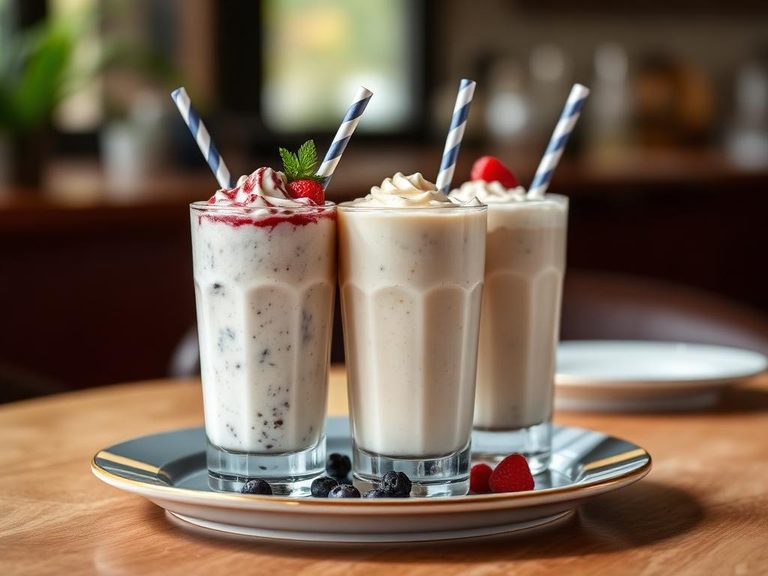
Barley malt flour was a key ingredient in the original recipe for 'Malted Milk' powder, invented in the 1880s as a nutritional supplement for infants and invalids before becoming a beloved milkshake flavoring.
Full nutrition (USDA data · scales with serving)
| Water | 8.2 g |
| Energy | 361 kcal |
| Energy | 1510 kj |
| Protein | 10.3 g |
| Total lipid (fat) | 1.8 g |
| Ash | 1.4 g |
| Carbohydrate, by difference | 78.3 g |
| Fiber, total dietary | 7.1 g |
| Total Sugars | 0.80 g |
| Calcium, Ca | 37.0 mg |
| Iron, Fe | 4.7 mg |
| Magnesium, Mg | 97.0 mg |
| Phosphorus, P | 303 mg |
| Potassium, K | 224 mg |
| Sodium, Na | 11.0 mg |
| Zinc, Zn | 2.1 mg |
| Copper, Cu | 0.27 mg |
| Manganese, Mn | 1.2 mg |
| Selenium, Se | 37.7 ug |
| Vitamin C, total ascorbic acid | 0.60 mg |
| Thiamin | 0.31 mg |
| Riboflavin | 0.31 mg |
| Niacin | 5.6 mg |
| Pantothenic acid | 0.58 mg |
| Vitamin B-6 | 0.66 mg |
| Folate, total | 38.0 ug |
| Folic acid | 0.00 ug |
| Folate, food | 38.0 ug |
| Folate, DFE | 38.0 ug |
| Vitamin B-12 | 0.00 ug |
| Vitamin B-12, added | 0.00 ug |
| Vitamin A, RAE | 1.0 ug |
| Retinol | 0.00 ug |
| Carotene, beta | 11.0 ug |
| Carotene, alpha | 0.00 ug |
| Cryptoxanthin, beta | 0.00 ug |
| Vitamin A, IU | 19.0 iu |
| Lycopene | 0.00 ug |
| Lutein + zeaxanthin | 160 ug |
| Vitamin E (alpha-tocopherol) | 0.57 mg |
| Vitamin E, added | 0.00 mg |
| Vitamin D (D2 + D3), International Units | 0.00 iu |
| Vitamin D (D2 + D3) | 0.00 ug |
| Vitamin K (phylloquinone) | 2.2 ug |
| Alcohol, ethyl | 0.00 g |
| Caffeine | 0.00 mg |
| Theobromine | 0.00 mg |
Fat & fatty acid profile (per 100g)
| Fatty acids, total saturated | 0.39 g |
| SFA 4:0 | 0.00 g |
| SFA 6:0 | 0.00 g |
| SFA 8:0 | 0.00 g |
| SFA 10:0 | 0.00 g |
| SFA 12:0 | 0.01 g |
| SFA 14:0 | 0.01 g |
| SFA 16:0 | 0.35 g |
| SFA 18:0 | 0.01 g |
| Fatty acids, total monounsaturated | 0.25 g |
| MUFA 16:1 | 0.01 g |
| MUFA 18:1 | 0.21 g |
| MUFA 20:1 | 0.00 g |
| MUFA 22:1 | 0.00 g |
| Fatty acids, total polyunsaturated | 0.95 g |
| PUFA 18:2 | 0.86 g |
| PUFA 18:3 | 0.10 g |
| PUFA 18:4 | 0.00 g |
| PUFA 20:4 | 0.00 g |
| PUFA 20:5 n-3 (EPA) | 0.00 g |
| PUFA 22:5 n-3 (DPA) | 0.00 g |
| PUFA 22:6 n-3 (DHA) | 0.00 g |
| Cholesterol | 0.00 mg |
Amino acid profile (per 100g)
| Tryptophan | 0.13 g |
| Threonine | 0.41 g |
| Isoleucine | 0.36 g |
| Leucine | 0.75 g |
| Lysine | 0.54 g |
| Methionine | 0.29 g |
| Cystine | 0.16 g |
| Phenylalanine | 0.23 g |
| Tyrosine | 0.34 g |
| Valine | 0.50 g |
| Arginine | 0.84 g |
| Histidine | 0.28 g |
| Alanine | 0.52 g |
| Aspartic acid | 0.78 g |
| Glutamic acid | 1.8 g |
| Glycine | 0.44 g |
| Proline | 1.1 g |
| Serine | 0.47 g |
FAQ
Is barley malt flour the same as barley flour?
No. Barley malt flour is made from sprouted barley, which develops enzymes and a sweet, malty flavor. Regular barley flour is made from unsprouted, dried barley kernels and has a more neutral, grainy taste.
Can I use it 1:1 as a substitute for all-purpose flour?
Not typically. Its strong flavor and different protein/gluten structure mean it's best used as part of a flour blend (e.g., 25-50% barley malt flour with bread flour) to add flavor and color without compromising structure.
Does it contain gluten?
Yes, barley is a gluten-containing grain. Barley malt flour is not suitable for people with celiac disease, non-celiac gluten sensitivity, or wheat allergy.
Nutrient density (calculated · NRF9.3)
Nutrient Rich Foods index: beneficial nutrients (protein, fiber, vitamins, minerals) minus saturated fat, added sugar & sodium, per 100 kcal.
NRF9.3 index — Fulgoni, Keast & Drewnowski, 2009. Computed from USDA nutrients.
Weight-loss friendliness (composite index)
Energy density 3.61 kcal/g · 11% calories from protein · 7.1 g fiber · 0.8 g sugar per 100 g.
Composite of energy density (Rolls et al., 1999), protein & fiber satiety, minus sugar. A calculated heuristic — ranks satiety-per-calorie, not a clinical measure.
Dietary load (calculated from USDA values)
Potential renal acid load. Positive = acid-forming, negative = alkaline-forming.
Sodium-to-potassium ratio: 0.05 (lower is better — aim for ≤ 1)
Sodium:potassium per WHO potassium guidance. Computed from USDA nutrients.