

Babyfood, juice, orange-carrot
Whole food · Baby Foods
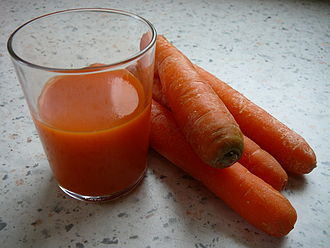
Photo: Wikipedia
A vibrant, smooth puree blending the sunny sweetness of orange juice with the earthy, subtle sweetness of carrot. Its texture is silky and thin, designed for easy sipping or spoon-feeding. Nutritionally, it's a low-calorie, vitamin-rich drink, primarily delivering natural sugars and a notable dose of vitamin A from the carrots.
Calorie split: 5% protein · 93% carbs · 2% fat
↓ Full nutrition💚 Why it's loved
People love it for its naturally sweet, familiar flavor that's both comforting and refreshing, making it a go-to for introducing infants to fruit and vegetable tastes. Its versatility shines as a base for smoothies, a mixer for cocktails, or a simple, nutritious drink for all ages.
⚠️ Watch-outs & how to enjoy it better
The high natural sugar content (8.4g per 100g) can cause blood sugar spikes if consumed in large quantities, especially for those monitoring glucose levels. To counteract this, pair it with a source of protein or healthy fat (like a handful of nuts or a yogurt dip) to slow sugar absorption, and practice portion control. Also, note that citrus juices can be acidic; if you have acid reflux, consume it in moderation.
Key benefits
- Excellent source of vitamin A (beta-carotene) for eye health.
- Provides vitamin C from the orange juice.
- Low in fat and contains no cholesterol.
- Hydrating and easy to digest.
- Offers a quick source of natural energy from carbohydrates.
🍽️ Popular dishes
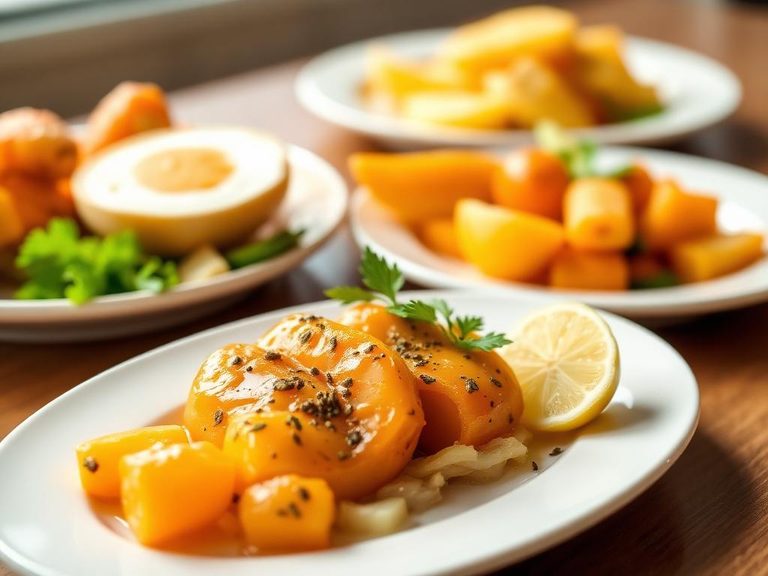
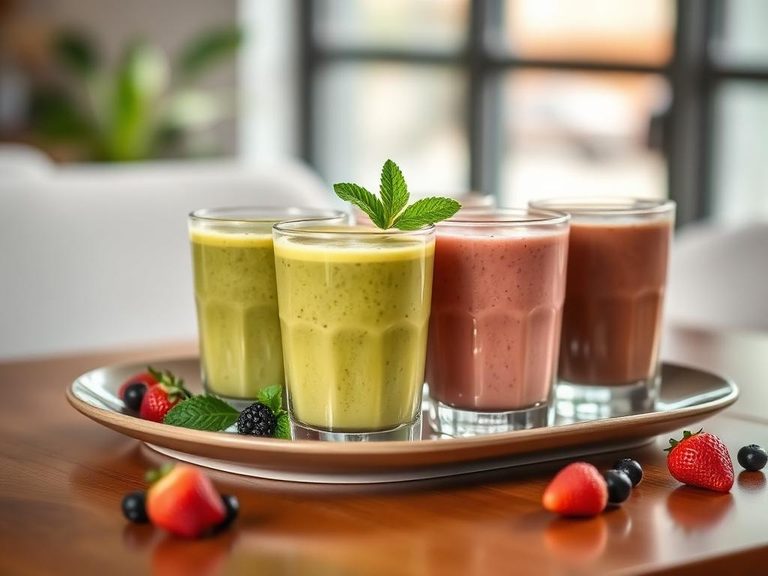
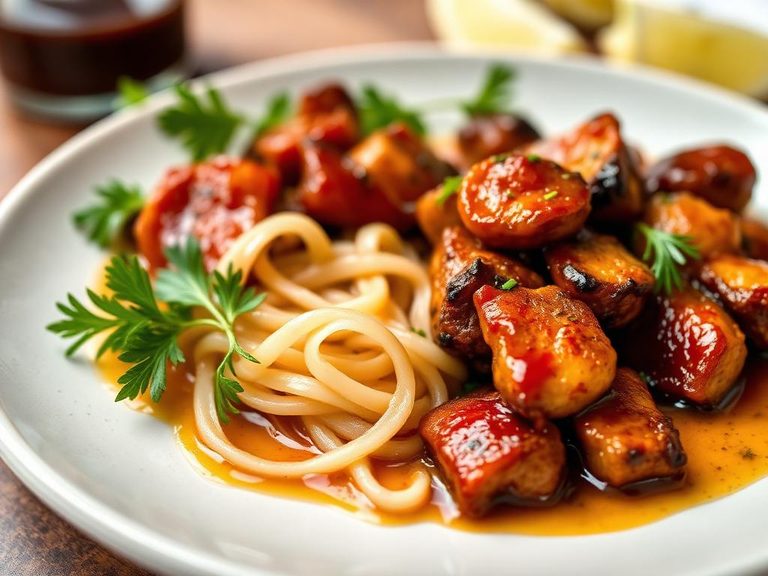
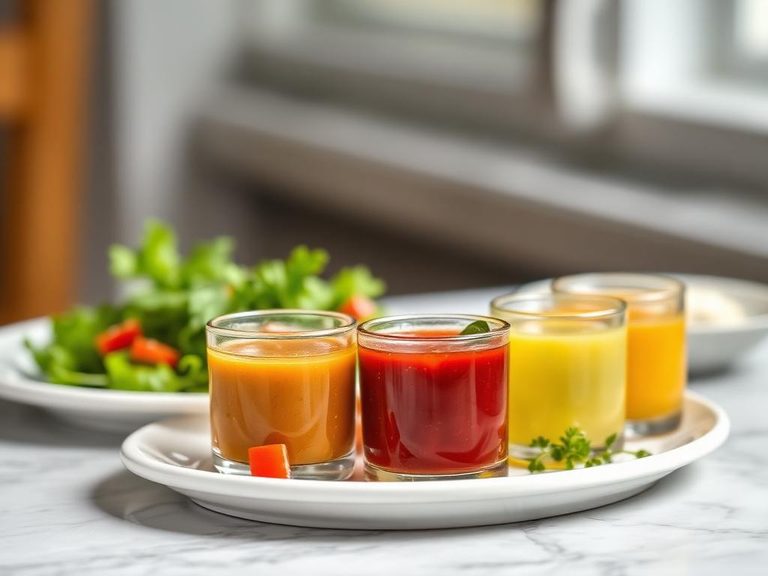
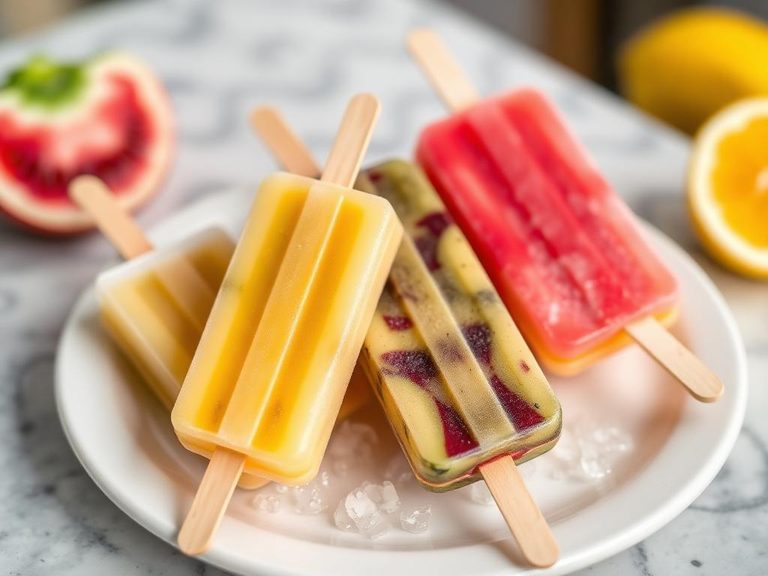
🌍 Where it's eaten
💡 Did you know?
The beta-carotene that gives carrots their orange color is a provitamin, meaning your body converts it into vitamin A as needed, so you can't overdose on it from this juice alone.
Full nutrition (USDA data · scales with serving)
| Water | 89.1 g |
| Energy | 43.0 kcal |
| Energy | 180 kj |
| Protein | 0.50 g |
| Total lipid (fat) | 0.10 g |
| Ash | 0.25 g |
| Carbohydrate, by difference | 9.9 g |
| Fiber, total dietary | 0.40 g |
| Total Sugars | 8.4 g |
| Calcium, Ca | 16.0 mg |
| Iron, Fe | 0.20 mg |
| Magnesium, Mg | 10.0 mg |
| Phosphorus, P | 19.0 mg |
| Potassium, K | 174 mg |
| Sodium, Na | 10.0 mg |
| Zinc, Zn | 0.07 mg |
| Copper, Cu | 0.04 mg |
| Selenium, Se | 0.10 ug |
| Vitamin C, total ascorbic acid | 34.1 mg |
| Thiamin | 0.06 mg |
| Riboflavin | 0.05 mg |
| Niacin | 0.21 mg |
| Vitamin B-6 | 0.05 mg |
| Folate, total | 39.0 ug |
| Folic acid | 0.00 ug |
| Folate, food | 39.0 ug |
| Folate, DFE | 39.0 ug |
| Choline, total | 6.5 mg |
| Vitamin B-12 | 0.00 ug |
| Vitamin B-12, added | 0.00 ug |
| Vitamin A, RAE | 94.0 ug |
| Retinol | 0.00 ug |
| Carotene, beta | 863 ug |
| Carotene, alpha | 395 ug |
| Cryptoxanthin, beta | 135 ug |
| Vitamin A, IU | 1880 iu |
| Lycopene | 0.00 ug |
| Lutein + zeaxanthin | 135 ug |
| Vitamin E (alpha-tocopherol) | 0.29 mg |
| Vitamin E, added | 0.00 mg |
| Vitamin D (D2 + D3), International Units | 0.00 iu |
| Vitamin D (D2 + D3) | 0.00 ug |
| Vitamin K (phylloquinone) | 1.5 ug |
| Alcohol, ethyl | 0.00 g |
| Caffeine | 0.00 mg |
| Theobromine | 0.00 mg |
Fat & fatty acid profile (per 100g)
| Fatty acids, total saturated | 0.01 g |
| SFA 4:0 | 0.00 g |
| SFA 6:0 | 0.00 g |
| SFA 8:0 | 0.00 g |
| SFA 10:0 | 0.00 g |
| SFA 12:0 | 0.00 g |
| SFA 14:0 | 0.00 g |
| SFA 16:0 | 0.01 g |
| SFA 18:0 | 0.01 g |
| Fatty acids, total monounsaturated | 0.01 g |
| MUFA 16:1 | 0.00 g |
| MUFA 18:1 | 0.01 g |
| MUFA 20:1 | 0.00 g |
| MUFA 22:1 | 0.00 g |
| Fatty acids, total polyunsaturated | 0.03 g |
| PUFA 18:2 | 0.03 g |
| PUFA 18:3 | 0.01 g |
| PUFA 18:4 | 0.00 g |
| PUFA 20:4 | 0.00 g |
| PUFA 20:5 n-3 (EPA) | 0.00 g |
| PUFA 22:5 n-3 (DPA) | 0.00 g |
| PUFA 22:6 n-3 (DHA) | 0.00 g |
| Cholesterol | 0.00 mg |
Amino acid profile (per 100g)
Estimated from Babyfood, grape juice, no sugar, canned — USDA does not publish this profile for Babyfood.
| Threonine | 0.02 g |
| Isoleucine | 0.01 g |
| Leucine | 0.02 g |
| Lysine | 0.02 g |
| Methionine | 0.03 g |
| Cystine | 0.01 g |
| Phenylalanine | 0.02 g |
| Tyrosine | 0.02 g |
| Valine | 0.02 g |
| Arginine | 0.06 g |
| Histidine | 0.03 g |
| Alanine | 0.04 g |
| Aspartic acid | 0.10 g |
| Glutamic acid | 0.18 g |
| Glycine | 0.03 g |
| Proline | 0.03 g |
| Serine | 0.04 g |
FAQ
Is this juice a good source of fiber?
No, it's very low in fiber (0.4g per 100g) because the juicing process removes most of the pulp. For fiber, eat whole oranges and carrots.
Can adults drink this, or is it just for babies?
Absolutely, adults enjoy it! It's a popular ingredient in smoothies, cocktails, and as a healthy, flavorful beverage.
How does the sugar content compare to soda?
While it contains natural sugars, not added sugars, the sugar concentration (8.4g/100g) can be similar to some sodas. The key difference is it also provides vitamins and minerals.
Nutrient density (calculated · NRF9.3)
Nutrient Rich Foods index: beneficial nutrients (protein, fiber, vitamins, minerals) minus saturated fat, added sugar & sodium, per 100 kcal.
NRF9.3 index — Fulgoni, Keast & Drewnowski, 2009. Computed from USDA nutrients.
Weight-loss friendliness (composite index)
Energy density 0.43 kcal/g · 5% calories from protein · 0.4 g fiber · 8.4 g sugar per 100 g.
Composite of energy density (Rolls et al., 1999), protein & fiber satiety, minus sugar. A calculated heuristic — ranks satiety-per-calorie, not a clinical measure.
Dietary load (calculated from USDA values)
Potential renal acid load. Positive = acid-forming, negative = alkaline-forming.
Sodium-to-potassium ratio: 0.06 (lower is better — aim for ≤ 1)
Sodium:potassium per WHO potassium guidance. Computed from USDA nutrients.