

Baby Toddler yogurt, plain
Common food
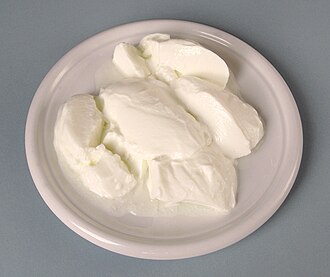
Photo: Wikipedia
This is a mild, creamy yogurt specifically formulated for babies and toddlers, typically with a smooth, thin texture and a very subtle, tangy flavor. Its nutritional profile is balanced for early development, offering a good source of protein and healthy fats with minimal added sugars. It serves as a foundational food for introducing dairy and supporting gut health with live cultures.
Calorie split: 20% protein · 29% carbs · 52% fat
↓ Full nutrition💚 Why it's loved
Parents love it for its simplicity and versatility as a first food, easily mixed with fruits or cereals. Its mild, creamy taste is generally well-accepted by young palates, making it a reliable staple.
⚠️ Watch-outs & how to enjoy it better
Some toddlers may reject the plain, tangy taste, and it can be a common dairy allergen. To counteract potential lactose sensitivity, pair it with a small amount of fruit puree or offer it alongside other foods to slow digestion.
Key benefits
- Excellent source of calcium for bone development
- Contains live probiotic cultures for digestive health
- Provides high-quality protein for growth
- Naturally low in sugar when plain
- Smooth texture is ideal for early eaters
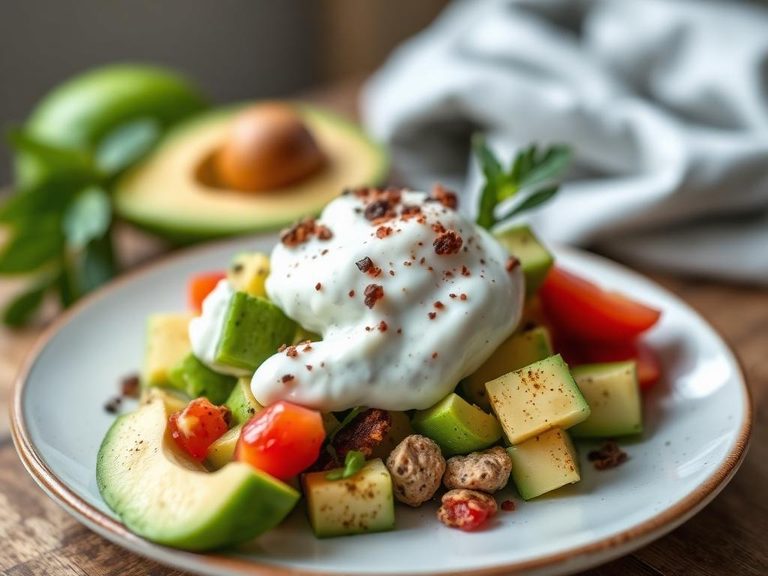
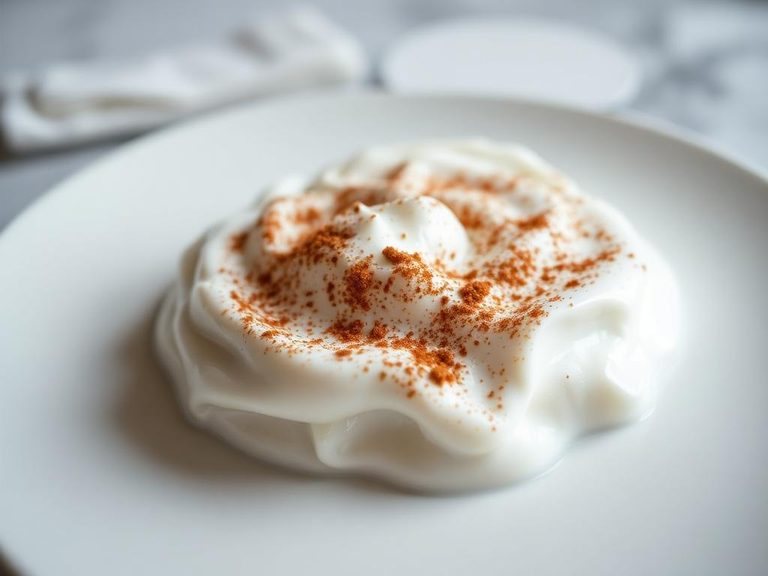
🍽️ Popular dishes
🌍 Where it's eaten
💡 Did you know?
The specific bacterial strains used in yogurt, like Lactobacillus bulgaricus and Streptococcus thermophilus, were first identified in the 19th century and are essential for transforming milk into yogurt.
Full nutrition (USDA data · scales with serving)
| Water | 85.3 g |
| Energy | 78.0 kcal |
| Protein | 3.8 g |
| Total lipid (fat) | 4.5 g |
| Carbohydrate, by difference | 5.6 g |
| Fiber, total dietary | 0.00 g |
| Total Sugars | 4.1 g |
| Calcium, Ca | 127 mg |
| Iron, Fe | 0.00 mg |
| Magnesium, Mg | 11.0 mg |
| Phosphorus, P | 101 mg |
| Potassium, K | 164 mg |
| Sodium, Na | 42.0 mg |
| Zinc, Zn | 0.43 mg |
| Copper, Cu | 0.00 mg |
| Selenium, Se | 2.2 ug |
| Vitamin C, total ascorbic acid | 0.50 mg |
| Thiamin | 0.06 mg |
| Riboflavin | 0.24 mg |
| Niacin | 0.14 mg |
| Vitamin B-6 | 0.04 mg |
| Folate, total | 7.0 ug |
| Folic acid | 0.00 ug |
| Folate, food | 7.0 ug |
| Folate, DFE | 7.0 ug |
| Choline, total | 15.2 mg |
| Vitamin B-12 | 0.37 ug |
| Vitamin B-12, added | 0.00 ug |
| Vitamin A, RAE | 48.0 ug |
| Retinol | 48.0 ug |
| Carotene, beta | 0.00 ug |
| Carotene, alpha | 0.00 ug |
| Cryptoxanthin, beta | 0.00 ug |
| Lycopene | 0.00 ug |
| Lutein + zeaxanthin | 0.00 ug |
| Vitamin E (alpha-tocopherol) | 0.06 mg |
| Vitamin E, added | 0.00 mg |
| Vitamin D (D2 + D3) | 1.2 ug |
| Vitamin K (phylloquinone) | 0.20 ug |
| Alcohol, ethyl | 0.00 g |
| Caffeine | 0.00 mg |
| Theobromine | 0.00 mg |
Fat & fatty acid profile (per 100g)
| Fatty acids, total saturated | 2.3 g |
| SFA 4:0 | 0.10 g |
| SFA 6:0 | 0.07 g |
| SFA 8:0 | 0.04 g |
| SFA 10:0 | 0.09 g |
| SFA 12:0 | 0.12 g |
| SFA 14:0 | 0.38 g |
| SFA 16:0 | 1.1 g |
| SFA 18:0 | 0.37 g |
| Fatty acids, total monounsaturated | 0.87 g |
| MUFA 16:1 | 0.07 g |
| MUFA 18:1 | 0.77 g |
| MUFA 20:1 | 0.00 g |
| MUFA 22:1 | 0.00 g |
| Fatty acids, total polyunsaturated | 0.09 g |
| PUFA 18:2 | 0.08 g |
| PUFA 18:3 | 0.03 g |
| PUFA 18:4 | 0.00 g |
| PUFA 20:4 | 0.00 g |
| PUFA 20:5 n-3 (EPA) | 0.00 g |
| PUFA 22:5 n-3 (DPA) | 0.00 g |
| PUFA 22:6 n-3 (DHA) | 0.00 g |
| Cholesterol | 14.0 mg |
Amino acid profile (per 100g)
Estimated from Babyfood, dinner, chicken stew, toddler — USDA does not publish this profile for Baby Toddler yogurt.
| Tryptophan | 0.06 g |
| Threonine | 0.22 g |
| Isoleucine | 0.26 g |
| Leucine | 0.41 g |
| Lysine | 0.41 g |
| Methionine | 0.11 g |
| Cystine | 0.05 g |
| Phenylalanine | 0.21 g |
| Tyrosine | 0.17 g |
| Valine | 0.29 g |
| Arginine | 0.33 g |
| Histidine | 0.13 g |
| Alanine | 0.30 g |
| Aspartic acid | 0.47 g |
| Glutamic acid | 0.90 g |
| Glycine | 0.29 g |
| Proline | 0.35 g |
| Serine | 0.21 g |
FAQ
Is plain yogurt safe for babies under 1 year?
Yes, plain, full-fat yogurt is often recommended after 6 months as a first food, but always consult your pediatrician first.
How is toddler yogurt different from regular yogurt?
It often has a smoother texture, may contain added DHA or iron, and is typically lower in added sugars than regular flavored yogurts.
Can I freeze yogurt for teething relief?
Yes, freezing yogurt in a mesh feeder or as small popsicles can soothe sore gums, but it may separate slightly upon thawing.
Nutrient density (calculated · NRF9.3)
Nutrient Rich Foods index: beneficial nutrients (protein, fiber, vitamins, minerals) minus saturated fat, added sugar & sodium, per 100 kcal.
NRF9.3 index — Fulgoni, Keast & Drewnowski, 2009. Computed from USDA nutrients.
Weight-loss friendliness (composite index)
Energy density 0.78 kcal/g · 20% calories from protein · 0.0 g fiber · 4.1 g sugar per 100 g.
Composite of energy density (Rolls et al., 1999), protein & fiber satiety, minus sugar. A calculated heuristic — ranks satiety-per-calorie, not a clinical measure.
Dietary load (calculated from USDA values)
Potential renal acid load. Positive = acid-forming, negative = alkaline-forming.
Sodium-to-potassium ratio: 0.26 (lower is better — aim for ≤ 1)
Sodium:potassium per WHO potassium guidance. Computed from USDA nutrients.