

Baby Toddler mangoes
Common food

Photo: Wikipedia
Baby Toddler mangoes are small, sweet, and tender mangoes, often a specific cultivar like the Manila or Ataulfo, prized for their smooth, non-fibrous texture and intense honey-like sweetness. Nutritionally, they are a powerhouse of natural sugars and carbohydrates, providing quick energy, while offering a modest amount of dietary fiber. Their vibrant orange flesh is rich in beta-carotene, which the body converts to vitamin A.
Calorie split: 5% protein · 90% carbs · 5% fat
↓ Full nutrition💚 Why it's loved
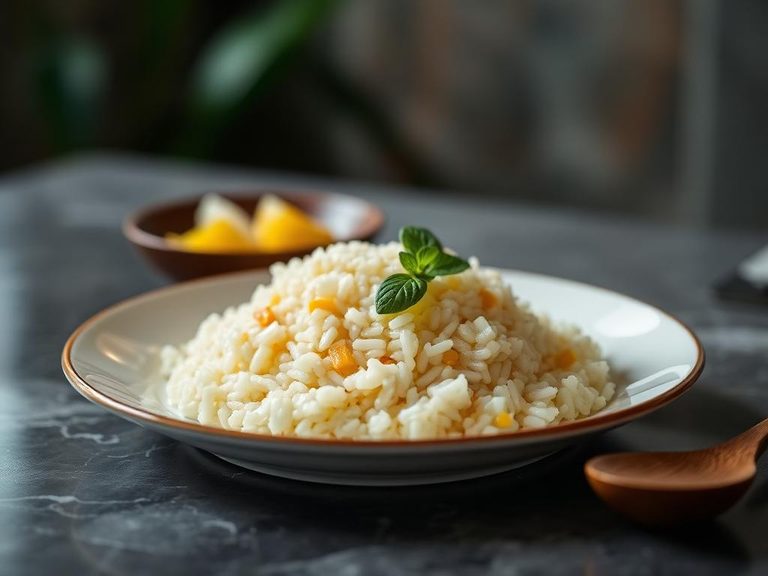
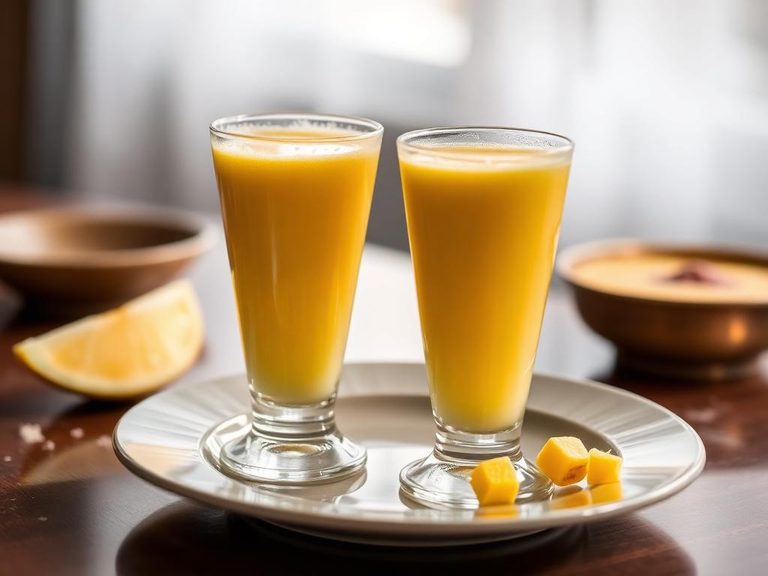
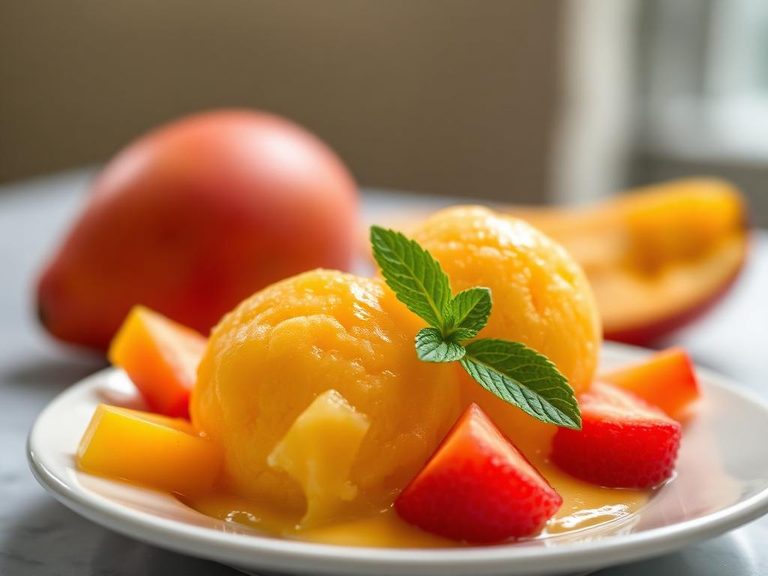
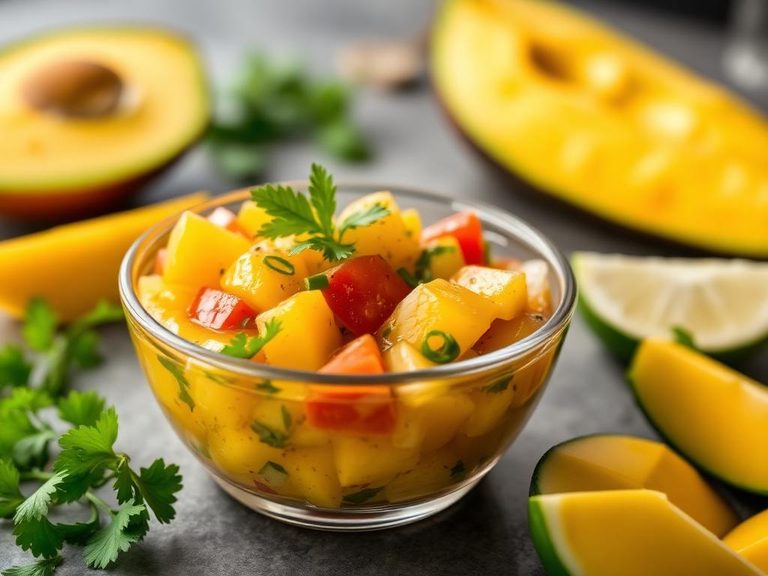
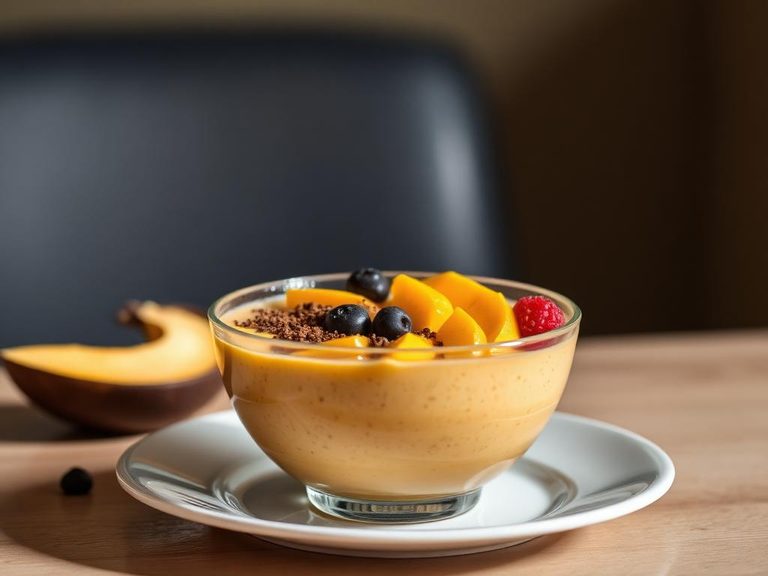
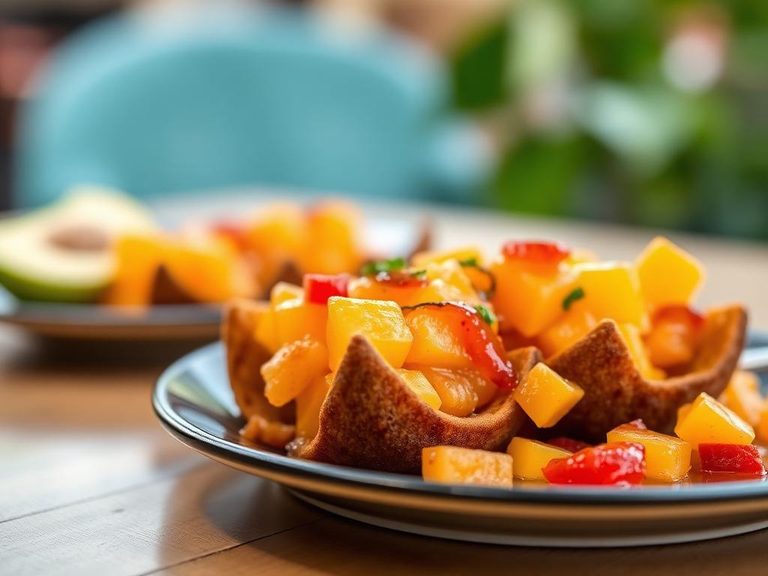
People adore them for their intensely sweet, tropical flavor and luxuriously smooth, buttery texture that requires no chewing. They are a versatile ingredient, equally delicious eaten fresh, blended into smoothies, or used as a natural sweetener in desserts and salsas.
⚠️ Watch-outs & how to enjoy it better
Their high natural sugar content (13.66g per 100g) can cause blood sugar spikes, making portion control important for individuals managing diabetes. To counteract this, pair a small serving with a source of protein or healthy fat, like a handful of nuts or a dollop of Greek yogurt, to slow sugar absorption. The skin and sap contain urushiol, a compound related to poison ivy, which can cause contact dermatitis in sensitive individuals; always peel and wash hands after handling.
Key benefits
- Excellent source of beta-carotene (vitamin A precursor)
- Provides quick, natural energy from carbohydrates
- Contains dietary fiber to support digestion
- Low in fat and sodium
- Rich in antioxidants like mangiferin and quercetin
🍽️ Popular dishes
🌍 Where it's eaten
💡 Did you know?
The small size and smooth skin of many 'baby' mango varieties mean you can often eat the entire flesh right off the pit with a spoon, making them a popular, mess-free snack for children.
Full nutrition (USDA data · scales with serving)
| Water | 83.5 g |
| Energy | 60.0 kcal |
| Protein | 0.82 g |
| Total lipid (fat) | 0.38 g |
| Carbohydrate, by difference | 15.0 g |
| Fiber, total dietary | 1.6 g |
| Total Sugars | 13.7 g |
| Calcium, Ca | 10.0 mg |
| Iron, Fe | 0.16 mg |
| Magnesium, Mg | 10.0 mg |
| Phosphorus, P | 14.0 mg |
| Potassium, K | 151 mg |
| Sodium, Na | 1.0 mg |
| Zinc, Zn | 0.09 mg |
| Copper, Cu | 0.10 mg |
| Selenium, Se | 0.60 ug |
| Vitamin C, total ascorbic acid | 18.2 mg |
| Thiamin | 0.02 mg |
| Riboflavin | 0.03 mg |
| Niacin | 0.60 mg |
| Vitamin B-6 | 0.11 mg |
| Folate, total | 22.0 ug |
| Folic acid | 0.00 ug |
| Folate, food | 22.0 ug |
| Folate, DFE | 22.0 ug |
| Choline, total | 7.6 mg |
| Vitamin B-12 | 0.00 ug |
| Vitamin B-12, added | 0.00 ug |
| Vitamin A, RAE | 40.0 ug |
| Retinol | 0.00 ug |
| Carotene, beta | 480 ug |
| Carotene, alpha | 7.0 ug |
| Cryptoxanthin, beta | 8.0 ug |
| Lycopene | 2.0 ug |
| Lutein + zeaxanthin | 17.0 ug |
| Vitamin E (alpha-tocopherol) | 0.90 mg |
| Vitamin E, added | 0.00 mg |
| Vitamin D (D2 + D3) | 0.00 ug |
| Vitamin K (phylloquinone) | 4.2 ug |
| Alcohol, ethyl | 0.00 g |
| Caffeine | 0.00 mg |
| Theobromine | 0.00 mg |
Fat & fatty acid profile (per 100g)
| Fatty acids, total saturated | 0.09 g |
| SFA 4:0 | 0.00 g |
| SFA 6:0 | 0.00 g |
| SFA 8:0 | 0.00 g |
| SFA 10:0 | 0.00 g |
| SFA 12:0 | 0.00 g |
| SFA 14:0 | 0.01 g |
| SFA 16:0 | 0.07 g |
| SFA 18:0 | 0.00 g |
| Fatty acids, total monounsaturated | 0.14 g |
| MUFA 16:1 | 0.07 g |
| MUFA 18:1 | 0.07 g |
| MUFA 20:1 | 0.00 g |
| MUFA 22:1 | 0.00 g |
| Fatty acids, total polyunsaturated | 0.07 g |
| PUFA 18:2 | 0.02 g |
| PUFA 18:3 | 0.05 g |
| PUFA 18:4 | 0.00 g |
| PUFA 20:4 | 0.00 g |
| PUFA 20:5 n-3 (EPA) | 0.00 g |
| PUFA 22:5 n-3 (DPA) | 0.00 g |
| PUFA 22:6 n-3 (DHA) | 0.00 g |
| Cholesterol | 0.00 mg |
Amino acid profile (per 100g)
Estimated from Babyfood, dinner, chicken stew, toddler — USDA does not publish this profile for Baby Toddler mangoes.
| Tryptophan | 0.06 g |
| Threonine | 0.22 g |
| Isoleucine | 0.26 g |
| Leucine | 0.41 g |
| Lysine | 0.41 g |
| Methionine | 0.11 g |
| Cystine | 0.05 g |
| Phenylalanine | 0.21 g |
| Tyrosine | 0.17 g |
| Valine | 0.29 g |
| Arginine | 0.33 g |
| Histidine | 0.13 g |
| Alanine | 0.30 g |
| Aspartic acid | 0.47 g |
| Glutamic acid | 0.90 g |
| Glycine | 0.29 g |
| Proline | 0.35 g |
| Serine | 0.21 g |
FAQ
Are 'baby' mangoes a different species?
No, they are typically just young or smaller cultivars of common mango species (like Mangifera indica). Varieties like Ataulfo (also called Manila or Honey mango) are naturally small and are often marketed as 'baby' mangoes due to their size and tender texture.
Why are they called 'toddler' mangoes?
This is primarily a marketing term emphasizing their small, toddler-hand-friendly size, soft texture, and sweet flavor, which are appealing for young children. It does not indicate a special nutritional formulation.
How do I pick a ripe one?
Look for a slight give when gently pressed and a sweet, fruity aroma at the stem. The skin may be golden-yellow or greenish-yellow depending on the variety, but avoid those with wrinkled skin or dark spots.
Nutrient density (calculated · NRF9.3)
Nutrient Rich Foods index: beneficial nutrients (protein, fiber, vitamins, minerals) minus saturated fat, added sugar & sodium, per 100 kcal.
NRF9.3 index — Fulgoni, Keast & Drewnowski, 2009. Computed from USDA nutrients.
Weight-loss friendliness (composite index)
Energy density 0.60 kcal/g · 5% calories from protein · 1.6 g fiber · 13.7 g sugar per 100 g.
Composite of energy density (Rolls et al., 1999), protein & fiber satiety, minus sugar. A calculated heuristic — ranks satiety-per-calorie, not a clinical measure.
Dietary load (calculated from USDA values)
Potential renal acid load. Positive = acid-forming, negative = alkaline-forming.
Sodium-to-potassium ratio: 0.01 (lower is better — aim for ≤ 1)
Sodium:potassium per WHO potassium guidance. Computed from USDA nutrients.