

Spinach, baby
Whole food · Vegetables and Vegetable Products
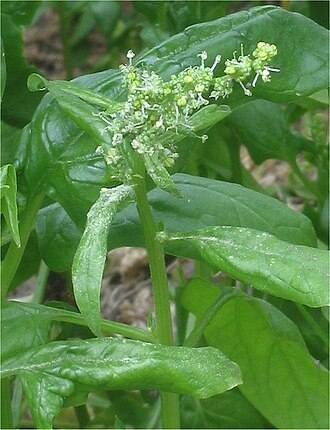
Photo: Wikipedia
Baby spinach is the tender, young stage of the spinach plant, harvested early for its delicate texture and mild, slightly sweet flavor. Its vibrant green leaves are packed with nutrients, offering a powerhouse of vitamins and minerals in a low-calorie package. Unlike mature spinach, its leaves are thin and tender, making it perfect for eating raw without the tough, fibrous texture.
Calorie split: 43% protein · 36% carbs · 21% fat
↓ Full nutrition💚 Why it's loved
People love baby spinach for its incredibly versatile, mild taste that blends seamlessly into salads, smoothies, and cooked dishes without overpowering other flavors. Its tender texture and vibrant color make it a go-to for adding nutrition and visual appeal to meals, from simple side salads to complex stir-fries.
⚠️ Watch-outs & how to enjoy it better
Baby spinach contains oxalates, which can bind to calcium and potentially contribute to kidney stones in susceptible individuals. To counteract this, pair it with calcium-rich foods like cheese or yogurt, and consider cooking it (steaming or sautéing) to reduce oxalate content by up to 40%.
Key benefits
- Excellent source of vitamin K, crucial for bone health and blood clotting.
- Rich in vitamin A and beta-carotene, supporting eye health and immune function.
- Good source of iron and folate, essential for energy production and cell growth.
- High in antioxidants like lutein and zeaxanthin, which may protect eye health.
- Very low in calories and carbohydrates, making it ideal for weight management.
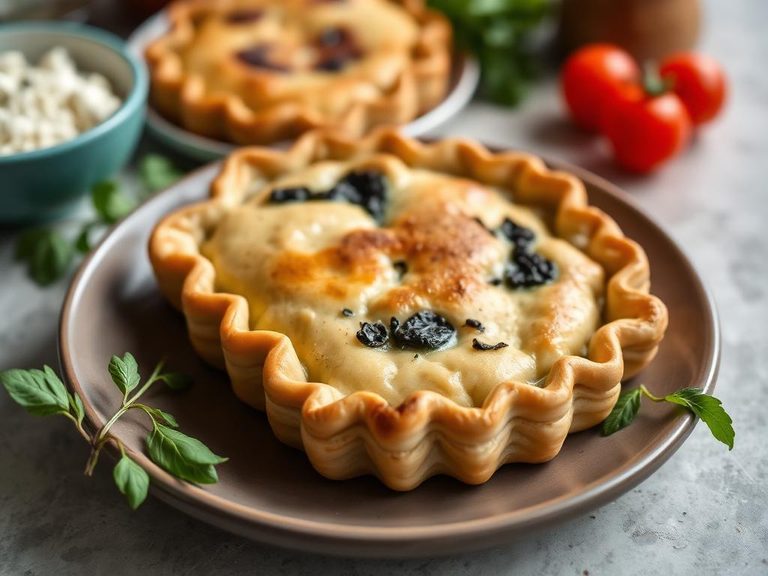
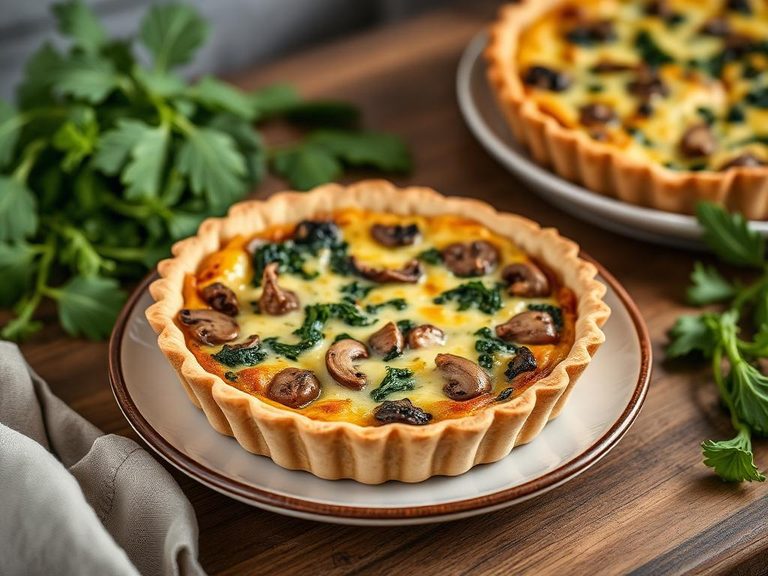
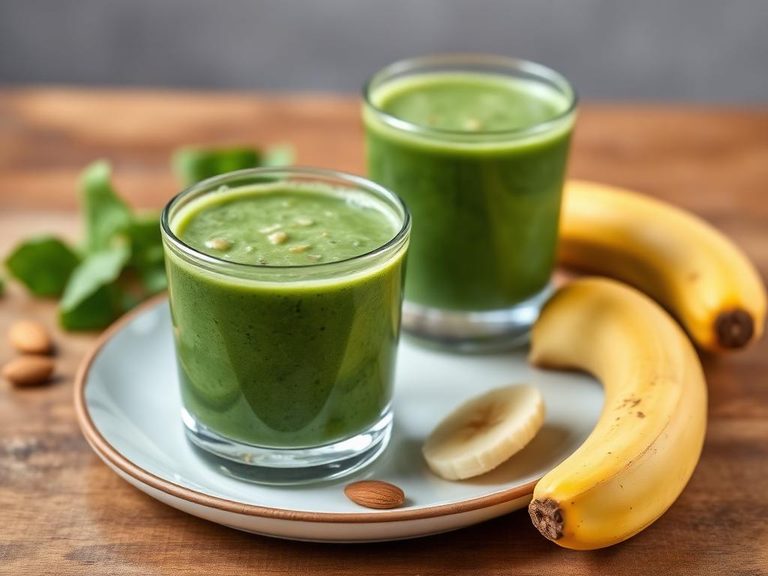
🍽️ Popular dishes
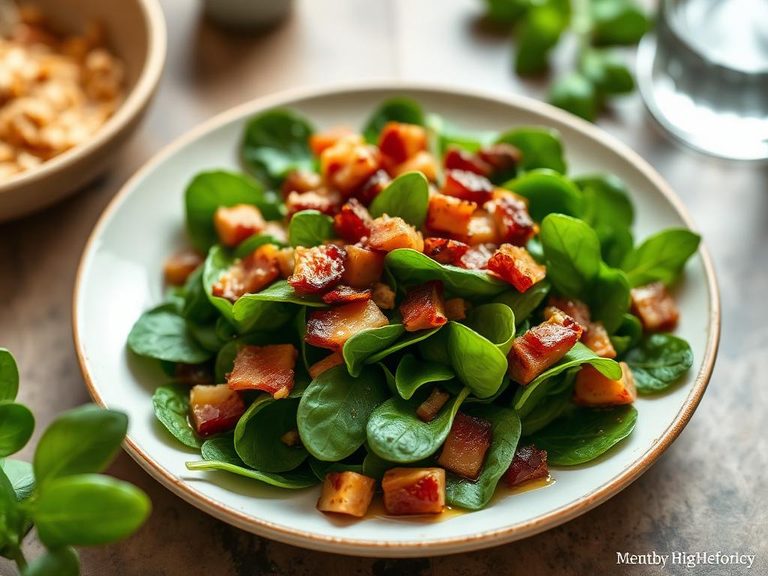
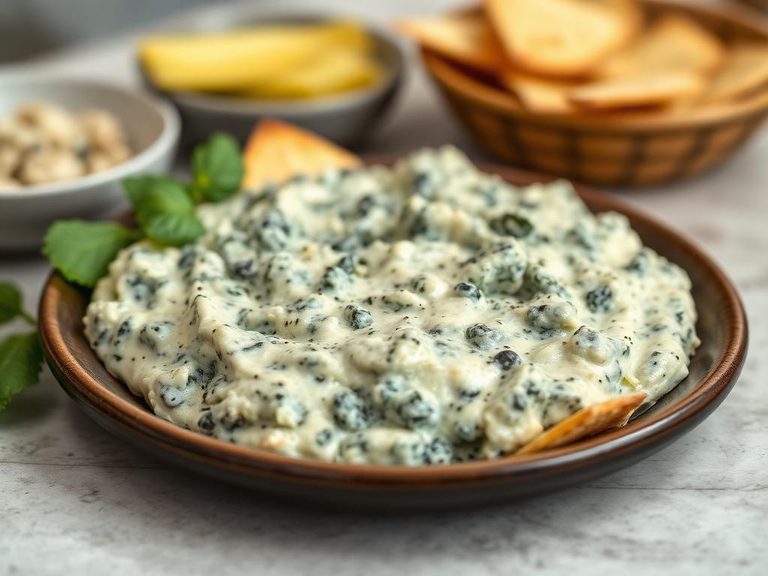
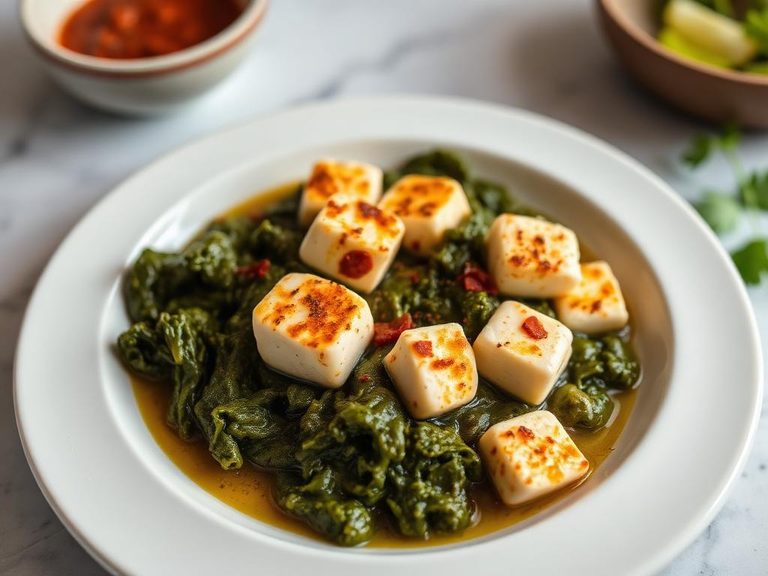
🌍 Where it's eaten
💡 Did you know?
Spinach was introduced to Europe in the 12th century by the Moors and was famously depicted in Leonardo da Vinci's 'The Last Supper' as a key ingredient in the dish on the table.
Full nutrition (USDA data · scales with serving)
| Water | 92.5 g |
| Energy (Atwater General Factors) | 26.6 kcal |
| Energy (Atwater Specific Factors) | 20.7 kcal |
| Nitrogen | 0.46 g |
| Protein | 2.9 g |
| Total lipid (fat) | 0.62 g |
| Ash | 1.6 g |
| Carbohydrate, by difference | 2.4 g |
| Carbohydrate, by summation | 1.6 g |
| Fiber, total dietary | 1.6 g |
| Calcium, Ca | 68.3 mg |
| Iron, Fe | 1.3 mg |
| Magnesium, Mg | 92.9 mg |
| Phosphorus, P | 39.0 mg |
| Potassium, K | 582 mg |
| Sodium, Na | 111 mg |
| Zinc, Zn | 0.45 mg |
| Copper, Cu | 0.08 mg |
| Manganese, Mn | 0.49 mg |
| Selenium, Se | 0.00 ug |
| Vitamin C, total ascorbic acid | 26.5 mg |
| Thiamin | 0.08 mg |
| Riboflavin | 0.19 mg |
| Niacin | 0.55 mg |
| Vitamin B-6 | 0.19 mg |
| Folate, total | 117 ug |
| Vitamin A, RAE | 283 ug |
| Carotene, beta | 3397 ug |
| Carotene, alpha | 0.00 ug |
| Carotene, gamma | 0.00 ug |
| Cryptoxanthin, beta | 0.00 ug |
| Cryptoxanthin, alpha | 0.00 ug |
| Lycopene | 0.00 ug |
| Lutein + zeaxanthin | 6020 ug |
| cis-Lutein/Zeaxanthin | 0.00 ug |
| Lutein | 5829 ug |
| Zeaxanthin | 191 ug |
Fat & fatty acid profile (per 100g)
Estimated from Spinach, cooked, boiled, drained, with salt — USDA does not publish this profile for Spinach.
| Fatty acids, total saturated | 0.04 g |
| SFA 14:0 | 0.01 g |
| SFA 16:0 | 0.03 g |
| SFA 18:0 | 0.00 g |
| Fatty acids, total monounsaturated | 0.01 g |
| MUFA 16:1 | 0.00 g |
| MUFA 18:1 | 0.00 g |
| Fatty acids, total polyunsaturated | 0.11 g |
| PUFA 18:2 | 0.02 g |
| PUFA 18:3 | 0.09 g |
| Fatty acids, total trans | 0.00 g |
| Cholesterol | 0.00 mg |
Amino acid profile (per 100g)
Estimated from Spinach, cooked, boiled, drained, with salt — USDA does not publish this profile for Spinach.
| Tryptophan | 0.04 g |
| Threonine | 0.13 g |
| Isoleucine | 0.15 g |
| Leucine | 0.23 g |
| Lysine | 0.18 g |
| Methionine | 0.06 g |
| Cystine | 0.04 g |
| Phenylalanine | 0.13 g |
| Tyrosine | 0.11 g |
| Valine | 0.17 g |
| Arginine | 0.17 g |
| Histidine | 0.07 g |
| Alanine | 0.15 g |
| Aspartic acid | 0.25 g |
| Glutamic acid | 0.36 g |
| Glycine | 0.14 g |
| Proline | 0.12 g |
| Serine | 0.11 g |
FAQ
Is baby spinach healthier than regular spinach?
Both are nutritious, but baby spinach has a milder flavor and more tender texture. Mature spinach has slightly higher levels of certain nutrients like iron and calcium per gram, but baby spinach is often preferred for raw applications due to its palatability.
Can I eat baby spinach raw?
Yes, baby spinach is excellent raw in salads, smoothies, and sandwiches. Its tender leaves and mild flavor make it ideal for uncooked preparations without the need for cooking to soften texture.
How should I store baby spinach to keep it fresh?
Store baby spinach in the refrigerator in a perforated plastic bag or container lined with paper towels to absorb excess moisture. It typically lasts 5-7 days when kept cold and dry.
Does cooking spinach reduce its nutritional value?
Cooking spinach can reduce some heat-sensitive nutrients like vitamin C, but it increases the bioavailability of others like iron and beta-carotene. Steaming or sautéing are best to retain most nutrients while reducing oxalates.
Nutrient density (calculated · NRF9.3)
Nutrient Rich Foods index: beneficial nutrients (protein, fiber, vitamins, minerals) minus saturated fat, added sugar & sodium, per 100 kcal.
NRF9.3 index — Fulgoni, Keast & Drewnowski, 2009. Computed from USDA nutrients.
Weight-loss friendliness (composite index)
Energy density 0.27 kcal/g · 43% calories from protein · 1.6 g fiber · 0.0 g sugar per 100 g.
Composite of energy density (Rolls et al., 1999), protein & fiber satiety, minus sugar. A calculated heuristic — ranks satiety-per-calorie, not a clinical measure.
Dietary load (calculated from USDA values)
Potential renal acid load. Positive = acid-forming, negative = alkaline-forming.
Sodium-to-potassium ratio: 0.19 (lower is better — aim for ≤ 1)
Sodium:potassium per WHO potassium guidance. Computed from USDA nutrients.