

Avocados, raw, Florida
Whole food · Fruits and Fruit Juices

Photo: Wikipedia
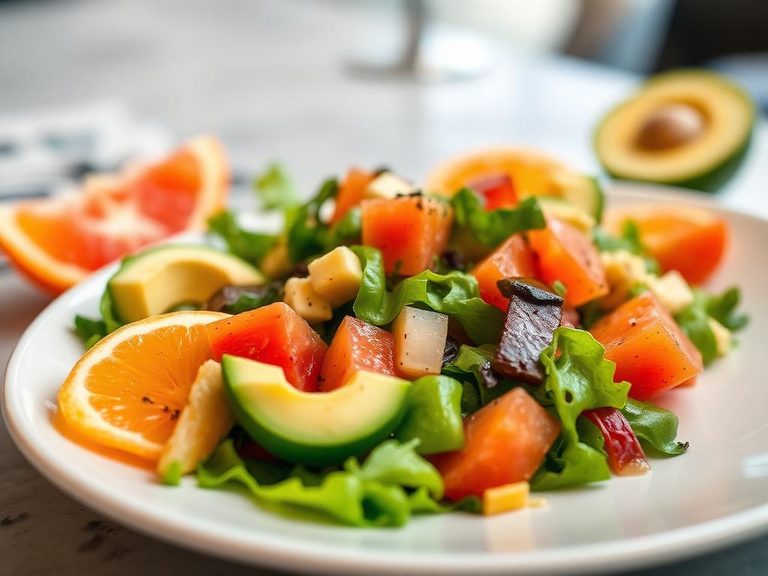
The Florida avocado, often called the 'tropical avocado,' is a large, smooth-skinned variety with a notably higher water content and a lighter, more delicate flavor than its Hass cousin. Its pale green flesh has a soft, almost creamy texture that's less rich and buttery, making it refreshing in salads and salsas. Nutritionally, it's a great source of heart-healthy monounsaturated fats and dietary fiber, with a lower calorie density than many other avocado types.
Calorie split: 7% protein · 24% carbs · 69% fat
↓ Full nutrition💚 Why it's loved
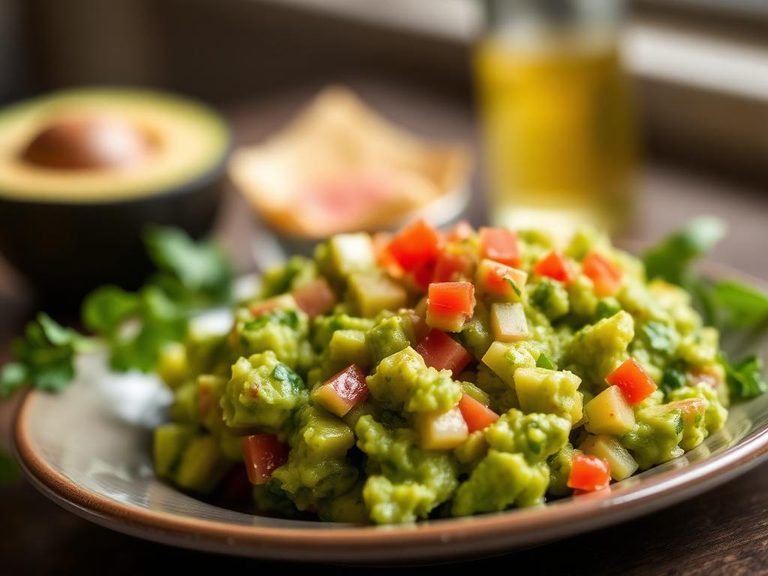
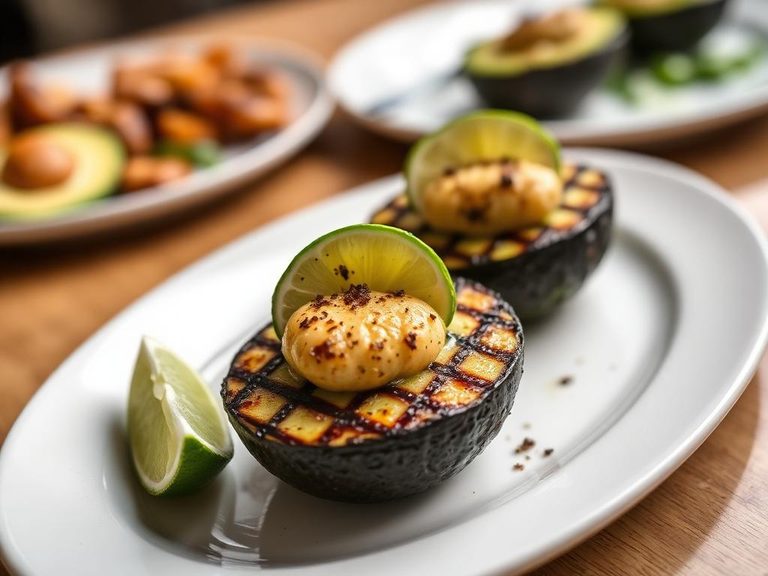
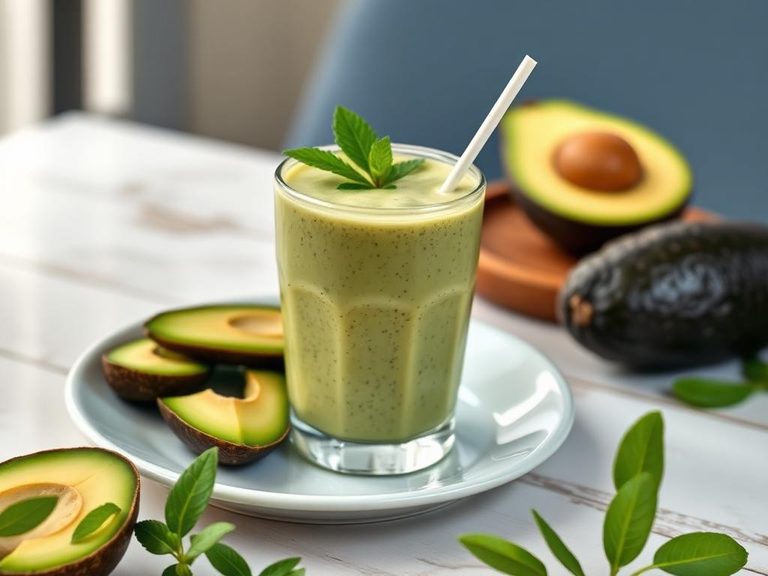
People love its mild, fresh taste and smooth texture that doesn't overpower other ingredients, making it a versatile canvas for everything from smoothies to ceviche. Its large size and smooth skin also make it easy to slice and dice for generous portions.
⚠️ Watch-outs & how to enjoy it better
Its higher water content can make it less ideal for creamy guacamole or spreads, as it may become watery. Those monitoring caloric intake should practice portion control, as it's still energy-dense. To counteract this, pair it with protein-rich foods like beans or eggs to increase satiety and balance a meal.
Key benefits
- Excellent source of heart-healthy monounsaturated fats
- High in dietary fiber for digestive health
- Contains potassium, which supports blood pressure regulation
- Provides antioxidants like lutein for eye health
- Lower calorie density than Hass avocados due to higher water content
🍽️ Popular dishes
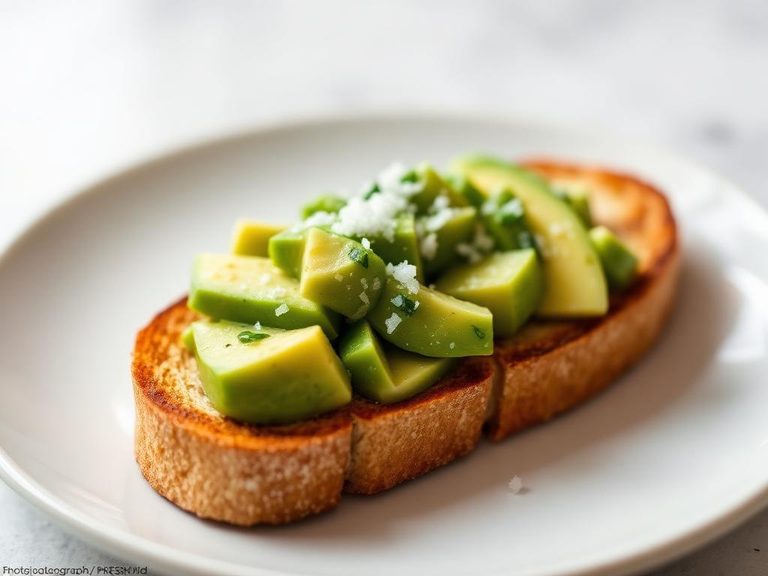
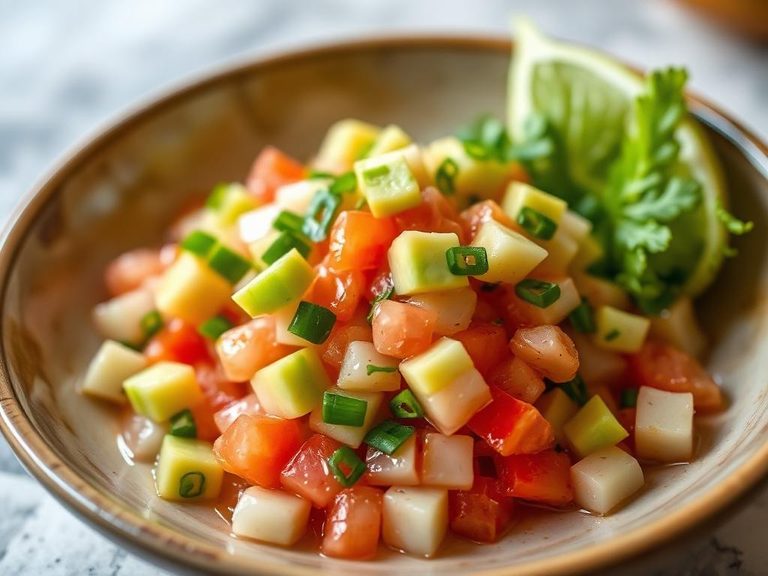
🌍 Where it's eaten
💡 Did you know?
The Florida avocado is often marketed as a 'diet avocado' because it contains about 25% less fat (and thus fewer calories) per gram than the more common Hass variety.
Full nutrition (USDA data · scales with serving)
| Water | 78.8 g |
| Energy | 120 kcal |
| Energy | 501 kj |
| Protein | 2.2 g |
| Total lipid (fat) | 10.1 g |
| Ash | 1.1 g |
| Carbohydrate, by difference | 7.8 g |
| Fiber, total dietary | 5.6 g |
| Total Sugars | 2.4 g |
| Sucrose | 0.00 g |
| Glucose | 2.2 g |
| Fructose | 0.25 g |
| Lactose | 0.00 g |
| Maltose | 0.00 g |
| Calcium, Ca | 10.0 mg |
| Iron, Fe | 0.17 mg |
| Magnesium, Mg | 24.0 mg |
| Phosphorus, P | 40.0 mg |
| Potassium, K | 351 mg |
| Sodium, Na | 2.0 mg |
| Zinc, Zn | 0.40 mg |
| Copper, Cu | 0.31 mg |
| Manganese, Mn | 0.10 mg |
| Vitamin C, total ascorbic acid | 17.4 mg |
| Thiamin | 0.02 mg |
| Riboflavin | 0.05 mg |
| Niacin | 0.67 mg |
| Pantothenic acid | 0.93 mg |
| Vitamin B-6 | 0.08 mg |
| Folate, total | 35.0 ug |
| Folic acid | 0.00 ug |
| Folate, food | 35.0 ug |
| Folate, DFE | 35.0 ug |
| Vitamin B-12 | 0.00 ug |
| Vitamin A, RAE | 7.0 ug |
| Retinol | 0.00 ug |
| Carotene, beta | 53.0 ug |
| Carotene, alpha | 27.0 ug |
| Cryptoxanthin, beta | 36.0 ug |
| Vitamin A, IU | 140 iu |
| Vitamin E (alpha-tocopherol) | 2.7 mg |
| Tocopherol, beta | 0.08 mg |
| Tocopherol, gamma | 0.39 mg |
| Tocopherol, delta | 0.00 mg |
| Tocotrienol, alpha | 0.00 mg |
| Tocotrienol, beta | 0.00 mg |
| Tocotrienol, gamma | 0.00 mg |
| Vitamin D (D2 + D3), International Units | 0.00 iu |
| Vitamin D (D2 + D3) | 0.00 ug |
Fat & fatty acid profile (per 100g)
| Fatty acids, total saturated | 2.0 g |
| SFA 16:0 | 1.9 g |
| SFA 18:0 | 0.06 g |
| Fatty acids, total monounsaturated | 5.5 g |
| MUFA 16:1 | 0.82 g |
| MUFA 18:1 | 4.7 g |
| Fatty acids, total polyunsaturated | 1.7 g |
| PUFA 18:2 | 1.6 g |
| PUFA 18:3 | 0.10 g |
| Fatty acids, total trans | 0.00 g |
| Cholesterol | 0.00 mg |
Amino acid profile (per 100g)
| Tryptophan | 0.03 g |
| Threonine | 0.08 g |
| Isoleucine | 0.09 g |
| Leucine | 0.16 g |
| Lysine | 0.15 g |
| Methionine | 0.04 g |
| Cystine | 0.03 g |
| Phenylalanine | 0.11 g |
| Tyrosine | 0.05 g |
| Valine | 0.12 g |
| Arginine | 0.10 g |
| Histidine | 0.06 g |
| Alanine | 0.12 g |
| Aspartic acid | 0.26 g |
| Glutamic acid | 0.32 g |
| Glycine | 0.12 g |
| Proline | 0.11 g |
| Serine | 0.13 g |
FAQ
How is a Florida avocado different from a Hass avocado?
Florida avocados are larger, have smooth, bright green skin, and contain more water and less fat, resulting in a lighter flavor and texture. Hass avocados are smaller, have pebbly dark skin, and are richer and creamier.
What's the best way to store a Florida avocado?
Store unripe Florida avocados at room temperature until they yield to gentle pressure. Once ripe, they can be refrigerated for 3-5 days. To prevent browning of cut flesh, squeeze lemon or lime juice over the surface and cover tightly.
Can I use Florida avocado in guacamole?
Yes, but be aware its higher water content may result in a looser, less creamy guacamole. For best results, use it when very ripe and consider mixing it with a firmer avocado variety for a balanced texture.
Nutrient density (calculated · NRF9.3)
Nutrient Rich Foods index: beneficial nutrients (protein, fiber, vitamins, minerals) minus saturated fat, added sugar & sodium, per 100 kcal.
NRF9.3 index — Fulgoni, Keast & Drewnowski, 2009. Computed from USDA nutrients.
Weight-loss friendliness (composite index)
Energy density 1.20 kcal/g · 7% calories from protein · 5.6 g fiber · 2.4 g sugar per 100 g.
Composite of energy density (Rolls et al., 1999), protein & fiber satiety, minus sugar. A calculated heuristic — ranks satiety-per-calorie, not a clinical measure.
Dietary load (calculated from USDA values)
Potential renal acid load. Positive = acid-forming, negative = alkaline-forming.
Sodium-to-potassium ratio: 0.01 (lower is better — aim for ≤ 1)
Sodium:potassium per WHO potassium guidance. Computed from USDA nutrients.