Cheese, romano
Whole food · Dairy and Egg Products

Photo: Wikipedia
Romano is a hard, granular Italian cheese with a sharp, salty, and piquant flavor that intensifies with age. Its crumbly texture makes it ideal for grating, and it delivers a powerful umami punch. Nutritionally, it is a protein-dense, high-fat food with virtually no carbohydrates.
💚 Why it's loved
People love Romano for its bold, salty kick that elevates simple dishes like pasta and soups. Its cultural significance in Italian cuisine makes it a beloved staple for adding depth and complexity to meals.
⚠️ Watch-outs & how to enjoy it better
Its high sodium content can be a concern for those monitoring salt intake, and its richness may not suit low-fat diets. To counteract, use it sparingly as a flavor enhancer rather than a main ingredient, and pair it with potassium-rich foods like leafy greens to balance sodium levels.
Key benefits
- Excellent source of high-quality protein for muscle maintenance.
- Rich in calcium for bone and dental health.
- High in vitamin A, supporting vision and immune function.
- Provides conjugated linoleic acid (CLA), a beneficial fatty acid.
- Low in lactose due to its aging process.
🍽️ Popular dishes
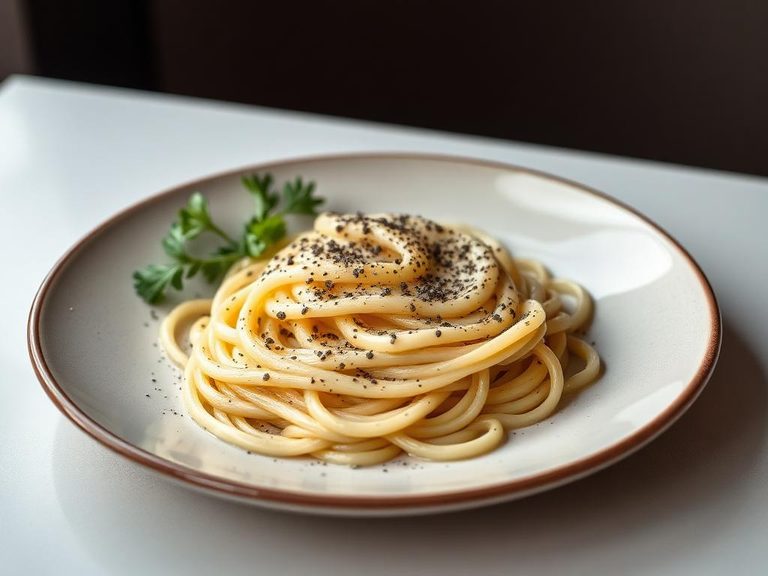
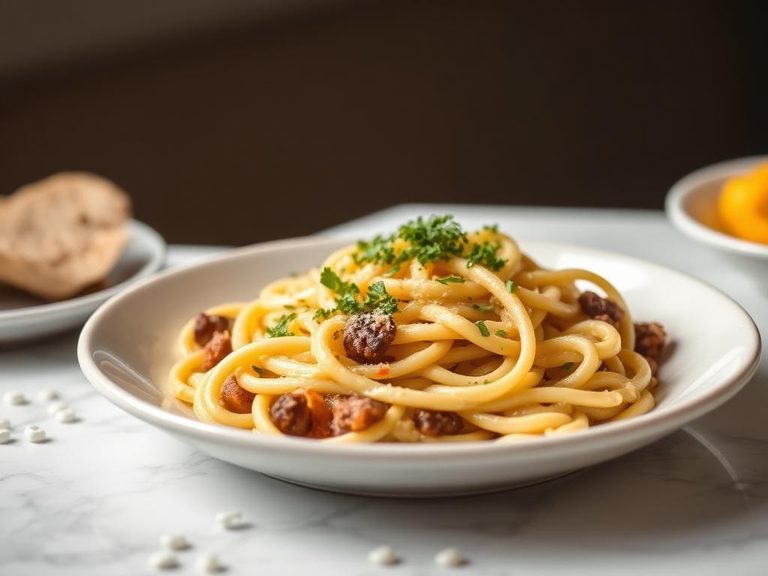
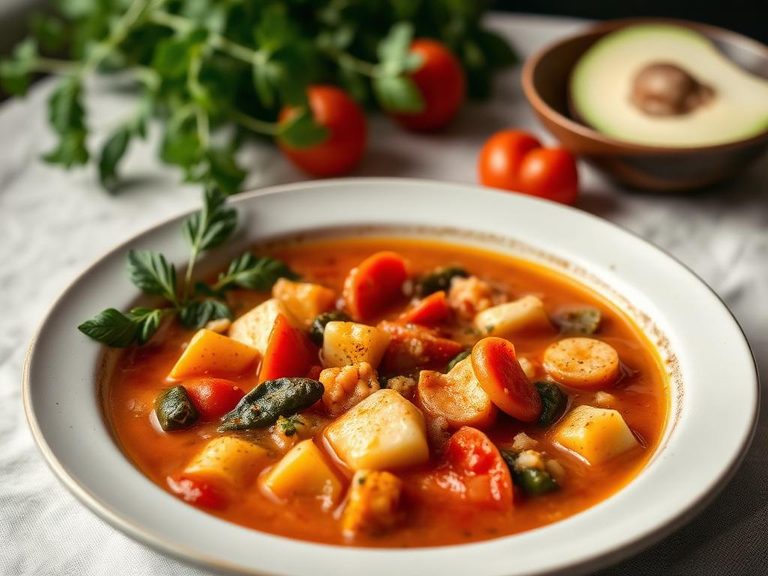
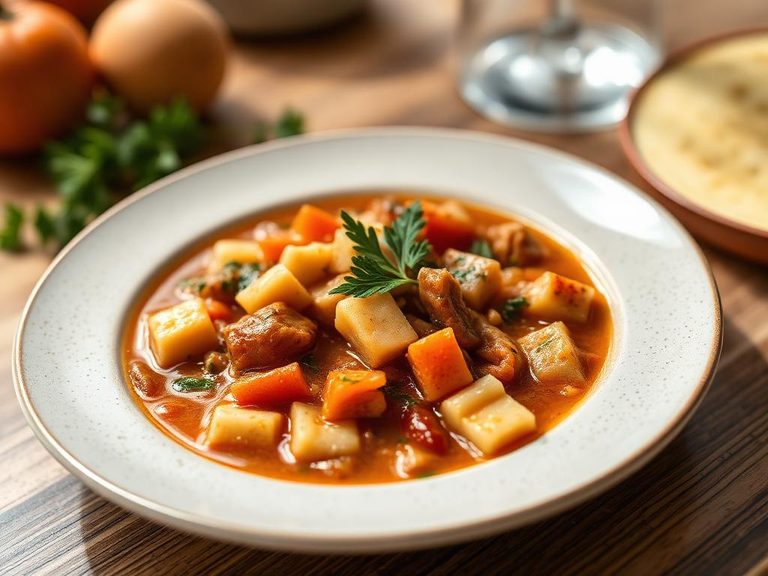
🌍 Where it's eaten
💡 Did you know?
Romano cheese is traditionally made from sheep's milk, which gives it a tangier, more complex flavor compared to cow's milk cheeses.
Full nutrition (scales with serving)
| Water | 30.9 g |
| Energy | 387 kcal |
| Energy | 1618 kj |
| Protein | 31.8 g |
| Total lipid (fat) | 26.9 g |
| Ash | 6.7 g |
| Carbohydrate, by difference | 3.6 g |
| Fiber, total dietary | 0.00 g |
| Total Sugars | 0.73 g |
| Calcium, Ca | 1064 mg |
| Iron, Fe | 0.77 mg |
| Magnesium, Mg | 41.0 mg |
| Phosphorus, P | 760 mg |
| Potassium, K | 86.0 mg |
| Sodium, Na | 1433 mg |
| Zinc, Zn | 2.6 mg |
| Copper, Cu | 0.03 mg |
| Manganese, Mn | 0.02 mg |
| Selenium, Se | 14.5 ug |
| Vitamin C, total ascorbic acid | 0.00 mg |
| Thiamin | 0.04 mg |
| Riboflavin | 0.37 mg |
| Niacin | 0.08 mg |
| Pantothenic acid | 0.42 mg |
| Vitamin B-6 | 0.09 mg |
| Folate, total | 7.0 ug |
| Folic acid | 0.00 ug |
| Folate, food | 7.0 ug |
| Folate, DFE | 7.0 ug |
| Choline, total | 15.4 mg |
| Vitamin B-12 | 1.1 ug |
| Vitamin B-12, added | 0.00 ug |
| Vitamin A, RAE | 96.0 ug |
| Retinol | 90.0 ug |
| Carotene, beta | 69.0 ug |
| Carotene, alpha | 0.00 ug |
| Cryptoxanthin, beta | 0.00 ug |
| Vitamin A, IU | 415 iu |
| Lycopene | 0.00 ug |
| Lutein + zeaxanthin | 0.00 ug |
| Vitamin E (alpha-tocopherol) | 0.23 mg |
| Vitamin E, added | 0.00 mg |
| Vitamin D (D2 + D3), International Units | 20.0 iu |
| Vitamin D (D2 + D3) | 0.50 ug |
| Vitamin D3 (cholecalciferol) | 0.50 ug |
| Vitamin K (phylloquinone) | 2.2 ug |
| Alcohol, ethyl | 0.00 g |
| Caffeine | 0.00 mg |
| Theobromine | 0.00 mg |
Fat & fatty acid profile (per 100g)
| Fatty acids, total saturated | 17.1 g |
| SFA 4:0 | 1.4 g |
| SFA 6:0 | 0.51 g |
| SFA 8:0 | 0.27 g |
| SFA 10:0 | 0.67 g |
| SFA 12:0 | 0.91 g |
| SFA 14:0 | 3.0 g |
| SFA 16:0 | 7.3 g |
| SFA 18:0 | 2.4 g |
| Fatty acids, total monounsaturated | 7.8 g |
| MUFA 16:1 | 0.41 g |
| MUFA 18:1 | 6.9 g |
| MUFA 20:1 | 0.00 g |
| MUFA 22:1 | 0.00 g |
| Fatty acids, total polyunsaturated | 0.59 g |
| PUFA 18:2 | 0.28 g |
| PUFA 18:3 | 0.31 g |
| PUFA 18:4 | 0.00 g |
| PUFA 20:4 | 0.00 g |
| PUFA 20:5 n-3 (EPA) | 0.00 g |
| PUFA 22:5 n-3 (DPA) | 0.00 g |
| PUFA 22:6 n-3 (DHA) | 0.00 g |
| Cholesterol | 104 mg |
Amino acid profile (per 100g)
| Tryptophan | 0.43 g |
| Threonine | 1.2 g |
| Isoleucine | 1.7 g |
| Leucine | 3.1 g |
| Lysine | 2.9 g |
| Methionine | 0.85 g |
| Cystine | 0.21 g |
| Phenylalanine | 1.7 g |
| Tyrosine | 1.8 g |
| Valine | 2.2 g |
| Arginine | 1.2 g |
| Histidine | 1.2 g |
| Alanine | 0.93 g |
| Aspartic acid | 2.0 g |
| Glutamic acid | 7.3 g |
| Glycine | 0.55 g |
| Proline | 3.7 g |
| Serine | 1.8 g |
FAQ
What is the difference between Romano and Parmesan?
Romano is typically made from sheep's milk and has a sharper, saltier flavor, while Parmesan is made from cow's milk and is milder and nuttier.
Is Romano cheese lactose-free?
Aged Romano is very low in lactose, making it suitable for many people with lactose intolerance, though individual tolerance may vary.
How should I store Romano cheese?
Wrap it in wax paper or cheese paper and store it in the refrigerator's cheese drawer. Avoid plastic wrap, which can trap moisture and cause mold.
Can I use Romano cheese in baking?
Yes, it can be used in savory baked goods like breads, scones, or casseroles to add a sharp, salty flavor.
Is Romano cheese high in sodium?
Yes, it is quite high in sodium, so it's best used in moderation, especially for those on low-salt diets.