Cheese, provolone
Whole food · Dairy and Egg Products

Photo: Wikipedia
Provolone is a semi-hard, Italian cheese with a smooth, elastic texture and a flavor that ranges from mild and buttery to sharp and piquant, depending on aging. It is a nutritional powerhouse, delivering a substantial 25.58g of protein per 100g, making it an excellent choice for muscle maintenance and satiety. With virtually no carbs, it's a staple in low-carb and ketogenic diets, offering rich flavor without the sugar spike.
💚 Why it's loved
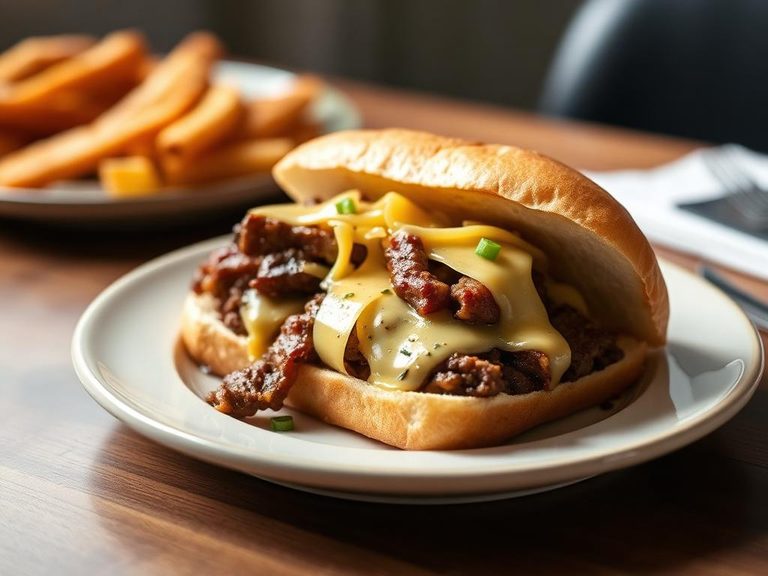
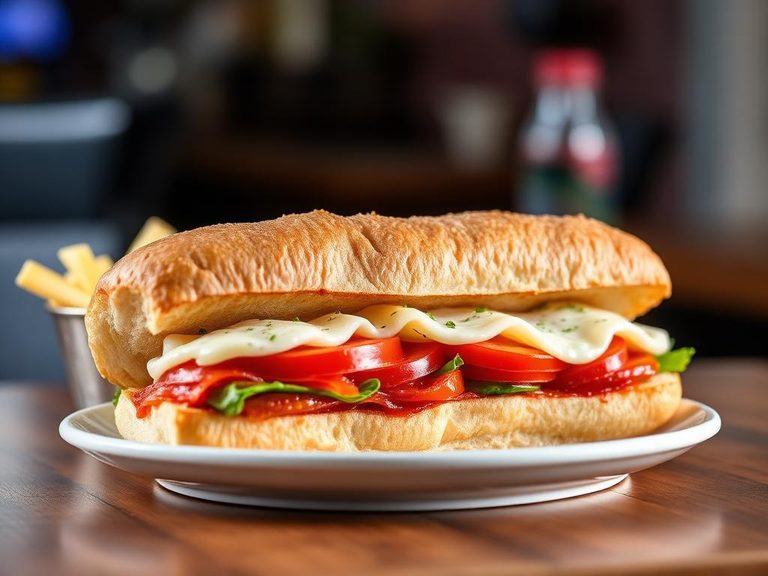
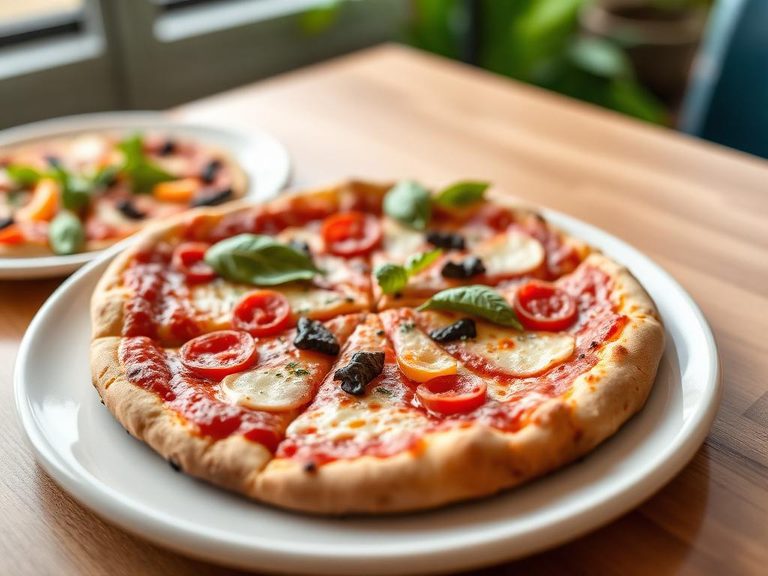
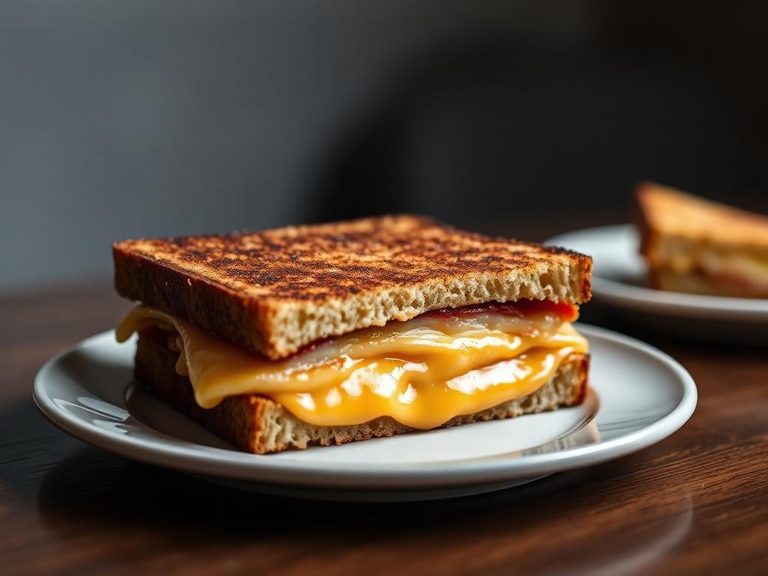
People love provolone for its exceptional melting quality, creating a perfectly gooey, stretchy layer on sandwiches and pizzas. Its versatile flavor profile, from mild to sharp, makes it a beloved ingredient in Italian-American cuisine and beyond.
⚠️ Watch-outs & how to enjoy it better
Provolone is high in sodium and saturated fat, which may be a concern for those monitoring blood pressure or heart health. To counteract, pair it with potassium-rich foods like leafy greens or tomatoes, and practice portion control by using it as a flavor enhancer rather than the main ingredient. It is also a dairy product, so those with lactose intolerance or a milk allergy should avoid it or opt for a lactose-free alternative.
Key benefits
- High-quality protein source for muscle repair and satiety.
- Very low in carbohydrates, suitable for keto and low-carb diets.
- Rich in calcium for bone health.
- Contains conjugated linoleic acid (CLA), which may support metabolism.
- Provides essential vitamins like B12 and A.
🍽️ Popular dishes
🌍 Where it's eaten
💡 Did you know?
Provolone is a 'pasta filata' or stretched-curd cheese, a process that gives it its characteristic stringy texture when melted, similar to mozzarella but with a more complex, aged flavor.
Full nutrition (scales with serving)
| Water | 41.0 g |
| Energy | 351 kcal |
| Energy | 1471 kj |
| Protein | 25.6 g |
| Total lipid (fat) | 26.6 g |
| Ash | 4.7 g |
| Carbohydrate, by difference | 2.1 g |
| Fiber, total dietary | 0.00 g |
| Total Sugars | 0.56 g |
| Calcium, Ca | 756 mg |
| Iron, Fe | 0.52 mg |
| Magnesium, Mg | 28.0 mg |
| Phosphorus, P | 496 mg |
| Potassium, K | 138 mg |
| Sodium, Na | 727 mg |
| Zinc, Zn | 3.2 mg |
| Copper, Cu | 0.03 mg |
| Manganese, Mn | 0.01 mg |
| Selenium, Se | 14.5 ug |
| Vitamin C, total ascorbic acid | 0.00 mg |
| Thiamin | 0.02 mg |
| Riboflavin | 0.32 mg |
| Niacin | 0.16 mg |
| Pantothenic acid | 0.48 mg |
| Vitamin B-6 | 0.07 mg |
| Folate, total | 10.0 ug |
| Folic acid | 0.00 ug |
| Folate, food | 10.0 ug |
| Folate, DFE | 10.0 ug |
| Choline, total | 15.4 mg |
| Vitamin B-12 | 1.5 ug |
| Vitamin B-12, added | 0.00 ug |
| Vitamin A, RAE | 236 ug |
| Retinol | 230 ug |
| Carotene, beta | 68.0 ug |
| Carotene, alpha | 0.00 ug |
| Cryptoxanthin, beta | 0.00 ug |
| Vitamin A, IU | 880 iu |
| Lycopene | 0.00 ug |
| Lutein + zeaxanthin | 0.00 ug |
| Vitamin E (alpha-tocopherol) | 0.23 mg |
| Vitamin E, added | 0.00 mg |
| Vitamin D (D2 + D3), International Units | 20.0 iu |
| Vitamin D (D2 + D3) | 0.50 ug |
| Vitamin D3 (cholecalciferol) | 0.50 ug |
| Vitamin K (phylloquinone) | 2.2 ug |
| Alcohol, ethyl | 0.00 g |
| Caffeine | 0.00 mg |
| Theobromine | 0.00 mg |
Fat & fatty acid profile (per 100g)
| Fatty acids, total saturated | 17.1 g |
| SFA 4:0 | 0.98 g |
| SFA 6:0 | 0.37 g |
| SFA 8:0 | 0.26 g |
| SFA 10:0 | 0.48 g |
| SFA 12:0 | 0.35 g |
| SFA 14:0 | 2.7 g |
| SFA 16:0 | 8.2 g |
| SFA 18:0 | 3.1 g |
| Fatty acids, total monounsaturated | 7.4 g |
| MUFA 16:1 | 0.88 g |
| MUFA 18:1 | 6.2 g |
| MUFA 20:1 | 0.00 g |
| MUFA 22:1 | 0.00 g |
| Fatty acids, total polyunsaturated | 0.77 g |
| PUFA 18:2 | 0.49 g |
| PUFA 18:3 | 0.28 g |
| PUFA 18:4 | 0.00 g |
| PUFA 20:4 | 0.00 g |
| PUFA 20:5 n-3 (EPA) | 0.00 g |
| PUFA 22:5 n-3 (DPA) | 0.00 g |
| PUFA 22:6 n-3 (DHA) | 0.00 g |
| Cholesterol | 69.0 mg |
Amino acid profile (per 100g)
| Tryptophan | 0.34 g |
| Threonine | 0.98 g |
| Isoleucine | 1.1 g |
| Leucine | 2.3 g |
| Lysine | 2.6 g |
| Methionine | 0.69 g |
| Cystine | 0.12 g |
| Phenylalanine | 1.3 g |
| Tyrosine | 1.5 g |
| Valine | 1.6 g |
| Arginine | 1.0 g |
| Histidine | 1.1 g |
| Alanine | 0.71 g |
| Aspartic acid | 1.7 g |
| Glutamic acid | 6.2 g |
| Glycine | 0.43 g |
| Proline | 2.8 g |
| Serine | 1.5 g |
FAQ
What is the difference between provolone dolce and provolone piccante?
Provolone dolce is mild and sweet, aged for about 1-3 months. Provolone piccante is sharp and piquant, aged for at least 4 months, often with a spicier flavor from the addition of lipase.
Is provolone a good cheese for melting?
Yes, provolone is an excellent melting cheese due to its 'pasta filata' (stretched-curd) process, which gives it a smooth, stretchy texture when heated, making it ideal for pizzas, sandwiches, and baked dishes.
Can I eat provolone if I'm lactose intolerant?
Provolone is a hard, aged cheese and is generally very low in lactose, making it tolerable for many people with lactose intolerance. However, those with a severe milk allergy should avoid it entirely.