

Taro leaves, raw
Whole food · Vegetables and Vegetable Products

Photo: Wikipedia
Taro leaves are large, heart-shaped leaves from the taro plant, prized for their rich, earthy flavor and tender, slightly slippery texture when cooked. They are a nutritional powerhouse, offering an impressive amount of protein and fiber for a leafy green, making them a substantial addition to meals. Their mild, spinach-like taste with a subtle nutty undertone makes them a versatile base for many savory dishes.
Calorie split: 37% protein · 50% carbs · 12% fat
↓ Full nutrition💚 Why it's loved
People love taro leaves for their ability to absorb rich, savory flavors in stews and curries, becoming silky and deeply satisfying. They are a cultural staple in many cuisines, valued for turning simple ingredients into hearty, nutritious feasts.
⚠️ Watch-outs & how to enjoy it better
Raw taro leaves contain calcium oxalate crystals, which can cause a stinging, itchy sensation in the mouth and throat if not properly cooked. To counteract this, always cook the leaves thoroughly—boiling, steaming, or stewing for at least 10-15 minutes neutralizes the irritants. Pairing them with acidic ingredients like tamarind or citrus during cooking can also help.
Key benefits
- Excellent source of dietary fiber, supporting digestive health.
- High in plant-based protein compared to many other leafy greens.
- Good source of essential minerals like potassium and manganese.
- Contains antioxidants that help combat oxidative stress.
- Low in calories while being nutrient-dense.
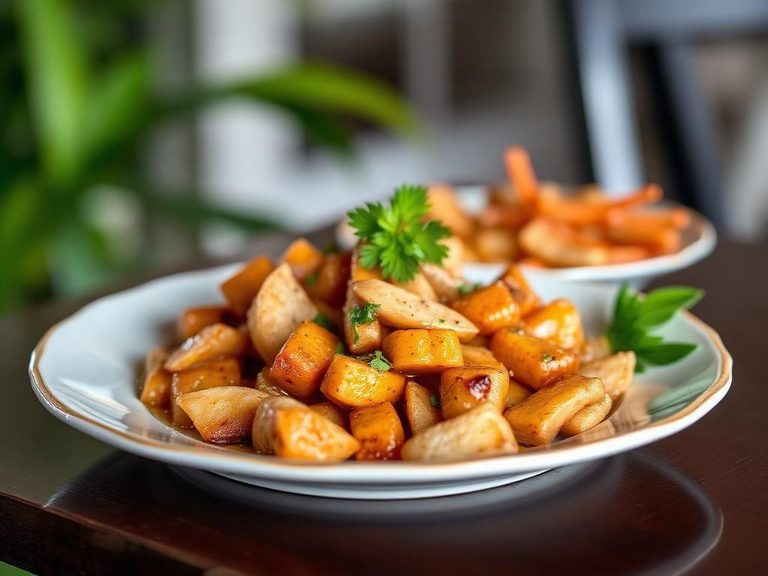
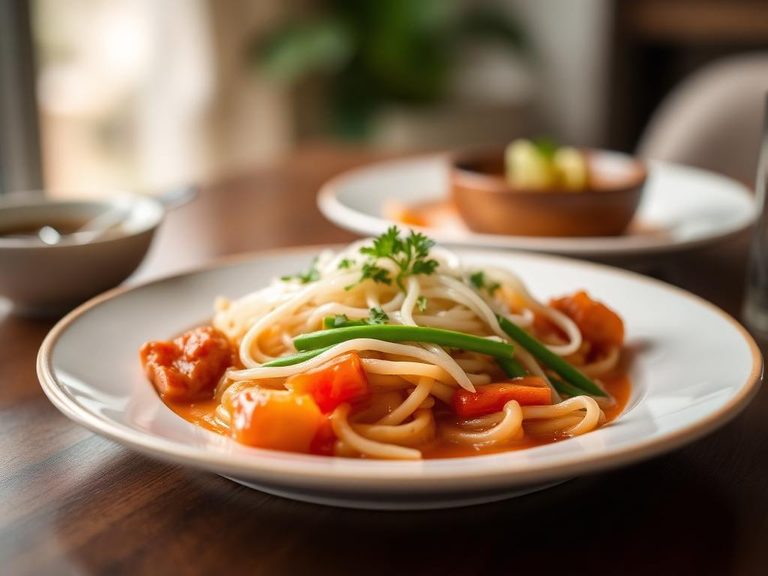
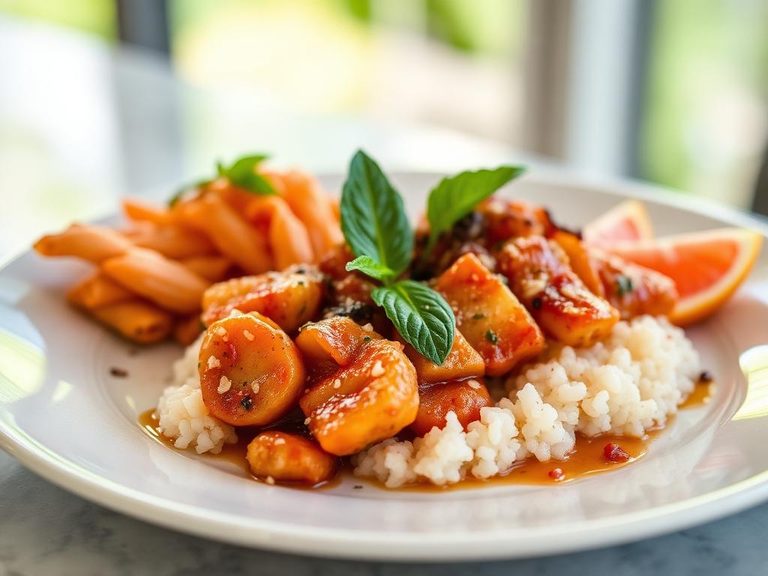
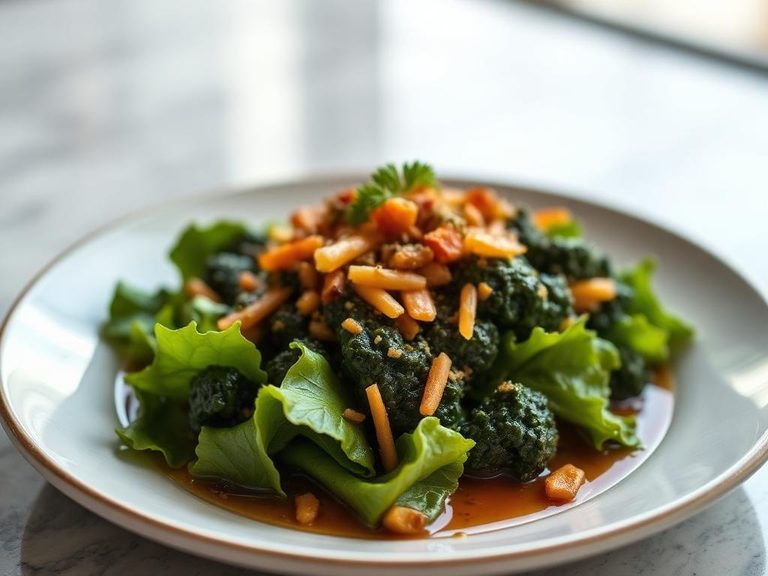
🍽️ Popular dishes
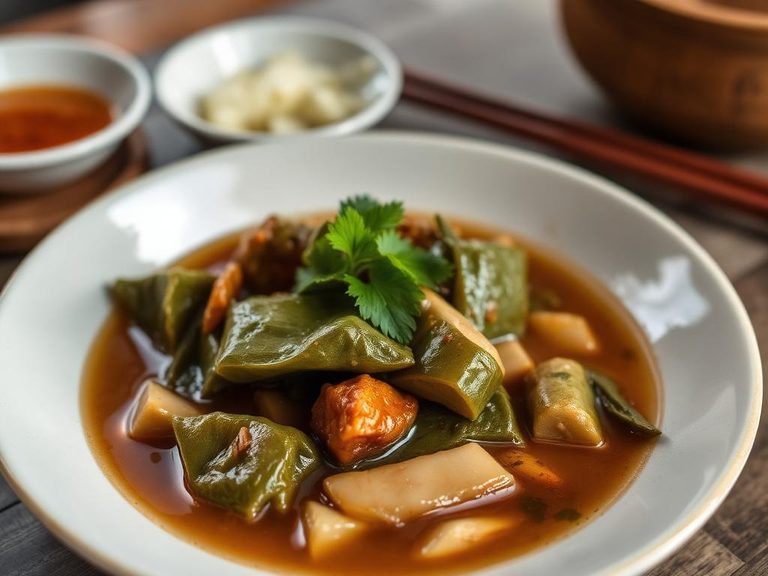
🌍 Where it's eaten
💡 Did you know?
The same plant that produces the starchy taro root corm also yields these edible leaves, making it a rare 'two-for-one' crop where both the underground and above-ground parts are dietary staples.
Full nutrition (USDA data · scales with serving)
| Water | 85.7 g |
| Energy | 42.0 kcal |
| Energy | 177 kj |
| Protein | 5.0 g |
| Total lipid (fat) | 0.74 g |
| Ash | 1.9 g |
| Carbohydrate, by difference | 6.7 g |
| Fiber, total dietary | 3.7 g |
| Total Sugars | 3.0 g |
| Calcium, Ca | 107 mg |
| Iron, Fe | 2.3 mg |
| Magnesium, Mg | 45.0 mg |
| Phosphorus, P | 60.0 mg |
| Potassium, K | 648 mg |
| Sodium, Na | 3.0 mg |
| Zinc, Zn | 0.41 mg |
| Copper, Cu | 0.27 mg |
| Manganese, Mn | 0.71 mg |
| Selenium, Se | 0.90 ug |
| Vitamin C, total ascorbic acid | 52.0 mg |
| Thiamin | 0.21 mg |
| Riboflavin | 0.46 mg |
| Niacin | 1.5 mg |
| Pantothenic acid | 0.08 mg |
| Vitamin B-6 | 0.15 mg |
| Folate, total | 126 ug |
| Folic acid | 0.00 ug |
| Folate, food | 126 ug |
| Folate, DFE | 126 ug |
| Choline, total | 12.8 mg |
| Vitamin B-12 | 0.00 ug |
| Vitamin B-12, added | 0.00 ug |
| Vitamin A, RAE | 241 ug |
| Retinol | 0.00 ug |
| Carotene, beta | 2895 ug |
| Carotene, alpha | 0.00 ug |
| Cryptoxanthin, beta | 0.00 ug |
| Vitamin A, IU | 4825 iu |
| Lycopene | 0.00 ug |
| Lutein + zeaxanthin | 1932 ug |
| Vitamin E (alpha-tocopherol) | 2.0 mg |
| Vitamin E, added | 0.00 mg |
| Vitamin D (D2 + D3), International Units | 0.00 iu |
| Vitamin D (D2 + D3) | 0.00 ug |
| Vitamin K (phylloquinone) | 109 ug |
| Alcohol, ethyl | 0.00 g |
| Caffeine | 0.00 mg |
| Theobromine | 0.00 mg |
Fat & fatty acid profile (per 100g)
| Fatty acids, total saturated | 0.15 g |
| SFA 4:0 | 0.00 g |
| SFA 6:0 | 0.00 g |
| SFA 8:0 | 0.00 g |
| SFA 10:0 | 0.00 g |
| SFA 12:0 | 0.00 g |
| SFA 14:0 | 0.00 g |
| SFA 16:0 | 0.13 g |
| SFA 18:0 | 0.02 g |
| Fatty acids, total monounsaturated | 0.06 g |
| MUFA 16:1 | 0.00 g |
| MUFA 18:1 | 0.06 g |
| MUFA 20:1 | 0.00 g |
| MUFA 22:1 | 0.00 g |
| Fatty acids, total polyunsaturated | 0.31 g |
| PUFA 18:2 | 0.21 g |
| PUFA 18:3 | 0.09 g |
| PUFA 18:4 | 0.00 g |
| PUFA 20:4 | 0.00 g |
| PUFA 20:5 n-3 (EPA) | 0.00 g |
| PUFA 22:5 n-3 (DPA) | 0.00 g |
| PUFA 22:6 n-3 (DHA) | 0.00 g |
| Fatty acids, total trans | 0.00 g |
| Cholesterol | 0.00 mg |
Amino acid profile (per 100g)
| Tryptophan | 0.05 g |
| Threonine | 0.17 g |
| Isoleucine | 0.26 g |
| Leucine | 0.39 g |
| Lysine | 0.25 g |
| Methionine | 0.08 g |
| Cystine | 0.06 g |
| Phenylalanine | 0.20 g |
| Tyrosine | 0.18 g |
| Valine | 0.26 g |
| Arginine | 0.22 g |
| Histidine | 0.11 g |
FAQ
Can I eat taro leaves raw in a salad?
No, it is strongly advised against. Raw taro leaves contain calcium oxalate, which can cause severe irritation and a painful, stinging sensation in the mouth and throat. Always cook them thoroughly before consumption.
How do I prepare taro leaves to remove the irritants?
The key is thorough cooking. Boil, steam, or stew the leaves for at least 10-15 minutes. Using an acidic ingredient like tamarind, vinegar, or citrus juice in the cooking liquid can also help break down the calcium oxalate.
What do taro leaves taste like?
When cooked, they have a mild, earthy flavor similar to spinach but with a richer, slightly nutty undertone. Their texture becomes silky and tender, making them excellent for absorbing the flavors of broths, coconut milk, and spices.
Nutrient density (calculated · NRF9.3)
Nutrient Rich Foods index: beneficial nutrients (protein, fiber, vitamins, minerals) minus saturated fat, added sugar & sodium, per 100 kcal.
NRF9.3 index — Fulgoni, Keast & Drewnowski, 2009. Computed from USDA nutrients.
Weight-loss friendliness (composite index)
Energy density 0.42 kcal/g · 47% calories from protein · 3.7 g fiber · 3.0 g sugar per 100 g.
Composite of energy density (Rolls et al., 1999), protein & fiber satiety, minus sugar. A calculated heuristic — ranks satiety-per-calorie, not a clinical measure.
Dietary load (calculated from USDA values)
Potential renal acid load. Positive = acid-forming, negative = alkaline-forming.
Sodium-to-potassium ratio: 0.00 (lower is better — aim for ≤ 1)
Sodium:potassium per WHO potassium guidance. Computed from USDA nutrients.