Squash, summer, zucchini, includes skin, frozen, cooked, boiled, drained, without salt
Whole food · Vegetables and Vegetable Products

Photo: Wikipedia
This is summer squash (zucchini) that has been frozen after cooking and boiling, then drained without added salt. It offers a soft, tender texture with a mild, slightly sweet and earthy flavor that is less crisp than fresh zucchini. Nutritionally, it's a low-calorie, high-fiber option, providing a good source of vitamins A and C per serving.
💚 Why it's loved
People love it for its incredible versatility—it acts as a mild, absorbent canvas for bold flavors like garlic, herbs, and tomato sauces. It's also a convenient, year-round way to add vegetable bulk to soups, stews, and casseroles.
⚠️ Watch-outs & how to enjoy it better
Its primary downside is a softer, sometimes watery texture compared to fresh zucchini, which can make it less ideal for dishes requiring a firm bite. To counteract this, squeeze out excess moisture before adding to fillings or patties, or use it in liquid-based dishes like soups and braises where the texture is an asset.
Key benefits
- Very low in calories, supporting weight management.
- Good source of dietary fiber, aiding digestion.
- Contains antioxidants like lutein and zeaxanthin for eye health.
- Provides vitamin C for immune function and skin health.
- Naturally low in fat and sodium.
🍽️ Popular dishes
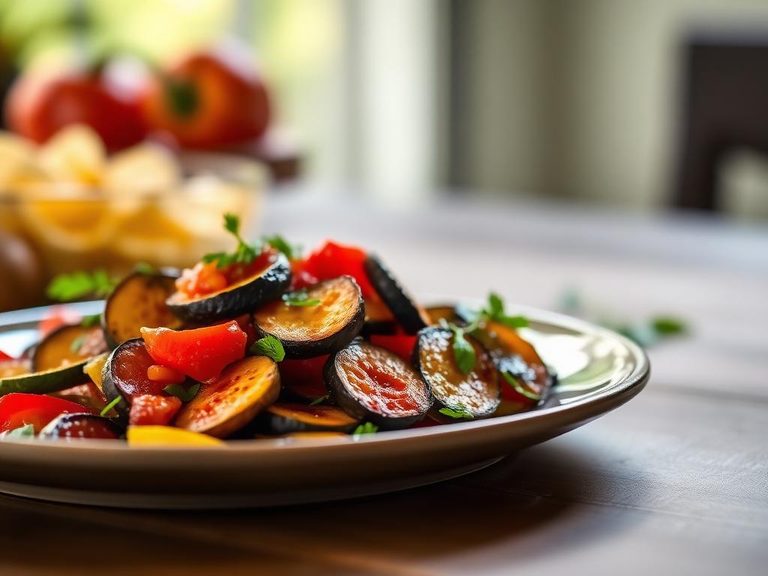
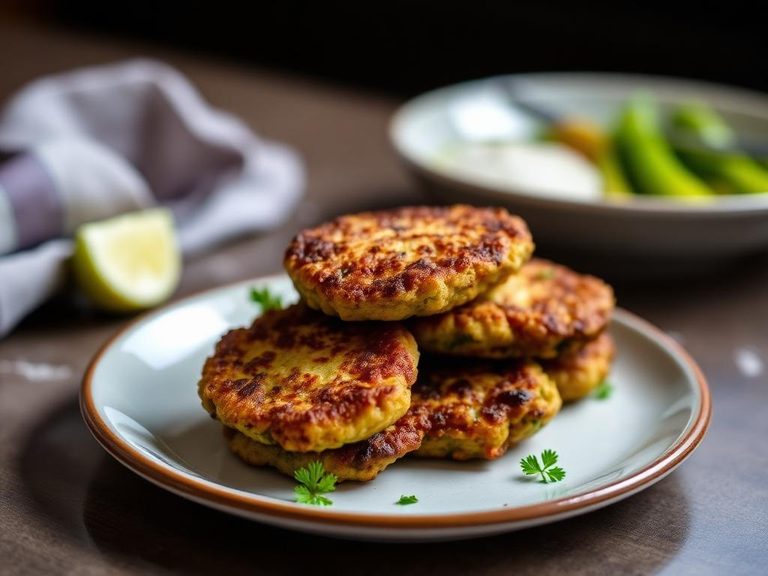

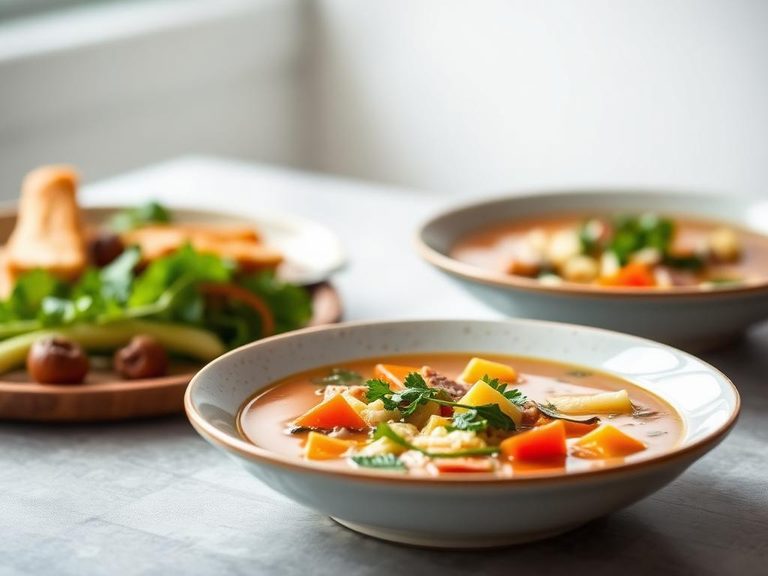
🌍 Where it's eaten
💡 Did you know?
Despite its name, zucchini is botanically a fruit (a type of berry), and the world's largest zucchini on record stretched over 69 inches long!
Full nutrition (scales with serving)
| Water | 94.7 g |
| Energy | 17.0 kcal |
| Energy | 71.0 kj |
| Protein | 1.1 g |
| Total lipid (fat) | 0.13 g |
| Ash | 0.42 g |
| Carbohydrate, by difference | 3.6 g |
| Fiber, total dietary | 1.3 g |
| Total Sugars | 1.7 g |
| Calcium, Ca | 17.0 mg |
| Iron, Fe | 0.48 mg |
| Magnesium, Mg | 13.0 mg |
| Phosphorus, P | 25.0 mg |
| Potassium, K | 194 mg |
| Sodium, Na | 2.0 mg |
| Zinc, Zn | 0.20 mg |
| Copper, Cu | 0.05 mg |
| Manganese, Mn | 0.23 mg |
| Selenium, Se | 0.20 ug |
| Vitamin C, total ascorbic acid | 3.7 mg |
| Thiamin | 0.04 mg |
| Riboflavin | 0.04 mg |
| Niacin | 0.39 mg |
| Pantothenic acid | 0.27 mg |
| Vitamin B-6 | 0.04 mg |
| Folate, total | 8.0 ug |
| Folic acid | 0.00 ug |
| Folate, food | 8.0 ug |
| Folate, DFE | 8.0 ug |
| Choline, total | 9.4 mg |
| Vitamin B-12 | 0.00 ug |
| Vitamin B-12, added | 0.00 ug |
| Vitamin A, RAE | 9.0 ug |
| Retinol | 0.00 ug |
| Carotene, beta | 106 ug |
| Carotene, alpha | 0.00 ug |
| Cryptoxanthin, beta | 0.00 ug |
| Vitamin A, IU | 177 iu |
| Lycopene | 0.00 ug |
| Lutein + zeaxanthin | 1877 ug |
| Vitamin E (alpha-tocopherol) | 0.12 mg |
| Vitamin E, added | 0.00 mg |
| Vitamin D (D2 + D3), International Units | 0.00 iu |
| Vitamin D (D2 + D3) | 0.00 ug |
| Vitamin K (phylloquinone) | 4.2 ug |
| Alcohol, ethyl | 0.00 g |
| Caffeine | 0.00 mg |
| Theobromine | 0.00 mg |
Fat & fatty acid profile (per 100g)
| Fatty acids, total saturated | 0.03 g |
| SFA 4:0 | 0.00 g |
| SFA 6:0 | 0.00 g |
| SFA 8:0 | 0.00 g |
| SFA 10:0 | 0.00 g |
| SFA 12:0 | 0.00 g |
| SFA 14:0 | 0.00 g |
| SFA 16:0 | 0.02 g |
| SFA 18:0 | 0.00 g |
| Fatty acids, total monounsaturated | 0.01 g |
| MUFA 16:1 | 0.00 g |
| MUFA 18:1 | 0.01 g |
| MUFA 20:1 | 0.00 g |
| MUFA 22:1 | 0.00 g |
| Fatty acids, total polyunsaturated | 0.06 g |
| PUFA 18:2 | 0.02 g |
| PUFA 18:3 | 0.03 g |
| PUFA 18:4 | 0.00 g |
| PUFA 20:4 | 0.00 g |
| PUFA 20:5 n-3 (EPA) | 0.00 g |
| PUFA 22:5 n-3 (DPA) | 0.00 g |
| PUFA 22:6 n-3 (DHA) | 0.00 g |
| Fatty acids, total trans | 0.00 g |
| Cholesterol | 0.00 mg |
Amino acid profile (per 100g)
| Tryptophan | 0.01 g |
| Threonine | 0.03 g |
| Isoleucine | 0.04 g |
| Leucine | 0.07 g |
| Lysine | 0.06 g |
| Methionine | 0.02 g |
| Cystine | 0.01 g |
| Phenylalanine | 0.04 g |
| Tyrosine | 0.03 g |
| Valine | 0.05 g |
| Arginine | 0.05 g |
| Histidine | 0.03 g |
| Alanine | 0.06 g |
| Aspartic acid | 0.14 g |
| Glutamic acid | 0.12 g |
| Glycine | 0.04 g |
| Proline | 0.04 g |
| Serine | 0.05 g |
FAQ
How does frozen cooked zucchini differ from fresh?
Freezing after cooking breaks down the cell walls, resulting in a much softer, less crisp texture. The flavor remains mild but can become slightly more concentrated. It's best suited for cooked applications rather than raw use.
Why is it listed as 'without salt'?
This indicates no salt was added during the boiling and freezing process, making it a low-sodium ingredient. This is beneficial for those monitoring salt intake, but you may want to season it yourself when cooking.
Can I use this in place of fresh zucchini in recipes?
You can, but with adjustments. Because it's already cooked and softer, add it later in the cooking process to prevent it from becoming mushy. For dishes like fritters or lasagna, you must squeeze out the excess water thoroughly to avoid a soggy result.