

Winter squash, raw
Common food

Photo: Wikipedia
Winter squash, in its raw state, is a dense, crisp vegetable with a mildly sweet, nutty flavor and a firm, starchy texture similar to a raw sweet potato. Nutritionally, it's a low-calorie powerhouse, providing a significant source of vitamin A (as beta-carotene) and fiber while remaining very low in fat. Its vibrant orange flesh is a visual marker of its rich antioxidant content.
Calorie split: 13% protein · 84% carbs · 3% fat
↓ Full nutrition💚 Why it's loved
People love winter squash for its natural, earthy sweetness that intensifies beautifully with roasting, caramelizing, and baking. Its incredible versatility allows it to be the star in creamy soups, hearty stews, comforting pies, or simply roasted as a side dish, making it a beloved staple in autumn and winter cuisines worldwide.
⚠️ Watch-outs & how to enjoy it better
Raw winter squash can be tough and difficult to digest for some, potentially causing bloating. While its carbohydrate content is moderate, its natural sugars can contribute to blood sugar spikes if consumed in very large portions alone. To counteract this, pair it with a source of protein (like beans or nuts) or healthy fat (like olive oil or cheese) to slow sugar absorption, and always cook it to break down fibers for easier digestion.
Key benefits
- Excellent source of beta-carotene, which the body converts to vitamin A.
- Provides dietary fiber for digestive health and satiety.
- Very low in calories and fat, supporting weight management.
- Contains antioxidants like lutein and zeaxanthin for eye health.
- A good source of potassium, which supports healthy blood pressure.
🍽️ Popular dishes
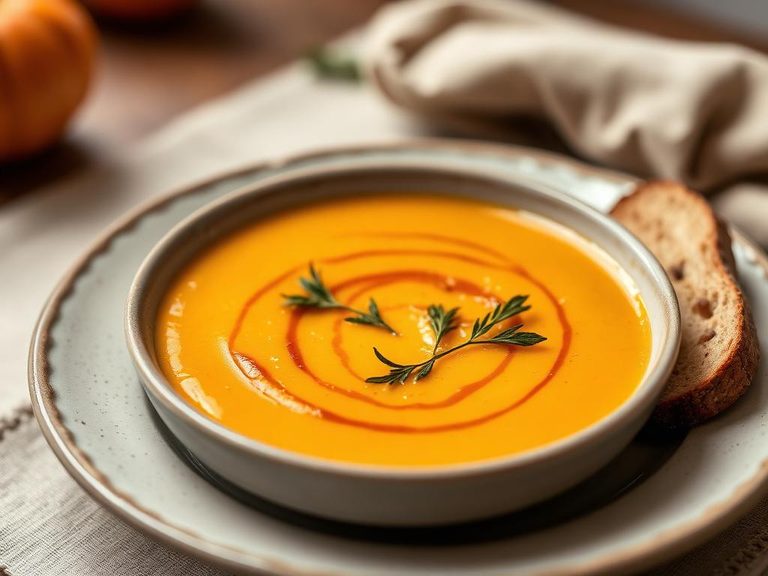
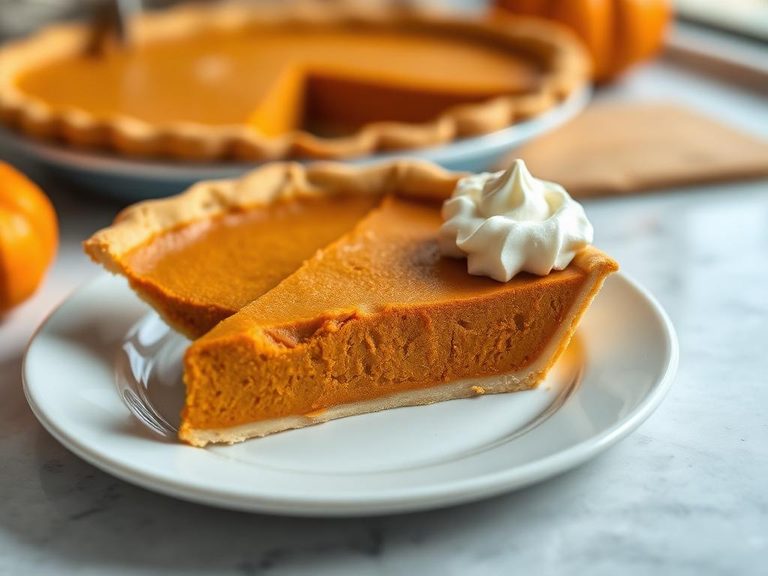
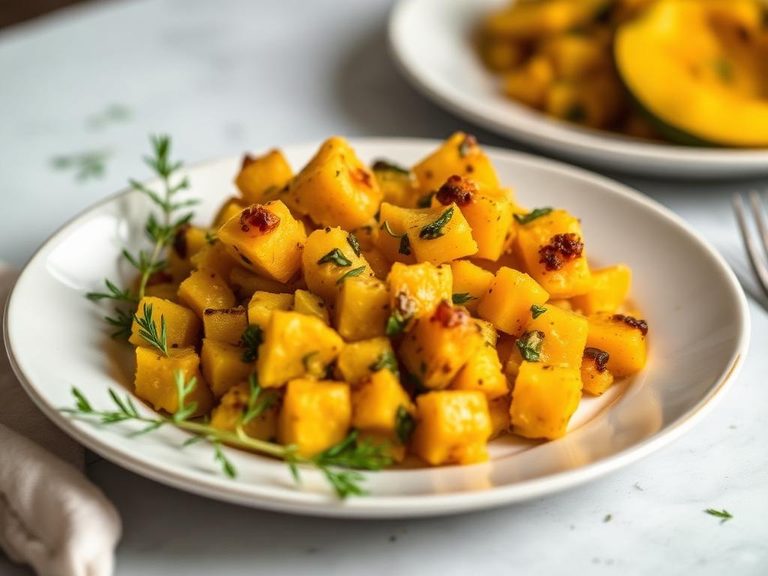
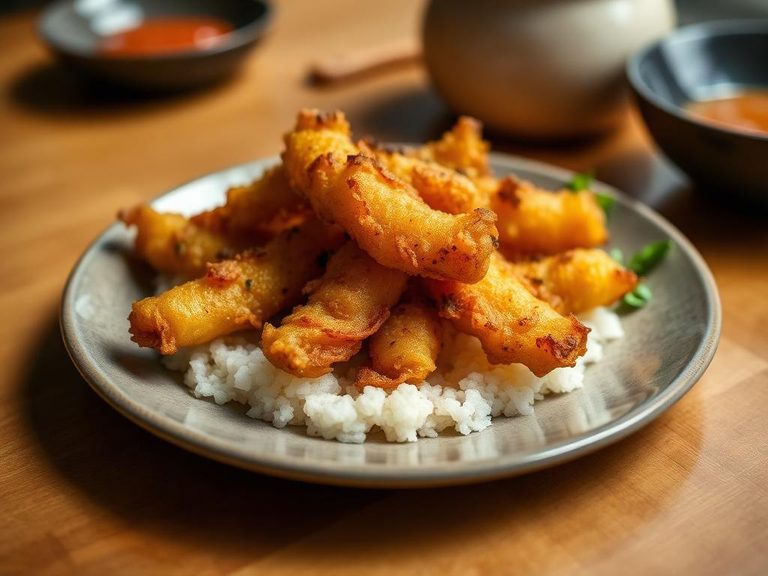
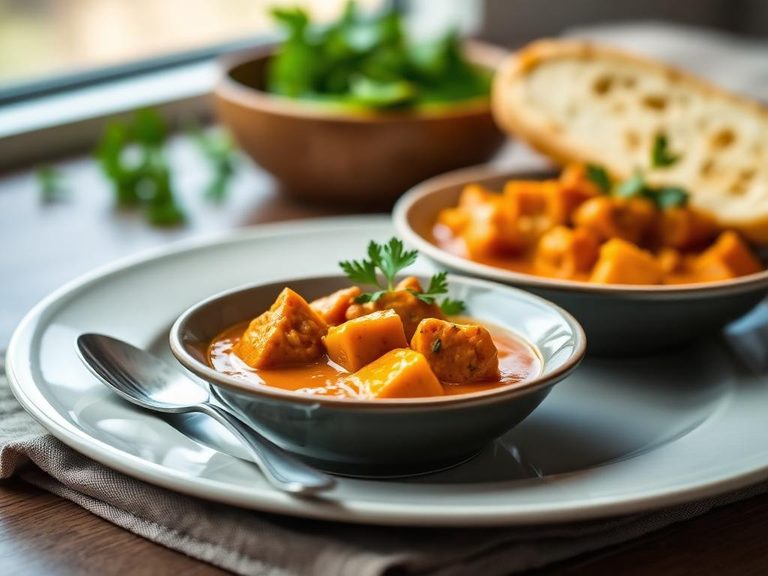
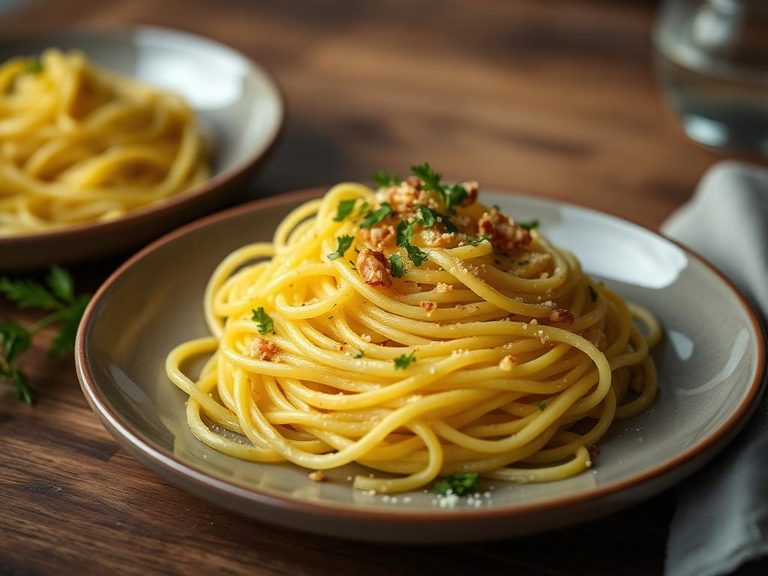
🌍 Where it's eaten
💡 Did you know?
The seeds of winter squash are edible and highly nutritious; when roasted, they are called 'pepitas' and are a rich source of magnesium, zinc, and plant-based protein.
Full nutrition (USDA data · scales with serving)
| Water | 91.6 g |
| Energy | 26.0 kcal |
| Protein | 1.0 g |
| Total lipid (fat) | 0.10 g |
| Carbohydrate, by difference | 6.5 g |
| Fiber, total dietary | 0.50 g |
| Total Sugars | 2.8 g |
| Calcium, Ca | 21.0 mg |
| Iron, Fe | 0.80 mg |
| Magnesium, Mg | 12.0 mg |
| Phosphorus, P | 44.0 mg |
| Potassium, K | 340 mg |
| Sodium, Na | 1.0 mg |
| Zinc, Zn | 0.32 mg |
| Copper, Cu | 0.13 mg |
| Selenium, Se | 0.30 ug |
| Vitamin C, total ascorbic acid | 9.0 mg |
| Thiamin | 0.05 mg |
| Riboflavin | 0.11 mg |
| Niacin | 0.60 mg |
| Vitamin B-6 | 0.06 mg |
| Folate, total | 16.0 ug |
| Folic acid | 0.00 ug |
| Folate, food | 16.0 ug |
| Folate, DFE | 16.0 ug |
| Choline, total | 8.2 mg |
| Vitamin B-12 | 0.00 ug |
| Vitamin B-12, added | 0.00 ug |
| Vitamin A, RAE | 426 ug |
| Retinol | 0.00 ug |
| Carotene, beta | 3100 ug |
| Carotene, alpha | 4016 ug |
| Cryptoxanthin, beta | 0.00 ug |
| Lycopene | 0.00 ug |
| Lutein + zeaxanthin | 1500 ug |
| Vitamin E (alpha-tocopherol) | 1.1 mg |
| Vitamin E, added | 0.00 mg |
| Vitamin D (D2 + D3) | 0.00 ug |
| Vitamin K (phylloquinone) | 1.1 ug |
| Alcohol, ethyl | 0.00 g |
| Caffeine | 0.00 mg |
| Theobromine | 0.00 mg |
Fat & fatty acid profile (per 100g)
| Fatty acids, total saturated | 0.05 g |
| SFA 4:0 | 0.00 g |
| SFA 6:0 | 0.00 g |
| SFA 8:0 | 0.00 g |
| SFA 10:0 | 0.00 g |
| SFA 12:0 | 0.00 g |
| SFA 14:0 | 0.01 g |
| SFA 16:0 | 0.04 g |
| SFA 18:0 | 0.00 g |
| Fatty acids, total monounsaturated | 0.01 g |
| MUFA 16:1 | 0.01 g |
| MUFA 18:1 | 0.01 g |
| MUFA 20:1 | 0.00 g |
| MUFA 22:1 | 0.00 g |
| Fatty acids, total polyunsaturated | 0.01 g |
| PUFA 18:2 | 0.00 g |
| PUFA 18:3 | 0.00 g |
| PUFA 18:4 | 0.00 g |
| PUFA 20:4 | 0.00 g |
| PUFA 20:5 n-3 (EPA) | 0.00 g |
| PUFA 22:5 n-3 (DPA) | 0.00 g |
| PUFA 22:6 n-3 (DHA) | 0.00 g |
| Cholesterol | 0.00 mg |
Amino acid profile (per 100g)
Estimated from Squash, winter, butternut, frozen, unprepared — USDA does not publish this profile for Winter squash.
| Tryptophan | 0.03 g |
| Threonine | 0.05 g |
| Isoleucine | 0.07 g |
| Leucine | 0.10 g |
| Lysine | 0.07 g |
| Methionine | 0.02 g |
| Cystine | 0.01 g |
| Phenylalanine | 0.07 g |
| Tyrosine | 0.06 g |
| Valine | 0.08 g |
| Arginine | 0.10 g |
| Histidine | 0.03 g |
| Alanine | 0.07 g |
| Aspartic acid | 0.19 g |
| Glutamic acid | 0.31 g |
| Glycine | 0.07 g |
| Proline | 0.06 g |
| Serine | 0.07 g |
FAQ
Can you eat winter squash raw?
While edible, raw winter squash is very hard and fibrous, making it difficult to chew and digest. Cooking is strongly recommended to soften the flesh, develop its sweet flavor, and make its nutrients more bioavailable.
How do I choose a ripe winter squash?
Look for a hard, unblemished rind that resists puncture from a fingernail. The stem should be intact and dry. A heavy squash for its size generally indicates dense, moist flesh. Avoid any with soft spots or mold.
What's the difference between winter and summer squash?
Winter squash (like pumpkin, butternut) has a hard, inedible rind, a longer growing season, and is harvested when mature. It's starchy and sweet, best for roasting and baking. Summer squash (like zucchini, yellow squash) has a soft, edible skin, a shorter season, and is harvested young. It's tender and mild, best for quick cooking like sautéing or grilling.
Nutrient density (calculated · NRF9.3)
Nutrient Rich Foods index: beneficial nutrients (protein, fiber, vitamins, minerals) minus saturated fat, added sugar & sodium, per 100 kcal.
NRF9.3 index — Fulgoni, Keast & Drewnowski, 2009. Computed from USDA nutrients.
Weight-loss friendliness (composite index)
Energy density 0.26 kcal/g · 15% calories from protein · 0.5 g fiber · 2.8 g sugar per 100 g.
Composite of energy density (Rolls et al., 1999), protein & fiber satiety, minus sugar. A calculated heuristic — ranks satiety-per-calorie, not a clinical measure.
Dietary load (calculated from USDA values)
Potential renal acid load. Positive = acid-forming, negative = alkaline-forming.
Sodium-to-potassium ratio: 0.00 (lower is better — aim for ≤ 1)
Sodium:potassium per WHO potassium guidance. Computed from USDA nutrients.