Spaghetti squash 'pasta'
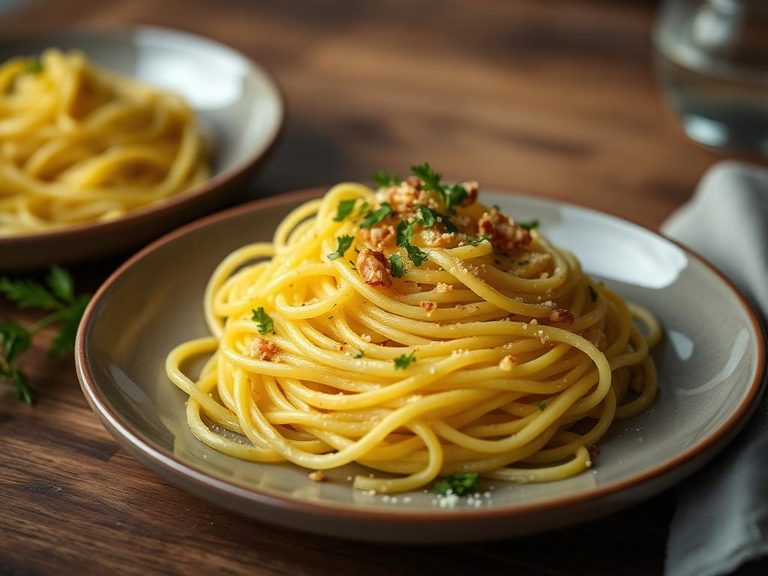
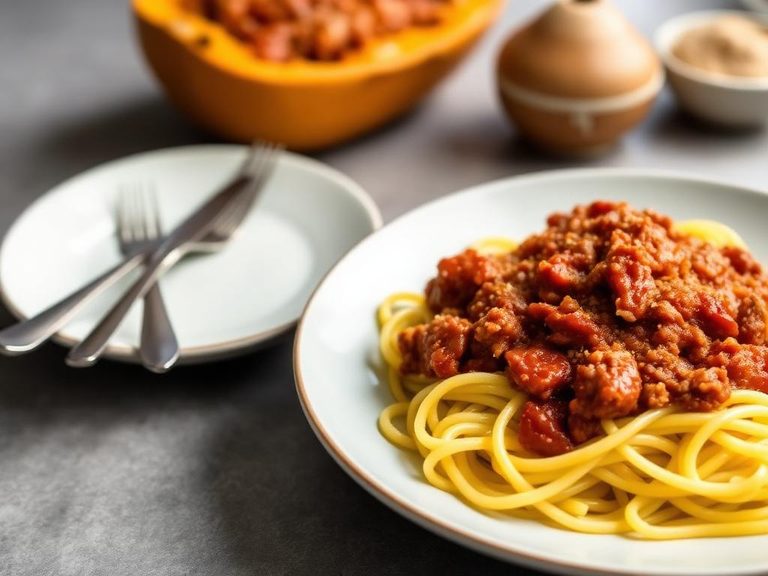
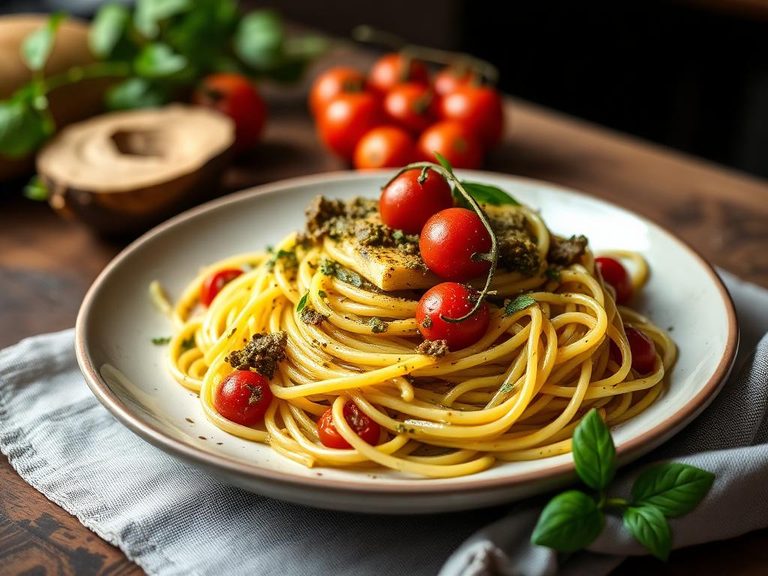
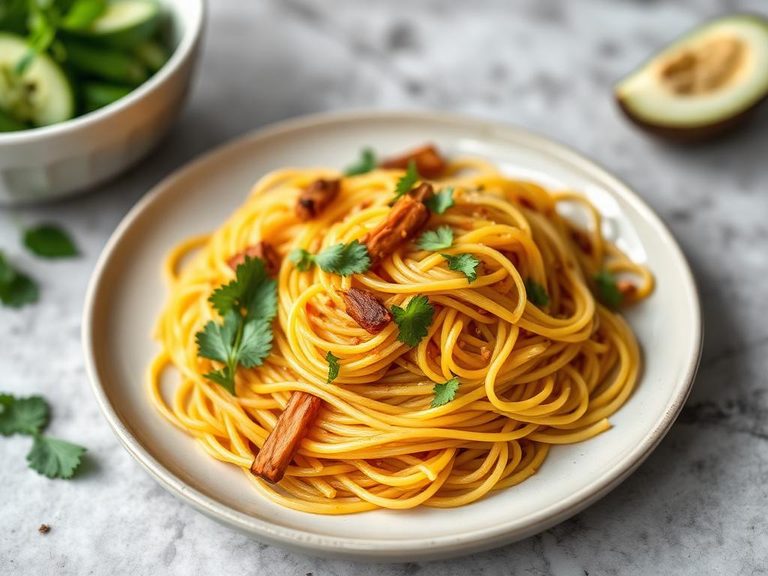
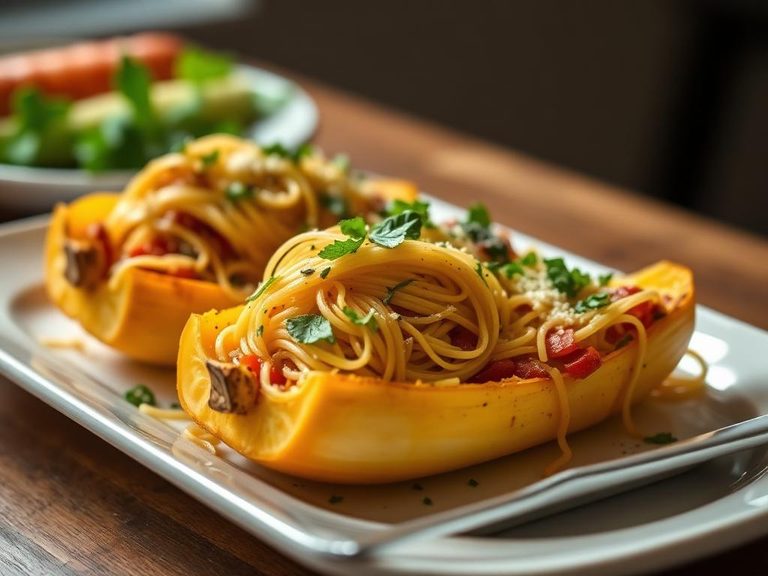
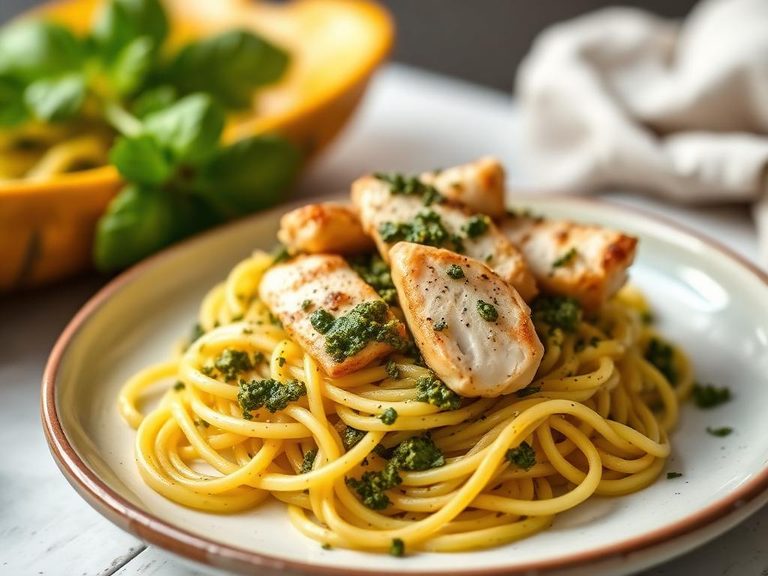
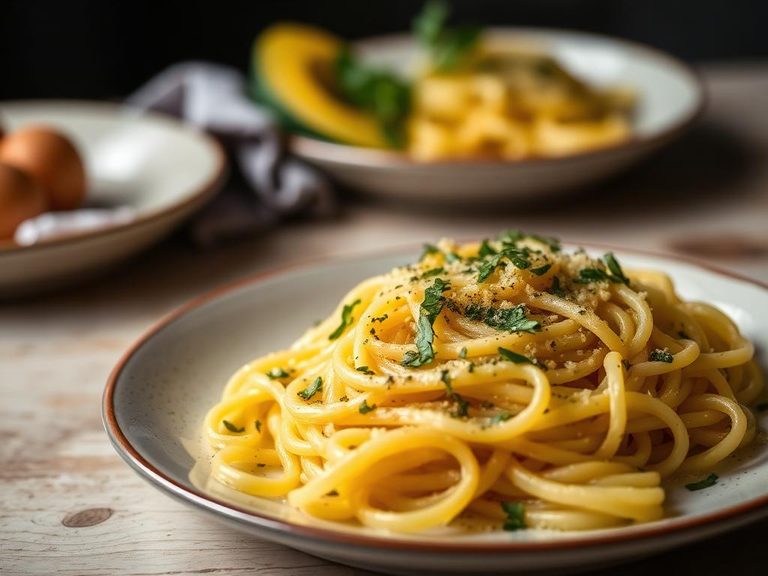
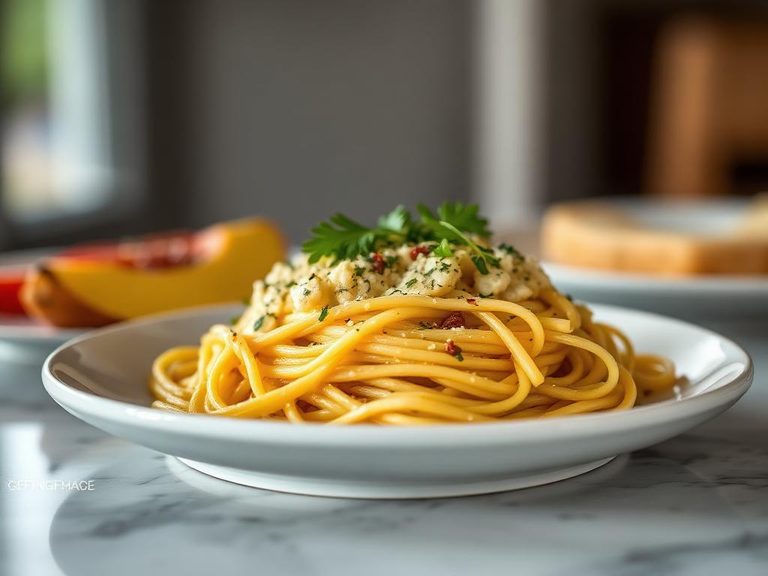
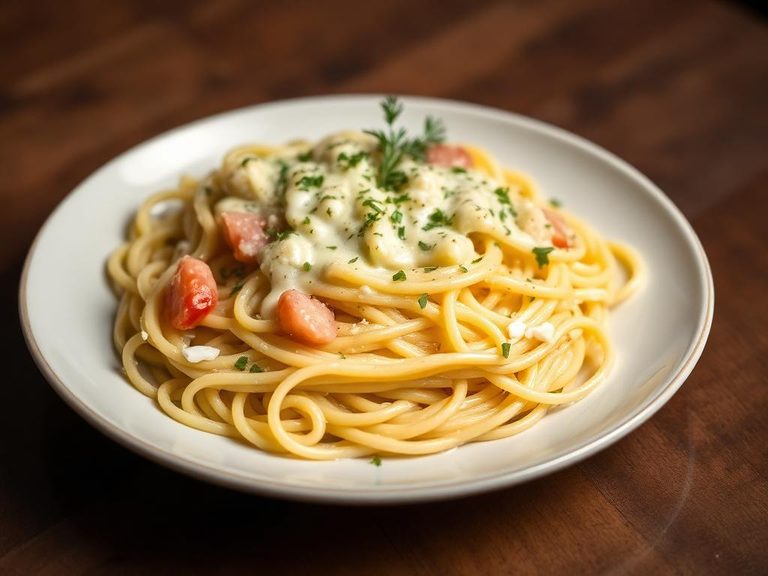
Spaghetti squash 'pasta' is a dish where the cooked flesh of a spaghetti squash is scraped into strands that resemble noodles, serving as a popular low-carb, gluten-free alternative to traditional pasta. It is typically prepared by roasting or microwaving the squash, then tossing the strands with sauces, vegetables, and proteins like marinara, pesto, or meatballs. The dish has roots in North American home cooking, particularly within health-conscious and gluten-free culinary circles.
🍽️ Nutrition at a glance
Spaghetti squash is low in calories and carbohydrates compared to wheat pasta, with a modest amount of fiber and virtually no fat or protein on its own. A typical serving provides key nutrients like vitamin C, vitamin A, and potassium, with a rough ballpark of 40-80 calories per cup (about 150-200 grams) depending on preparation.
Nutrition breakdown
| Calories | 42 kcal |
| Protein | 0.9 g |
| Carbs | 10 g |
| Fat | 0.5 g |
| Fiber | 2.2 g |
| Sugar | 3.9 g |
| Sodium | 28 mg |
| Vitamin C | 6.5 mg |
| Vitamin A | 258 IU |
| Potassium | 181 mg |
| Manganese | 0.1 mg |
| Vitamin B6 | 0.1 mg |
| Folate | 15 µg |
| Magnesium | 13 mg |
| Calcium | 23 mg |
Per 1 cup (155 g) cooked spaghetti squash strands · estimated, varies by recipe
💡 What's interesting
Culturally, it has become a staple in modern diet trends like paleo, keto, and gluten-free eating, transforming a humble winter squash into a versatile 'noodle' substitute. Nutritionally, its unique stringy texture comes from its high water content and fibrous structure, making it a hydrating, low-energy-density food that adds volume without significant calories.