

Winter squash, cooked, no added fat
Common food

Photo: Wikipedia
Winter squash, when cooked without added fat, transforms into a velvety, sweet, and earthy side dish. Its flesh becomes tender and slightly caramelized, offering a mild, nutty flavor that pairs beautifully with a wide range of seasonings. Nutritionally, it's a standout for being low in calories yet rich in fiber and natural sugars.
Calorie split: 8% protein · 84% carbs · 8% fat
↓ Full nutrition💚 Why it's loved
People adore its natural sweetness and creamy, comforting texture that feels like a treat but is incredibly nourishing. Its mild flavor makes it a versatile canvas in both savory and sweet dishes, from cozy soups to spiced pies.
⚠️ Watch-outs & how to enjoy it better
Its natural sugars can cause a moderate blood-sugar spike if eaten alone in large portions. To counteract this, pair it with a source of protein (like beans or chicken) or healthy fat (like a drizzle of olive oil or a sprinkle of nuts) to slow digestion and stabilize energy. Those monitoring carbohydrate intake should practice portion control.
Key benefits
- Excellent source of dietary fiber for digestive health.
- Very low in calories and fat, supporting weight management.
- Provides beta-carotene, a precursor to vitamin A.
- Contains antioxidants that help combat oxidative stress.
- A good source of potassium for heart and muscle function.
🍽️ Popular dishes
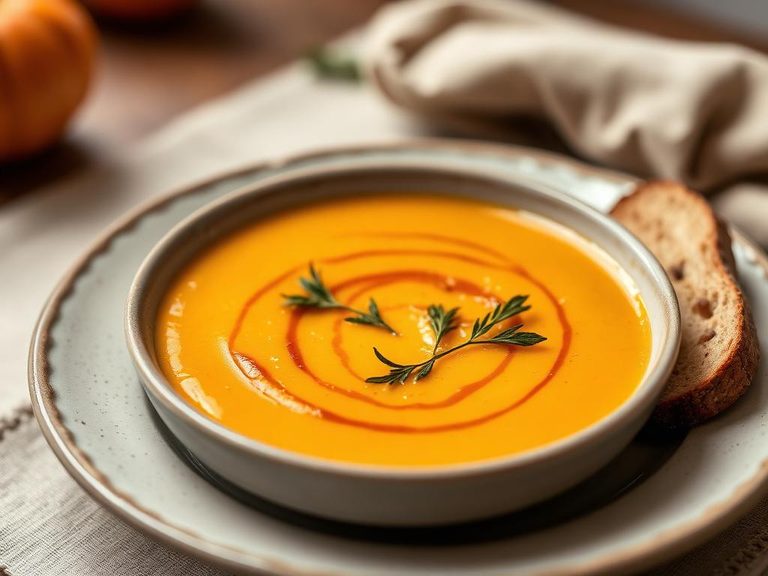
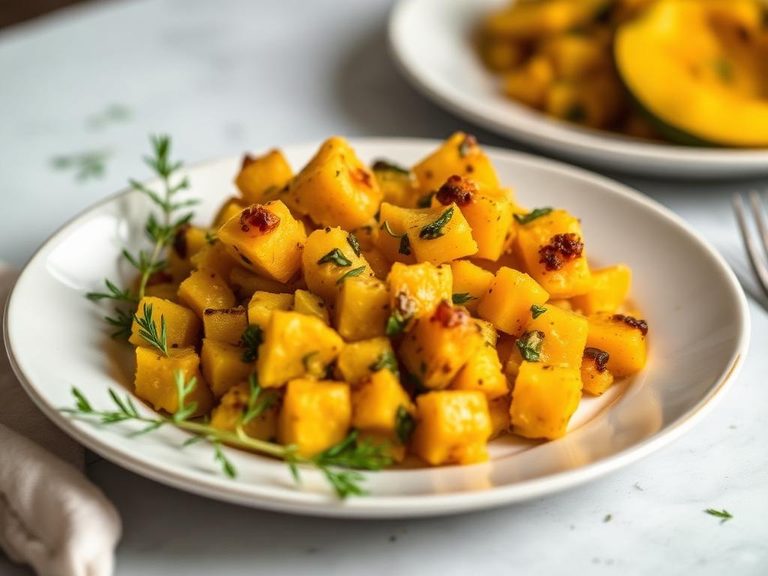
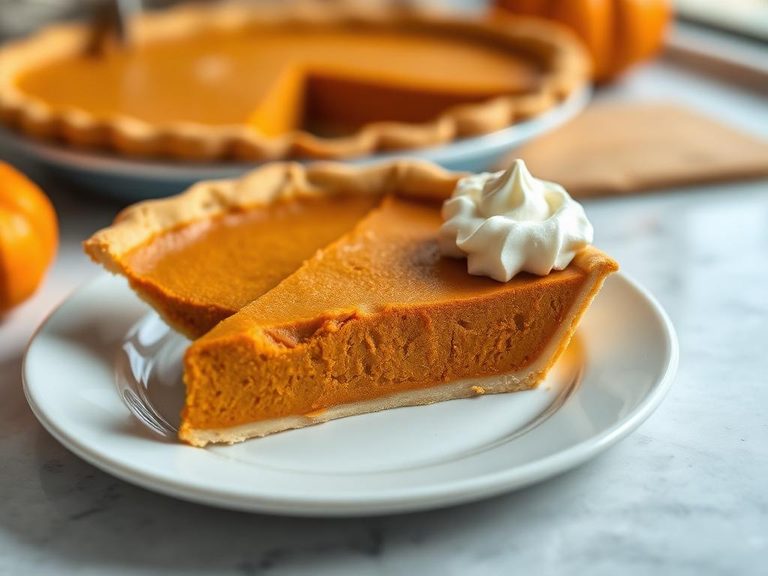
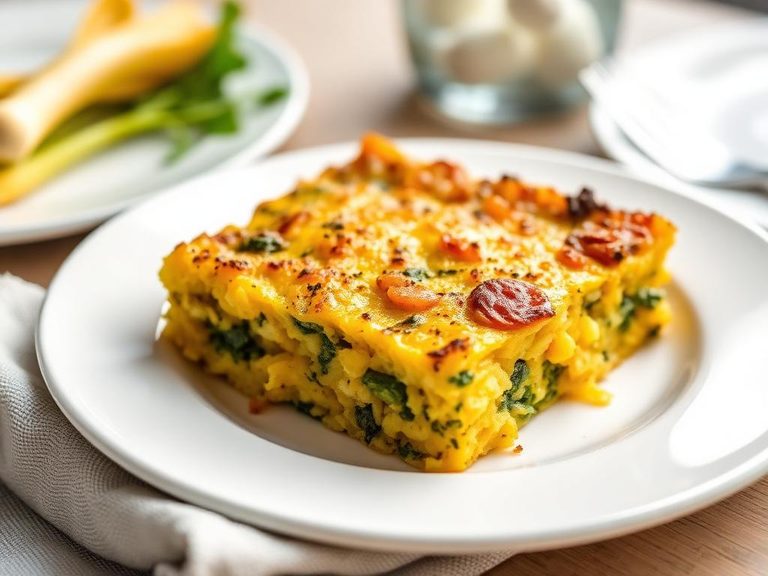
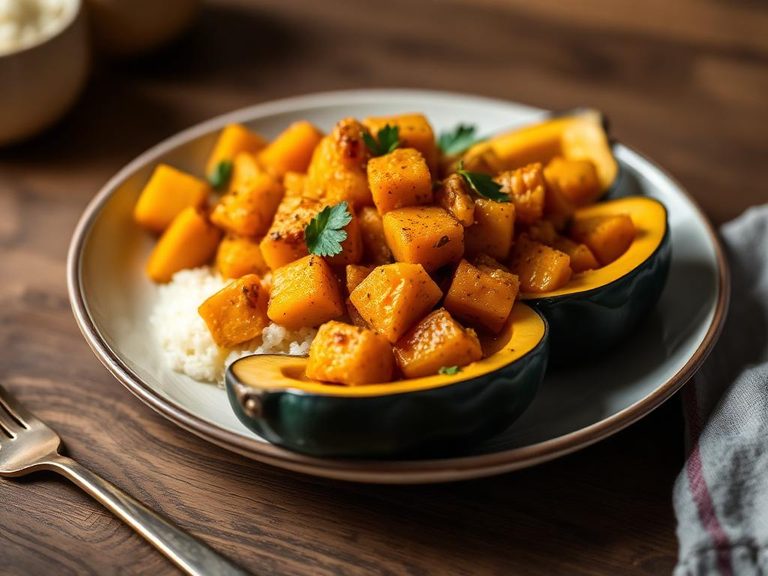
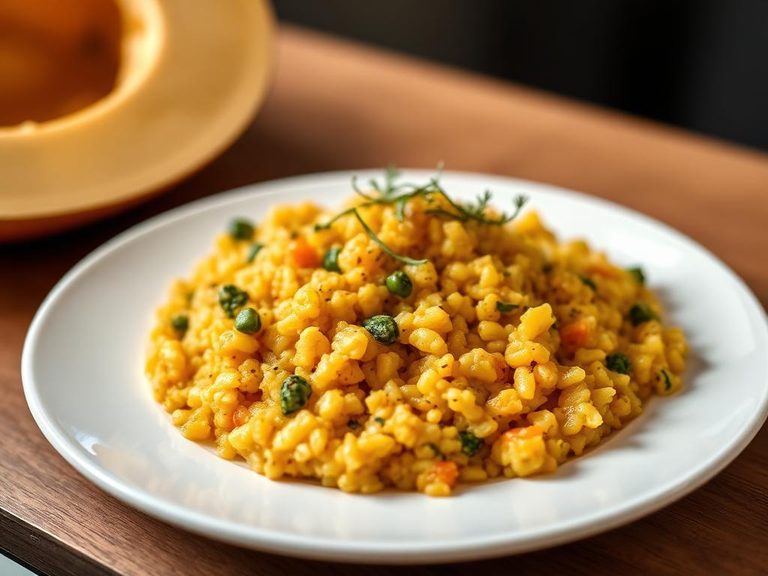
🌍 Where it's eaten
💡 Did you know?
The largest pumpkin ever grown weighed over 2,700 pounds (1,225 kg), which is about the weight of a small car!
Full nutrition (USDA data · scales with serving)
| Water | 88.9 g |
| Energy | 37.0 kcal |
| Protein | 0.89 g |
| Total lipid (fat) | 0.35 g |
| Carbohydrate, by difference | 8.8 g |
| Fiber, total dietary | 2.8 g |
| Total Sugars | 3.3 g |
| Calcium, Ca | 22.0 mg |
| Iron, Fe | 0.44 mg |
| Magnesium, Mg | 13.0 mg |
| Phosphorus, P | 19.0 mg |
| Potassium, K | 240 mg |
| Sodium, Na | 117 mg |
| Zinc, Zn | 0.22 mg |
| Copper, Cu | 0.08 mg |
| Selenium, Se | 0.40 ug |
| Vitamin C, total ascorbic acid | 9.6 mg |
| Thiamin | 0.02 mg |
| Riboflavin | 0.07 mg |
| Niacin | 0.49 mg |
| Vitamin B-6 | 0.16 mg |
| Folate, total | 20.0 ug |
| Folic acid | 0.00 ug |
| Folate, food | 20.0 ug |
| Folate, DFE | 20.0 ug |
| Choline, total | 10.6 mg |
| Vitamin B-12 | 0.00 ug |
| Vitamin B-12, added | 0.00 ug |
| Vitamin A, RAE | 260 ug |
| Retinol | 0.00 ug |
| Carotene, beta | 2785 ug |
| Carotene, alpha | 680 ug |
| Cryptoxanthin, beta | 0.00 ug |
| Lycopene | 0.00 ug |
| Lutein + zeaxanthin | 1411 ug |
| Vitamin E (alpha-tocopherol) | 0.12 mg |
| Vitamin E, added | 0.00 mg |
| Vitamin D (D2 + D3) | 0.00 ug |
| Vitamin K (phylloquinone) | 4.4 ug |
| Alcohol, ethyl | 0.00 g |
| Caffeine | 0.00 mg |
| Theobromine | 0.00 mg |
Fat & fatty acid profile (per 100g)
| Fatty acids, total saturated | 0.07 g |
| SFA 4:0 | 0.00 g |
| SFA 6:0 | 0.00 g |
| SFA 8:0 | 0.00 g |
| SFA 10:0 | 0.00 g |
| SFA 12:0 | 0.00 g |
| SFA 14:0 | 0.00 g |
| SFA 16:0 | 0.06 g |
| SFA 18:0 | 0.01 g |
| Fatty acids, total monounsaturated | 0.03 g |
| MUFA 16:1 | 0.00 g |
| MUFA 18:1 | 0.02 g |
| MUFA 20:1 | 0.00 g |
| MUFA 22:1 | 0.00 g |
| Fatty acids, total polyunsaturated | 0.15 g |
| PUFA 18:2 | 0.06 g |
| PUFA 18:3 | 0.09 g |
| PUFA 18:4 | 0.00 g |
| PUFA 20:4 | 0.00 g |
| PUFA 20:5 n-3 (EPA) | 0.00 g |
| PUFA 22:5 n-3 (DPA) | 0.00 g |
| PUFA 22:6 n-3 (DHA) | 0.00 g |
| Cholesterol | 0.00 mg |
Amino acid profile (per 100g)
Estimated from Squash, winter, butternut, frozen, unprepared — USDA does not publish this profile for Winter squash.
| Tryptophan | 0.03 g |
| Threonine | 0.05 g |
| Isoleucine | 0.07 g |
| Leucine | 0.10 g |
| Lysine | 0.07 g |
| Methionine | 0.02 g |
| Cystine | 0.01 g |
| Phenylalanine | 0.07 g |
| Tyrosine | 0.06 g |
| Valine | 0.08 g |
| Arginine | 0.10 g |
| Histidine | 0.03 g |
| Alanine | 0.07 g |
| Aspartic acid | 0.19 g |
| Glutamic acid | 0.31 g |
| Glycine | 0.07 g |
| Proline | 0.06 g |
| Serine | 0.07 g |
FAQ
Is winter squash the same as pumpkin?
Not exactly. 'Pumpkin' is a specific type of winter squash (often the sugar or pie pumpkin variety), but the category 'winter squash' includes many other varieties like butternut, acorn, spaghetti, and kabocha.
How do I store cooked winter squash?
Let it cool completely, then store in an airtight container in the refrigerator for 3-5 days. You can also freeze it for up to 3 months; mashing it before freezing makes for easier portioning later.
Why is it called 'winter' squash if I can buy it in fall?
It's called 'winter' squash because it has a hard rind that allows it to be stored (cured) for several months, providing a starchy, nutritious food source throughout the winter season.
Nutrient density (calculated · NRF9.3)
Nutrient Rich Foods index: beneficial nutrients (protein, fiber, vitamins, minerals) minus saturated fat, added sugar & sodium, per 100 kcal.
NRF9.3 index — Fulgoni, Keast & Drewnowski, 2009. Computed from USDA nutrients.
Weight-loss friendliness (composite index)
Energy density 0.37 kcal/g · 10% calories from protein · 2.8 g fiber · 3.3 g sugar per 100 g.
Composite of energy density (Rolls et al., 1999), protein & fiber satiety, minus sugar. A calculated heuristic — ranks satiety-per-calorie, not a clinical measure.
Dietary load (calculated from USDA values)
Potential renal acid load. Positive = acid-forming, negative = alkaline-forming.
Sodium-to-potassium ratio: 0.49 (lower is better — aim for ≤ 1)
Sodium:potassium per WHO potassium guidance. Computed from USDA nutrients.