

Vinegar
Common food
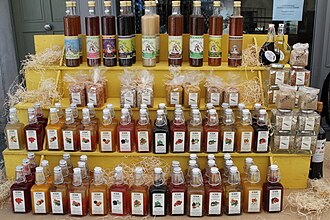
Photo: Wikipedia
Vinegar is a sharp, acidic liquid produced through the fermentation of ethanol by acetic acid bacteria. Its taste ranges from mellow and fruity to piercingly sour, depending on the source material and aging process. Nutritionally, it is very low in calories, with negligible protein, fat, and carbohydrates.
Calorie split: 0% protein · 100% carbs · 0% fat
↓ Full nutrition💚 Why it's loved
People love vinegar for its ability to brighten and balance flavors, cutting through richness and adding a complex tang. It's a cornerstone of countless cuisines, valued for its versatility in dressings, marinades, sauces, and pickling.
⚠️ Watch-outs & how to enjoy it better
Its high acidity can erode tooth enamel and irritate the digestive tract, especially for those with acid reflux or ulcers. To counteract this, dilute it in dressings or sauces, drink it through a straw, and rinse your mouth with water afterward. For digestive sensitivity, start with small amounts and avoid consuming it undiluted.
Key benefits
- May help improve insulin sensitivity and lower blood sugar response after meals
- Contains acetic acid, which may support feelings of fullness
- Can act as a natural preservative and flavor enhancer
- May aid in mineral absorption from foods
- Used in traditional remedies for digestion
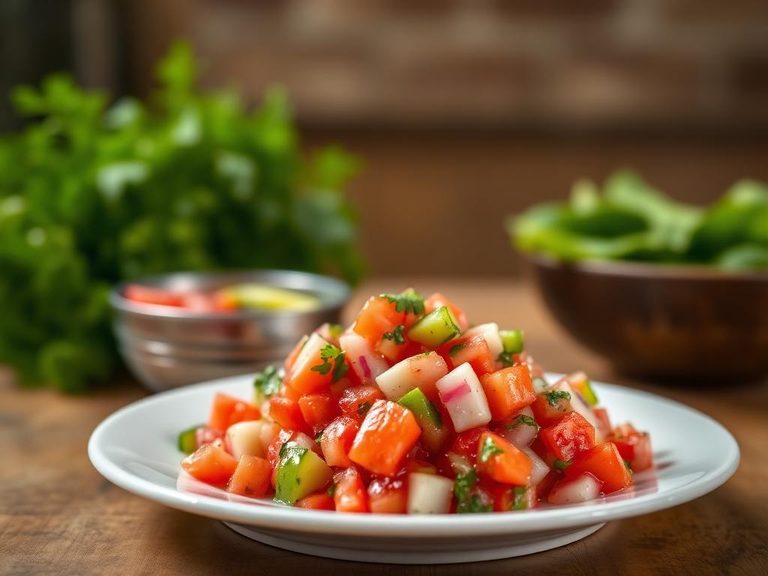
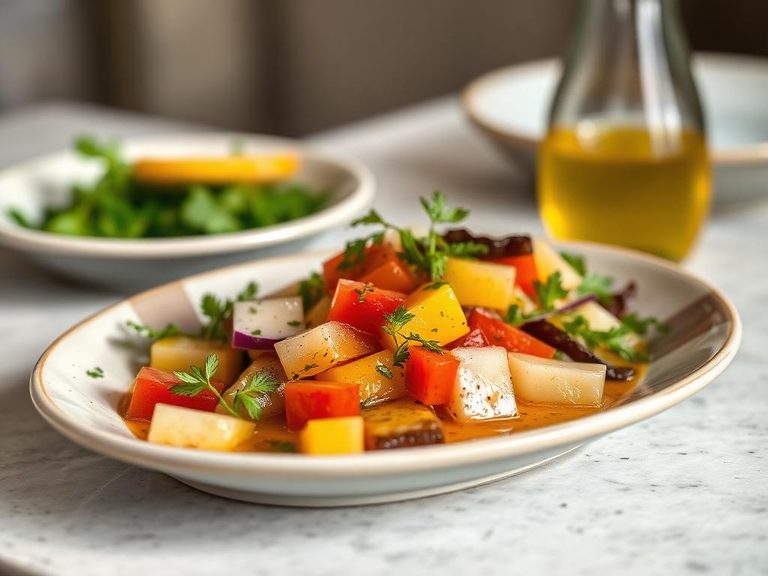
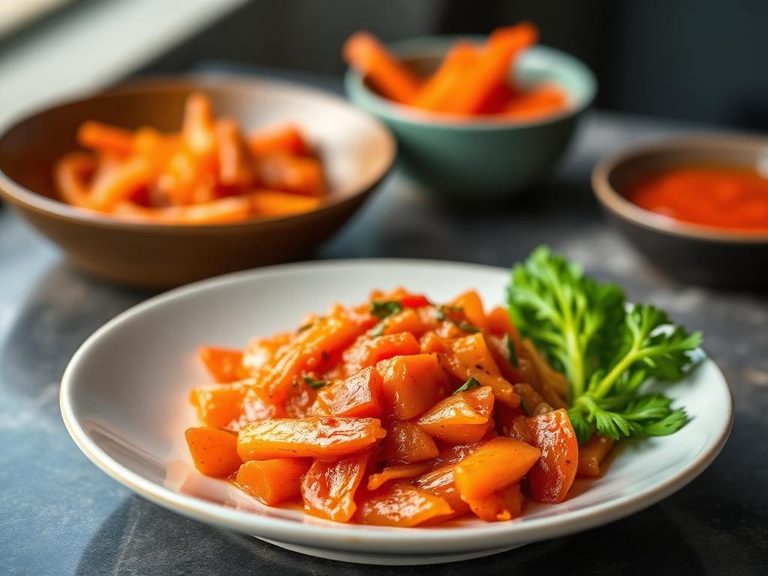
🍽️ Popular dishes
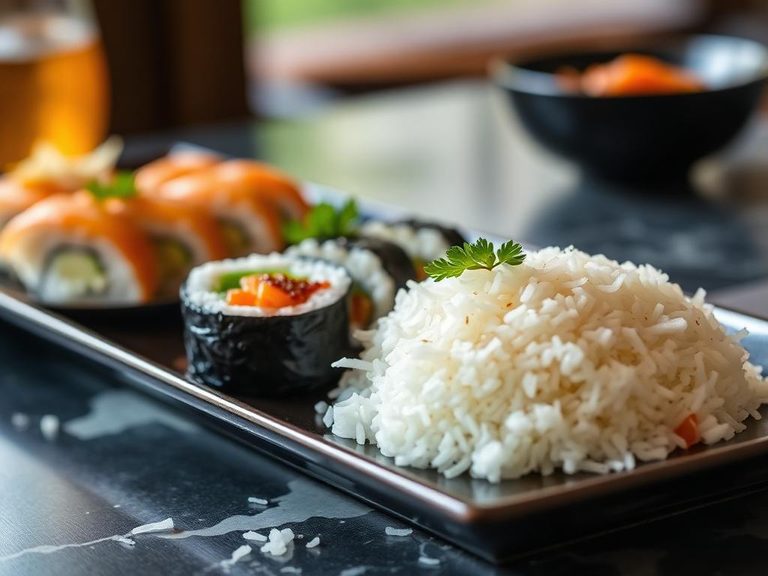
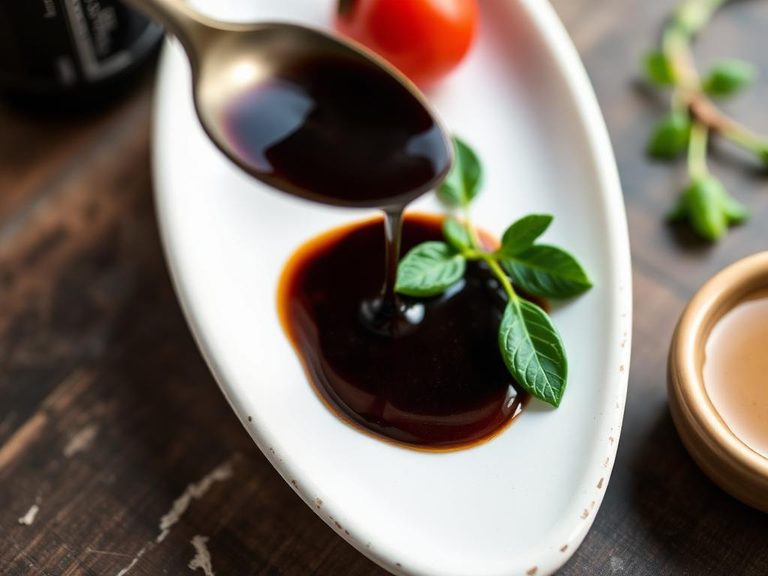
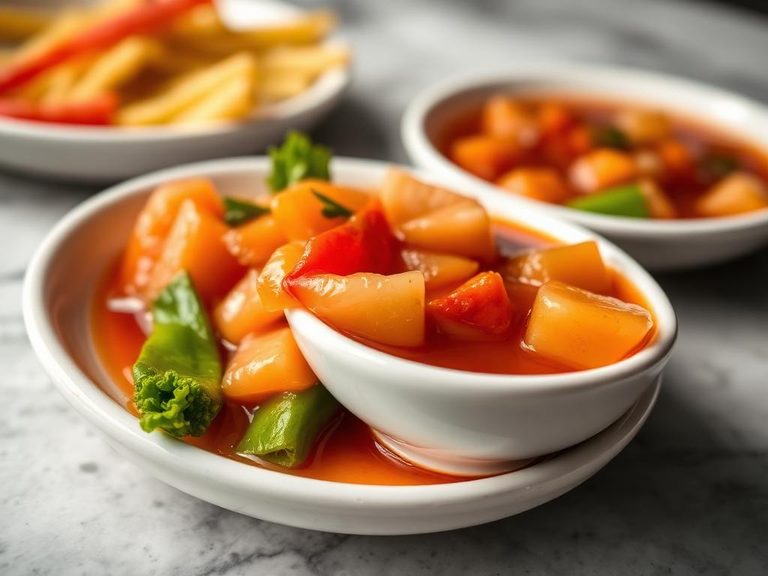
🌍 Where it's eaten
💡 Did you know?
The word 'vinegar' comes from the French 'vin aigre,' meaning 'sour wine,' reflecting its most common historical origin.
Full nutrition (USDA data · scales with serving)
| Water | 93.8 g |
| Energy | 21.0 kcal |
| Protein | 0.00 g |
| Total lipid (fat) | 0.00 g |
| Carbohydrate, by difference | 0.93 g |
| Fiber, total dietary | 0.00 g |
| Total Sugars | 0.40 g |
| Calcium, Ca | 7.0 mg |
| Iron, Fe | 0.20 mg |
| Magnesium, Mg | 5.0 mg |
| Phosphorus, P | 8.0 mg |
| Potassium, K | 73.0 mg |
| Sodium, Na | 5.0 mg |
| Zinc, Zn | 0.04 mg |
| Copper, Cu | 0.01 mg |
| Selenium, Se | 0.10 ug |
| Vitamin C, total ascorbic acid | 0.00 mg |
| Thiamin | 0.00 mg |
| Riboflavin | 0.00 mg |
| Niacin | 0.00 mg |
| Vitamin B-6 | 0.00 mg |
| Folate, total | 0.00 ug |
| Folic acid | 0.00 ug |
| Folate, food | 0.00 ug |
| Folate, DFE | 0.00 ug |
| Choline, total | 0.00 mg |
| Vitamin B-12 | 0.00 ug |
| Vitamin B-12, added | 0.00 ug |
| Vitamin A, RAE | 0.00 ug |
| Retinol | 0.00 ug |
| Carotene, beta | 0.00 ug |
| Carotene, alpha | 0.00 ug |
| Cryptoxanthin, beta | 0.00 ug |
| Lycopene | 0.00 ug |
| Lutein + zeaxanthin | 0.00 ug |
| Vitamin E (alpha-tocopherol) | 0.00 mg |
| Vitamin E, added | 0.00 mg |
| Vitamin D (D2 + D3) | 0.00 ug |
| Vitamin K (phylloquinone) | 0.00 ug |
| Alcohol, ethyl | 0.00 g |
| Caffeine | 0.00 mg |
| Theobromine | 0.00 mg |
Fat & fatty acid profile (per 100g)
| Fatty acids, total saturated | 0.00 g |
| SFA 4:0 | 0.00 g |
| SFA 6:0 | 0.00 g |
| SFA 8:0 | 0.00 g |
| SFA 10:0 | 0.00 g |
| SFA 12:0 | 0.00 g |
| SFA 14:0 | 0.00 g |
| SFA 16:0 | 0.00 g |
| SFA 18:0 | 0.00 g |
| Fatty acids, total monounsaturated | 0.00 g |
| MUFA 16:1 | 0.00 g |
| MUFA 18:1 | 0.00 g |
| MUFA 20:1 | 0.00 g |
| MUFA 22:1 | 0.00 g |
| Fatty acids, total polyunsaturated | 0.00 g |
| PUFA 18:2 | 0.00 g |
| PUFA 18:3 | 0.00 g |
| PUFA 18:4 | 0.00 g |
| PUFA 20:4 | 0.00 g |
| PUFA 20:5 n-3 (EPA) | 0.00 g |
| PUFA 22:5 n-3 (DPA) | 0.00 g |
| PUFA 22:6 n-3 (DHA) | 0.00 g |
| Cholesterol | 0.00 mg |
Amino acid profile (per 100g)
Estimated from Salad dressing, home recipe, vinegar and oil — USDA does not publish this profile for Vinegar.
| Tryptophan | 0.00 g |
| Threonine | 0.00 g |
| Isoleucine | 0.00 g |
| Leucine | 0.00 g |
| Lysine | 0.00 g |
| Methionine | 0.00 g |
| Cystine | 0.00 g |
| Phenylalanine | 0.00 g |
| Tyrosine | 0.00 g |
| Valine | 0.00 g |
| Arginine | 0.00 g |
| Histidine | 0.00 g |
| Alanine | 0.00 g |
| Aspartic acid | 0.00 g |
| Glutamic acid | 0.00 g |
| Glycine | 0.00 g |
| Proline | 0.00 g |
| Serine | 0.00 g |
FAQ
What is the difference between white vinegar and apple cider vinegar?
White vinegar is typically made from grain alcohol and has a very sharp, neutral acidity, making it ideal for pickling and cleaning. Apple cider vinegar is fermented from apple cider, has a milder, fruity tang, and is often preferred for dressings and health tonics.
Is vinegar gluten-free?
Most vinegars, including white distilled, apple cider, red wine, and balsamic, are gluten-free as the distillation process removes gluten proteins. However, malt vinegar, made from barley, is not gluten-free.
Can I use vinegar as a substitute for lemon juice?
Yes, in many recipes. Vinegar provides acidity but lacks citrus flavor. Use about half the amount of vinegar as you would lemon juice, and consider adding a pinch of sugar or a citrus zest to mimic the original flavor profile.
Nutrient density (calculated · NRF9.3)
Nutrient Rich Foods index: beneficial nutrients (protein, fiber, vitamins, minerals) minus saturated fat, added sugar & sodium, per 100 kcal.
NRF9.3 index — Fulgoni, Keast & Drewnowski, 2009. Computed from USDA nutrients.
Weight-loss friendliness (composite index)
Energy density 0.21 kcal/g · 0% calories from protein · 0.0 g fiber · 0.4 g sugar per 100 g.
Composite of energy density (Rolls et al., 1999), protein & fiber satiety, minus sugar. A calculated heuristic — ranks satiety-per-calorie, not a clinical measure.
Dietary load (calculated from USDA values)
Potential renal acid load. Positive = acid-forming, negative = alkaline-forming.
Sodium-to-potassium ratio: 0.07 (lower is better — aim for ≤ 1)
Sodium:potassium per WHO potassium guidance. Computed from USDA nutrients.