

Italian dressing, made with vinegar and oil
Common food
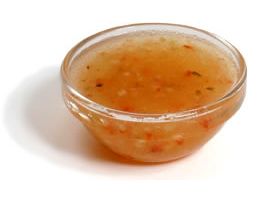
Photo: Wikipedia
A classic vinaigrette, Italian dressing is a tangy, savory emulsion of oil, vinegar, and herbs, often with a slightly sweet undertone. Its texture is light and pourable, designed to coat greens without weighing them down. Nutritionally, it's a high-fat condiment, with over 21 grams of fat per 100g, providing a significant calorie boost from its oil base.
Calorie split: 1% protein · 20% carbs · 79% fat
↓ Full nutrition💚 Why it's loved
People adore it for its bright, zesty flavor that instantly elevates a simple salad or steamed vegetable. Its versatility makes it a go-to marinade, sandwich spread, and dip, deeply rooted in the Italian-American culinary tradition.
⚠️ Watch-outs & how to enjoy it better
Its high fat and calorie density can be a concern for those monitoring energy intake. The sugar content (over 10g per 100g) can contribute to blood sugar spikes, and it is often high in sodium. To mitigate, use it sparingly as a flavor accent rather than a primary sauce, and pair it with a lean protein and fiber-rich vegetables to create a more balanced meal.
Key benefits
- Provides quick energy from its high fat content.
- Can help the body absorb fat-soluble vitamins (A, D, E, K) from salad vegetables.
- Adds significant flavor to simple dishes, encouraging vegetable consumption.
- The vinegar component may offer a small, non-medicinal digestive comfort.
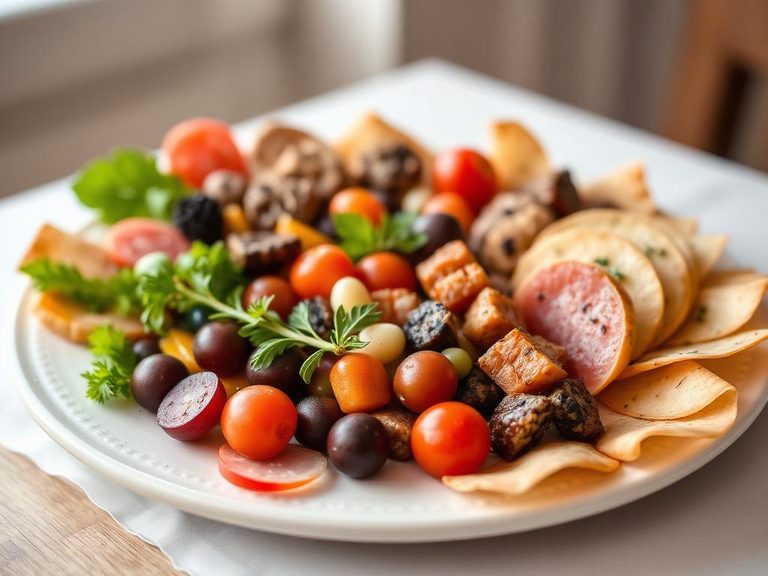
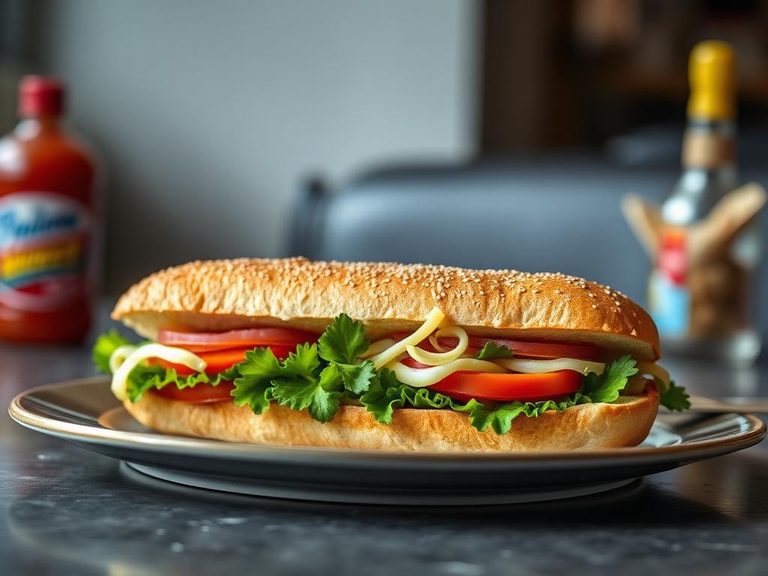
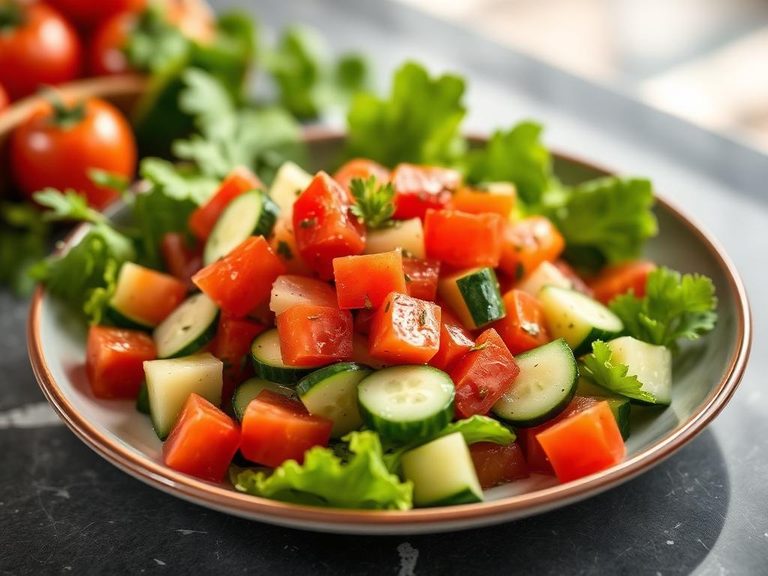
🍽️ Popular dishes
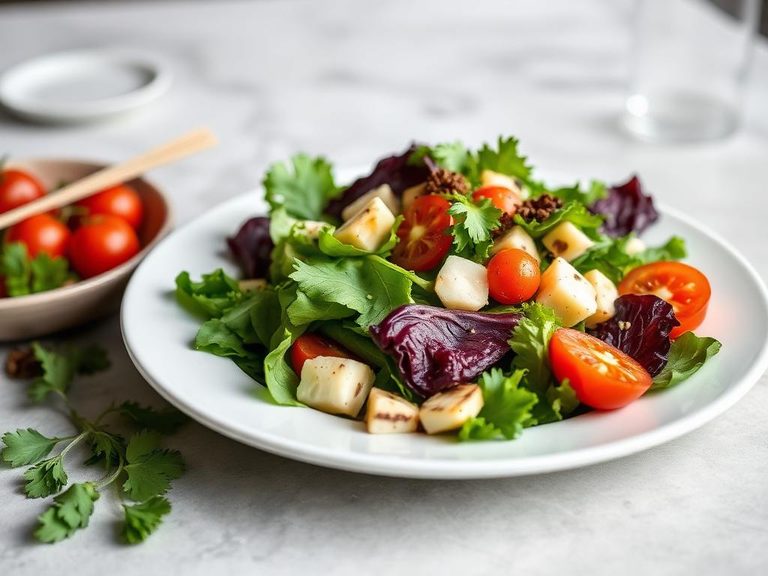
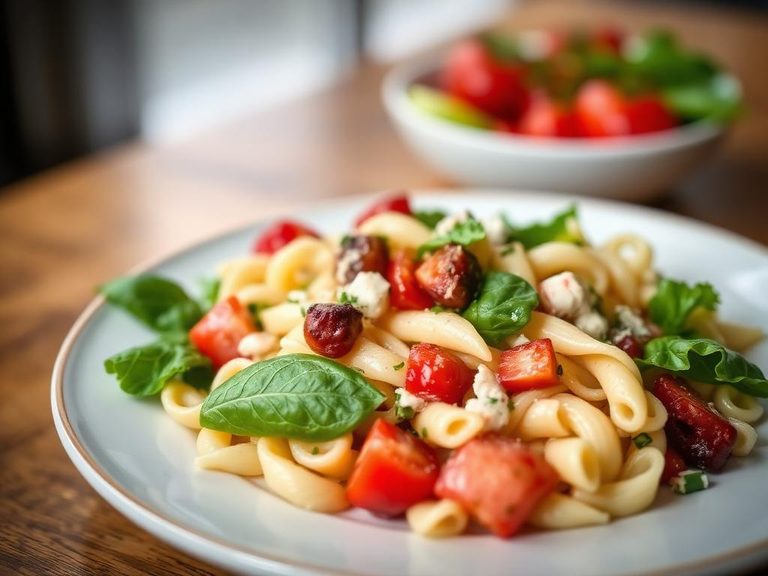
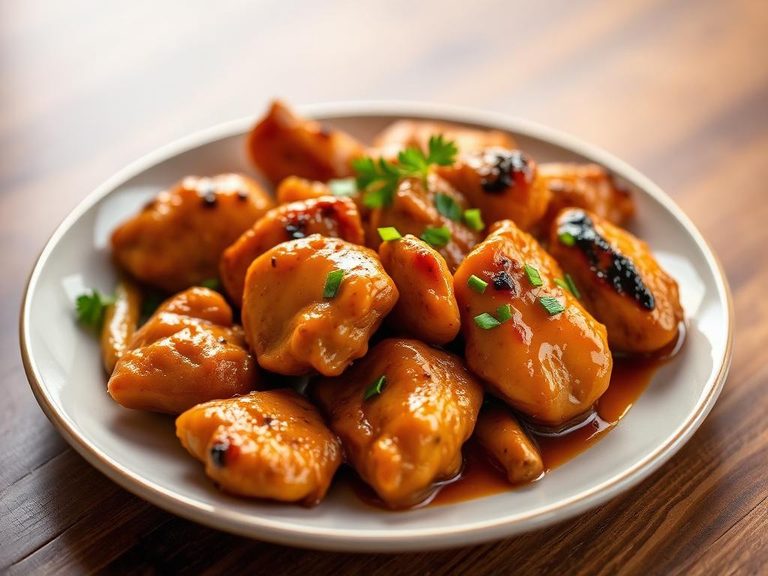
🌍 Where it's eaten
💡 Did you know?
Despite its name, the bottled 'Italian dressing' found in most American supermarkets was popularized by an Indiana food broker in the 1940s and is not a traditional dressing from Italy.
Full nutrition (USDA data · scales with serving)
| Water | 63.4 g |
| Energy | 240 kcal |
| Protein | 0.41 g |
| Total lipid (fat) | 21.1 g |
| Carbohydrate, by difference | 12.1 g |
| Fiber, total dietary | 0.00 g |
| Total Sugars | 10.8 g |
| Calcium, Ca | 13.0 mg |
| Iron, Fe | 0.26 mg |
| Magnesium, Mg | 5.0 mg |
| Phosphorus, P | 15.0 mg |
| Potassium, K | 84.0 mg |
| Sodium, Na | 993 mg |
| Zinc, Zn | 0.07 mg |
| Copper, Cu | 0.02 mg |
| Selenium, Se | 2.0 ug |
| Vitamin C, total ascorbic acid | 0.40 mg |
| Thiamin | 0.02 mg |
| Riboflavin | 0.00 mg |
| Niacin | 0.13 mg |
| Vitamin B-6 | 0.06 mg |
| Folate, total | 0.00 ug |
| Folic acid | 0.00 ug |
| Folate, food | 0.00 ug |
| Folate, DFE | 0.00 ug |
| Choline, total | 2.6 mg |
| Vitamin B-12 | 0.00 ug |
| Vitamin B-12, added | 0.00 ug |
| Vitamin A, RAE | 2.0 ug |
| Retinol | 0.00 ug |
| Carotene, beta | 21.0 ug |
| Carotene, alpha | 0.00 ug |
| Cryptoxanthin, beta | 2.0 ug |
| Lycopene | 16.0 ug |
| Lutein + zeaxanthin | 0.00 ug |
| Vitamin E (alpha-tocopherol) | 2.2 mg |
| Vitamin E, added | 0.00 mg |
| Vitamin D (D2 + D3) | 0.00 ug |
| Vitamin K (phylloquinone) | 56.0 ug |
| Alcohol, ethyl | 0.00 g |
| Caffeine | 0.00 mg |
| Theobromine | 0.00 mg |
Fat & fatty acid profile (per 100g)
| Fatty acids, total saturated | 2.9 g |
| SFA 4:0 | 0.00 g |
| SFA 6:0 | 0.00 g |
| SFA 8:0 | 0.10 g |
| SFA 10:0 | 0.09 g |
| SFA 12:0 | 0.00 g |
| SFA 14:0 | 0.01 g |
| SFA 16:0 | 1.8 g |
| SFA 18:0 | 0.72 g |
| Fatty acids, total monounsaturated | 5.6 g |
| MUFA 16:1 | 0.02 g |
| MUFA 18:1 | 5.5 g |
| MUFA 20:1 | 0.11 g |
| MUFA 22:1 | 0.01 g |
| Fatty acids, total polyunsaturated | 10.7 g |
| PUFA 18:2 | 9.2 g |
| PUFA 18:3 | 1.5 g |
| PUFA 18:4 | 0.00 g |
| PUFA 20:4 | 0.01 g |
| PUFA 20:5 n-3 (EPA) | 0.00 g |
| PUFA 22:5 n-3 (DPA) | 0.00 g |
| PUFA 22:6 n-3 (DHA) | 0.00 g |
| Cholesterol | 0.00 mg |
Amino acid profile (per 100g)
Estimated from Salad dressing, italian dressing, commercial, regular — USDA does not publish this profile for Italian dressing.
| Tryptophan | 0.01 g |
| Threonine | 0.01 g |
| Isoleucine | 0.01 g |
| Leucine | 0.02 g |
| Lysine | 0.01 g |
| Methionine | 0.01 g |
| Cystine | 0.00 g |
| Phenylalanine | 0.01 g |
| Tyrosine | 0.01 g |
| Valine | 0.02 g |
| Arginine | 0.04 g |
| Histidine | 0.01 g |
| Alanine | 0.01 g |
| Aspartic acid | 0.03 g |
| Glutamic acid | 0.05 g |
| Glycine | 0.01 g |
| Proline | 0.01 g |
| Serine | 0.01 g |
FAQ
Is Italian dressing the same as vinaigrette?
Not exactly. Italian dressing is a specific style of vinaigrette, typically made with a blend of vegetable oil, vinegar (often white or red wine), and a mix of dried herbs like oregano and basil, plus garlic and onion powder. A basic vinaigrette is a simpler emulsion of just oil and vinegar.
Can I use it as a marinade?
Yes, it's an excellent marinade. The vinegar helps tenderize proteins like chicken or pork, while the oil and herbs infuse flavor. Marinate for at least 30 minutes in the refrigerator for best results.
How can I make a healthier version at home?
Make your own to control ingredients: use extra virgin olive oil as the base, replace some sugar with a touch of honey or maple syrup, and significantly reduce or omit added salt. You can also boost flavor with fresh herbs and a squeeze of lemon juice.
Nutrient density (calculated · NRF9.3)
Nutrient Rich Foods index: beneficial nutrients (protein, fiber, vitamins, minerals) minus saturated fat, added sugar & sodium, per 100 kcal.
NRF9.3 index — Fulgoni, Keast & Drewnowski, 2009. Computed from USDA nutrients.
Weight-loss friendliness (composite index)
Energy density 2.40 kcal/g · 1% calories from protein · 0.0 g fiber · 10.8 g sugar per 100 g.
Composite of energy density (Rolls et al., 1999), protein & fiber satiety, minus sugar. A calculated heuristic — ranks satiety-per-calorie, not a clinical measure.
Dietary load (calculated from USDA values)
Potential renal acid load. Positive = acid-forming, negative = alkaline-forming.
Sodium-to-potassium ratio: 11.82 (lower is better — aim for ≤ 1)
Sodium:potassium per WHO potassium guidance. Computed from USDA nutrients.