

Turkey, light or dark meat, fried, coated, skin eaten
Common food

Photo: Wikipedia
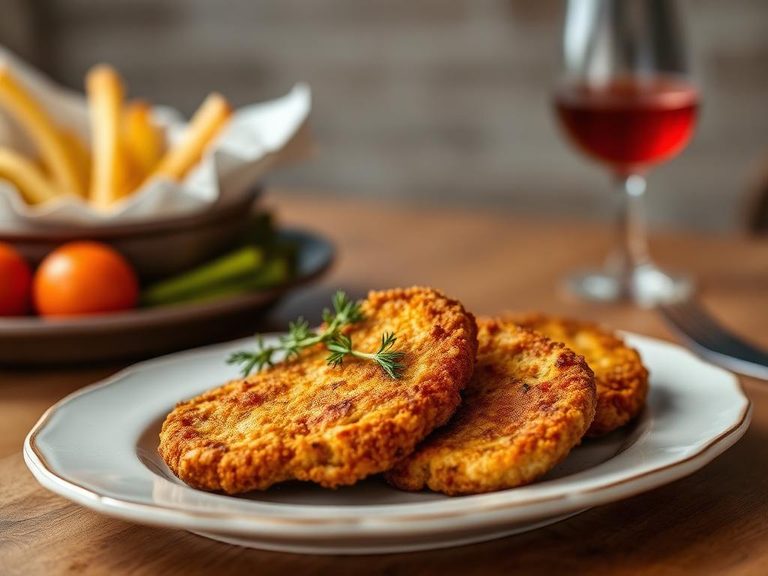
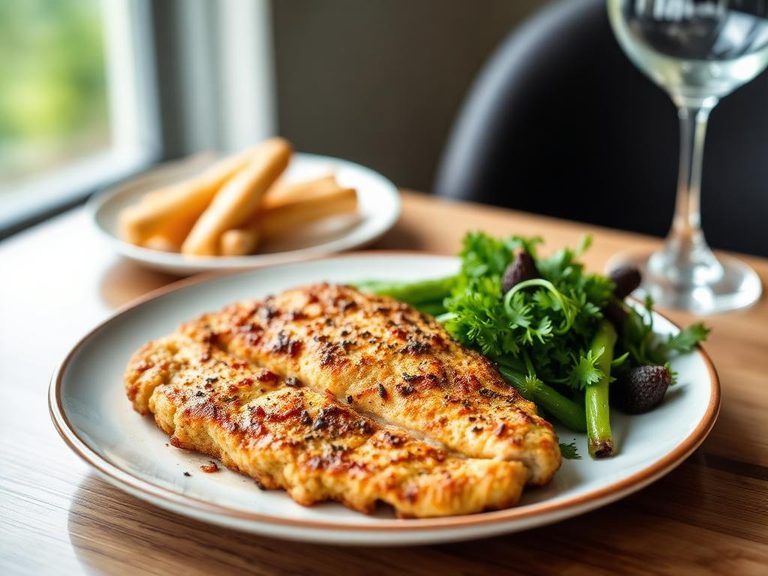
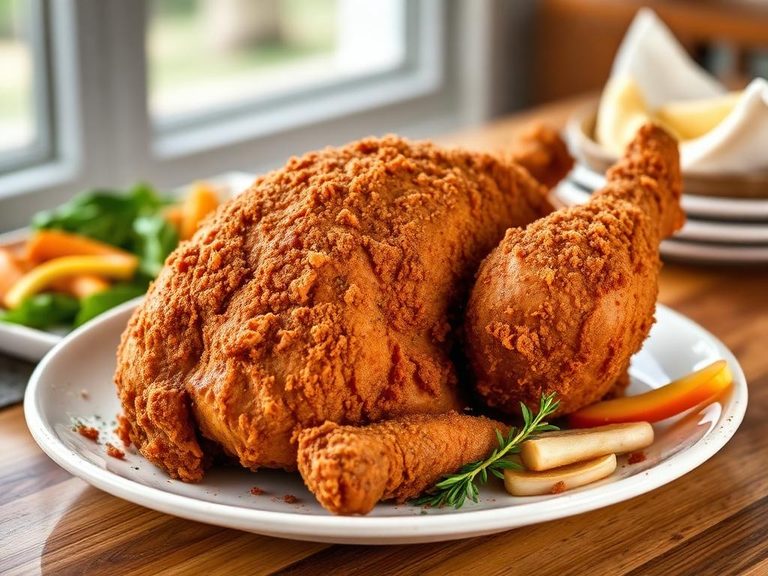
This is the indulgent, golden-brown result of coating turkey meat—either light or dark—and frying it to a crisp, with the skin left on for maximum flavor. The texture is a satisfying contrast of a crunchy, savory crust against juicy, tender meat, delivering a rich, savory taste. Nutritionally, it is a protein powerhouse, offering over 26 grams of protein per 100 grams, but it's also calorie-dense due to the frying process and added fat from the coating and skin.
Calorie split: 56% protein · 3% carbs · 41% fat
↓ Full nutrition💚 Why it's loved
People adore it for the irresistible crunch of the coating and the savory, rich flavor amplified by the fried skin. It's a beloved comfort food, often associated with family gatherings and celebrations, and its versatility allows it to be served as a main dish or incorporated into salads, sandwiches, and casseroles.
⚠️ Watch-outs & how to enjoy it better
The primary downsides are its high fat and calorie content from frying and the skin, which can be a concern for those managing weight or heart health. Additionally, the coating can be high in sodium and may contain common allergens like wheat (gluten) or eggs. To counteract this, practice portion control, pair it with fiber-rich vegetables to slow digestion, and consider baking or air-frying as a healthier alternative to deep-frying.
Key benefits
- High-quality protein source for muscle maintenance and satiety
- Provides essential B vitamins, particularly niacin and B6
- Contains minerals like selenium and phosphorus
- The skin adds flavorful fat and helps retain moisture in the meat
🍽️ Popular dishes
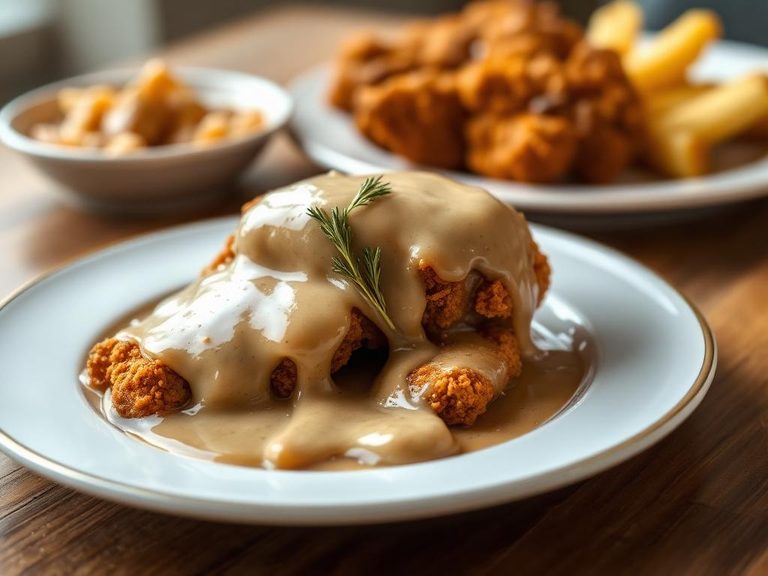
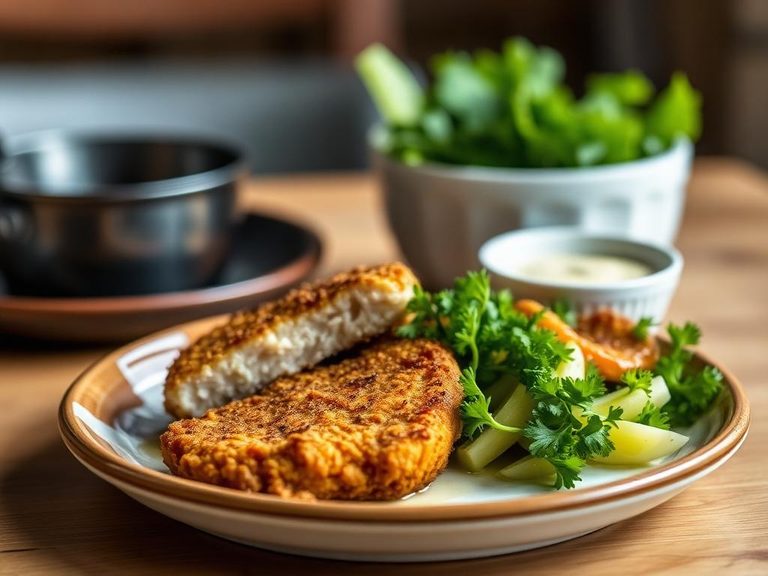
🌍 Where it's eaten
💡 Did you know?
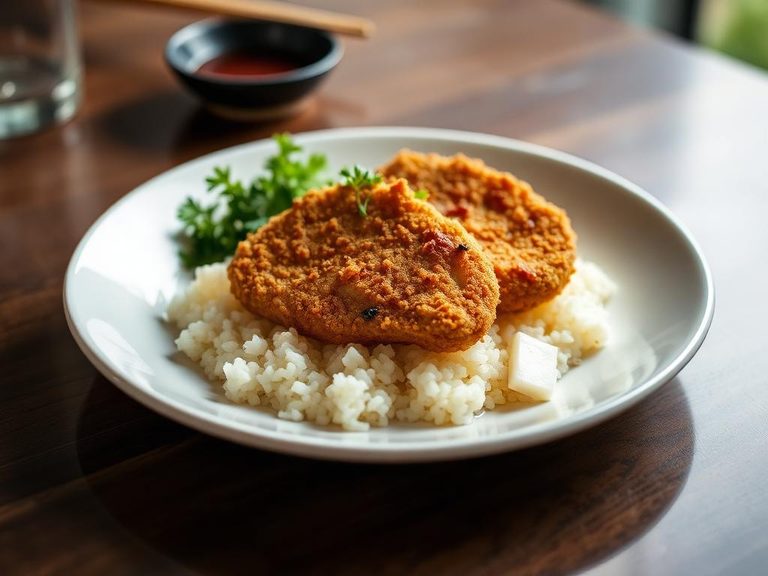
Fried turkey became a massive Thanksgiving trend in the U.S. in the 1990s, but it's also a traditional method in parts of Germany and Japan, where it's known as 'turkey katsu' when breaded and fried.
Full nutrition (USDA data · scales with serving)
| Water | 62.9 g |
| Energy | 192 kcal |
| Protein | 26.2 g |
| Total lipid (fat) | 8.5 g |
| Carbohydrate, by difference | 1.4 g |
| Fiber, total dietary | 0.00 g |
| Total Sugars | 0.11 g |
| Calcium, Ca | 17.0 mg |
| Iron, Fe | 1.0 mg |
| Magnesium, Mg | 28.0 mg |
| Phosphorus, P | 217 mg |
| Potassium, K | 231 mg |
| Sodium, Na | 270 mg |
| Zinc, Zn | 2.3 mg |
| Copper, Cu | 0.09 mg |
| Selenium, Se | 28.3 ug |
| Vitamin C, total ascorbic acid | 0.00 mg |
| Thiamin | 0.05 mg |
| Riboflavin | 0.27 mg |
| Niacin | 9.0 mg |
| Vitamin B-6 | 0.56 mg |
| Folate, total | 10.0 ug |
| Folic acid | 1.0 ug |
| Folate, food | 9.0 ug |
| Folate, DFE | 11.0 ug |
| Choline, total | 81.6 mg |
| Vitamin B-12 | 1.2 ug |
| Vitamin B-12, added | 0.00 ug |
| Vitamin A, RAE | 13.0 ug |
| Retinol | 13.0 ug |
| Carotene, beta | 0.00 ug |
| Carotene, alpha | 0.00 ug |
| Cryptoxanthin, beta | 0.00 ug |
| Lycopene | 0.00 ug |
| Lutein + zeaxanthin | 5.0 ug |
| Vitamin E (alpha-tocopherol) | 0.16 mg |
| Vitamin E, added | 0.00 mg |
| Vitamin D (D2 + D3) | 0.40 ug |
| Vitamin K (phylloquinone) | 0.70 ug |
| Alcohol, ethyl | 0.00 g |
| Caffeine | 0.00 mg |
| Theobromine | 0.00 mg |
Fat & fatty acid profile (per 100g)
| Fatty acids, total saturated | 2.4 g |
| SFA 4:0 | 0.00 g |
| SFA 6:0 | 0.00 g |
| SFA 8:0 | 0.00 g |
| SFA 10:0 | 0.01 g |
| SFA 12:0 | 0.02 g |
| SFA 14:0 | 0.07 g |
| SFA 16:0 | 1.6 g |
| SFA 18:0 | 0.69 g |
| Fatty acids, total monounsaturated | 3.1 g |
| MUFA 16:1 | 0.24 g |
| MUFA 18:1 | 2.8 g |
| MUFA 20:1 | 0.04 g |
| MUFA 22:1 | 0.00 g |
| Fatty acids, total polyunsaturated | 2.4 g |
| PUFA 18:2 | 2.2 g |
| PUFA 18:3 | 0.13 g |
| PUFA 18:4 | 0.00 g |
| PUFA 20:4 | 0.07 g |
| PUFA 20:5 n-3 (EPA) | 0.01 g |
| PUFA 22:5 n-3 (DPA) | 0.01 g |
| PUFA 22:6 n-3 (DHA) | 0.01 g |
| Cholesterol | 100 mg |
Amino acid profile (per 100g)
Estimated from Turkey, mechanically deboned, from turkey frames, raw — USDA does not publish this profile for Turkey.
| Tryptophan | 0.11 g |
| Threonine | 0.64 g |
| Isoleucine | 0.50 g |
| Leucine | 1.1 g |
| Lysine | 1.2 g |
| Methionine | 0.37 g |
| Cystine | 0.10 g |
| Phenylalanine | 0.55 g |
| Tyrosine | 0.47 g |
| Valine | 0.54 g |
| Arginine | 0.87 g |
| Histidine | 0.50 g |
| Alanine | 0.87 g |
| Aspartic acid | 1.4 g |
| Glutamic acid | 2.2 g |
| Glycine | 0.78 g |
| Proline | 0.65 g |
| Serine | 0.62 g |
FAQ
Is fried turkey healthier than fried chicken?
Fried turkey and fried chicken have similar nutritional profiles, both being high in fat and calories due to frying. However, turkey is slightly leaner than chicken, especially in dark meat, and may offer a bit more protein per serving.
Can I eat fried turkey on a low-carb diet?
Yes, but only if the coating is low-carb. Traditional breading uses flour or breadcrumbs, which add carbs. For a low-carb version, use almond flour or pork rinds for the coating.
How do I reduce the fat content of fried turkey?
You can reduce fat by using an air fryer or oven-baking instead of deep-frying, removing the skin before eating, or using a light coating of whole-grain breadcrumbs and minimal oil.
Nutrient density (calculated · NRF9.3)
Nutrient Rich Foods index: beneficial nutrients (protein, fiber, vitamins, minerals) minus saturated fat, added sugar & sodium, per 100 kcal.
NRF9.3 index — Fulgoni, Keast & Drewnowski, 2009. Computed from USDA nutrients.
Weight-loss friendliness (composite index)
Energy density 1.92 kcal/g · 55% calories from protein · 0.0 g fiber · 0.1 g sugar per 100 g.
Composite of energy density (Rolls et al., 1999), protein & fiber satiety, minus sugar. A calculated heuristic — ranks satiety-per-calorie, not a clinical measure.
Dietary load (calculated from USDA values)
Potential renal acid load. Positive = acid-forming, negative = alkaline-forming.
Sodium-to-potassium ratio: 1.17 (lower is better — aim for ≤ 1)
Sodium:potassium per WHO potassium guidance. Computed from USDA nutrients.