

Tea, iced, bottled, green, unsweetened
Common food
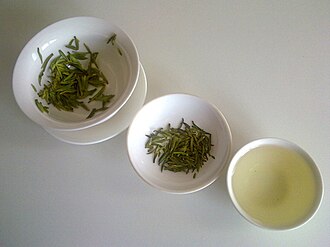
Photo: Wikipedia
A crisp, refreshing bottled beverage made from brewed green tea leaves, offering a clean, slightly grassy, and subtly astringent taste with zero calories. Its translucent, pale jade color and smooth, thirst-quenching texture make it a staple for hydration. Nutritionally, it provides a pure, zero-calorie, zero-macronutrient option, delivering antioxidants like catechins without any added sugars or fats.
💚 Why it's loved
People love it for its pure, clean taste that quenches thirst without heaviness. Its versatility makes it a perfect on-the-go companion, a base for cocktails, or a simple palate cleanser, deeply rooted in East Asian tea culture.
⚠️ Watch-outs & how to enjoy it better
The tannins can cause a dry, astringent mouthfeel or mild stomach upset for some, especially on an empty stomach. To counteract this, consume it with a meal or snack, or choose brands with lower tannin levels. The caffeine, while moderate, may affect sensitive individuals; opt for decaffeinated versions or consume earlier in the day.
Key benefits
- Zero calories, sugars, and fats.
- Source of antioxidants like EGCG.
- Supports daily hydration.
- Provides a mild, natural caffeine boost.
- Contains L-theanine for calm alertness.
🍽️ Popular dishes
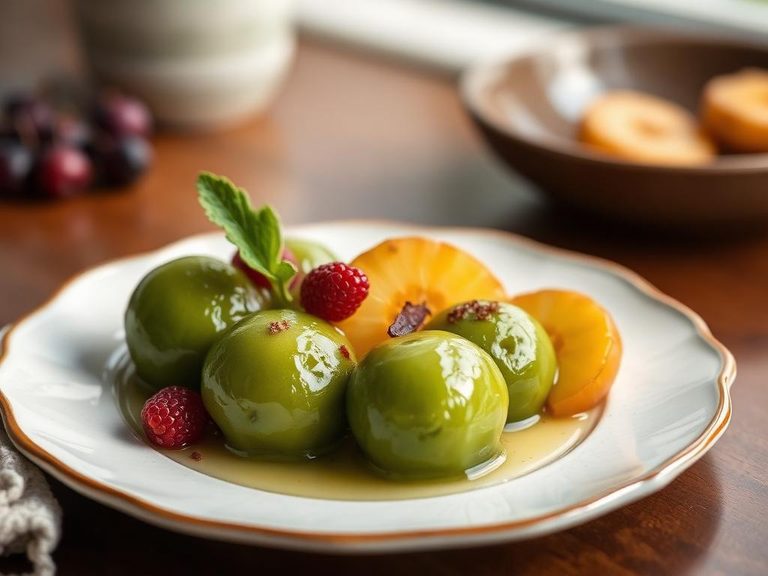
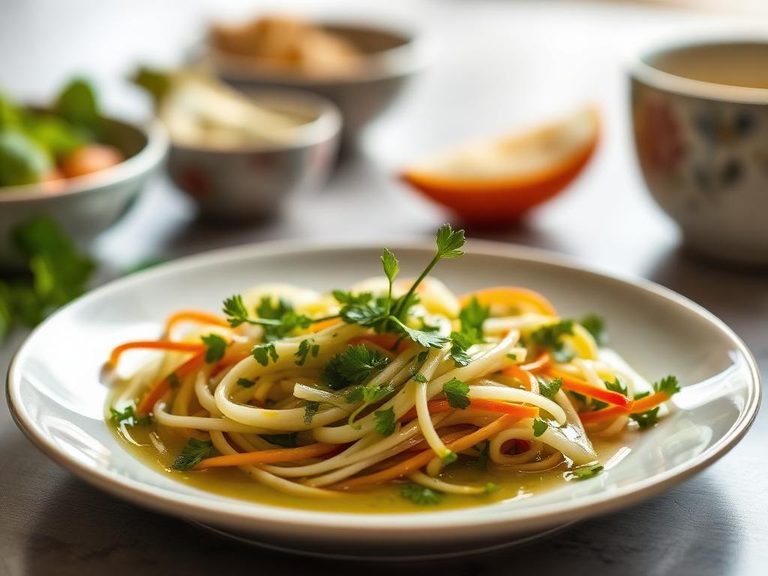
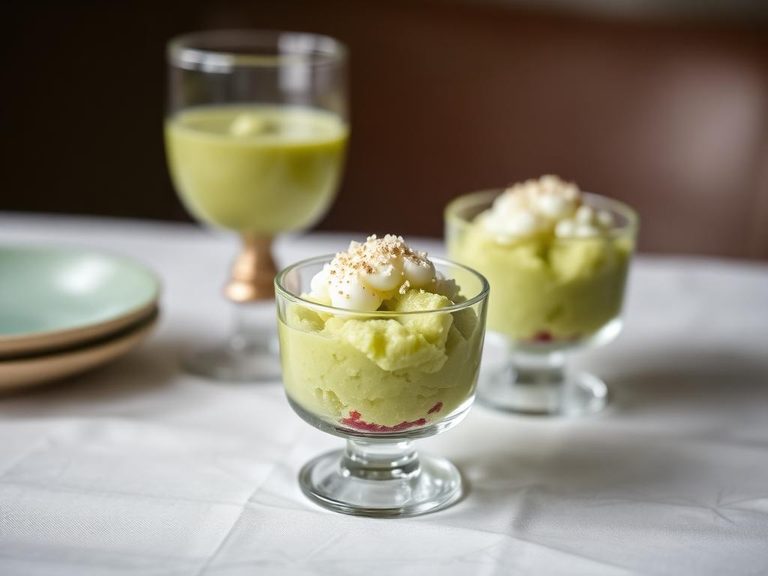
🌍 Where it's eaten
💡 Did you know?
The antioxidant catechin EGCG in green tea is more stable in cold-brewed or bottled versions than in hot-brewed tea, as heat can degrade this compound.
Full nutrition (USDA data · scales with serving)
| Water | 99.9 g |
| Energy | 0.00 kcal |
| Protein | 0.00 g |
| Total lipid (fat) | 0.00 g |
| Carbohydrate, by difference | 0.00 g |
| Fiber, total dietary | 0.00 g |
| Total Sugars | 0.00 g |
| Calcium, Ca | 1.0 mg |
| Iron, Fe | 0.00 mg |
| Magnesium, Mg | 0.00 mg |
| Phosphorus, P | 26.0 mg |
| Potassium, K | 19.0 mg |
| Sodium, Na | 7.0 mg |
| Zinc, Zn | 0.01 mg |
| Copper, Cu | 0.01 mg |
| Selenium, Se | 0.00 ug |
| Vitamin C, total ascorbic acid | 0.00 mg |
| Thiamin | 0.00 mg |
| Riboflavin | 0.00 mg |
| Niacin | 0.00 mg |
| Vitamin B-6 | 0.00 mg |
| Folate, total | 0.00 ug |
| Folic acid | 0.00 ug |
| Folate, food | 0.00 ug |
| Folate, DFE | 0.00 ug |
| Choline, total | 0.00 mg |
| Vitamin B-12 | 0.00 ug |
| Vitamin B-12, added | 0.00 ug |
| Vitamin A, RAE | 0.00 ug |
| Retinol | 0.00 ug |
| Carotene, beta | 0.00 ug |
| Carotene, alpha | 0.00 ug |
| Cryptoxanthin, beta | 0.00 ug |
| Lycopene | 0.00 ug |
| Lutein + zeaxanthin | 0.00 ug |
| Vitamin E (alpha-tocopherol) | 0.00 mg |
| Vitamin E, added | 0.00 mg |
| Vitamin D (D2 + D3) | 0.00 ug |
| Vitamin K (phylloquinone) | 0.00 ug |
| Alcohol, ethyl | 0.00 g |
| Caffeine | 12.0 mg |
| Theobromine | 0.00 mg |
Fat & fatty acid profile (per 100g)
| Fatty acids, total saturated | 0.00 g |
| SFA 4:0 | 0.00 g |
| SFA 6:0 | 0.00 g |
| SFA 8:0 | 0.00 g |
| SFA 10:0 | 0.00 g |
| SFA 12:0 | 0.00 g |
| SFA 14:0 | 0.00 g |
| SFA 16:0 | 0.00 g |
| SFA 18:0 | 0.00 g |
| Fatty acids, total monounsaturated | 0.00 g |
| MUFA 16:1 | 0.00 g |
| MUFA 18:1 | 0.00 g |
| MUFA 20:1 | 0.00 g |
| MUFA 22:1 | 0.00 g |
| Fatty acids, total polyunsaturated | 0.00 g |
| PUFA 18:2 | 0.00 g |
| PUFA 18:3 | 0.00 g |
| PUFA 18:4 | 0.00 g |
| PUFA 20:4 | 0.00 g |
| PUFA 20:5 n-3 (EPA) | 0.00 g |
| PUFA 22:5 n-3 (DPA) | 0.00 g |
| PUFA 22:6 n-3 (DHA) | 0.00 g |
| Cholesterol | 0.00 mg |
Amino acid profile (per 100g)
Estimated from Cookies, animal crackers (includes arrowroot, tea biscuits) — USDA does not publish this profile for Tea.
| Tryptophan | 0.10 g |
| Threonine | 0.19 g |
| Isoleucine | 0.26 g |
| Leucine | 0.47 g |
| Lysine | 0.24 g |
| Methionine | 0.12 g |
| Cystine | 0.15 g |
| Phenylalanine | 0.32 g |
| Tyrosine | 0.20 g |
| Valine | 0.30 g |
| Arginine | 0.26 g |
| Histidine | 0.14 g |
| Alanine | 0.21 g |
| Aspartic acid | 0.29 g |
| Glutamic acid | 2.3 g |
| Glycine | 0.23 g |
| Proline | 0.76 g |
| Serine | 0.36 g |
FAQ
Does bottled green tea have the same health benefits as freshly brewed?
Generally, yes, but the processing and storage can reduce the levels of some delicate antioxidants. Look for brands that use minimal processing and are stored away from light and heat.
Is the caffeine content significant?
A typical 500ml bottle contains about 25-50mg of caffeine, roughly half a cup of coffee. It provides a gentle lift without the intense jolt.
Why does some bottled green tea taste 'grassy' or 'seaweed-like'?
This is a natural flavor from the tea leaves, particularly from compounds like chlorophyll and certain amino acids. It's a hallmark of authentic green tea, not a defect.
Dietary load (calculated from USDA values)
Potential renal acid load. Positive = acid-forming, negative = alkaline-forming.
Sodium-to-potassium ratio: 0.37 (lower is better — aim for ≤ 1)
Sodium:potassium per WHO potassium guidance. Computed from USDA nutrients.