

Sweet potato, squash, pumpkin, chrysanthemum, or bean leaves, cooked
Common food

Photo: Wikipedia
These are the tender, edible leaves of the sweet potato plant, harvested before the vine flowers. When cooked, they offer a mild, slightly earthy flavor with a tender, spinach-like texture that readily absorbs seasonings. Nutritionally, they are a low-calorie powerhouse, providing a notable amount of protein and fiber for their weight.
Calorie split: 13% protein · 45% carbs · 41% fat
↓ Full nutrition💚 Why it's loved
People love sweet potato leaves for their delicate, grassy flavor that's less bitter than some other greens, and their versatility in stir-fries, soups, and stews. In many cultures, they are a cherished, affordable staple vegetable representing resourcefulness and a connection to the land.
⚠️ Watch-outs & how to enjoy it better
The leaves contain oxalates, which can contribute to kidney stone formation in susceptible individuals. To reduce oxalate content, blanch the leaves in a large volume of boiling water for 1-2 minutes and discard the water before further cooking. Those on blood-thinning medication should be mindful of their high vitamin K content and maintain consistent intake.
Key benefits
- Excellent source of dietary fiber for digestive health
- Provides plant-based protein with minimal calories
- Rich in vitamins A, C, and K from the carotenoid and chlorophyll content
- Contains antioxidants like lutein and zeaxanthin beneficial for eye health
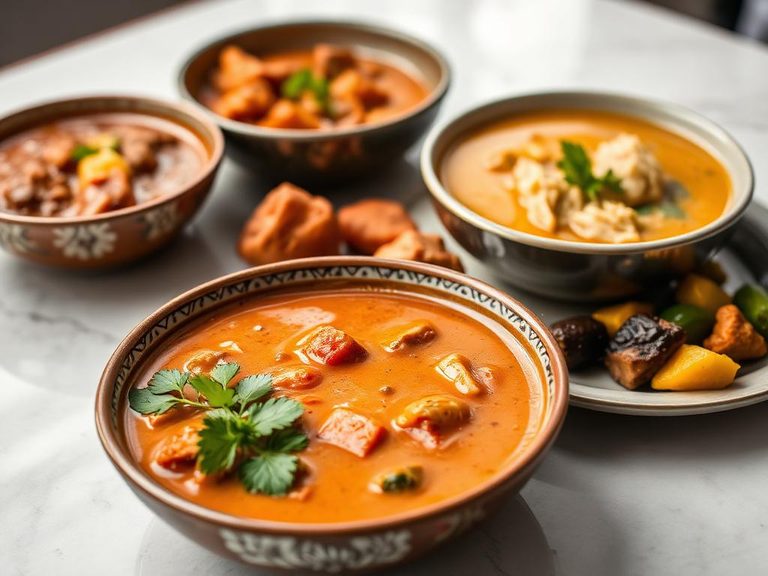
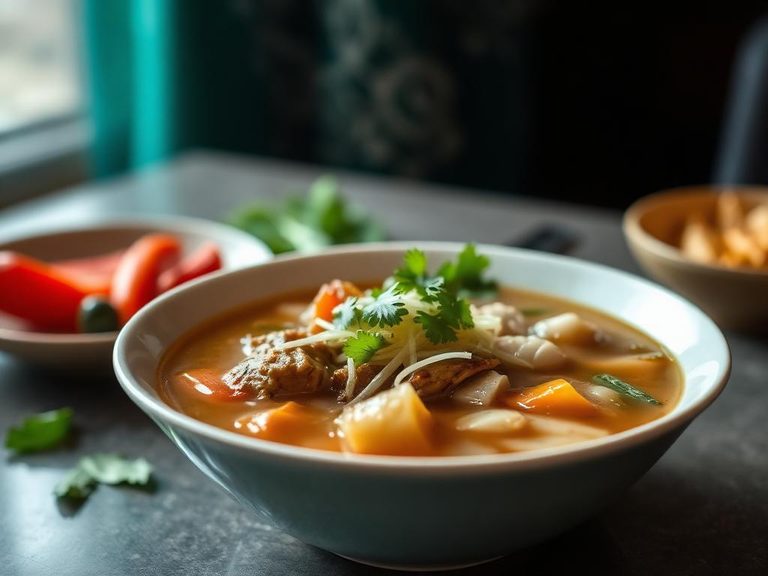
🍽️ Popular dishes
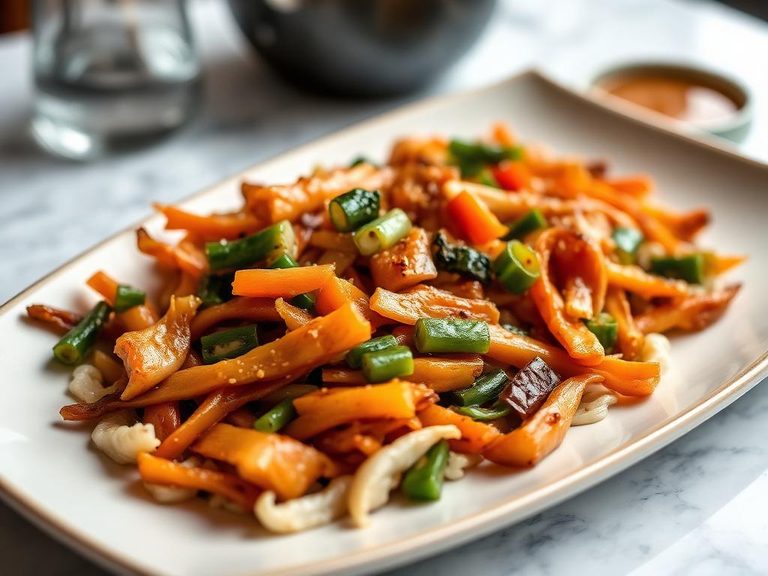
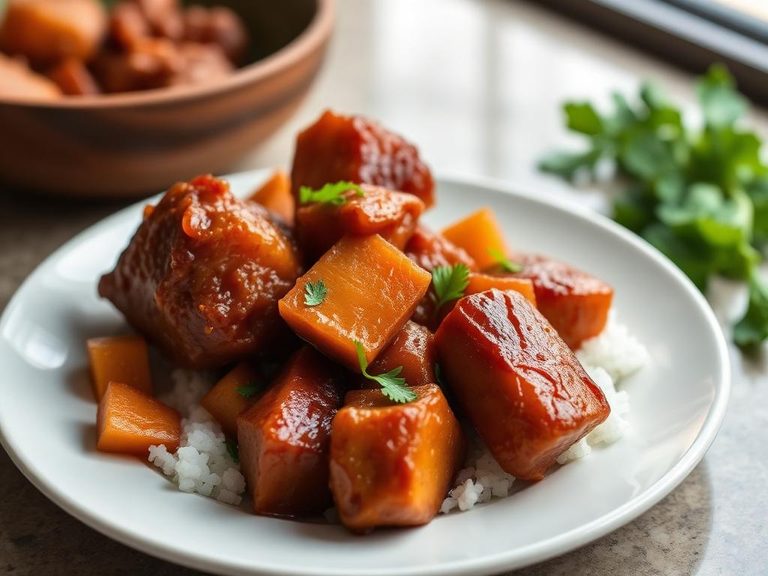
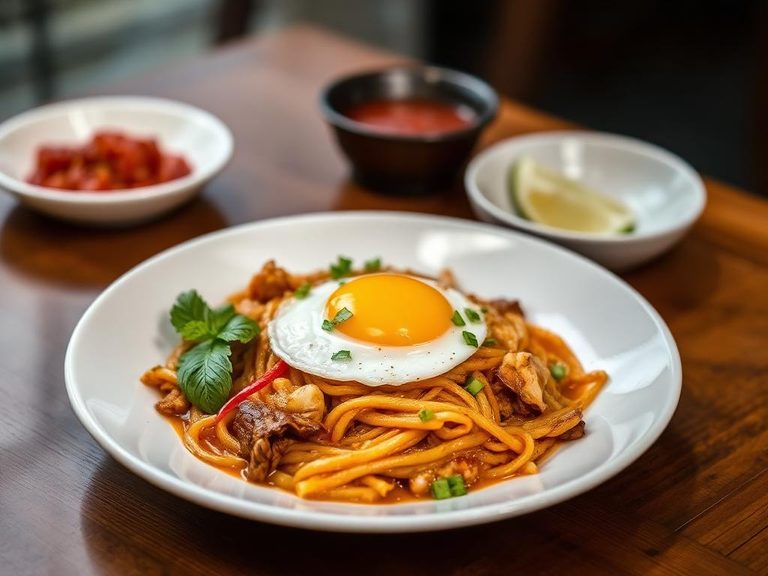
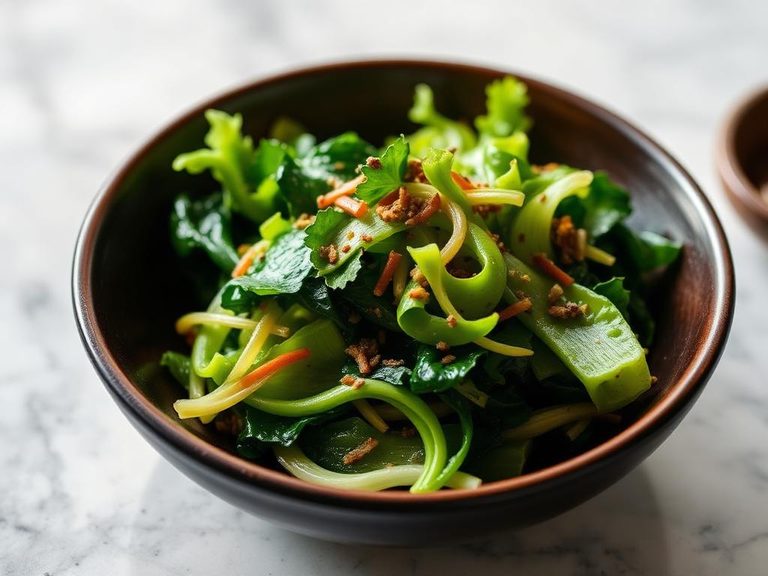
🌍 Where it's eaten
💡 Did you know?
While we eat the leaves, the sweet potato plant is primarily grown for its starchy, edible tuberous root, making the leaves a valuable 'bonus crop' from the same plant.
Full nutrition (USDA data · scales with serving)
| Water | 86.7 g |
| Energy | 57.0 kcal |
| Protein | 2.1 g |
| Total lipid (fat) | 2.9 g |
| Carbohydrate, by difference | 7.2 g |
| Fiber, total dietary | 1.8 g |
| Total Sugars | 5.3 g |
| Calcium, Ca | 32.0 mg |
| Iron, Fe | 0.61 mg |
| Magnesium, Mg | 46.0 mg |
| Phosphorus, P | 39.0 mg |
| Potassium, K | 302 mg |
| Sodium, Na | 128 mg |
| Zinc, Zn | 0.25 mg |
| Copper, Cu | 0.03 mg |
| Selenium, Se | 0.90 ug |
| Vitamin C, total ascorbic acid | 1.5 mg |
| Thiamin | 0.11 mg |
| Riboflavin | 0.26 mg |
| Niacin | 0.97 mg |
| Vitamin B-6 | 0.17 mg |
| Folate, total | 47.0 ug |
| Folic acid | 0.00 ug |
| Folate, food | 47.0 ug |
| Folate, DFE | 47.0 ug |
| Choline, total | 20.6 mg |
| Vitamin B-12 | 0.00 ug |
| Vitamin B-12, added | 0.00 ug |
| Vitamin A, RAE | 154 ug |
| Retinol | 11.0 ug |
| Carotene, beta | 1675 ug |
| Carotene, alpha | 32.0 ug |
| Cryptoxanthin, beta | 44.0 ug |
| Lycopene | 0.00 ug |
| Lutein + zeaxanthin | 11083 ug |
| Vitamin E (alpha-tocopherol) | 1.3 mg |
| Vitamin E, added | 0.00 mg |
| Vitamin D (D2 + D3) | 0.00 ug |
| Vitamin K (phylloquinone) | 107 ug |
| Alcohol, ethyl | 0.00 g |
| Caffeine | 0.00 mg |
| Theobromine | 0.00 mg |
Fat & fatty acid profile (per 100g)
| Fatty acids, total saturated | 0.73 g |
| SFA 4:0 | 0.02 g |
| SFA 6:0 | 0.01 g |
| SFA 8:0 | 0.01 g |
| SFA 10:0 | 0.02 g |
| SFA 12:0 | 0.02 g |
| SFA 14:0 | 0.06 g |
| SFA 16:0 | 0.42 g |
| SFA 18:0 | 0.14 g |
| Fatty acids, total monounsaturated | 0.92 g |
| MUFA 16:1 | 0.01 g |
| MUFA 18:1 | 0.88 g |
| MUFA 20:1 | 0.01 g |
| MUFA 22:1 | 0.00 g |
| Fatty acids, total polyunsaturated | 0.86 g |
| PUFA 18:2 | 0.76 g |
| PUFA 18:3 | 0.10 g |
| PUFA 18:4 | 0.00 g |
| PUFA 20:4 | 0.00 g |
| PUFA 20:5 n-3 (EPA) | 0.00 g |
| PUFA 22:5 n-3 (DPA) | 0.00 g |
| PUFA 22:6 n-3 (DHA) | 0.00 g |
| Cholesterol | 2.0 mg |
Amino acid profile (per 100g)
Estimated from Snacks, sweet potato chips, unsalted — USDA does not publish this profile for Sweet potato.
| Tryptophan | 0.10 g |
| Threonine | 0.26 g |
| Isoleucine | 0.17 g |
| Leucine | 0.29 g |
| Lysine | 0.20 g |
| Methionine | 0.09 g |
| Cystine | 0.07 g |
| Phenylalanine | 0.28 g |
| Tyrosine | 0.11 g |
| Valine | 0.27 g |
| Arginine | 0.17 g |
| Histidine | 0.10 g |
| Alanine | 0.24 g |
| Aspartic acid | 1.2 g |
| Glutamic acid | 0.48 g |
| Glycine | 0.20 g |
| Proline | 0.16 g |
| Serine | 0.28 g |
FAQ
Are sweet potato leaves the same as regular potato leaves?
No. Leaves from the common potato plant (Solanum tuberosum) are part of the nightshade family and contain solanine, making them toxic. Sweet potato leaves (Ipomoea batatas) are from the morning glory family and are safe and nutritious to eat.
How do I prepare them?
Wash thoroughly, then remove any tough stems. They can be blanched, steamed, or quickly stir-fried with aromatics like garlic and ginger. They cook very quickly, similar to spinach.
Can I eat them raw?
While some cultures use very young leaves in salads, they are most commonly cooked. Cooking improves digestibility, reduces oxalate content, and softens the texture.
Nutrient density (calculated · NRF9.3)
Nutrient Rich Foods index: beneficial nutrients (protein, fiber, vitamins, minerals) minus saturated fat, added sugar & sodium, per 100 kcal.
NRF9.3 index — Fulgoni, Keast & Drewnowski, 2009. Computed from USDA nutrients.
Weight-loss friendliness (composite index)
Energy density 0.57 kcal/g · 15% calories from protein · 1.8 g fiber · 5.3 g sugar per 100 g.
Composite of energy density (Rolls et al., 1999), protein & fiber satiety, minus sugar. A calculated heuristic — ranks satiety-per-calorie, not a clinical measure.
Dietary load (calculated from USDA values)
Potential renal acid load. Positive = acid-forming, negative = alkaline-forming.
Sodium-to-potassium ratio: 0.42 (lower is better — aim for ≤ 1)
Sodium:potassium per WHO potassium guidance. Computed from USDA nutrients.