

Stewed, seasoned, ground beef and pork, Mexican style
Common food

Photo: Wikipedia
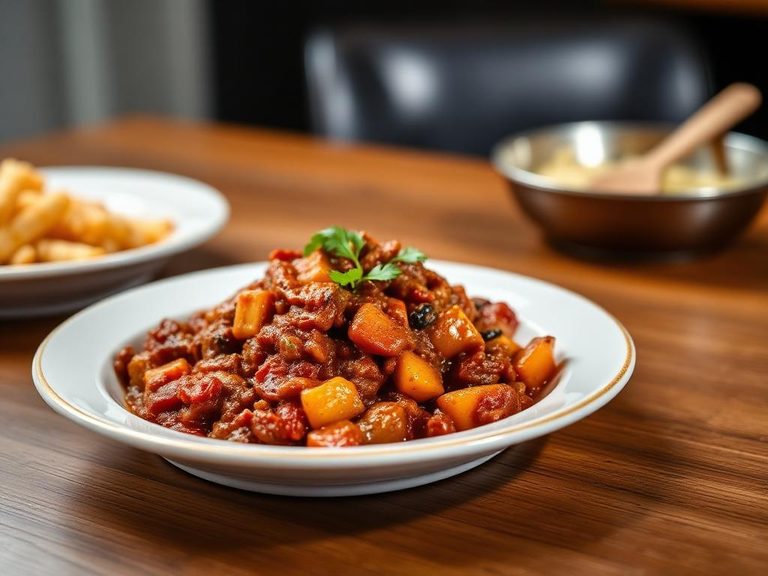
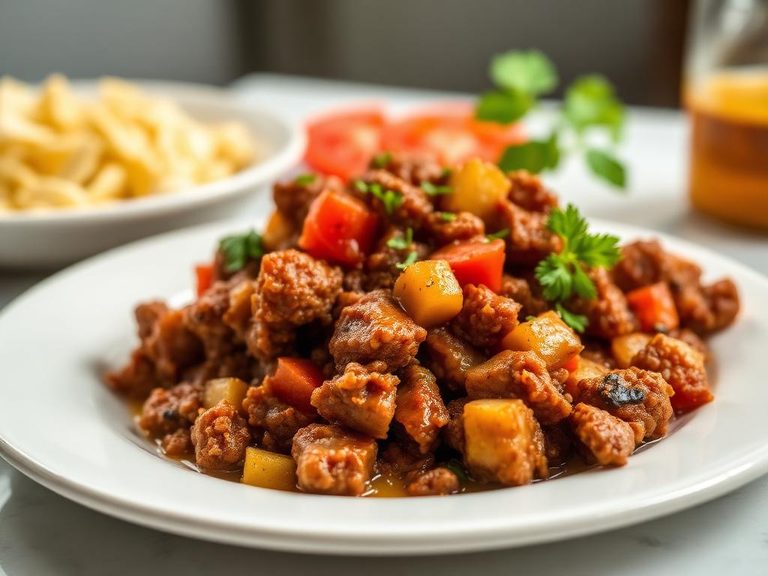
A savory, deeply seasoned blend of ground beef and pork, slow-stewed to a tender, crumbly texture with a rich, spicy Mexican flavor profile. This high-protein, low-carb staple is a foundational component of countless dishes, offering a robust, umami-packed taste with a satisfying, hearty mouthfeel. Its nutritional profile is dominated by protein and fat, making it a substantial, energy-dense base for meals.
Calorie split: 49% protein · 4% carbs · 46% fat
↓ Full nutrition💚 Why it's loved
People love it for its deep, complex flavor that forms the backbone of iconic Mexican dishes, and its incredible versatility as a filling, topping, or main component. It's a comfort food that carries cultural significance, evoking the warmth of home-cooked meals and festive gatherings.
⚠️ Watch-outs & how to enjoy it better
The high fat and sodium content from seasoning can be a concern for those monitoring heart health or blood pressure. To counteract this, pair it with high-fiber vegetables like beans or lettuce to slow fat absorption, and use it in moderation within a balanced meal plan.
Key benefits
- High in complete protein for muscle maintenance and satiety.
- Very low in carbohydrates, suitable for low-carb or ketogenic diets.
- Rich in iron and B vitamins from the meat blend.
- Provides a flavorful, versatile base for many dishes.
- Contains healthy fats from the pork component.
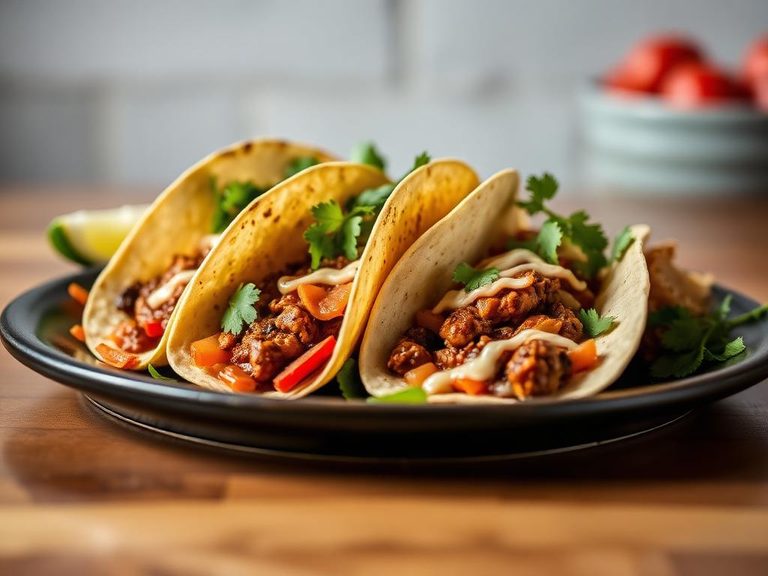
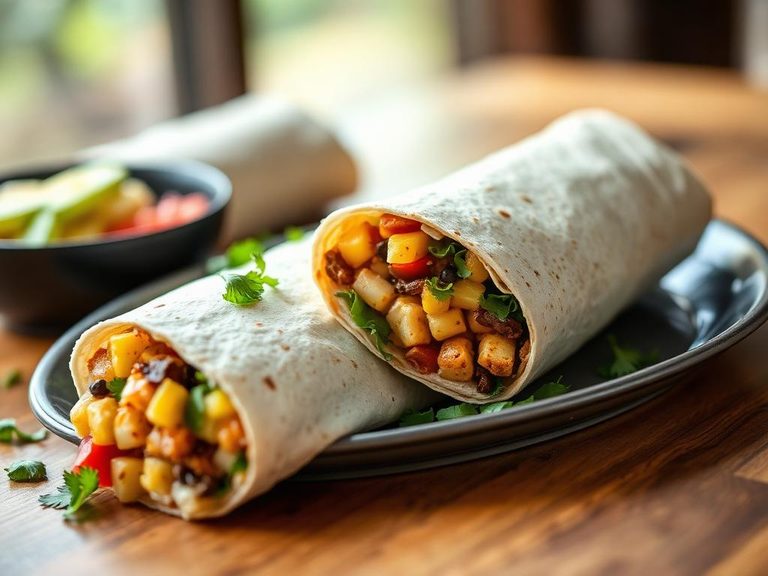
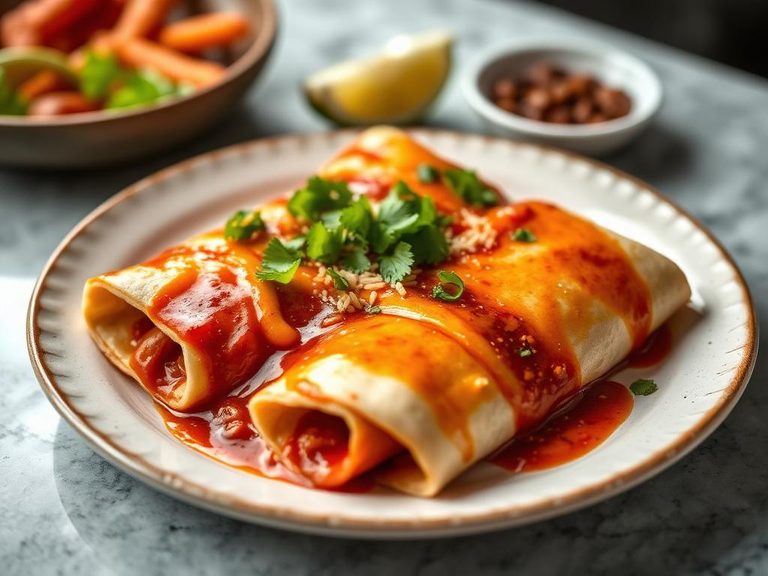
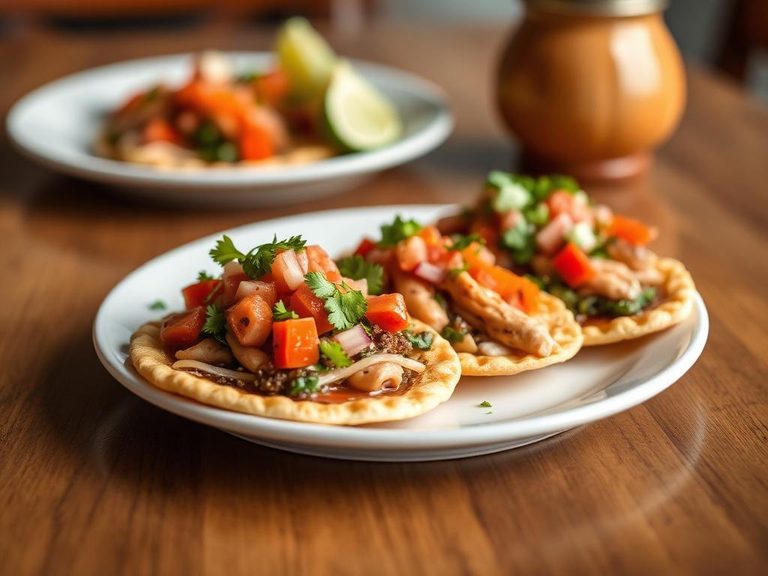
🍽️ Popular dishes
🌍 Where it's eaten
💡 Did you know?
The specific blend of beef and pork is often called 'picadillo' in Mexican cuisine, a term derived from the Spanish word 'picar' meaning 'to chop' or 'to mince.'
Full nutrition (USDA data · scales with serving)
| Water | 73.5 g |
| Energy | 139 kcal |
| Protein | 16.7 g |
| Total lipid (fat) | 7.0 g |
| Carbohydrate, by difference | 1.4 g |
| Fiber, total dietary | 0.20 g |
| Total Sugars | 0.46 g |
| Calcium, Ca | 18.0 mg |
| Iron, Fe | 1.2 mg |
| Magnesium, Mg | 19.0 mg |
| Phosphorus, P | 154 mg |
| Potassium, K | 279 mg |
| Sodium, Na | 338 mg |
| Zinc, Zn | 2.8 mg |
| Copper, Cu | 0.07 mg |
| Selenium, Se | 20.7 ug |
| Vitamin C, total ascorbic acid | 4.5 mg |
| Thiamin | 0.18 mg |
| Riboflavin | 0.16 mg |
| Niacin | 3.8 mg |
| Vitamin B-6 | 0.31 mg |
| Folate, total | 6.0 ug |
| Folic acid | 1.0 ug |
| Folate, food | 6.0 ug |
| Folate, DFE | 6.0 ug |
| Choline, total | 45.7 mg |
| Vitamin B-12 | 0.98 ug |
| Vitamin B-12, added | 0.00 ug |
| Vitamin A, RAE | 5.0 ug |
| Retinol | 1.0 ug |
| Carotene, beta | 41.0 ug |
| Carotene, alpha | 8.0 ug |
| Cryptoxanthin, beta | 0.00 ug |
| Lycopene | 185 ug |
| Lutein + zeaxanthin | 22.0 ug |
| Vitamin E (alpha-tocopherol) | 0.17 mg |
| Vitamin E, added | 0.00 mg |
| Vitamin D (D2 + D3) | 0.20 ug |
| Vitamin K (phylloquinone) | 1.5 ug |
| Alcohol, ethyl | 0.00 g |
| Caffeine | 0.00 mg |
| Theobromine | 0.00 mg |
Fat & fatty acid profile (per 100g)
| Fatty acids, total saturated | 2.6 g |
| SFA 4:0 | 0.00 g |
| SFA 6:0 | 0.00 g |
| SFA 8:0 | 0.00 g |
| SFA 10:0 | 0.00 g |
| SFA 12:0 | 0.01 g |
| SFA 14:0 | 0.16 g |
| SFA 16:0 | 1.5 g |
| SFA 18:0 | 0.80 g |
| Fatty acids, total monounsaturated | 3.1 g |
| MUFA 16:1 | 0.23 g |
| MUFA 18:1 | 2.7 g |
| MUFA 20:1 | 0.03 g |
| MUFA 22:1 | 0.00 g |
| Fatty acids, total polyunsaturated | 0.38 g |
| PUFA 18:2 | 0.32 g |
| PUFA 18:3 | 0.03 g |
| PUFA 18:4 | 0.00 g |
| PUFA 20:4 | 0.04 g |
| PUFA 20:5 n-3 (EPA) | 0.00 g |
| PUFA 22:5 n-3 (DPA) | 0.00 g |
| PUFA 22:6 n-3 (DHA) | 0.00 g |
| Cholesterol | 53.0 mg |
Amino acid profile (per 100g)
Estimated from Chicken, broilers or fryers, drumstick, meat and skin, cooked, stewed — USDA does not publish this profile for Stewed.
| Tryptophan | 0.29 g |
| Threonine | 1.1 g |
| Isoleucine | 1.3 g |
| Leucine | 1.9 g |
| Lysine | 2.1 g |
| Methionine | 0.68 g |
| Cystine | 0.34 g |
| Phenylalanine | 0.99 g |
| Tyrosine | 0.82 g |
| Valine | 1.2 g |
| Arginine | 1.6 g |
| Histidine | 0.75 g |
| Alanine | 1.5 g |
| Aspartic acid | 2.3 g |
| Glutamic acid | 3.7 g |
| Glycine | 1.5 g |
| Proline | 1.2 g |
| Serine | 0.89 g |
FAQ
Is this dish suitable for a low-carb diet?
Yes, with only 1.45g of carbs per 100g, it's an excellent choice for low-carb and ketogenic diets, especially when paired with non-starchy vegetables.
How can I reduce the fat content?
You can reduce fat by using leaner cuts of meat, draining excess grease after browning, or mixing in more vegetables like bell peppers or onions to bulk up the dish without adding fat.
What makes it 'Mexican style'?
The 'Mexican style' comes from a blend of spices like cumin, chili powder, garlic, and oregano, often cooked with tomatoes or chilies, creating a distinct, aromatic flavor profile.
Nutrient density (calculated · NRF9.3)
Nutrient Rich Foods index: beneficial nutrients (protein, fiber, vitamins, minerals) minus saturated fat, added sugar & sodium, per 100 kcal.
NRF9.3 index — Fulgoni, Keast & Drewnowski, 2009. Computed from USDA nutrients.
Weight-loss friendliness (composite index)
Energy density 1.39 kcal/g · 48% calories from protein · 0.2 g fiber · 0.5 g sugar per 100 g.
Composite of energy density (Rolls et al., 1999), protein & fiber satiety, minus sugar. A calculated heuristic — ranks satiety-per-calorie, not a clinical measure.
Dietary load (calculated from USDA values)
Potential renal acid load. Positive = acid-forming, negative = alkaline-forming.
Sodium-to-potassium ratio: 1.21 (lower is better — aim for ≤ 1)
Sodium:potassium per WHO potassium guidance. Computed from USDA nutrients.