

Spaghetti sauce
Common food
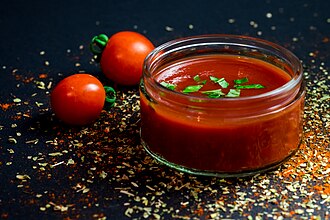
Photo: Wikipedia
Spaghetti sauce is a rich, savory tomato-based condiment, typically simmered with herbs like basil and oregano, offering a smooth yet textured consistency with a balance of sweet, acidic, and umami notes. Nutritionally, it's a low-calorie way to add significant flavor and a modest amount of fiber to a meal, with the natural sugars from tomatoes being its primary carbohydrate source.
Calorie split: 11% protein · 63% carbs · 26% fat
↓ Full nutrition💚 Why it's loved
People love it for its comforting, umami-rich flavor that forms the heart of countless beloved pasta dishes and its incredible versatility as a base for pizza, shakshuka, or braised meats. It's a cornerstone of Italian-American and Italian cuisine, evoking a sense of home cooking and tradition.
⚠️ Watch-outs & how to enjoy it better
Many commercial jarred sauces are high in sodium and added sugars, which can contribute to blood pressure issues and blood sugar spikes. To counteract this, opt for low-sugar, low-sodium versions, or make your own. Pairing the sauce with protein (like lean meat or legumes) and healthy fats (like olive oil) helps slow carbohydrate absorption.
Key benefits
- Low in calories per serving, aiding in weight management.
- Contains lycopene, an antioxidant from cooked tomatoes.
- Provides dietary fiber for digestive health.
- Enhances the palatability of whole-grain pastas and vegetables.
- Quick base for a nutrient-dense meal.
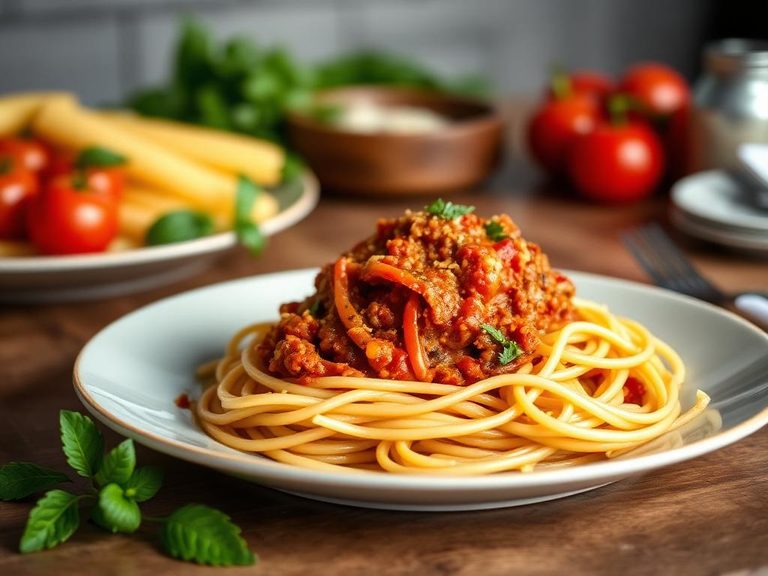
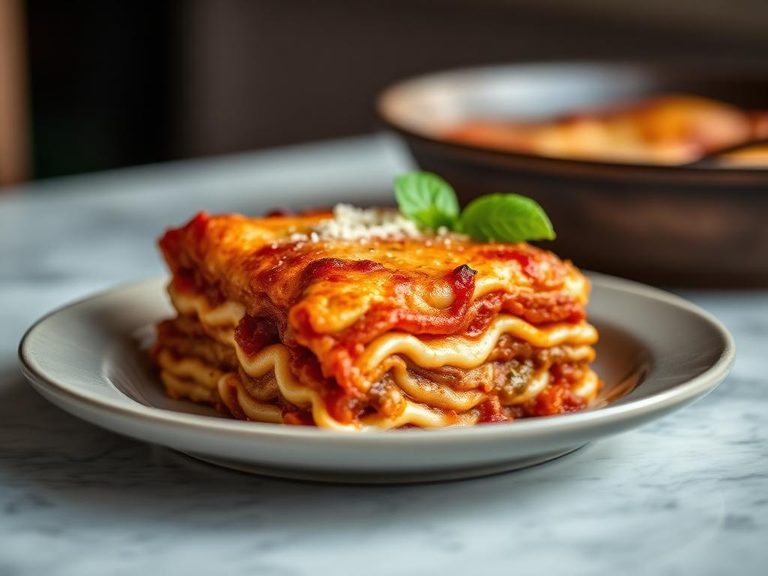
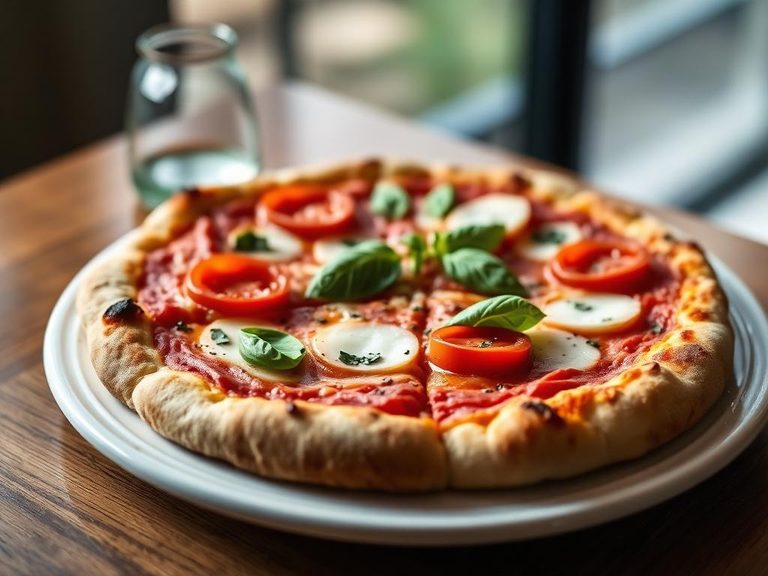
🍽️ Popular dishes
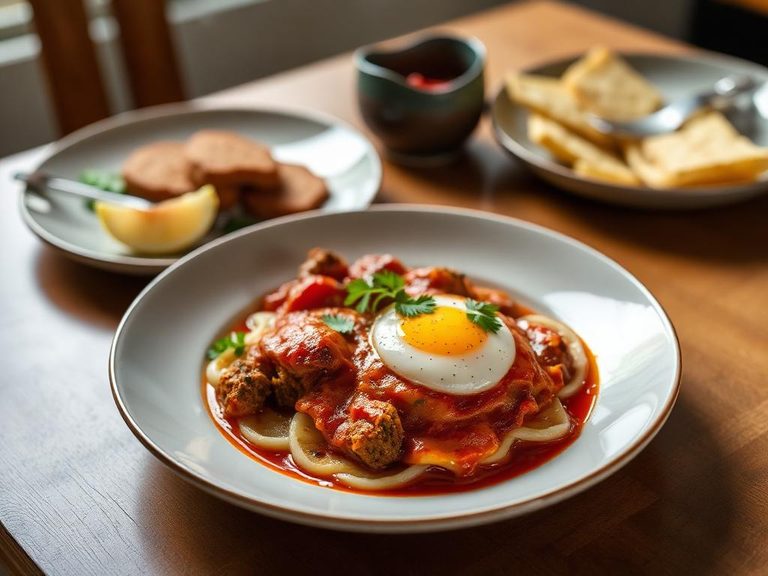
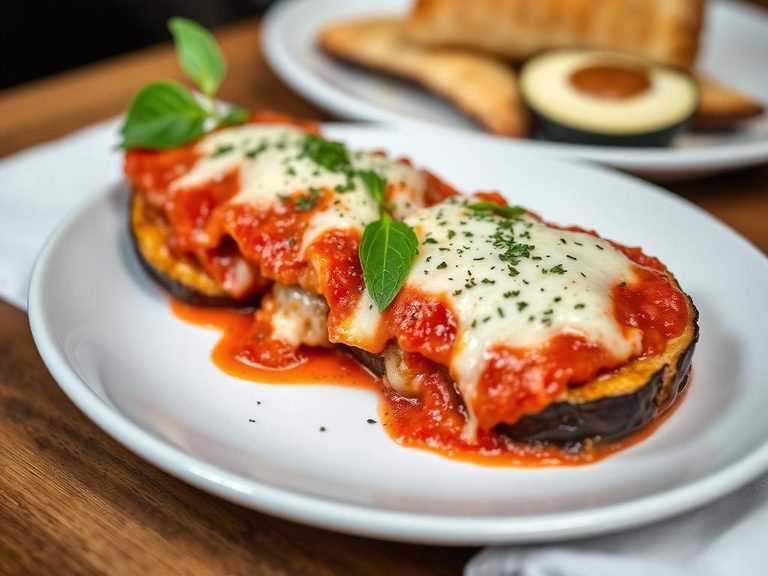
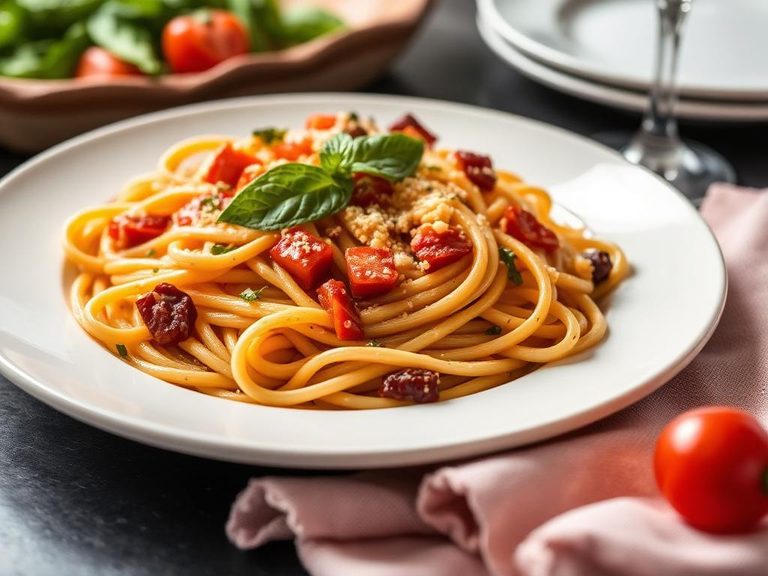
🌍 Where it's eaten
💡 Did you know?
The classic Italian marinara sauce, a simple tomato sauce, is named after 'mariners' (marinai) because it was a quick, preservative-rich sauce that could survive long sea voyages.
Full nutrition (USDA data · scales with serving)
| Water | 87.4 g |
| Energy | 51.0 kcal |
| Protein | 1.4 g |
| Total lipid (fat) | 1.5 g |
| Carbohydrate, by difference | 8.1 g |
| Fiber, total dietary | 1.8 g |
| Total Sugars | 5.5 g |
| Calcium, Ca | 27.0 mg |
| Iron, Fe | 0.78 mg |
| Magnesium, Mg | 18.0 mg |
| Phosphorus, P | 34.0 mg |
| Potassium, K | 319 mg |
| Sodium, Na | 419 mg |
| Zinc, Zn | 0.20 mg |
| Copper, Cu | 0.08 mg |
| Selenium, Se | 1.4 ug |
| Vitamin C, total ascorbic acid | 2.0 mg |
| Thiamin | 0.02 mg |
| Riboflavin | 0.06 mg |
| Niacin | 3.9 mg |
| Vitamin B-6 | 0.17 mg |
| Folate, total | 13.0 ug |
| Folic acid | 0.00 ug |
| Folate, food | 13.0 ug |
| Folate, DFE | 13.0 ug |
| Choline, total | 13.7 mg |
| Vitamin B-12 | 0.00 ug |
| Vitamin B-12, added | 0.00 ug |
| Vitamin A, RAE | 32.0 ug |
| Retinol | 0.00 ug |
| Carotene, beta | 390 ug |
| Carotene, alpha | 0.00 ug |
| Cryptoxanthin, beta | 0.00 ug |
| Lycopene | 12700 ug |
| Lutein + zeaxanthin | 190 ug |
| Vitamin E (alpha-tocopherol) | 2.4 mg |
| Vitamin E, added | 0.00 mg |
| Vitamin D (D2 + D3) | 0.00 ug |
| Vitamin K (phylloquinone) | 13.9 ug |
| Alcohol, ethyl | 0.00 g |
| Caffeine | 0.00 mg |
| Theobromine | 0.00 mg |
Fat & fatty acid profile (per 100g)
| Fatty acids, total saturated | 0.17 g |
| SFA 4:0 | 0.00 g |
| SFA 6:0 | 0.00 g |
| SFA 8:0 | 0.00 g |
| SFA 10:0 | 0.00 g |
| SFA 12:0 | 0.00 g |
| SFA 14:0 | 0.00 g |
| SFA 16:0 | 0.11 g |
| SFA 18:0 | 0.04 g |
| Fatty acids, total monounsaturated | 0.38 g |
| MUFA 16:1 | 0.00 g |
| MUFA 18:1 | 0.36 g |
| MUFA 20:1 | 0.01 g |
| MUFA 22:1 | 0.00 g |
| Fatty acids, total polyunsaturated | 0.50 g |
| PUFA 18:2 | 0.43 g |
| PUFA 18:3 | 0.08 g |
| PUFA 18:4 | 0.00 g |
| PUFA 20:4 | 0.00 g |
| PUFA 20:5 n-3 (EPA) | 0.00 g |
| PUFA 22:5 n-3 (DPA) | 0.00 g |
| PUFA 22:6 n-3 (DHA) | 0.00 g |
| Cholesterol | 2.0 mg |
Amino acid profile (per 100g)
Estimated from OLIVE GARDEN, spaghetti with meat sauce — USDA does not publish this profile for Spaghetti sauce.
| Tryptophan | 0.06 g |
| Threonine | 0.20 g |
| Isoleucine | 0.21 g |
| Leucine | 0.40 g |
| Lysine | 0.23 g |
| Methionine | 0.12 g |
| Cystine | 0.10 g |
| Phenylalanine | 0.29 g |
| Tyrosine | 0.14 g |
| Valine | 0.24 g |
| Arginine | 0.29 g |
| Histidine | 0.15 g |
| Alanine | 0.26 g |
| Aspartic acid | 0.46 g |
| Glutamic acid | 1.7 g |
| Glycine | 0.24 g |
| Proline | 0.57 g |
| Serine | 0.27 g |
| Hydroxyproline | 0.00 g |
FAQ
What's the difference between pasta sauce and spaghetti sauce?
They are often used interchangeably. 'Spaghetti sauce' typically implies a tomato-based sauce designed for pasta, while 'pasta sauce' is a broader category that can include cream-based, oil-based, or pesto sauces.
How can I reduce the acidity in my spaghetti sauce?
A common culinary tip is to add a small pinch of sugar or a grated carrot while simmering to balance the tomatoes' natural acidity. Simmering it longer also helps mellow the flavor.
Is spaghetti sauce gluten-free?
Pure tomato-based sauces are naturally gluten-free. However, some commercial brands may add thickeners or flavorings containing gluten, so always check the label if you have celiac disease or sensitivity.
Nutrient density (calculated · NRF9.3)
Nutrient Rich Foods index: beneficial nutrients (protein, fiber, vitamins, minerals) minus saturated fat, added sugar & sodium, per 100 kcal.
NRF9.3 index — Fulgoni, Keast & Drewnowski, 2009. Computed from USDA nutrients.
Weight-loss friendliness (composite index)
Energy density 0.51 kcal/g · 11% calories from protein · 1.8 g fiber · 5.5 g sugar per 100 g.
Composite of energy density (Rolls et al., 1999), protein & fiber satiety, minus sugar. A calculated heuristic — ranks satiety-per-calorie, not a clinical measure.
Dietary load (calculated from USDA values)
Potential renal acid load. Positive = acid-forming, negative = alkaline-forming.
Sodium-to-potassium ratio: 1.31 (lower is better — aim for ≤ 1)
Sodium:potassium per WHO potassium guidance. Computed from USDA nutrients.