

Salad dressing, sesame seed dressing, regular
Whole food · Fats and Oils
This is a rich, creamy, and savory dressing with a distinct nutty aroma from toasted sesame seeds. Its texture is velvety and slightly thick, coating salad greens or noodles with a glossy sheath. Nutritionally, it is an energy-dense condiment, with nearly all its calories coming from fat.
Calorie split: 3% protein · 8% carbs · 90% fat
↓ Full nutrition💚 Why it's loved
People adore its deeply savory, umami-rich flavor profile that transforms simple salads and vegetables. It's a beloved staple in Japanese cuisine, valued for its ability to add complexity and richness to dishes with just a drizzle.
⚠️ Watch-outs & how to enjoy it better
Its high fat and calorie content can be a concern for those monitoring energy intake. The sugar content, while moderate, can contribute to blood sugar spikes if consumed in large quantities. Sesame is a common allergen, and individuals with sesame allergies must strictly avoid it. To counteract, use it sparingly as a flavor accent rather than a main sauce, and always pair it with a large volume of fiber-rich vegetables.
Key benefits
- Excellent source of healthy monounsaturated and polyunsaturated fats from sesame oil.
- Provides a quick, concentrated source of energy.
- Contains plant-based compounds like sesamin and sesamol with antioxidant properties.
- Enhances the palatability and consumption of raw vegetables.
- A small amount delivers significant flavor, aiding in portion control for some.
🍽️ Popular dishes
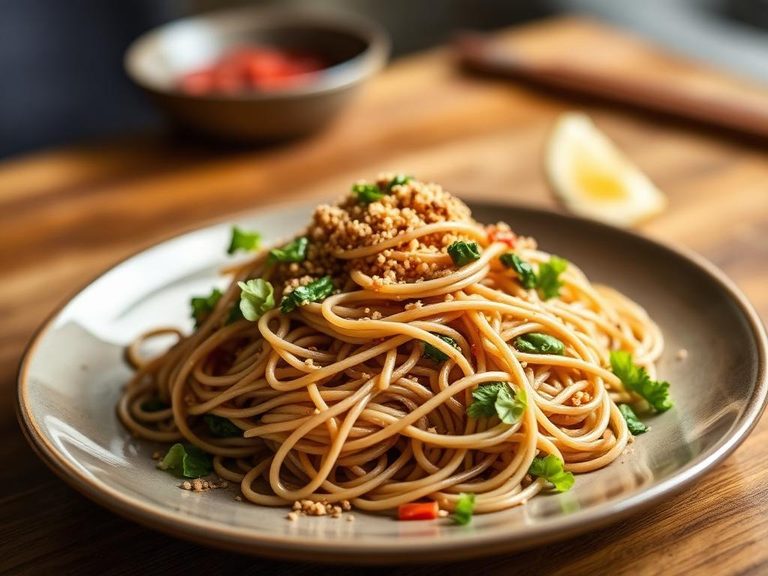
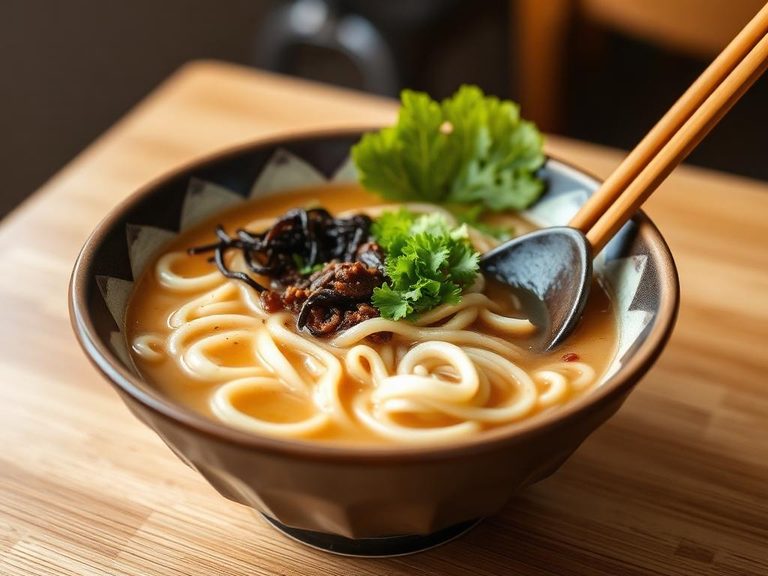
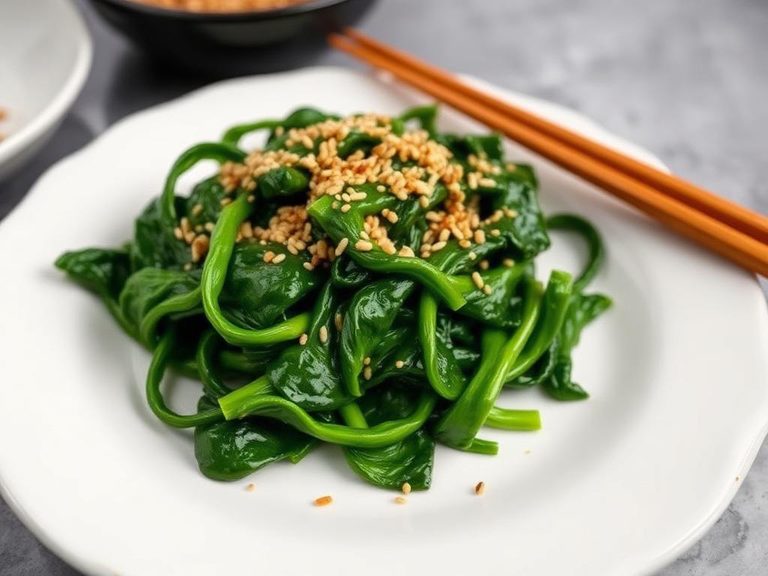
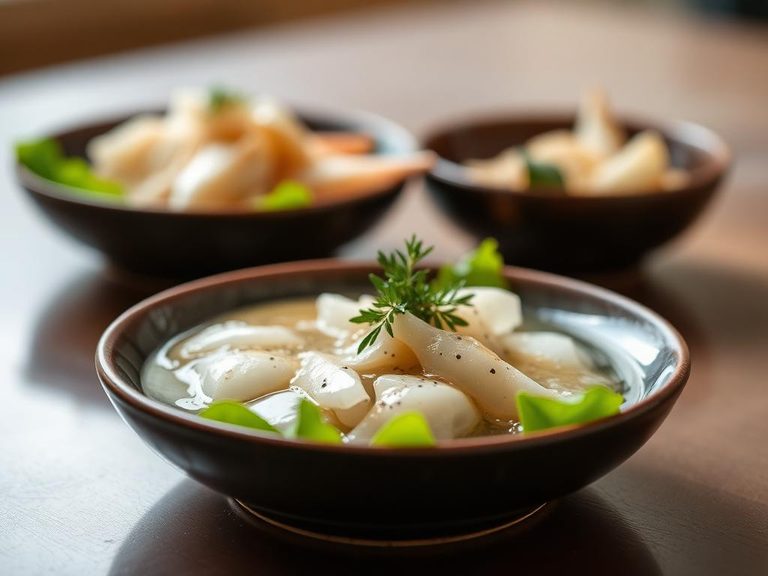
🌍 Where it's eaten
💡 Did you know?
The primary ingredient, toasted sesame seeds, are one of the oldest oilseed crops known to humanity, with evidence of cultivation dating back to 3000 BCE in the Indus Valley.
Full nutrition (USDA data · scales with serving)
| Water | 39.2 g |
| Energy | 443 kcal |
| Energy | 1854 kj |
| Protein | 3.1 g |
| Total lipid (fat) | 45.2 g |
| Ash | 3.9 g |
| Carbohydrate, by difference | 8.6 g |
| Fiber, total dietary | 1.0 g |
| Total Sugars | 8.3 g |
| Calcium, Ca | 19.0 mg |
| Iron, Fe | 0.60 mg |
| Magnesium, Mg | 0.00 mg |
| Phosphorus, P | 37.0 mg |
| Potassium, K | 157 mg |
| Sodium, Na | 1000 mg |
| Zinc, Zn | 0.10 mg |
| Copper, Cu | 0.00 mg |
| Selenium, Se | 1.6 ug |
| Vitamin C, total ascorbic acid | 0.00 mg |
| Thiamin | 0.00 mg |
| Riboflavin | 0.00 mg |
| Niacin | 0.00 mg |
| Pantothenic acid | 0.00 mg |
| Vitamin B-6 | 0.00 mg |
| Folate, total | 0.00 ug |
| Folic acid | 0.00 ug |
| Folate, food | 0.00 ug |
| Folate, DFE | 0.00 ug |
| Choline, total | 4.0 mg |
| Vitamin B-12 | 0.00 ug |
| Vitamin B-12, added | 0.00 ug |
| Vitamin A, RAE | 2.0 ug |
| Retinol | 0.00 ug |
| Carotene, beta | 21.0 ug |
| Carotene, alpha | 0.00 ug |
| Cryptoxanthin, beta | 2.0 ug |
| Vitamin A, IU | 36.0 iu |
| Lycopene | 16.0 ug |
| Lutein + zeaxanthin | 0.00 ug |
| Vitamin E (alpha-tocopherol) | 5.0 mg |
| Vitamin E, added | 0.00 mg |
| Vitamin D (D2 + D3), International Units | 0.00 iu |
| Vitamin D (D2 + D3) | 0.00 ug |
| Vitamin K (phylloquinone) | 56.0 ug |
| Alcohol, ethyl | 0.00 g |
| Caffeine | 0.00 mg |
| Theobromine | 0.00 mg |
Fat & fatty acid profile (per 100g)
| Fatty acids, total saturated | 6.2 g |
| SFA 4:0 | 0.00 g |
| SFA 6:0 | 0.00 g |
| SFA 8:0 | 0.00 g |
| SFA 10:0 | 0.00 g |
| SFA 12:0 | 0.00 g |
| SFA 14:0 | 0.00 g |
| SFA 16:0 | 4.2 g |
| SFA 18:0 | 1.9 g |
| Fatty acids, total monounsaturated | 11.9 g |
| MUFA 16:1 | 0.00 g |
| MUFA 18:1 | 11.9 g |
| MUFA 20:1 | 0.00 g |
| MUFA 22:1 | 0.00 g |
| Fatty acids, total polyunsaturated | 25.1 g |
| PUFA 18:2 | 23.2 g |
| PUFA 18:3 | 2.0 g |
| PUFA 18:4 | 0.00 g |
| PUFA 20:4 | 0.00 g |
| PUFA 20:5 n-3 (EPA) | 0.00 g |
| PUFA 22:5 n-3 (DPA) | 0.00 g |
| PUFA 22:6 n-3 (DHA) | 0.00 g |
| Cholesterol | 0.00 mg |
Amino acid profile (per 100g)
| Tryptophan | 0.05 g |
| Threonine | 0.05 g |
| Isoleucine | 0.05 g |
| Leucine | 0.08 g |
| Lysine | 0.14 g |
| Methionine | 0.03 g |
| Cystine | 0.00 g |
| Phenylalanine | 0.09 g |
| Tyrosine | 0.10 g |
| Valine | 0.07 g |
| Arginine | 0.40 g |
| Histidine | 0.03 g |
| Alanine | 0.00 g |
| Aspartic acid | 0.00 g |
| Glutamic acid | 0.46 g |
| Glycine | 0.00 g |
| Proline | 0.00 g |
| Serine | 0.00 g |
FAQ
Is sesame seed dressing the same as tahini?
No. Tahini is a paste made from ground raw or toasted sesame seeds, often used as an ingredient. Sesame seed dressing is a prepared sauce, typically containing oil, vinegar, sugar, soy sauce, and seasonings in addition to the sesame component.
Can I use it for cooking or just as a dressing?
While primarily a dressing or dipping sauce, it can be used as a marinade for tofu or chicken, or as a finishing sauce for grilled vegetables and noodles. Avoid high-heat cooking, as the sugars and delicate oils can burn.
How should I store an opened bottle?
Always refrigerate after opening. The oil may solidify; simply let it sit at room temperature for a few minutes and shake well before using. Consume within a few months for best quality.
Nutrient density (calculated · NRF9.3)
Nutrient Rich Foods index: beneficial nutrients (protein, fiber, vitamins, minerals) minus saturated fat, added sugar & sodium, per 100 kcal.
NRF9.3 index — Fulgoni, Keast & Drewnowski, 2009. Computed from USDA nutrients.
Weight-loss friendliness (composite index)
Energy density 4.43 kcal/g · 3% calories from protein · 1.0 g fiber · 8.3 g sugar per 100 g.
Composite of energy density (Rolls et al., 1999), protein & fiber satiety, minus sugar. A calculated heuristic — ranks satiety-per-calorie, not a clinical measure.
Dietary load (calculated from USDA values)
Potential renal acid load. Positive = acid-forming, negative = alkaline-forming.
Sodium-to-potassium ratio: 6.37 (lower is better — aim for ≤ 1)
Sodium:potassium per WHO potassium guidance. Computed from USDA nutrients.