

Salad dressing, NFS, for sandwiches
Common food

Photo: Wikipedia
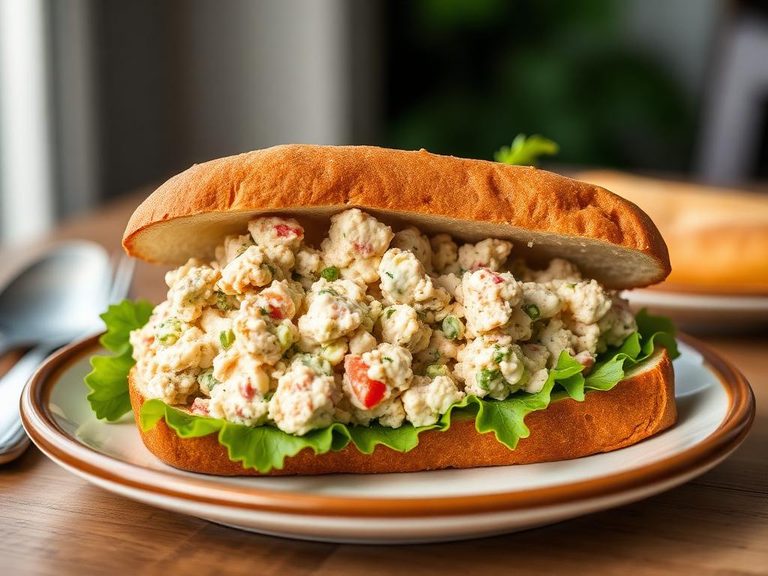
This is a rich, creamy, and often tangy emulsion designed to add moisture and flavor to sandwiches, from classic deli subs to simple turkey clubs. Its texture is typically smooth and viscous, with a flavor profile that can range from savory and garlicky to sweet and tangy, depending on the base. Nutritionally, it is an extremely energy-dense fat source, providing over 64 grams of fat per 100g with negligible protein or carbohydrates.
Calorie split: 1% protein · 2% carbs · 97% fat
↓ Full nutrition💚 Why it's loved
People love it for its ability to transform a plain sandwich into a rich, satisfying meal, acting as the essential 'glue' that binds flavors and textures together. Its versatility allows it to be customized with herbs, spices, or other condiments to suit any palate.
⚠️ Watch-outs & how to enjoy it better
Its extremely high fat and calorie density can contribute to excess energy intake if used liberally, which is a consideration for those managing weight. For individuals monitoring fat intake for health reasons, the sheer volume of fat per serving is a primary concern. Tip: Use a measured portion (like one tablespoon) and spread it thinly to maximize coverage while minimizing calories, or opt for a lighter, vinegar-based dressing as an alternative.
Key benefits
- High in dietary fat for satiety and energy.
- Adds significant moisture and flavor to dry bread or lean fillings.
- Acts as a carrier for fat-soluble vitamins in sandwich vegetables.
- Provides a quick, calorie-dense energy boost.
- Enhances the overall palatability of simple meals.
🍽️ Popular dishes
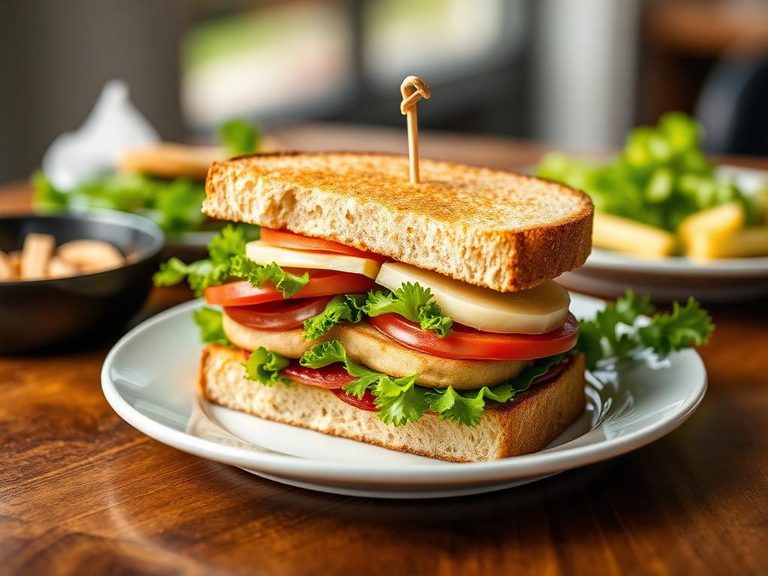
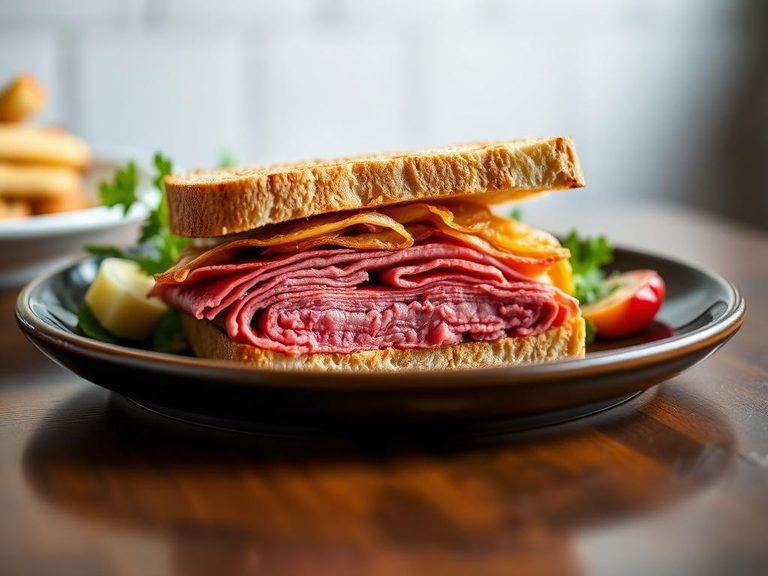
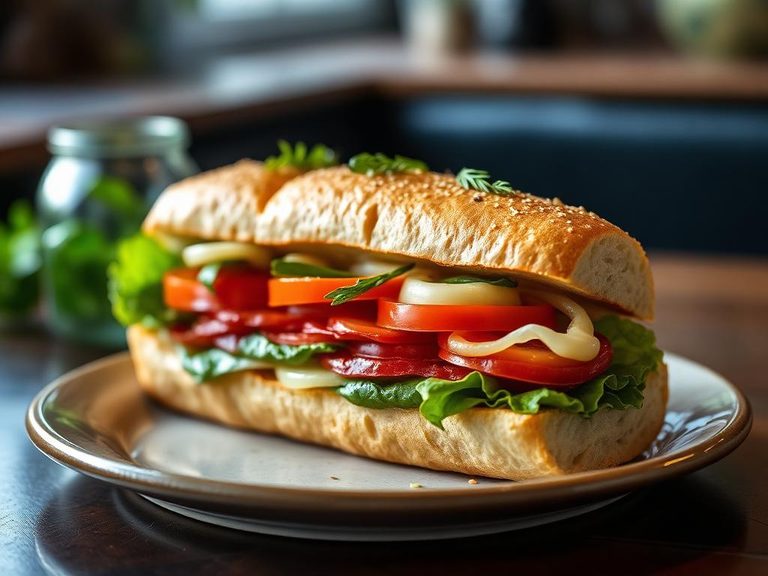
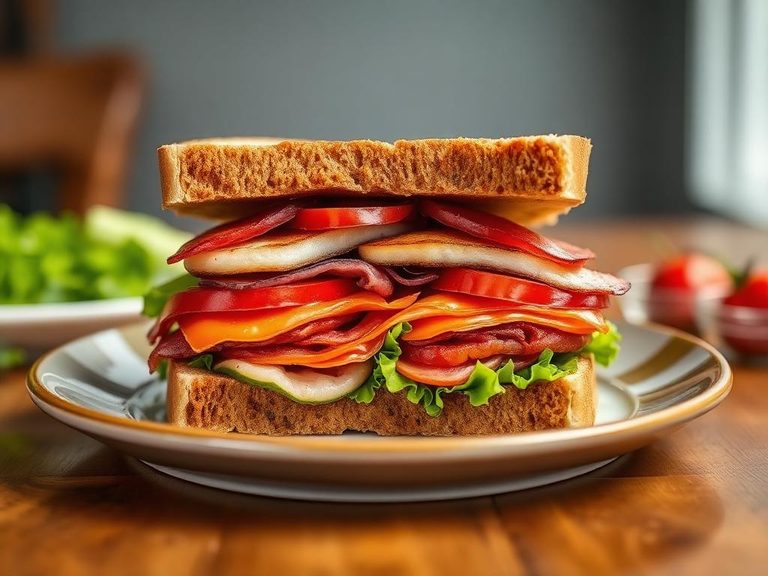
🌍 Where it's eaten
💡 Did you know?
The 'NFS' in its name stands for 'Not Further Specified,' a catch-all category used in nutrition databases for the countless unbranded, house-made, or generic versions of this staple.
Full nutrition (USDA data · scales with serving)
| Water | 29.6 g |
| Energy | 594 kcal |
| Protein | 0.90 g |
| Total lipid (fat) | 64.2 g |
| Carbohydrate, by difference | 3.4 g |
| Fiber, total dietary | 0.00 g |
| Total Sugars | 2.5 g |
| Calcium, Ca | 7.0 mg |
| Iron, Fe | 0.19 mg |
| Magnesium, Mg | 1.0 mg |
| Phosphorus, P | 19.0 mg |
| Potassium, K | 23.0 mg |
| Sodium, Na | 639 mg |
| Zinc, Zn | 0.13 mg |
| Copper, Cu | 0.02 mg |
| Selenium, Se | 1.9 ug |
| Vitamin C, total ascorbic acid | 0.00 mg |
| Thiamin | 0.01 mg |
| Riboflavin | 0.02 mg |
| Niacin | 0.00 mg |
| Vitamin B-6 | 0.01 mg |
| Folate, total | 5.0 ug |
| Folic acid | 0.00 ug |
| Folate, food | 5.0 ug |
| Folate, DFE | 5.0 ug |
| Choline, total | 30.3 mg |
| Vitamin B-12 | 0.10 ug |
| Vitamin B-12, added | 0.00 ug |
| Vitamin A, RAE | 14.0 ug |
| Retinol | 13.0 ug |
| Carotene, beta | 6.0 ug |
| Carotene, alpha | 0.00 ug |
| Cryptoxanthin, beta | 4.0 ug |
| Lycopene | 0.00 ug |
| Lutein + zeaxanthin | 15.0 ug |
| Vitamin E (alpha-tocopherol) | 2.9 mg |
| Vitamin E, added | 0.00 mg |
| Vitamin D (D2 + D3) | 0.20 ug |
| Vitamin K (phylloquinone) | 139 ug |
| Alcohol, ethyl | 0.00 g |
| Caffeine | 0.00 mg |
| Theobromine | 0.00 mg |
Fat & fatty acid profile (per 100g)
| Fatty acids, total saturated | 10.0 g |
| SFA 4:0 | 0.00 g |
| SFA 6:0 | 0.00 g |
| SFA 8:0 | 0.00 g |
| SFA 10:0 | 0.00 g |
| SFA 12:0 | 0.00 g |
| SFA 14:0 | 0.05 g |
| SFA 16:0 | 6.8 g |
| SFA 18:0 | 2.7 g |
| Fatty acids, total monounsaturated | 14.5 g |
| MUFA 16:1 | 0.07 g |
| MUFA 18:1 | 14.1 g |
| MUFA 20:1 | 0.20 g |
| MUFA 22:1 | 0.02 g |
| Fatty acids, total polyunsaturated | 38.2 g |
| PUFA 18:2 | 33.5 g |
| PUFA 18:3 | 4.6 g |
| PUFA 18:4 | 0.00 g |
| PUFA 20:4 | 0.04 g |
| PUFA 20:5 n-3 (EPA) | 0.00 g |
| PUFA 22:5 n-3 (DPA) | 0.00 g |
| PUFA 22:6 n-3 (DHA) | 0.00 g |
| Cholesterol | 37.0 mg |
Amino acid profile (per 100g)
Estimated from Salad dressing, sesame seed dressing, regular — USDA does not publish this profile for Salad dressing.
| Tryptophan | 0.05 g |
| Threonine | 0.05 g |
| Isoleucine | 0.05 g |
| Leucine | 0.08 g |
| Lysine | 0.14 g |
| Methionine | 0.03 g |
| Cystine | 0.00 g |
| Phenylalanine | 0.09 g |
| Tyrosine | 0.10 g |
| Valine | 0.07 g |
| Arginine | 0.40 g |
| Histidine | 0.03 g |
| Alanine | 0.00 g |
| Aspartic acid | 0.00 g |
| Glutamic acid | 0.46 g |
| Glycine | 0.00 g |
| Proline | 0.00 g |
| Serine | 0.00 g |
FAQ
What does 'NFS' mean on a nutrition label?
It stands for 'Not Further Specified.' This indicates the data is for a generic version of the food, not a specific brand or recipe, which can vary widely in ingredients and nutrition.
How is this different from mayonnaise?
While often mayonnaise-based, this category can include a wider range of dressings like Italian, Ranch, or special sauces. Mayonnaise is a specific emulsion of oil, egg yolk, and acid, whereas 'salad dressing' is a broader term.
Is it healthy for a sandwich?
It provides energy and flavor but is very high in fat and calories. Its healthiness depends entirely on portion size and your overall dietary needs. Using it sparingly is key.
Nutrient density (calculated · NRF9.3)
Nutrient Rich Foods index: beneficial nutrients (protein, fiber, vitamins, minerals) minus saturated fat, added sugar & sodium, per 100 kcal.
NRF9.3 index — Fulgoni, Keast & Drewnowski, 2009. Computed from USDA nutrients.
Weight-loss friendliness (composite index)
Energy density 5.94 kcal/g · 1% calories from protein · 0.0 g fiber · 2.5 g sugar per 100 g.
Composite of energy density (Rolls et al., 1999), protein & fiber satiety, minus sugar. A calculated heuristic — ranks satiety-per-calorie, not a clinical measure.
Dietary load (calculated from USDA values)
Potential renal acid load. Positive = acid-forming, negative = alkaline-forming.
Sodium-to-potassium ratio: 27.78 (lower is better — aim for ≤ 1)
Sodium:potassium per WHO potassium guidance. Computed from USDA nutrients.