

Wheat bun as ingredient in sandwiches
Common food
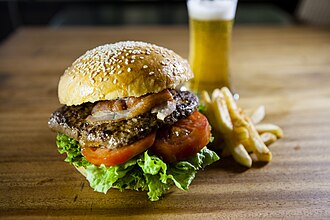
Photo: Wikipedia
A soft, pillowy wheat bun, typically split and used as the foundational structure for sandwiches. Its mild, slightly sweet flavor and tender, absorbent crumb make it an ideal canvas for a wide range of fillings. Nutritionally, it provides a solid base of carbohydrates for energy, with a respectable protein content for a grain product.
Calorie split: 17% protein · 69% carbs · 14% fat
↓ Full nutrition💚 Why it's loved
People love the wheat bun for its comforting, familiar taste and its incredible versatility—it can be toasted, steamed, or served fresh to complement everything from savory burgers to delicate tea sandwiches. It's a staple that evokes a sense of simplicity and satisfaction in countless meals.
⚠️ Watch-outs & how to enjoy it better
As a refined carbohydrate, it can cause a rapid rise in blood sugar, which is a consideration for those managing diabetes or insulin resistance. To counteract this, pair it with protein (like turkey or egg) and healthy fats (like avocado or hummus) to slow digestion. It also contains gluten, a common allergen, making it unsuitable for those with celiac disease or gluten sensitivity.
Key benefits
- Provides quick-release energy from complex carbohydrates.
- Offers a good source of plant-based protein per serving.
- Contains dietary fiber to support digestive health.
- Acts as a neutral, versatile carrier for nutrient-dense fillings.
- A convenient and portable meal component.
🍽️ Popular dishes
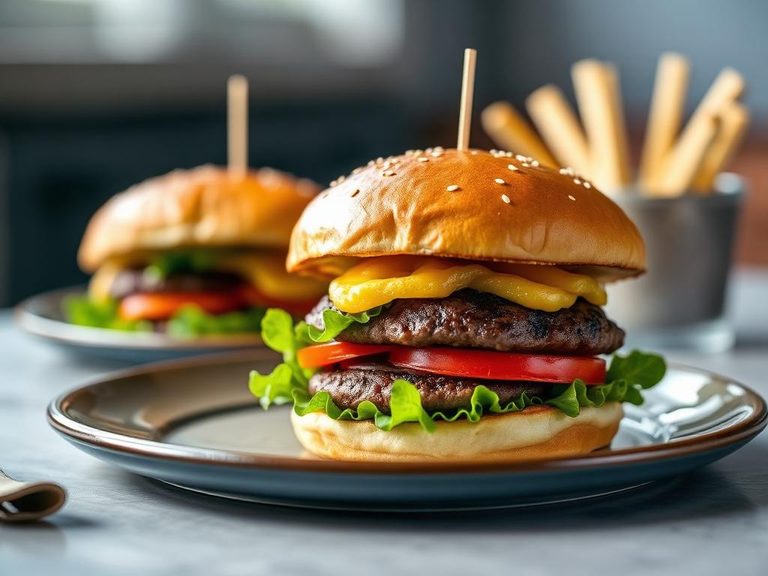
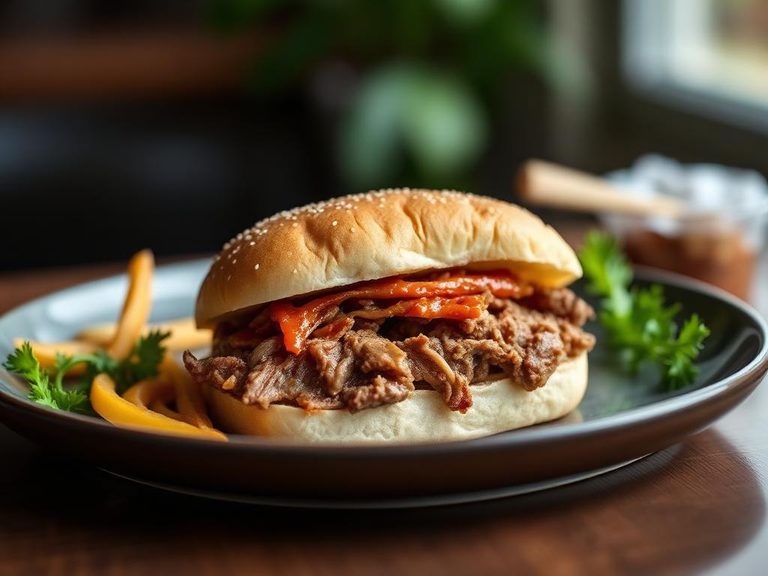
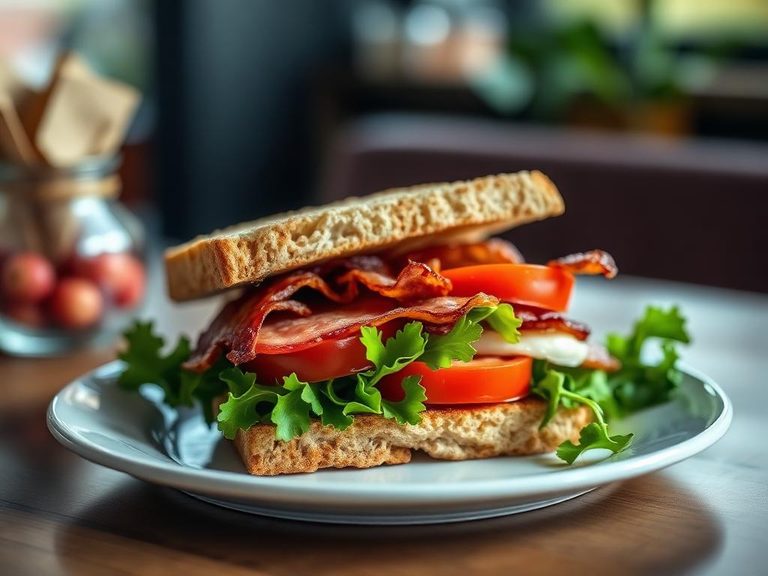
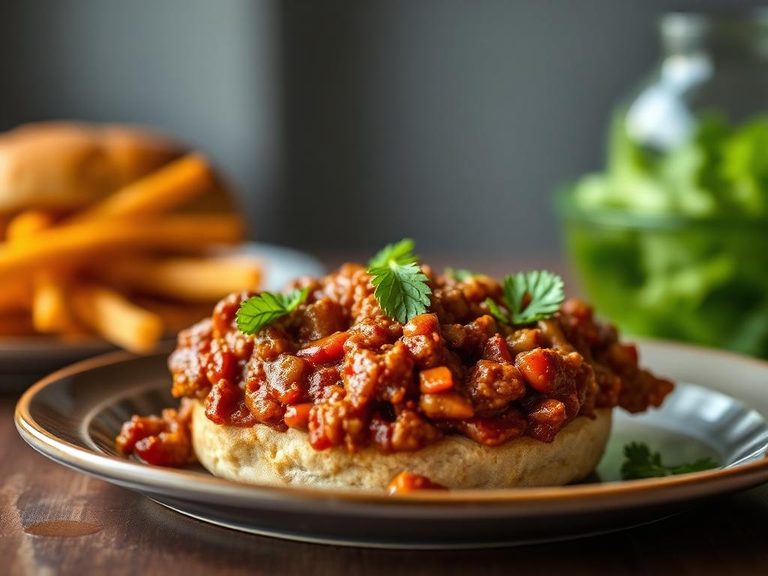


🌍 Where it's eaten
💡 Did you know?
The hamburger bun as we know it was popularized at the 1904 St. Louis World's Fair, where it was used to make the messy ground beef sandwich easier to eat with your hands.
Full nutrition (USDA data · scales with serving)
| Water | 37.0 g |
| Energy | 264 kcal |
| Protein | 11.4 g |
| Total lipid (fat) | 4.0 g |
| Carbohydrate, by difference | 45.4 g |
| Fiber, total dietary | 5.4 g |
| Total Sugars | 5.2 g |
| Calcium, Ca | 161 mg |
| Iron, Fe | 3.1 mg |
| Magnesium, Mg | 56.0 mg |
| Phosphorus, P | 166 mg |
| Potassium, K | 189 mg |
| Sodium, Na | 440 mg |
| Zinc, Zn | 1.4 mg |
| Copper, Cu | 0.19 mg |
| Selenium, Se | 27.6 ug |
| Vitamin C, total ascorbic acid | 0.10 mg |
| Thiamin | 0.40 mg |
| Riboflavin | 0.21 mg |
| Niacin | 4.9 mg |
| Vitamin B-6 | 0.16 mg |
| Folate, total | 72.0 ug |
| Folic acid | 14.0 ug |
| Folate, food | 58.0 ug |
| Folate, DFE | 82.0 ug |
| Choline, total | 21.3 mg |
| Vitamin B-12 | 0.00 ug |
| Vitamin B-12, added | 0.00 ug |
| Vitamin A, RAE | 0.00 ug |
| Retinol | 0.00 ug |
| Carotene, beta | 2.0 ug |
| Carotene, alpha | 0.00 ug |
| Cryptoxanthin, beta | 0.00 ug |
| Lycopene | 0.00 ug |
| Lutein + zeaxanthin | 64.0 ug |
| Vitamin E (alpha-tocopherol) | 0.35 mg |
| Vitamin E, added | 0.00 mg |
| Vitamin D (D2 + D3) | 0.00 ug |
| Vitamin K (phylloquinone) | 5.5 ug |
| Alcohol, ethyl | 0.00 g |
| Caffeine | 0.00 mg |
| Theobromine | 0.00 mg |
Fat & fatty acid profile (per 100g)
| Fatty acids, total saturated | 0.72 g |
| SFA 4:0 | 0.00 g |
| SFA 6:0 | 0.00 g |
| SFA 8:0 | 0.00 g |
| SFA 10:0 | 0.00 g |
| SFA 12:0 | 0.01 g |
| SFA 14:0 | 0.01 g |
| SFA 16:0 | 0.44 g |
| SFA 18:0 | 0.24 g |
| Fatty acids, total monounsaturated | 0.65 g |
| MUFA 16:1 | 0.02 g |
| MUFA 18:1 | 0.63 g |
| MUFA 20:1 | 0.01 g |
| MUFA 22:1 | 0.00 g |
| Fatty acids, total polyunsaturated | 1.6 g |
| PUFA 18:2 | 1.4 g |
| PUFA 18:3 | 0.15 g |
| PUFA 18:4 | 0.00 g |
| PUFA 20:4 | 0.00 g |
| PUFA 20:5 n-3 (EPA) | 0.00 g |
| PUFA 22:5 n-3 (DPA) | 0.00 g |
| PUFA 22:6 n-3 (DHA) | 0.00 g |
| Cholesterol | 0.00 mg |
FAQ
What's the difference between a wheat bun and a white bread bun?
A wheat bun is typically made with whole wheat flour, retaining the bran and germ, which provides more fiber, vitamins, and minerals. A standard white bread bun uses refined flour, which has a lighter texture and milder flavor but fewer nutrients.
Can I freeze wheat buns for later use?
Yes, wheat buns freeze very well. Wrap them individually in plastic wrap or foil, then place in a freezer bag. They can be stored for up to 3 months. Thaw at room temperature or warm directly from frozen in a toaster or oven.
How do I keep my wheat bun from getting soggy in a sandwich?
Create a moisture barrier by spreading a thin layer of fat (like butter, mayonnaise, or avocado) on the inside of the bun before adding wet ingredients like tomatoes or pickles. Toasting the bun lightly also helps create a sturdier, less absorbent surface.
Nutrient density (calculated · NRF9.3)
Nutrient Rich Foods index: beneficial nutrients (protein, fiber, vitamins, minerals) minus saturated fat, added sugar & sodium, per 100 kcal.
NRF9.3 index — Fulgoni, Keast & Drewnowski, 2009. Computed from USDA nutrients.
Weight-loss friendliness (composite index)
Energy density 2.64 kcal/g · 17% calories from protein · 5.4 g fiber · 5.2 g sugar per 100 g.
Composite of energy density (Rolls et al., 1999), protein & fiber satiety, minus sugar. A calculated heuristic — ranks satiety-per-calorie, not a clinical measure.
Dietary load (calculated from USDA values)
Potential renal acid load. Positive = acid-forming, negative = alkaline-forming.
Sodium-to-potassium ratio: 2.33 (lower is better — aim for ≤ 1)
Sodium:potassium per WHO potassium guidance. Computed from USDA nutrients.