

Salad Dressing, coleslaw, reduced fat
Whole food · Fats and Oils

Photo: Wikipedia
This is a creamy, tangy, and sweet dressing specifically formulated to coat shredded cabbage and carrots in classic coleslaw. It has a smooth, pourable texture and a flavor profile that balances a vinegar tang with a pronounced sweetness. Nutritionally, it is a significant source of added sugars and fats, providing 329 calories per 100 grams.
Calorie split: 0% protein · 47% carbs · 53% fat
↓ Full nutrition💚 Why it's loved
People love it for its quintessential, nostalgic flavor that perfectly complements the crunch of coleslaw, offering a sweet and tangy counterpoint. It's also valued for its convenience, turning a bag of shredded cabbage into a ready-to-serve side dish in minutes.
⚠️ Watch-outs & how to enjoy it better
The primary downside is the high sugar content (nearly 39g per 100g), which can cause rapid blood-sugar spikes and contributes empty calories. To counteract this, practice strict portion control (using 1-2 tablespoons per serving) and pair the coleslaw with a protein-rich dish like pulled pork or grilled chicken to slow sugar absorption. Those watching sodium intake should also check labels, as many commercial versions are high in salt.
Key benefits
- Provides a quick source of energy from carbohydrates and fats.
- Adds moisture and flavor to otherwise plain raw vegetables.
- Reduces the need for higher-fat mayonnaise in some recipes.
- Convenient, shelf-stable base for a classic side dish.
- Can help increase the palatability of cruciferous vegetables for some.
🍽️ Popular dishes
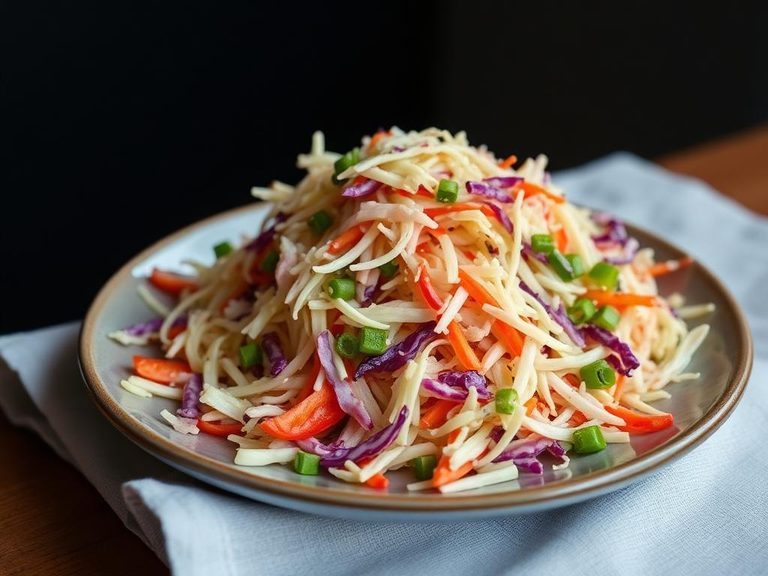
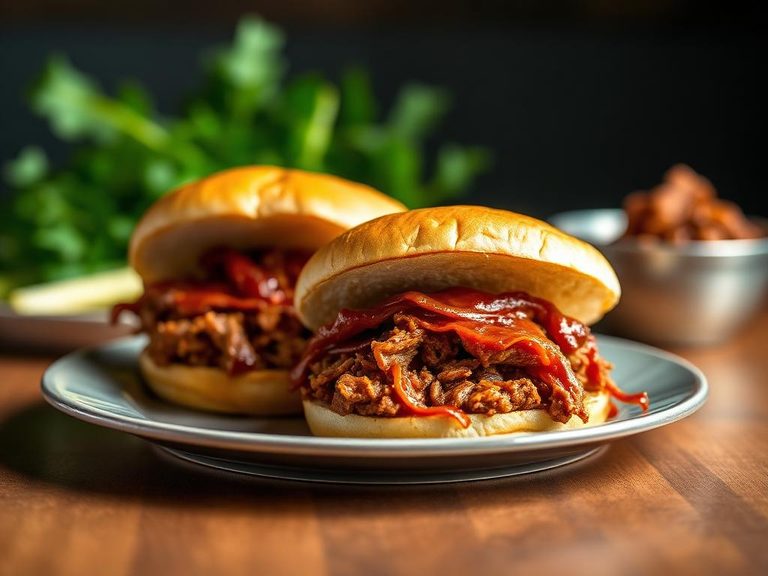
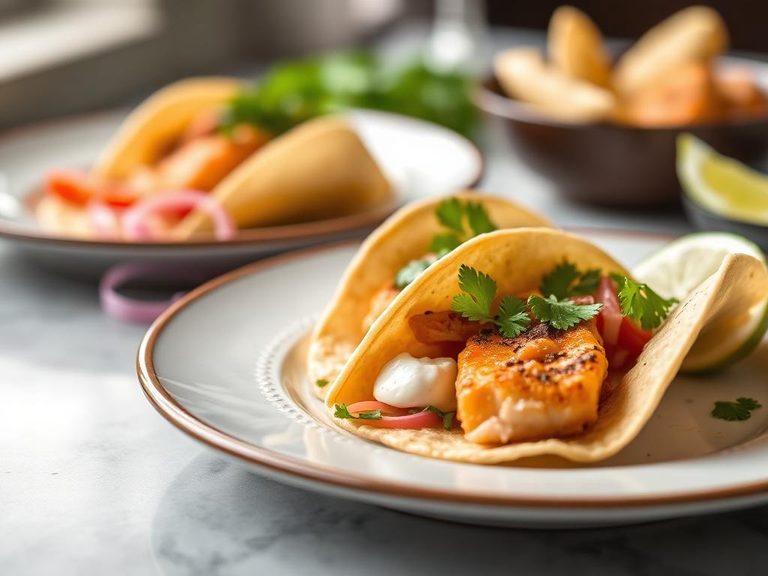
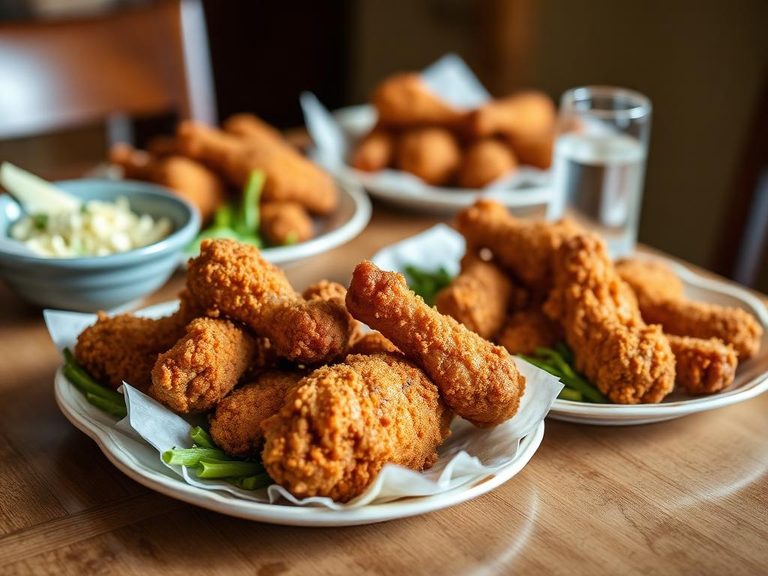
🌍 Where it's eaten
💡 Did you know?
The word 'coleslaw' comes from the Dutch term 'koolsla,' which literally means 'cabbage salad,' reflecting its roots in Dutch cuisine before becoming a staple of American barbecue.
Full nutrition (USDA data · scales with serving)
| Water | 37.0 g |
| Energy | 329 kcal |
| Energy | 1376 kj |
| Protein | 0.00 g |
| Total lipid (fat) | 20.0 g |
| Ash | 3.0 g |
| Carbohydrate, by difference | 40.0 g |
| Fiber, total dietary | 0.40 g |
| Total Sugars | 38.7 g |
| Calcium, Ca | 36.0 mg |
| Iron, Fe | 0.26 mg |
| Magnesium, Mg | 5.0 mg |
| Phosphorus, P | 30.0 mg |
| Potassium, K | 50.0 mg |
| Sodium, Na | 1600 mg |
| Zinc, Zn | 0.18 mg |
| Copper, Cu | 0.00 mg |
| Manganese, Mn | 0.00 mg |
| Selenium, Se | 1.6 ug |
| Vitamin C, total ascorbic acid | 0.00 mg |
| Thiamin | 0.01 mg |
| Riboflavin | 0.01 mg |
| Niacin | 0.25 mg |
| Pantothenic acid | 0.00 mg |
| Vitamin B-6 | 0.02 mg |
| Folate, total | 0.00 ug |
| Folic acid | 0.00 ug |
| Folate, food | 0.00 ug |
| Folate, DFE | 0.00 ug |
| Choline, total | 15.3 mg |
| Vitamin B-12 | 0.10 ug |
| Vitamin B-12, added | 0.00 ug |
| Vitamin A, RAE | 0.00 ug |
| Retinol | 0.00 ug |
| Carotene, beta | 0.00 ug |
| Carotene, alpha | 0.00 ug |
| Cryptoxanthin, beta | 0.00 ug |
| Vitamin A, IU | 1.0 iu |
| Lycopene | 0.00 ug |
| Lutein + zeaxanthin | 1.0 ug |
| Vitamin E (alpha-tocopherol) | 1.8 mg |
| Vitamin E, added | 0.00 mg |
| Vitamin D (D2 + D3), International Units | 0.00 iu |
| Vitamin D (D2 + D3) | 0.00 ug |
| Vitamin K (phylloquinone) | 39.5 ug |
| Alcohol, ethyl | 0.00 g |
| Caffeine | 0.00 mg |
| Theobromine | 0.00 mg |
Fat & fatty acid profile (per 100g)
| Fatty acids, total saturated | 3.0 g |
| SFA 4:0 | 0.00 g |
| SFA 6:0 | 0.00 g |
| SFA 8:0 | 0.00 g |
| SFA 10:0 | 0.00 g |
| SFA 12:0 | 0.00 g |
| SFA 14:0 | 0.02 g |
| SFA 16:0 | 2.0 g |
| SFA 18:0 | 1.0 g |
| Fatty acids, total monounsaturated | 8.6 g |
| MUFA 16:1 | 0.08 g |
| MUFA 18:1 | 8.5 g |
| MUFA 20:1 | 0.00 g |
| MUFA 22:1 | 0.00 g |
| Fatty acids, total polyunsaturated | 7.5 g |
| PUFA 18:2 | 7.0 g |
| PUFA 18:3 | 0.52 g |
| PUFA 18:4 | 0.00 g |
| PUFA 20:4 | 0.00 g |
| PUFA 20:5 n-3 (EPA) | 0.00 g |
| PUFA 22:5 n-3 (DPA) | 0.00 g |
| PUFA 22:6 n-3 (DHA) | 0.00 g |
| Cholesterol | 25.0 mg |
Amino acid profile (per 100g)
Estimated from Salad dressing, sesame seed dressing, regular — USDA does not publish this profile for Salad Dressing.
| Tryptophan | 0.05 g |
| Threonine | 0.05 g |
| Isoleucine | 0.05 g |
| Leucine | 0.08 g |
| Lysine | 0.14 g |
| Methionine | 0.03 g |
| Cystine | 0.00 g |
| Phenylalanine | 0.09 g |
| Tyrosine | 0.10 g |
| Valine | 0.07 g |
| Arginine | 0.40 g |
| Histidine | 0.03 g |
| Alanine | 0.00 g |
| Aspartic acid | 0.00 g |
| Glutamic acid | 0.46 g |
| Glycine | 0.00 g |
| Proline | 0.00 g |
| Serine | 0.00 g |
FAQ
Is reduced-fat coleslaw dressing healthier than regular?
It often has less fat and fewer calories per serving, but manufacturers frequently increase sugar to compensate for lost flavor and texture. Always compare nutrition labels for both fat and sugar content.
Can I use this dressing for anything other than coleslaw?
Yes, it works as a tangy-sweet dressing for simple green salads, a marinade for chicken or pork, or a dipping sauce for fried foods like onion rings or chicken tenders.
How long does opened coleslaw dressing last in the fridge?
Commercially bottled versions typically last 1-2 months after opening if refrigerated. Homemade versions should be consumed within 3-5 days.
Nutrient density (calculated · NRF9.3)
Nutrient Rich Foods index: beneficial nutrients (protein, fiber, vitamins, minerals) minus saturated fat, added sugar & sodium, per 100 kcal.
NRF9.3 index — Fulgoni, Keast & Drewnowski, 2009. Computed from USDA nutrients.
Weight-loss friendliness (composite index)
Energy density 3.29 kcal/g · 0% calories from protein · 0.4 g fiber · 38.7 g sugar per 100 g.
Composite of energy density (Rolls et al., 1999), protein & fiber satiety, minus sugar. A calculated heuristic — ranks satiety-per-calorie, not a clinical measure.
Dietary load (calculated from USDA values)
Potential renal acid load. Positive = acid-forming, negative = alkaline-forming.
Sodium-to-potassium ratio: 32.00 (lower is better — aim for ≤ 1)
Sodium:potassium per WHO potassium guidance. Computed from USDA nutrients.