

Romaine lettuce, raw
Common food
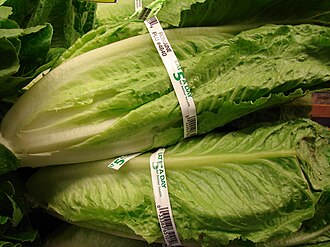
Photo: Wikipedia
Romaine lettuce is a crisp, elongated leafy green with sturdy ribs and a mild, sweet flavor that intensifies toward the dark-green tips. Its satisfying crunch and high water content make it a refreshing base for salads and a sturdy wrap for other foods. Nutritionally, it's a low-calorie powerhouse, providing a notable amount of folate and vitamin K for its minimal energy cost.
Calorie split: 19% protein · 78% carbs · 3% fat
↓ Full nutrition💚 Why it's loved
People love romaine for its perfect balance of sturdy crunch and mild, sweet taste, which acts as a versatile canvas for bold dressings and toppings. It's the undisputed star of the classic Caesar salad and is prized for its ability to hold up without wilting.
⚠️ Watch-outs & how to enjoy it better
The crunchy ribs can be tough or fibrous for some, and the leaves may harbor dirt or bacteria in their crevices. To counteract this, always wash leaves thoroughly under running water, separating them at the base. For those monitoring vitamin K intake (e.g., on blood thinners), consistent portion control is key, as romaine is a rich source.
Key benefits
- Excellent source of vitamin K, essential for blood clotting and bone health.
- Good source of folate (vitamin B9), important for cell growth and metabolism.
- Provides vitamin A and antioxidants like beta-carotene.
- Very low in calories and carbohydrates, suitable for weight management.
- High water content contributes to hydration.
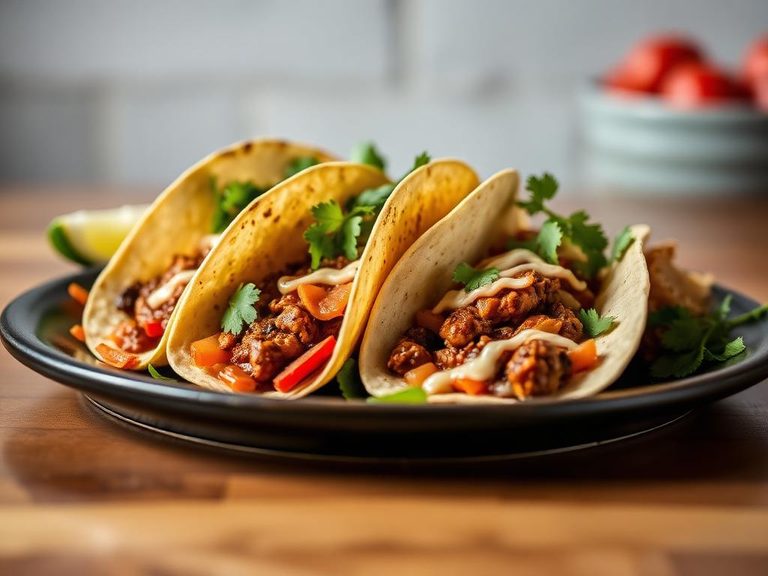
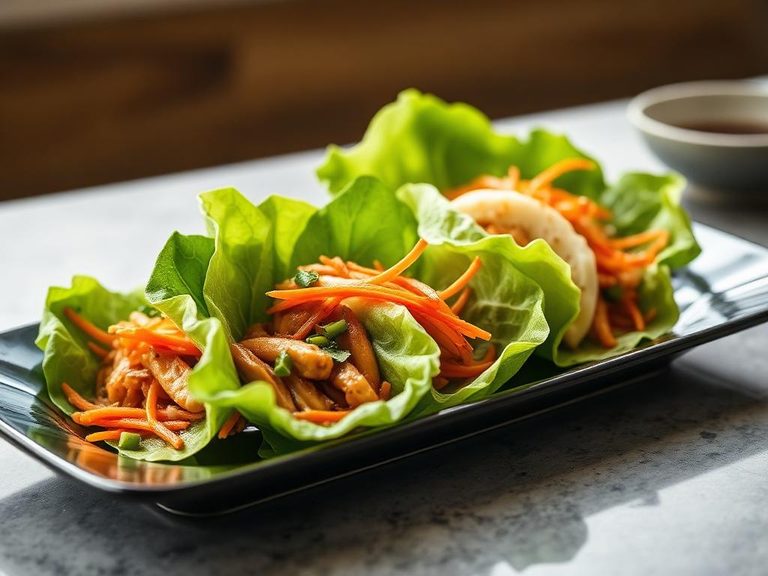
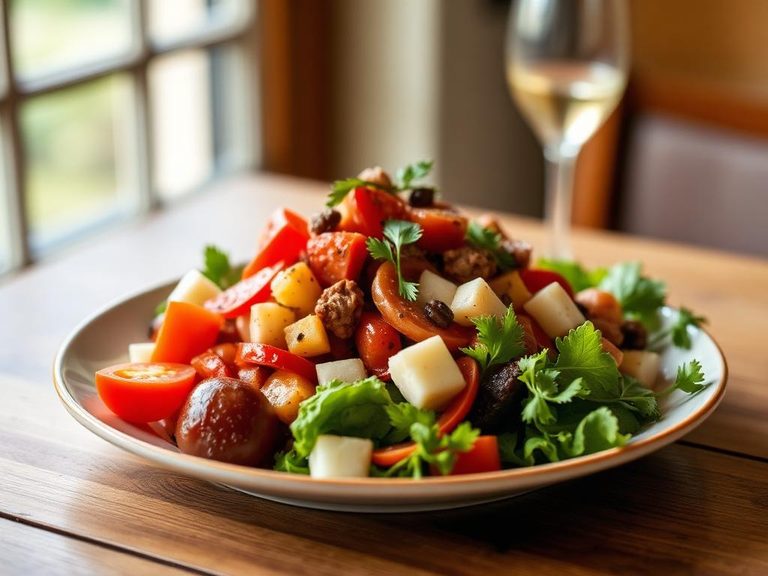
🍽️ Popular dishes
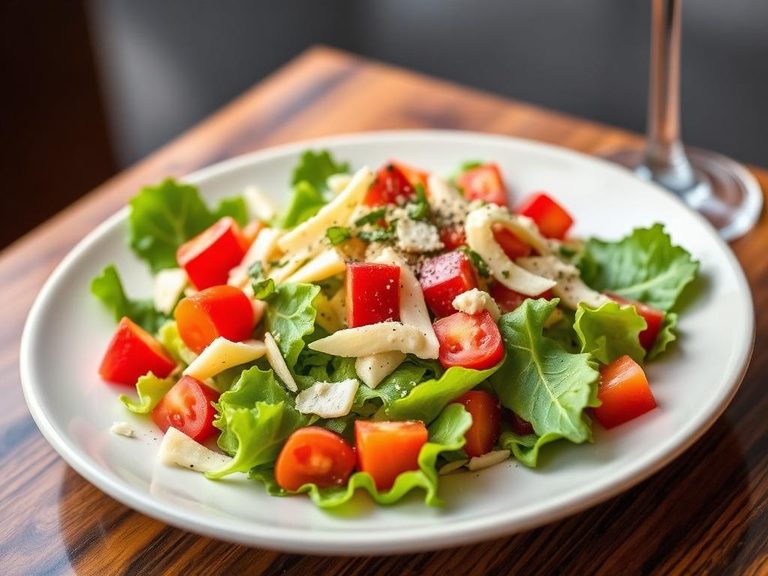
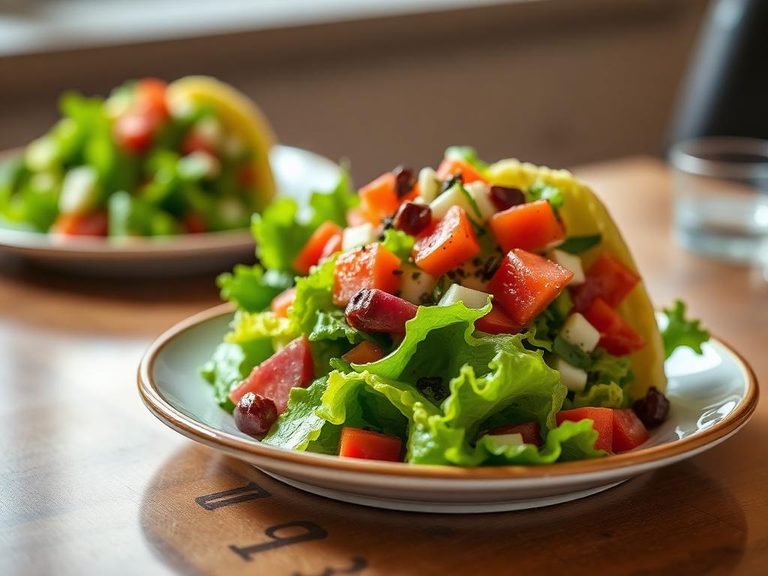
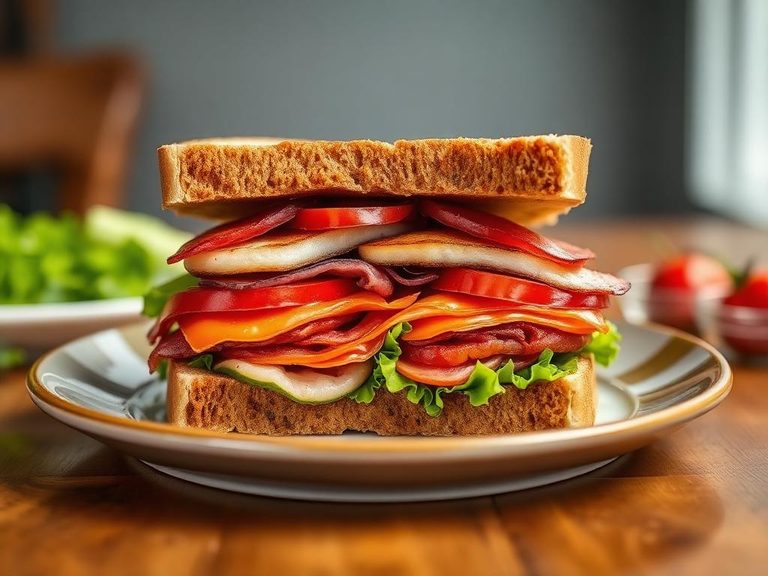
🌍 Where it's eaten
💡 Did you know?
Ancient Egyptians cultivated romaine lettuce not for its leaves, but for its seeds, which they pressed to produce cooking oil.
Full nutrition (USDA data · scales with serving)
| Water | 94.3 g |
| Energy | 21.0 kcal |
| Protein | 0.98 g |
| Total lipid (fat) | 0.07 g |
| Carbohydrate, by difference | 4.1 g |
| Fiber, total dietary | 1.8 g |
| Total Sugars | 1.2 g |
| Calcium, Ca | 28.0 mg |
| Iron, Fe | 0.27 mg |
| Magnesium, Mg | 12.0 mg |
| Phosphorus, P | 23.0 mg |
| Potassium, K | 260 mg |
| Sodium, Na | 23.0 mg |
| Zinc, Zn | 0.25 mg |
| Copper, Cu | 0.05 mg |
| Selenium, Se | 0.40 ug |
| Vitamin C, total ascorbic acid | 4.6 mg |
| Thiamin | 0.06 mg |
| Riboflavin | 0.07 mg |
| Niacin | 0.37 mg |
| Vitamin B-6 | 0.06 mg |
| Folate, total | 50.0 ug |
| Folic acid | 0.00 ug |
| Folate, food | 50.0 ug |
| Folate, DFE | 50.0 ug |
| Choline, total | 9.9 mg |
| Vitamin B-12 | 0.00 ug |
| Vitamin B-12, added | 0.00 ug |
| Vitamin A, RAE | 436 ug |
| Retinol | 0.00 ug |
| Carotene, beta | 5230 ug |
| Carotene, alpha | 0.00 ug |
| Cryptoxanthin, beta | 0.00 ug |
| Lycopene | 0.00 ug |
| Lutein + zeaxanthin | 2310 ug |
| Vitamin E (alpha-tocopherol) | 0.14 mg |
| Vitamin E, added | 0.00 mg |
| Vitamin D (D2 + D3) | 0.00 ug |
| Vitamin K (phylloquinone) | 83.4 ug |
| Alcohol, ethyl | 0.00 g |
| Caffeine | 0.00 mg |
| Theobromine | 0.00 mg |
Fat & fatty acid profile (per 100g)
| Fatty acids, total saturated | 0.04 g |
| SFA 4:0 | 0.00 g |
| SFA 6:0 | 0.00 g |
| SFA 8:0 | 0.00 g |
| SFA 10:0 | 0.00 g |
| SFA 12:0 | 0.00 g |
| SFA 14:0 | 0.00 g |
| SFA 16:0 | 0.04 g |
| SFA 18:0 | 0.01 g |
| Fatty acids, total monounsaturated | 0.01 g |
| MUFA 16:1 | 0.00 g |
| MUFA 18:1 | 0.01 g |
| MUFA 20:1 | 0.00 g |
| MUFA 22:1 | 0.00 g |
| Fatty acids, total polyunsaturated | 0.16 g |
| PUFA 18:2 | 0.05 g |
| PUFA 18:3 | 0.11 g |
| PUFA 18:4 | 0.00 g |
| PUFA 20:4 | 0.00 g |
| PUFA 20:5 n-3 (EPA) | 0.00 g |
| PUFA 22:5 n-3 (DPA) | 0.00 g |
| PUFA 22:6 n-3 (DHA) | 0.00 g |
| Cholesterol | 0.00 mg |
Amino acid profile (per 100g)
Estimated from Lettuce, cos or romaine, raw — USDA does not publish this profile for Romaine lettuce.
| Tryptophan | 0.01 g |
| Threonine | 0.04 g |
| Isoleucine | 0.04 g |
| Leucine | 0.08 g |
| Lysine | 0.06 g |
| Methionine | 0.01 g |
| Cystine | 0.01 g |
| Phenylalanine | 0.07 g |
| Tyrosine | 0.03 g |
| Valine | 0.06 g |
| Arginine | 0.05 g |
| Histidine | 0.02 g |
| Alanine | 0.06 g |
| Aspartic acid | 0.14 g |
| Glutamic acid | 0.18 g |
| Glycine | 0.05 g |
| Proline | 0.04 g |
| Serine | 0.05 g |
FAQ
Is romaine lettuce nutritious compared to iceberg?
Yes. Romaine is significantly higher in vitamins A, C, K, folate, and fiber than iceberg lettuce, making it a more nutrient-dense choice.
How do I keep romaine fresh longer?
Wrap the unwashed head in a dry paper towel, place it in a plastic bag, and store it in the crisper drawer. Wash leaves only just before eating.
What's the difference between romaine hearts and full leaves?
Romaine hearts are the pale, tender inner leaves, prized for their mild, sweet crunch. The outer, darker leaves are more robust and slightly bitter, great for grilling or sautéing.
Nutrient density (calculated · NRF9.3)
Nutrient Rich Foods index: beneficial nutrients (protein, fiber, vitamins, minerals) minus saturated fat, added sugar & sodium, per 100 kcal.
NRF9.3 index — Fulgoni, Keast & Drewnowski, 2009. Computed from USDA nutrients.
Weight-loss friendliness (composite index)
Energy density 0.21 kcal/g · 19% calories from protein · 1.8 g fiber · 1.2 g sugar per 100 g.
Composite of energy density (Rolls et al., 1999), protein & fiber satiety, minus sugar. A calculated heuristic — ranks satiety-per-calorie, not a clinical measure.
Dietary load (calculated from USDA values)
Potential renal acid load. Positive = acid-forming, negative = alkaline-forming.
Sodium-to-potassium ratio: 0.09 (lower is better — aim for ≤ 1)
Sodium:potassium per WHO potassium guidance. Computed from USDA nutrients.