

Pumpkin, canned, with salt
Whole food · Vegetables and Vegetable Products

Photo: Wikipedia
This is the convenient, ready-to-use flesh of a pumpkin, typically a winter squash variety, that has been cooked and sealed in a can with added salt. Its texture is smooth, dense, and velvety, with a deep orange color and a sweet, earthy, subtly savory flavor. Nutritionally, it's a low-calorie, high-fiber powerhouse, offering a significant dose of vitamin A (as beta-carotene) for eye and immune health.
Calorie split: 11% protein · 82% carbs · 6% fat
↓ Full nutrition💚 Why it's loved
People adore its velvety, spoonable texture and natural sweetness that forms the perfect base for both savory soups and sweet pies. It's a beloved kitchen shortcut, delivering rich pumpkin flavor year-round without the work of roasting and puréeing a whole squash.
⚠️ Watch-outs & how to enjoy it better
The added salt can be a concern for those monitoring sodium intake, and its natural sugars can contribute to blood sugar spikes if consumed in large, unbalanced portions. To counteract this, rinse the canned pumpkin under water to reduce surface sodium, and always pair it with protein (like Greek yogurt or nuts) and healthy fats (like nut butter or seeds) to slow sugar absorption.
Key benefits
- Excellent source of beta-carotene, converted to vitamin A for vision and immunity.
- High in soluble and insoluble fiber, aiding digestion and promoting fullness.
- Very low in calories and fat, making it ideal for weight management.
- Provides a good amount of potassium, which supports heart health and blood pressure.
🍽️ Popular dishes
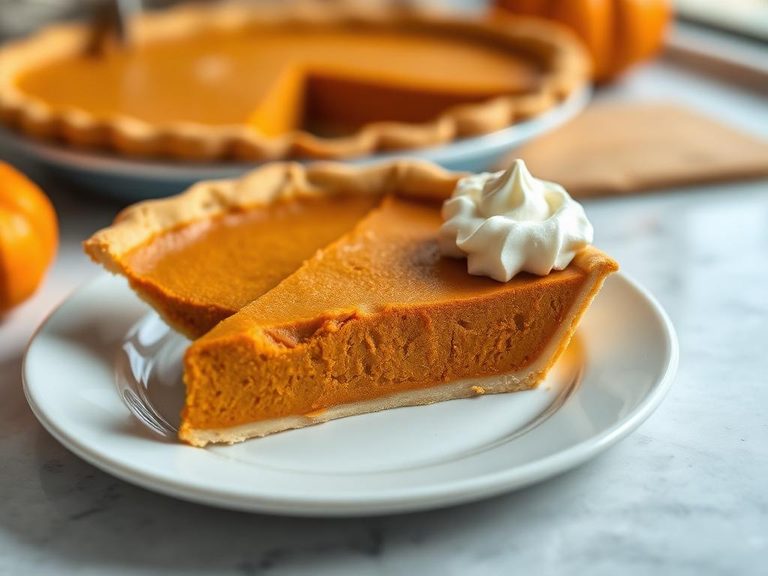
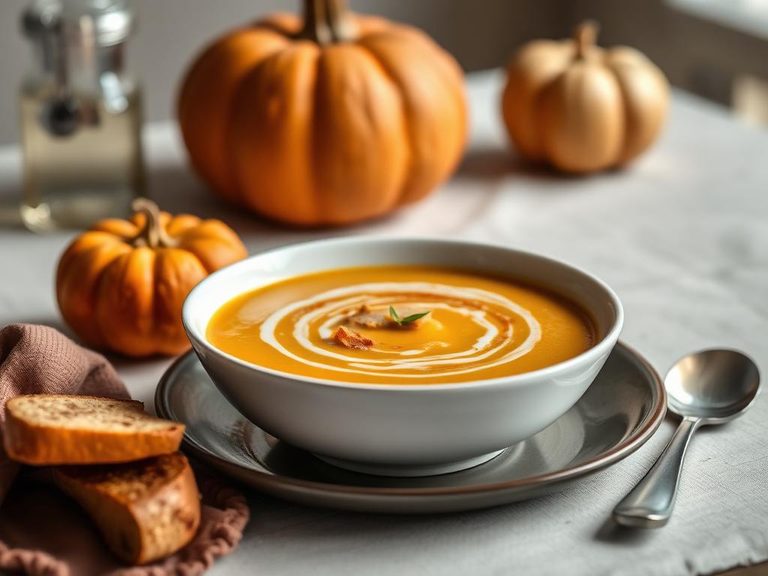
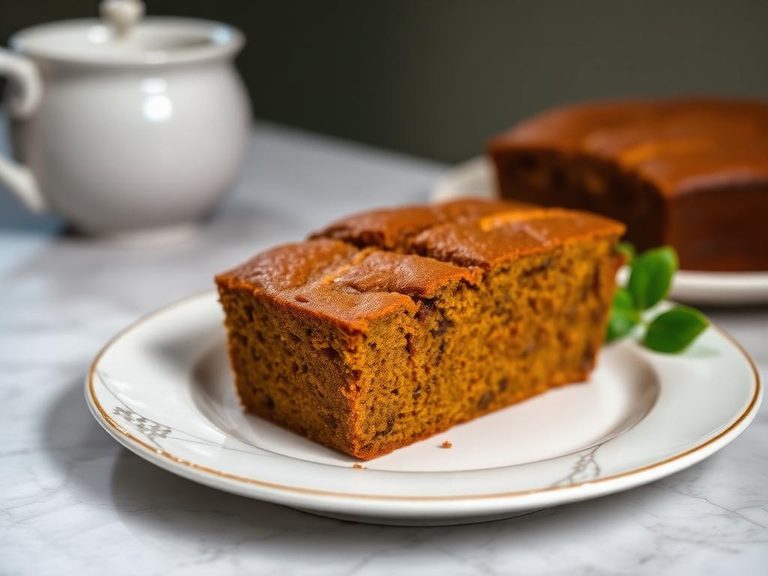

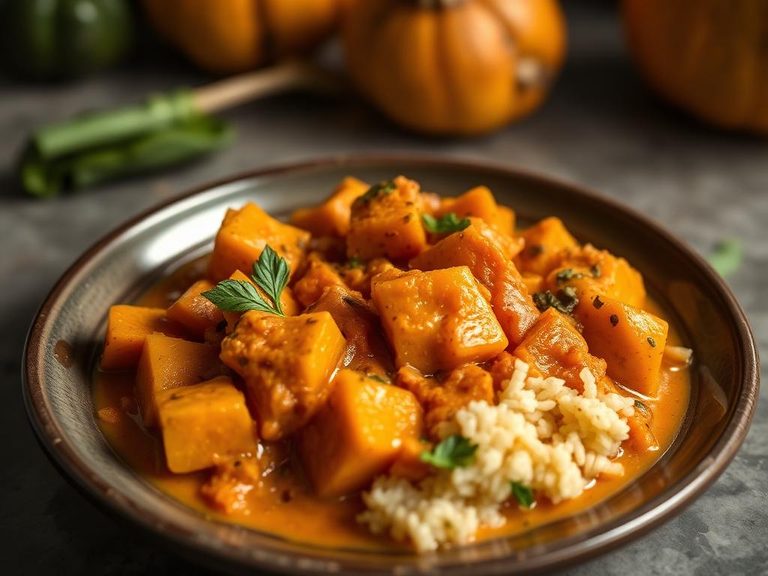
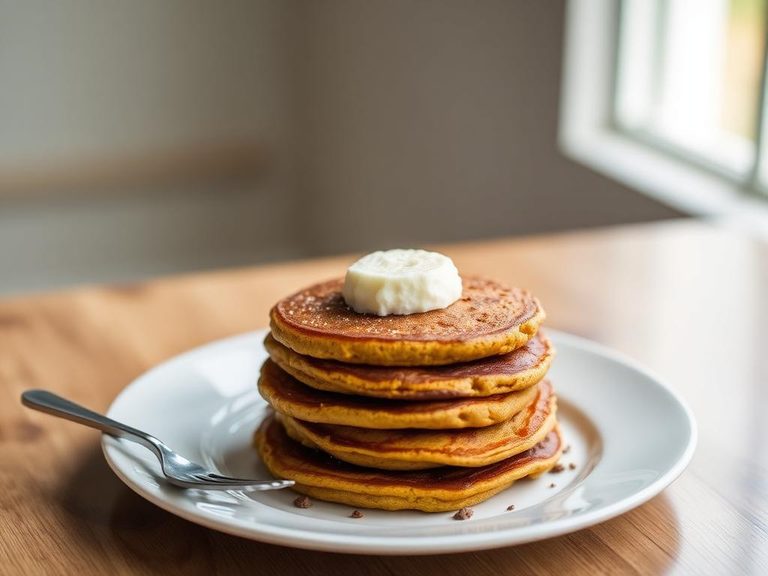
🌍 Where it's eaten
💡 Did you know?
The pumpkin purée in the can is often made from a specific, dense-fleshed variety like the 'Dickinson' pumpkin, which is different from the carving pumpkins used for Jack-o'-lanterns.
Full nutrition (USDA data · scales with serving)
| Water | 90.0 g |
| Energy | 34.0 kcal |
| Energy | 142 kj |
| Protein | 1.1 g |
| Total lipid (fat) | 0.28 g |
| Ash | 0.56 g |
| Carbohydrate, by difference | 8.1 g |
| Fiber, total dietary | 2.9 g |
| Total Sugars | 3.3 g |
| Calcium, Ca | 26.0 mg |
| Iron, Fe | 1.4 mg |
| Magnesium, Mg | 23.0 mg |
| Phosphorus, P | 35.0 mg |
| Potassium, K | 206 mg |
| Sodium, Na | 241 mg |
| Zinc, Zn | 0.17 mg |
| Copper, Cu | 0.11 mg |
| Manganese, Mn | 0.15 mg |
| Selenium, Se | 0.40 ug |
| Vitamin C, total ascorbic acid | 4.2 mg |
| Thiamin | 0.02 mg |
| Riboflavin | 0.05 mg |
| Niacin | 0.37 mg |
| Pantothenic acid | 0.40 mg |
| Vitamin B-6 | 0.06 mg |
| Folate, total | 12.0 ug |
| Folic acid | 0.00 ug |
| Folate, food | 12.0 ug |
| Folate, DFE | 12.0 ug |
| Choline, total | 9.8 mg |
| Vitamin B-12 | 0.00 ug |
| Vitamin B-12, added | 0.00 ug |
| Vitamin A, RAE | 778 ug |
| Retinol | 0.00 ug |
| Carotene, beta | 6940 ug |
| Carotene, alpha | 4795 ug |
| Cryptoxanthin, beta | 0.00 ug |
| Vitamin A, IU | 15563 iu |
| Lycopene | 0.00 ug |
| Lutein + zeaxanthin | 0.00 ug |
| Vitamin E (alpha-tocopherol) | 1.1 mg |
| Vitamin E, added | 0.00 mg |
| Vitamin D (D2 + D3), International Units | 0.00 iu |
| Vitamin D (D2 + D3) | 0.00 ug |
| Vitamin K (phylloquinone) | 16.0 ug |
| Alcohol, ethyl | 0.00 g |
| Caffeine | 0.00 mg |
| Theobromine | 0.00 mg |
Fat & fatty acid profile (per 100g)
| Fatty acids, total saturated | 0.15 g |
| SFA 12:0 | 0.00 g |
| SFA 14:0 | 0.02 g |
| SFA 16:0 | 0.10 g |
| SFA 18:0 | 0.01 g |
| Fatty acids, total monounsaturated | 0.04 g |
| MUFA 16:1 | 0.02 g |
| MUFA 18:1 | 0.02 g |
| Fatty acids, total polyunsaturated | 0.01 g |
| PUFA 18:2 | 0.01 g |
| PUFA 18:3 | 0.01 g |
| Fatty acids, total trans | 0.00 g |
| Cholesterol | 0.00 mg |
Amino acid profile (per 100g)
| Tryptophan | 0.01 g |
| Threonine | 0.03 g |
| Isoleucine | 0.03 g |
| Leucine | 0.05 g |
| Lysine | 0.06 g |
| Methionine | 0.01 g |
| Cystine | 0.00 g |
| Phenylalanine | 0.04 g |
| Tyrosine | 0.05 g |
| Valine | 0.04 g |
| Arginine | 0.06 g |
| Histidine | 0.02 g |
| Alanine | 0.03 g |
| Aspartic acid | 0.11 g |
| Glutamic acid | 0.20 g |
| Glycine | 0.03 g |
| Proline | 0.03 g |
| Serine | 0.05 g |
FAQ
Is canned pumpkin the same as pumpkin pie filling?
No. Canned pumpkin is plain pumpkin purée with maybe some salt. Pumpkin pie filling is pre-sweetened and spiced with cinnamon, nutmeg, etc. Using pie filling in a recipe calling for plain pumpkin will make it overly sweet and spiced.
How long does opened canned pumpkin last?
Once opened, transfer any unused purée to an airtight container. It will keep in the refrigerator for 5-7 days or in the freezer for up to 3 months.
Can I use this for savory dishes, not just sweets?
Absolutely! Its earthy flavor is fantastic in savory applications like curries, stews, pasta sauces, risottos, or mixed into mashed potatoes for color and nutrition.
Nutrient density (calculated · NRF9.3)
Nutrient Rich Foods index: beneficial nutrients (protein, fiber, vitamins, minerals) minus saturated fat, added sugar & sodium, per 100 kcal.
NRF9.3 index — Fulgoni, Keast & Drewnowski, 2009. Computed from USDA nutrients.
Weight-loss friendliness (composite index)
Energy density 0.34 kcal/g · 13% calories from protein · 2.9 g fiber · 3.3 g sugar per 100 g.
Composite of energy density (Rolls et al., 1999), protein & fiber satiety, minus sugar. A calculated heuristic — ranks satiety-per-calorie, not a clinical measure.
Dietary load (calculated from USDA values)
Potential renal acid load. Positive = acid-forming, negative = alkaline-forming.
Sodium-to-potassium ratio: 1.17 (lower is better — aim for ≤ 1)
Sodium:potassium per WHO potassium guidance. Computed from USDA nutrients.